Here’s What to Expect at Heimtextil 2026 If You Head to Frankfurt

 4
4
 0
0Summary
Heimtextil 2026 runs January 13th through the 16th in Frankfurt and is one of the world’s most comprehensive textile-focused trade fairs. Unlike broader interiors markets, it functions as a working environment centered on materials, performance, production, and global sourcing rather than styled vignettes. With thousands of international exhibitors, designers can compare textiles side by side, discuss lead times and testing standards, and better understand how manufacturing differs across regions. Sustainability is addressed through the Econogy program, while the 2026–2027 trend theme, Craft is a verb, explores the intersection of digital tools and physical making. The fair is dense and demanding but highly valuable for designers seeking clarity, reference, and deeper material knowledge.
Reflection Questions
Where in your design process would deeper knowledge of textile construction and sourcing most improve your work?
How do performance requirements and sustainability documentation influence your material decisions with clients?
Which of the Heimtextil trend directions feels most relevant to the way you currently specify fabrics?
Journal Prompt
Heimtextil emphasizes process over presentation. How might understanding how materials are produced change the way you design, specify, or communicate value to clients?
Heimtextil returns to Frankfurt from January 13 through January 16, 2026, taking over Messe Frankfurt with one of the most comprehensive textile-focused trade fairs in the world. Unlike broader interiors markets, Heimtextil is almost entirely dedicated to textiles and soft materials. From fibers and yarns to finished contract applications, this international trade fair is a sight to behold!
For interior designers, architects, and specifiers, Heimtextil functions less as a lifestyle fair and more as a working environment centered around textile design. The scale is large, the exhibitors are global, and most conversations center on construction, performance, production, and supply rather than styling or finished rooms. There is also a sharp focus on textile sustainability in interior design.
If you are heading to Frankfurt in January, here is what to expect. And if your January calendar is already packed, check out our list of design events coming up in February!
What Heimtextil 2026 Will Cover
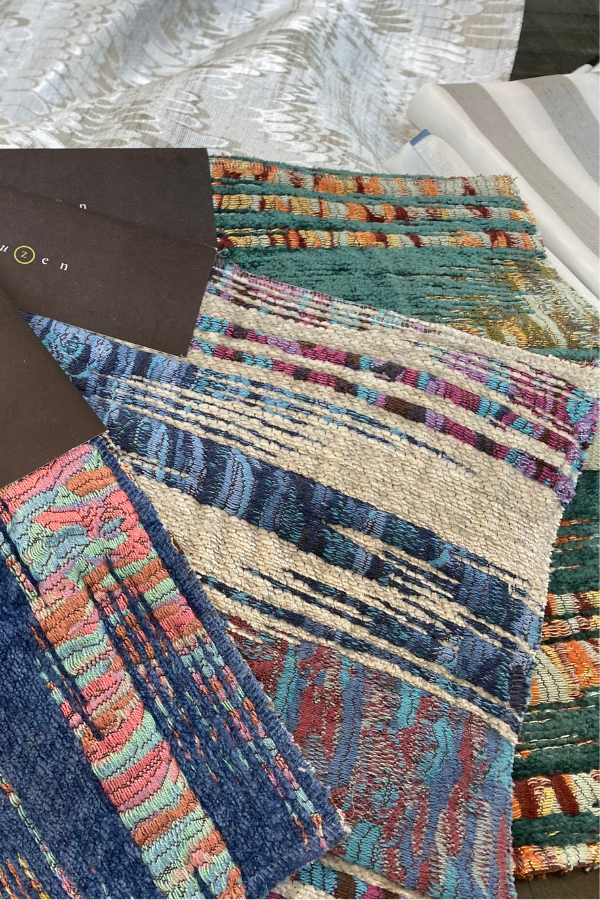
Heimtextil always centers on home and contract textiles. That includes woven and knitted upholstery, decorative fabrics, carpets, area rugs, window systems, acoustic textiles, wall applications, and sun protection products. Fibers and yarns are also represented, along with studios focused on surface pattern development.
This trade fair for home and contract business textiles typically hosts more than 2,700 exhibitors and welcomes roughly 67,000 professional visitors from across the global textile industry. Attendees range from manufacturers and mills to architects, interior designers, procurement teams, and hospitality groups.

Because of that mix, conversations shift quickly between creative and technical concerns. One moment you are reviewing color ranges. The next, you are talking about abrasion ratings, backing systems, or delivery windows. It can feel dense. It is meant to.
Exhibitors, Special Presentations, and Global Sourcing
One of Heimtextil’s strongest draws is the range of international exhibitors. Companies travel from Europe, Asia, the Middle East, and the Americas, with particularly strong representation from India, China, Turkey, Belgium, Italy, and Germany.
For 2026, participating manufacturers include Aakash International, Tianjin Attraction Carpets Co., Shanghai Ote Fabrics, along with thousands of others working at different scales of production. Some focus on small-batch development. Others operate at volumes suited for hotels and large residential projects.
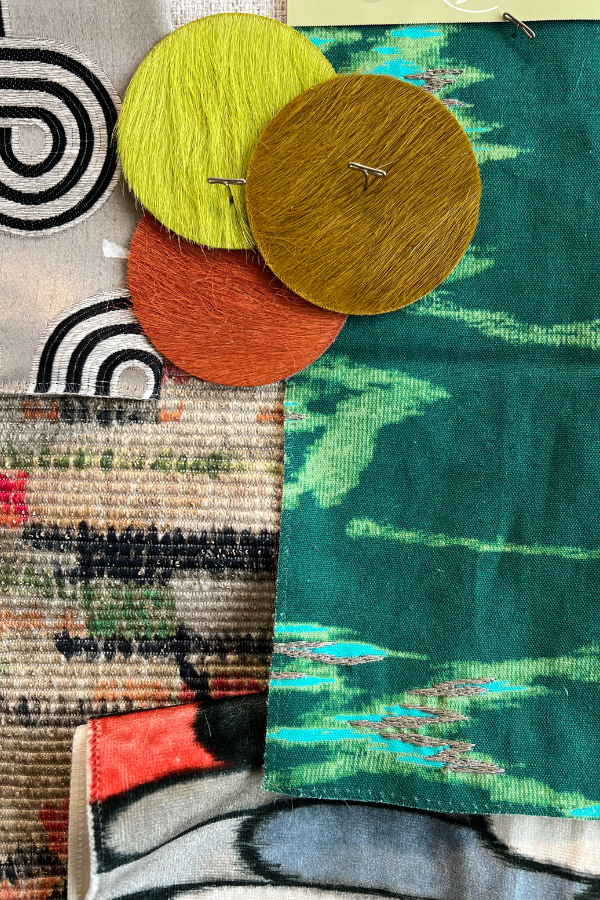
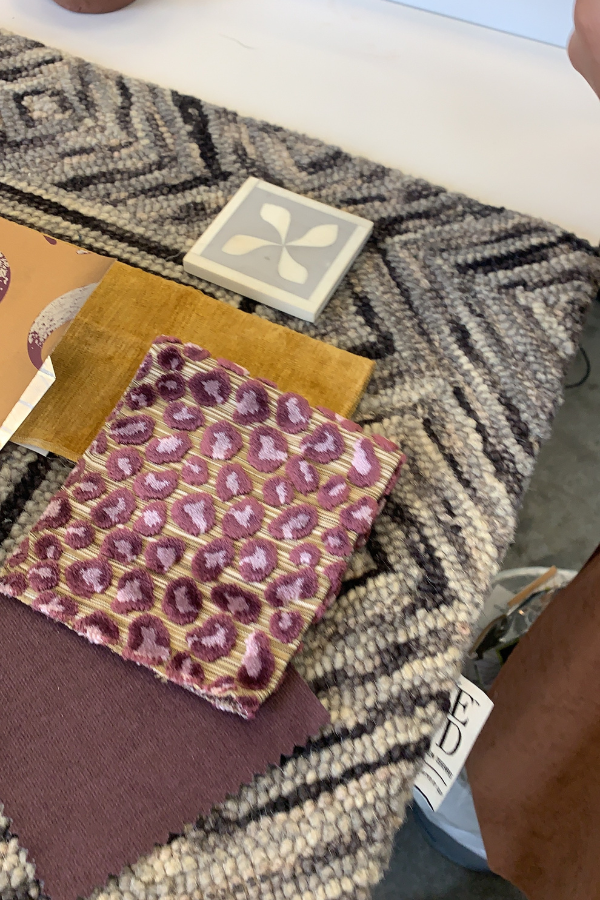
Seeing these suppliers in one place makes comparison easier for designers shopping on-site. Pricing structures, finish quality, fiber content, and lead times often differ widely between regions. Those differences become obvious when samples are laid side by side on a table instead of viewed through digital catalogs.
Product Groups and Hall Organization
Messe Frankfurt organizes Heimtextil by product category, grouping related materials in adjacent halls. Home textiles, upholstery, carpets, window systems, textile design studios, and global sourcing areas are separated but connected through short routes.
The 2026 layout continues the fair’s streamlined hall plan, which helps reduce walking time. Their exhibition map is available online, so we recommend taking a quick look before arrival.
Designers working on hospitality or large residential projects often spend extended time in the contract-focused halls. Fire resistance standards, durability testing, and cleaning requirements come up frequently. These are long conversations. Plan for them.
Fuel your creative fire & be a part of a supportive community that values how you love to live.
subscribe to our newsletter
*please check your Spam folder for the latest DesignDash Magazine issue immediately after subscription

Dedication to Sustainability and “Econogy”
Sustainability is addressed through Heimtextil’s Econogy program. According to the fair’s website, this portmanteau “combines economy and ecology in one word and shows how decisive sustainability is today for the economic success of a company.” To be a strong partner at Heimtextil, each exhibitor must identify products that meet defined environmental and social standards, including certified fibers, recycled materials, and documented supply chains.
The Econogy Hub provides background on certifications and testing systems used across the textile industry. This can be useful when clients request documentation before they order volumes of a product or when project teams need clarity on what different sustainability labels actually represent.
Not every exhibitor participates, and not every product qualifies. But this reflects the current state of textile manufacturing and contemporary design rather than an idealized version of our industries.
Heimtextil Trends For 2026 to 2027
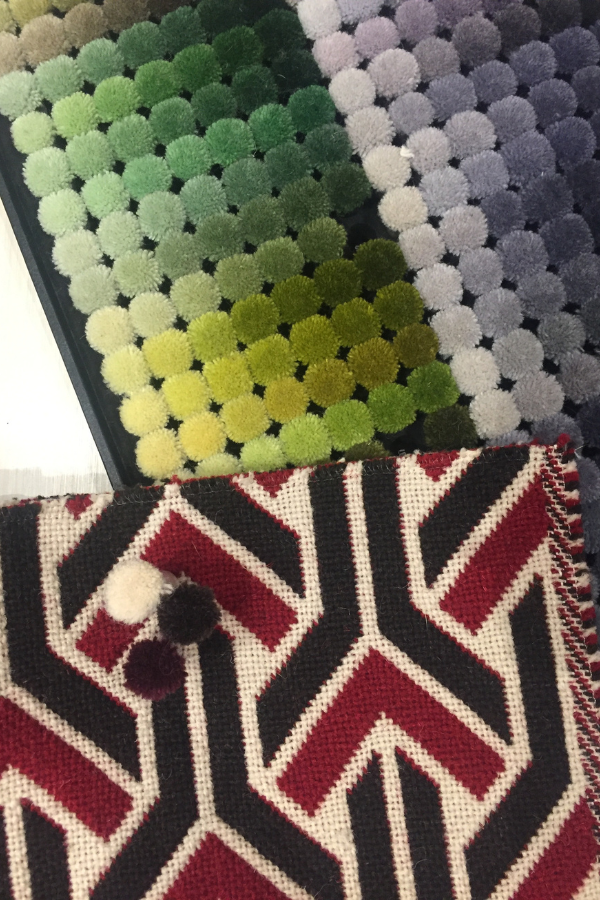
The Heimtextil Trends program for 2026 and 2027 has the theme “Craft is a verb.” The concept was developed in collaboration with Alcova Milano, which is led by Valentina Ciuffi and Joseph Grima. The exhibition explores how digital tools and physical production methods interact inside contemporary textile design. Rather than separating technology and handwork, the presentation focuses on how they operate side by side. The Trend Arena in Hall 6.1 organizes this research into six directions.
Re: Media
This theme examines movement between analog drawing and digital translation. Hand sketches are scanned, altered, and then produced through jacquard weaving or embroidery. The resulting textiles show pixel shifts, layered lines, and uneven color transitions.
Visible Co-work
Here, digital systems generate initial designs and human hands complete them. Embroidered linens, knitted patchworks, and generative patterns appear together, often within the same textile. The distinction between machine output and manual adjustment is intentionally visible here, which makes Artificial Intelligence inclusion less jarring.
Sensing Nature
Natural forms are studied and reinterpreted through digital processes. Surface patterns reference stone, lichen, and water movement, though rarely in literal ways. Geometry replaces imitation in intriguing ways.
A Playful Touch
Decorative details return through small interruptions. A ruffle on a plain curtain. A bright thread crossing a neutral fabric. Tassels appear where they serve no technical purpose at all. It feels deliberate and sometimes even slightly strange or uncanny.
Crafted Irregularity
Irregular dye lots, knots, visible seams, and asymmetry take center stage. These textiles highlight process rather than disguise it. Variation is expected. In production terms, that can complicate consistency, but it certainly adds depth visually!
The Uncanny Valley
Mechanical elements are exposed rather than concealed. Wires, coils, and structural components appear as part of the surface design. The effect sits somewhere between industrial reference and ornament. Some of it feels entirely experimental.
Who Heimtextil Is Best For
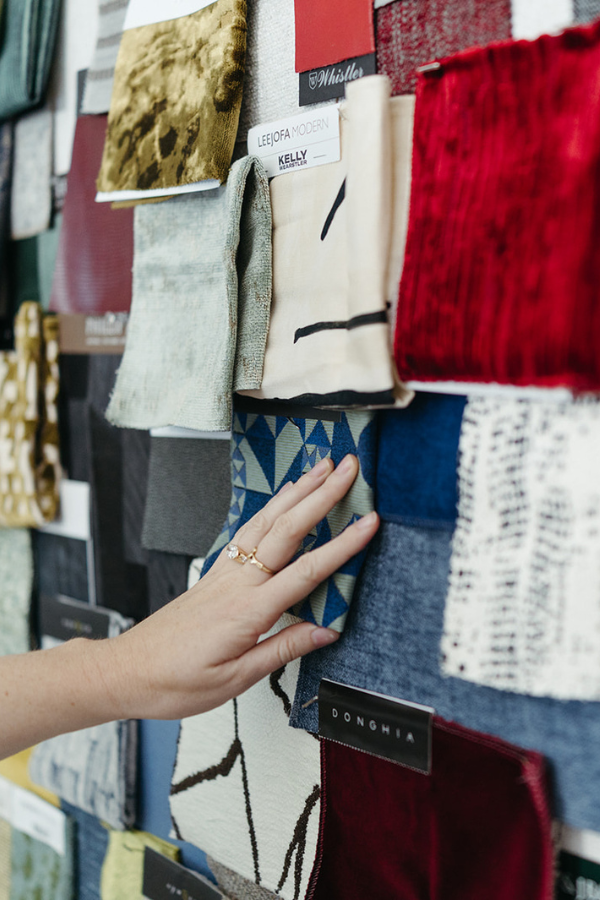
Designers and firm decision makers will find value here because production methods, testing standards, and sourcing options are visible and comparable in real time. The fair supports early research as well as late-stage confirmation. But Heimtextil requires stamina and planning. The halls are huge, the information load is high, and the days are quite long. It rewards preparation a lot more than spontaneity. Still, this fair is incredibly rewarding. It will expose you to new trends and new technologies; and who knows, you might discover a new partnership that truly impresses you!
Written by the DesignDash Editorial Team
Our contributors include experienced designers, firm owners, design writers, and other industry professionals. If you’re interested in submitting your work or collaborating, please reach out to our Editor-in-Chief at editor@designdash.com.
Related Posts

Pre-Market Coffee Chat with High Point Market VP Ashley Grigg
DesignDash will host a live Pre-Market Coffee Chat alongside HPMKT VP

Unique Mother’s Day Card Ideas to Show How Much You Care
Here are 17 creative and heartfelt Mother's Day card ideas that offer

5 Insightful Business of Home Podcast Episodes from the Past Year
Tune in to five excellent episodes of the Business of Home Podcast tha
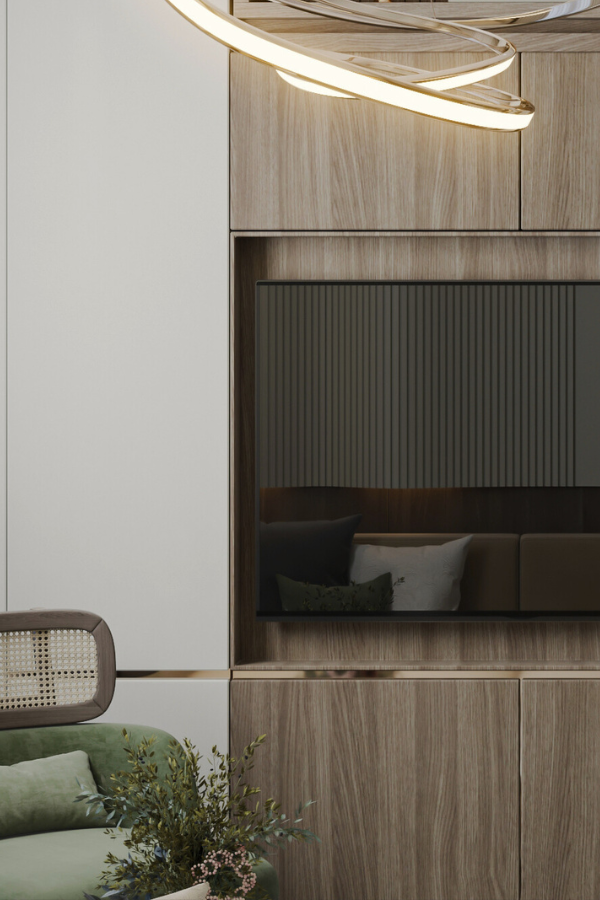
How to Disguise TVs in Client Homes Without Compromising Style
From framed artwork screens to hidden cabinetry and mirror TVs, learn
Five Vintage Danish Furniture Pieces We Still Love in 2025
These five vintage Danish designs by icons like Hans J. Wegner and Ib