Seven German Furniture Brands Known for Precision and Luxury

 0
0
 0
0Summary
German furniture brands grew out of a culture that prized engineering, material rigor, and long-term performance. The seven brands highlighted here balance industrial precision with refined craftsmanship, producing furniture that feels both exacting and deeply considered.
Reflection Questions
When specifying furniture, how often do structural integrity and manufacturing quality weigh as heavily as visual appeal?
Are there moments in your projects where technically driven design could solve functional challenges more effectively than purely aesthetic choices?
Which of these brands align most closely with how your clients actually inhabit their spaces over time?
Journal Prompt
Think about a recent project where furniture selection felt particularly complex. Was the challenge about durability, detailing, scale, or budget? Write through how the outcome might have shifted if technical performance and material longevity had been your primary priorities.
German furniture has almost always paired engineering with artistry. The country’s design culture has long been shaped by a respect for craft guilds, manufacturing excellence, and a deep belief that furniture should be as structurally sound as it is visually compelling.
Designers drawn to the precision of German manufacturing don’t usually focus on ornament or spectacle. Even the most luxurious pieces tend to be disciplined rather than flamboyant. They rely on exact proportions, meticulous detailing, and materials chosen for their performance over decades rather than “flash in the pan” fashion.
Scale generally favors human comfort, regardless of the space itself. German furniture often feels closely aligned with architecture, which is important as it reinforces continuity between building and interior instead of providing dramatic contrast for merely aesthetic purposes.
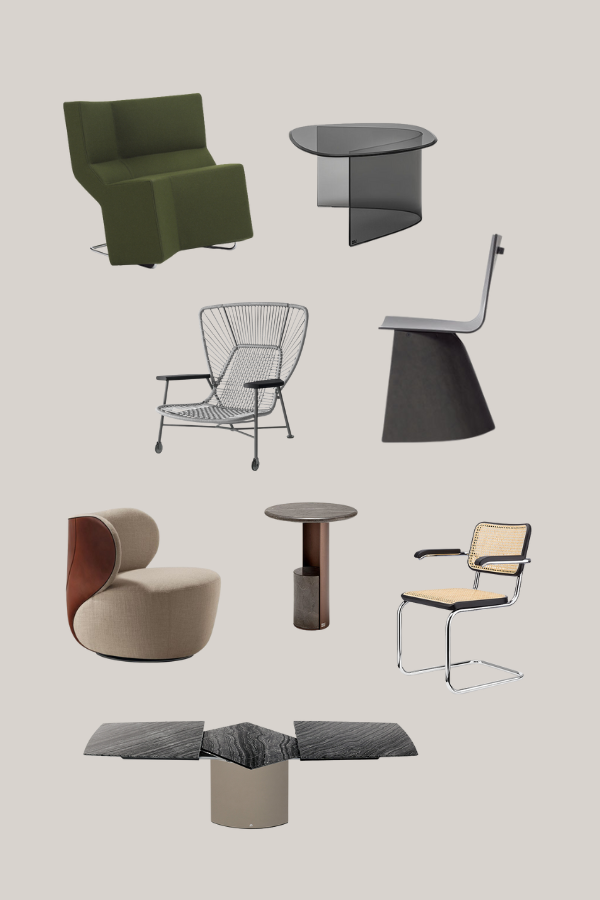
Some of the brands below lean heavily into modernist traditions, while others value contemporary luxury or new technologies. Yet all share a commitment to technical excellence, thoughtful design, and long-term value. Here are seven German furniture brands that consistently define precision and luxury.
7 German Brands Every Interior Designer Should Know (and Shop)
Thonet
Founded in 1819 by Michael Thonet, this is one of the most historically significant furniture manufacturers in the world. The company changed how furniture could be made in the nineteenth century through its pioneering bentwood techniques, which allowed for seating that was lighter, more durable, and more fluid in form than anything before it.
Thonet is still best known for its classic bentwood chairs, particularly the No. 14, which has been in continuous production for over a century. At the same time, the brand has never treated its history like an unchangeable museum exhibition. It continues to collaborate with contemporary designers like Jil Sander in order to respond to today’s buyers.
Though bold colors like lime and cherry red can be found in certain pieces, there is still something understated about Thonet. Its most recognizable pieces look simple, almost inevitable, yet they are the result of careful experimentation with material and technique. Perhaps this is because each piece is designed for real use and human connection. As the brand puts it, Thonet is best at…
“Designing the perfect space for communication. Whether it’s a long evening or a quick chat, spontaneous or long-planned, at the dining table, in a hotel or at a meeting: Thonet furniture can be found wherever people meet, where they exchange ideas.”
Notable Pieces
Notable pieces include Chair No. 14 Model 214, the S 32 and S 64 cantilever chairs, and the 209 bentwood table.
Walter Knoll
Walter Knoll began in 1865 in Stuttgart as a leather workshop supplying upholstery to local cabinetmakers and aristocratic households. Through the late nineteenth and early twentieth centuries, the company expanded alongside Germany’s growing industrial base, gradually shifting from purely craft production toward a more systematic approach to furniture manufacturing. By the postwar period, Walter Knoll had repositioned itself as a producer of high-end modern furniture rather than traditional upholstery.
The company produces seating, tables, and modular systems for both residential and contract environments; in doing so, it often combines premium leathers with finely finished metals and textiles. Walter Knoll’s designs tend to avoid visual excess, favoring proportion and composure instead. Its collaborations with Foster + Partners and EOOS in the 1990s and 2000s marked a clear turn toward architecturally minded furniture intended for both private interiors and corporate spaces.
Notable Pieces
Notable pieces include the FK Foster Lounge Chair, the 369 Lounge Chair, the Joco sofa system, and the Keypiece table series.
Fuel your creative fire & be a part of a supportive community that values how you love to live.
subscribe to our newsletter
*please check your Spam folder for the latest DesignDash Magazine issue immediately after subscription

Interlübke
Founded in 1937 in Rheda-Wiedenbrück, Interlübke emerged in a region that would later become one of Germany’s major centers for cabinetmaking and built-in furniture production. In the decades after World War II, the company aligned itself with modernist ideas about minimalism and integrated interiors. It chose to move away from freestanding wardrobes toward systems that functioned more like architecture.
Interlübke specializes in high-end storage, shelving, and architectural furniture systems, particularly wall units, wardrobes, and room dividers that function as integrated elements within an interior rather than as freestanding objects. The brand’s modular approach reflects a broader German tradition of precision cabinetry and custom planning, influenced by postwar functionalism and the legacy of Bauhaus thinking about space and order.
Notable Pieces
Notable pieces include the Studimo shelving system, the Cube wardrobe system, and the ConceptMe room divider program.
Rolf Benz
Rolf Benz was founded in 1964 in Nagold, at a moment when German furniture manufacturing was shifting from traditional forms toward modern upholstered seating. In the 1970s and 1980s, the company became known for combining Italian-influenced softness with German structural discipline. Rolf Benz distinguished itself from both purely minimalist German brands and more decorative European upholstery makers.
Rolf Benz prioritizes comfort while maintaining clear structural and formal discipline in its designs. Its sofas and lounge chairs typically feature generous cushions, sculptural silhouettes, and carefully tailored fabrics or leathers, but they are built around precise internal frames and engineering that ensure long-term durability. The brand’s collaborations with designers over the past three decades reflect a consistent effort to modernize without abandoning its core identity.
Notable Pieces
Notable pieces include the Rolf Benz 322 modular sofa, the Rolf Benz 620 chair, and the Tira lounge chair.

ClassiCon
ClassiCon was founded in 1990 in Munich with a deliberate mission to revive key works of early modern design while also commissioning contemporary pieces. From the beginning, the company positioned itself as a bridge between historical scholarship and industrial production. ClassiCon works directly with archives and estates rather than relying on generic reproductions.
The brand is particularly associated with figures like Eileen Gray and Eckart Muthesius, whose works were originally produced in limited quantities in the early twentieth century and later fell out of circulation. By reintroducing these designs with accurate materials and manufacturing techniques, ClassiCon helped reestablish their place in the modern design canon while also expanding its catalogue with new commissions from living designers.
Notable Pieces
Notable pieces include Eileen Gray’s Adjustable Table E 1027, the Bibendum Chair, and Eckart Muthesius’s Black Dot Stool.
COR
COR was founded in 1954 in Rheda-Wiedenbrück, at a time when West Germany was rapidly rebuilding its industrial infrastructure. Unlike more conservative manufacturers, COR developed a reputation in the 1960s and 1970s for experimenting with modular seating systems that could be reconfigured for different environments, from private homes to corporate interiors.
The company’s sofas and lounge systems are typically designed with flexible configurations suitable for both residential and commercial environments. Materials are selected for durability as well as appearance, reflecting a broader German emphasis on technical performance. Over time, COR built long-standing collaborations with designers across Europe, which helped position the brand as a more progressive counterpoint to traditionally restrained German manufacturers.
Notable Pieces
Notable pieces include the Conseta sofa system, the Float table, and the Ace lounge chair.

Draenert
Draenert was founded in 1968 in Melle, at a time when German manufacturers were increasingly integrating mechanical innovation into furniture design. The company quickly became associated with highly engineered dining tables that concealed complex mechanisms beneath minimalist surfaces.
Draenert is best known for precision-engineered tables, particularly those with extendable or mechanically complex systems that allow a table to expand without visible seams or bulky hardware. This emphasis on hidden engineering reflects a broader German tradition of valuing technical sophistication over decorative display. Architects and designers have long favored Draenert for projects where functionality and clean aesthetics must coexist.
Notable Pieces
Notable pieces include the STAY table, the XTENSION dining table, and the Mylon table system.
Final Thoughts on German Furniture Design
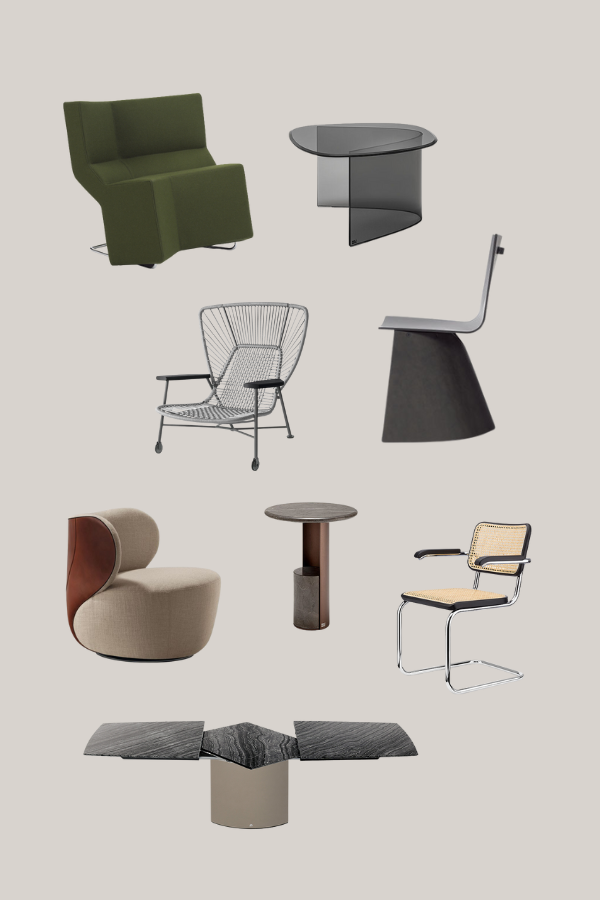
German manufacturers have historically treated furniture as a carefully engineered extension of architecture rather than a purely decorative element. The brands discussed here operate across private residences, corporate environments, and cultural institutions, often combining luxury with functional performance rather than separating the two.
Some companies maintain slower, craft-based production methods, while others operate on a larger industrial scale. What connects them is a shared commitment to structural integrity, material quality, and coherence across their collections.
Written by the DesignDash Editorial Team
Our contributors include experienced designers, firm owners, design writers, and other industry professionals. If you’re interested in submitting your work or collaborating, please reach out to our Editor-in-Chief at editor@designdash.com.
Related Posts

Digital Marketing for Creative Businesses: A Comprehensive Guide
LIKE 0 LEAVE COMMENT 0 18 min read Summary Reflection Questions Journa
Five Female Interior Designers in Miami to Follow in 2025
Miami’s design scene is hot and these five women are on fire. Read p

From Concept Models to Construction: Best Beginner 3D Printers for Architects
With user-friendly designs and advanced features to try as you get mor
Japandi Interior Design: The Perfect Blend of Japanese and Scandinavian Style
LIKE 0 LEAVE COMMENT 0 10 min read Summary Reflection Questions Journa
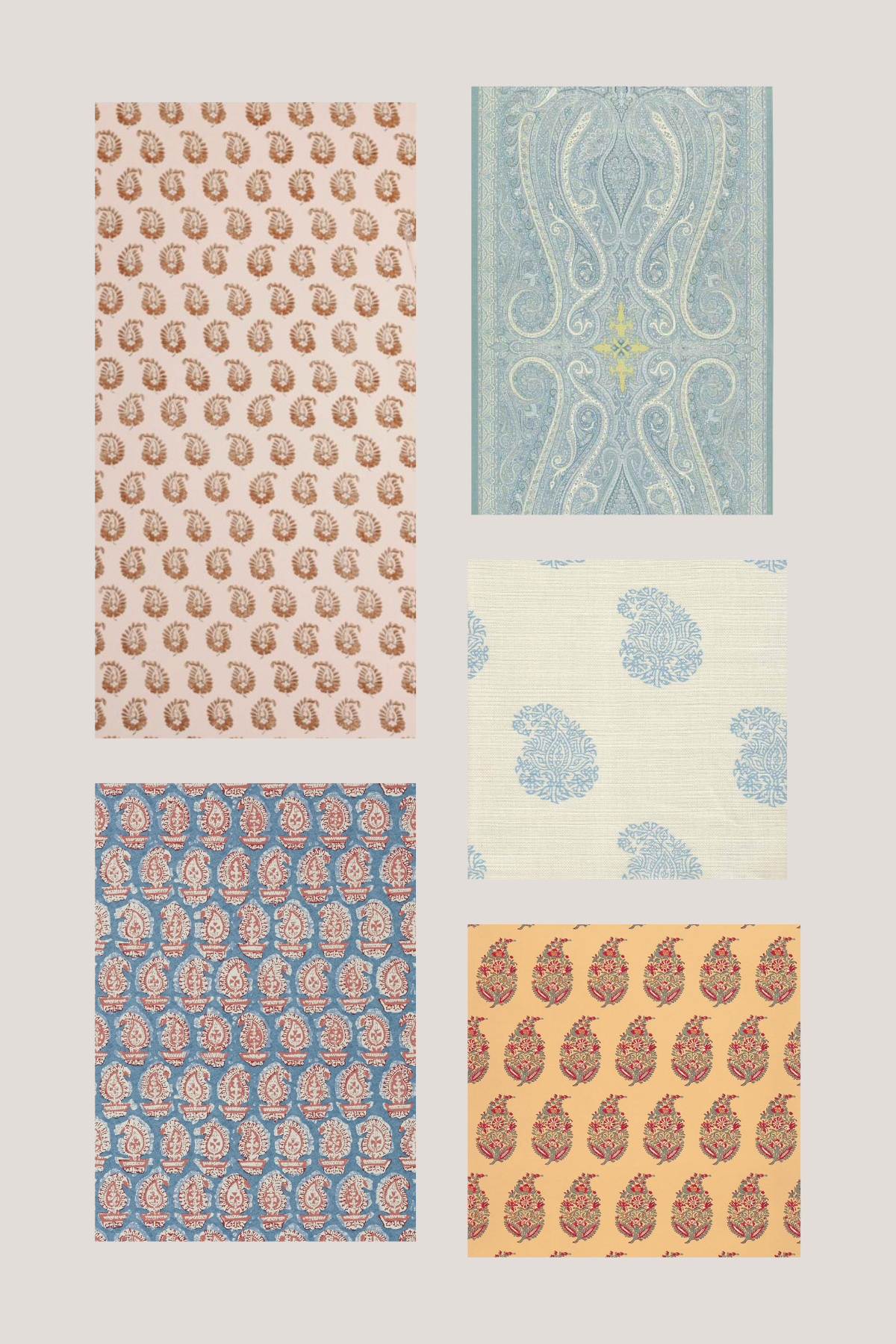
Paisley Print Wallpapers Inspired by the Ancient Persian Symbol
From Persian boteh origins to today’s wallcoverings, we trace the pr

Three Takeaways from Episode 97: What To Do With a Client Who Won’t Stop Revising?
Laura Umansky and Melissa Grove share three lessons on handling client