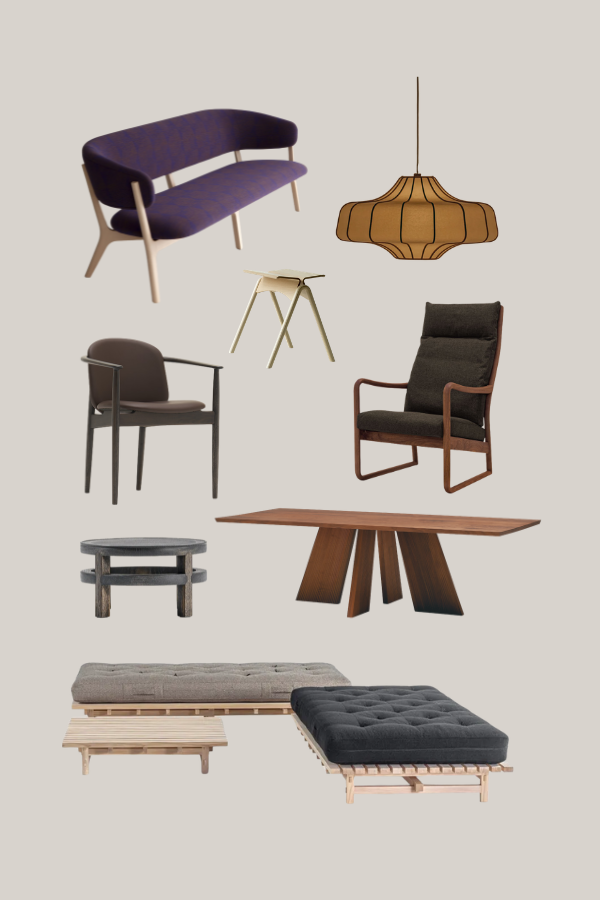
10 Japanese Furniture Brands Redefining Minimalism & Material

 0
0
 0
0Summary
Japanese furniture manufacturing developed through woodworking traditions, regional craft knowledge, and close relationships between furniture and architecture. Many companies emphasize precision joinery, material transparency, and long production timelines rather than rapid stylistic change. The brands below illustrate how Japanese makers approach luxury through craftsmanship, technical control, and careful attention to proportion. Whether you’re a homeowner excited to shop for furniture or a designer sourcing dining tables, bedroom furniture, coffee tables, or something else for clients, these Japanese furniture brands will bring nature, functionality, serene beauty, and something truly special to your space. There’s a reason Japanese furniture is acclaimed for its timeless appeal; because it truly is timeless!
Reflection Questions
How often do material sourcing and fabrication methods influence your furniture selections?
When evaluating furniture quality, what details do you look for first: joinery, finish, or structural construction?
Which manufacturing philosophies align most closely with how you think about longevity in interiors?
Journal Prompt
Choose one furniture piece you recently specified or purchased. Research where it was made and how it was constructed. Write about whether that knowledge changes how you evaluate its value.
Japanese furniture design developed alongside architecture rather than apart from it, which is part of what makes it so easy to integrate into today’s interiors. In Japan, traditional interiors relied on adaptable layouts, low furnishings, and carefully-measured proportions. Furniture had to coexist with sliding partitions, tatami dimensions, and changing spatial use throughout the day. Those conditions influenced how Japanese manufacturers approached scale and construction decades before minimalism took over global design.
Contemporary Japanese brands continue working within that lineage, although production methods now combine handcraft with advanced machining to increase scale due to global demand. Still, many companies operate their own factories, control timber selection, and maintain long relationships with regional craftspeople.
Below are ten Japanese furniture brands whose work continues to influence minimalist interiors through craft, engineering, and materiality.
Japanese Influence in American Luxury Furniture Design
Japanese design principles entered American furniture culture largely through the work of world-renowned architects and studio craft movements in the mid-twentieth century. Increased cultural exchange after World War II exposed American designers to Japanese woodworking traditions, spatial restraint, and approaches to material use that emphasized construction and proportion over decoration in furniture making.
Of course, we can’t help but point to George Nakashima Woodworkers when talking about material richness and Japanese influence. Nakashima studied and worked in Japan early in his career, where he learned traditional carpentry methods that later shaped his Pennsylvania studio. Still produced today, his furniture reflects that training through hand-selected natural wood slabs, visible joinery, and a philosophy centered on respect for natural materials. Japanese influence also appears in Herman Miller’s legacy, particularly through Charles and Ray Eames and Isamu Noguchi, both of whom engaged directly with Japanese craft and design culture. Their work helped introduce ideas about structural clarity and material honesty into American modern furniture production.

These exchanges developed gradually and continue today through collaborations, exhibitions, and shared craft traditions. American and Japanese makers are still creating furniture that wows users through its sleek, stunning design while easily lasting through everyday use. With that said, let’s take a look at ten incredible Japanese furniture brands.
10 Japanese Furniture Brands Redefining Luxury in Minimalist Interiors
Karimoku Case
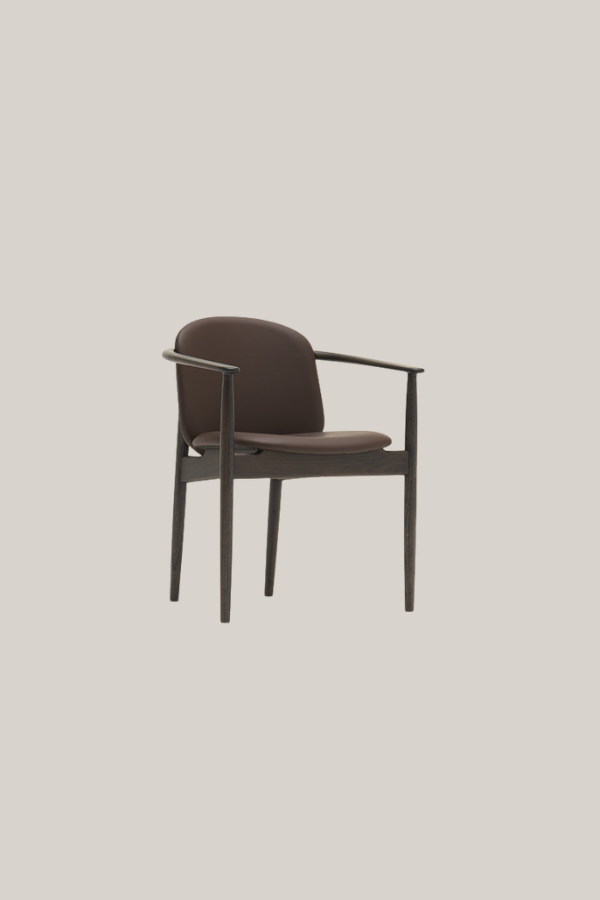
Karimoku originated in Aichi Prefecture during the 1940s as a woodworking supplier producing components for other manufacturers. Over several decades, the company invested heavily in machinery, drying facilities, and precision fabrication systems. Eventually, it transitioned into full furniture production under its own name. The company’s philosophy centers on internal manufacturing control. That approach allows consistent quality across large production runs while maintaining strong craft standards.
Karimoku Case Study represents a later initiative developed in collaboration with architects including Keiji Ashizawa and Norm Architects. Each collection begins with an architectural context rather than a standalone product idea. Furniture dimensions, wood finishes, and upholstery selections are developed as part of a broader spatial concept. Oak and walnut are commonly used and finished in subdued tones that emphasize grain rather than surface sheen. The company also highlights long product lifecycles and repairability as central to its manufacturing approach.
Maruni
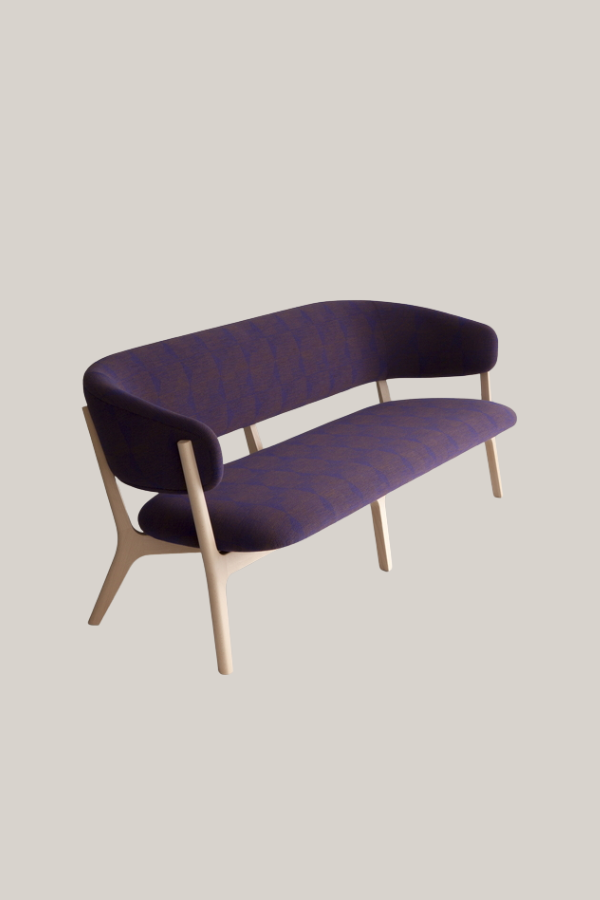
Maruni was founded in Hiroshima in 1928 and initially produced traditional wooden furniture before gradually incorporating modern industrial techniques. Later changed from Showa Bentwood Factory to “Maruni Wood Industry, Inc.” in 1933, the company gained international recognition through its collaboration with designer Naoto Fukasawa, whose work aligns closely with Maruni’s focus on clarity and restraint.
Manufacturing takes place primarily in Japan. Maruni combines machine precision with extensive hand-finishing throughout production. The brand pays particular attention to edge detailing and surface transitions. Chairs often feature subtly rounded profiles created through repeated sanding and finishing processes. Maruni also references historical European furniture traditions while adapting proportions to Japanese spatial sensibilities. Developed with Fukasawa, the Hiroshima chair embodies this balance between international modernism and regional craft heritage.
CondeHouse
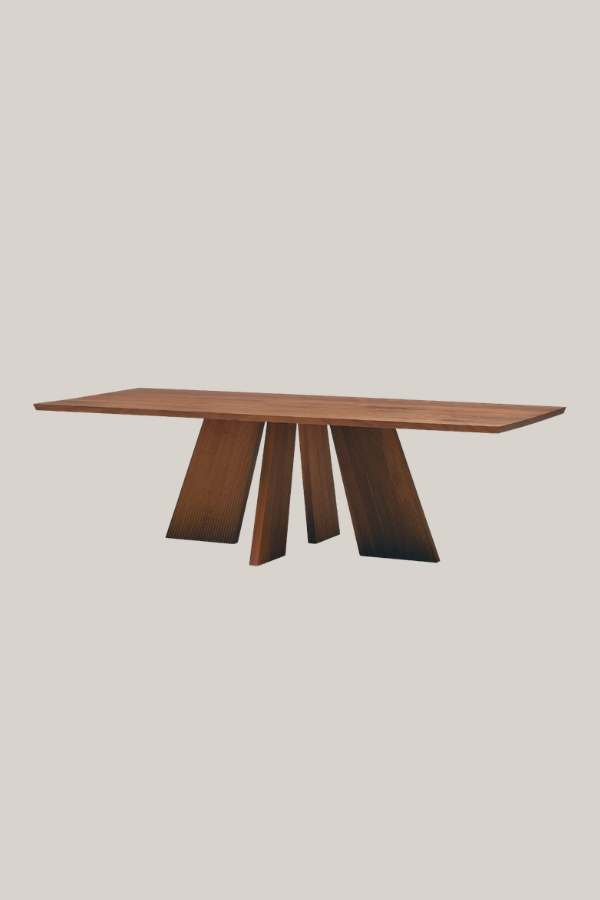
CondeHouse operates from Asahikawa in Hokkaido, which is for woodworking due to its access to northern forests. Established in 1968, the company focuses on solid wood furniture produced almost entirely within its own facilities. Timber sourcing plays a central role in its identity. Wood undergoes careful drying processes to stabilize material before fabrication begins.
Fuel your creative fire & be a part of a supportive community that values how you love to live.
subscribe to our newsletter
*please check your Spam folder for the latest DesignDash Magazine issue immediately after subscription

The company collaborates with both Japanese and international designers while maintaining strict production standards. Chairs undergo ergonomic testing during development, and prototypes are refined repeatedly before entering production. CondeHouse emphasizes durability alongside comfort. Joinery techniques and long-term structural performance receive particular attention. The catalog includes dining furniture, seating, and storage pieces defined by measured proportions and carefully finished surfaces.
Time & Style
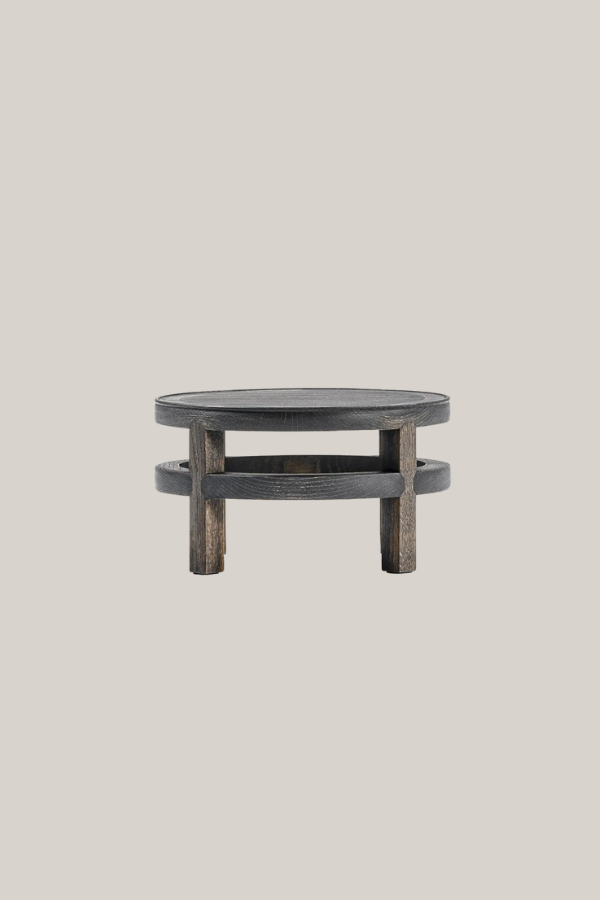
Founded in Tokyo in 1990, Time & Style operates across furniture, lighting, interior products, and architectural projects. The company maintains workshops throughout Japan where traditional craft techniques continue alongside contemporary manufacturing processes.
Material authenticity plays a central role in production. Woods are finished using methods that preserve texture rather than conceal it. Metalwork and textiles are produced through partnerships with specialized regional makers. Company documentation frequently references Japanese craft heritage, including lacquer work and traditional joinery practices. Forms remain contemporary, while production volumes are comparatively limited.
Masterwal
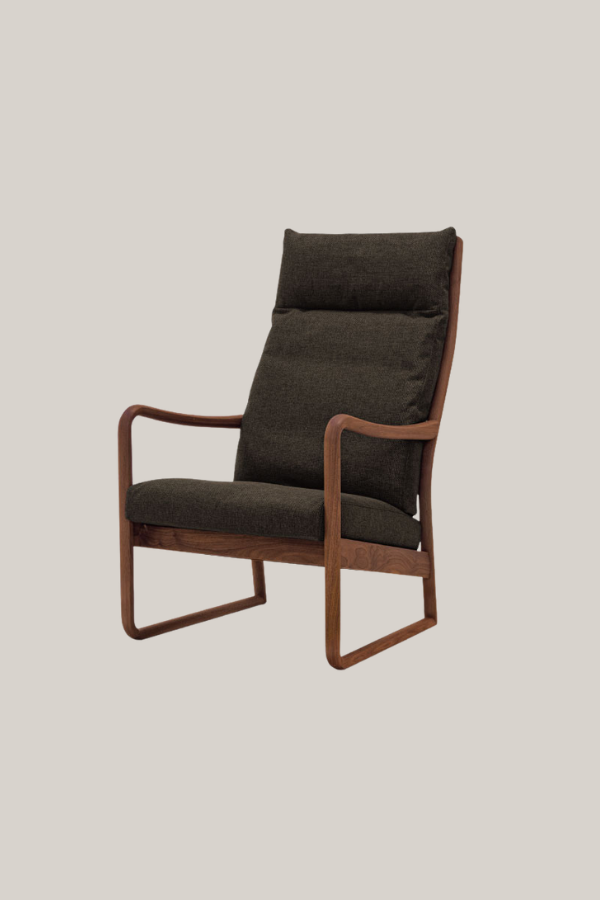
Masterwal began in Okayama and built its identity around walnut furniture designed for daily use over long periods. The brand name references “master walnut.” The name reflects the company’s focus on a single primary material and the natural variations found within solid timber.
Production emphasizes solid wood construction and modular furniture systems. Tables and seating incorporate replaceable components. This allows repair instead of replacement when wear occurs. Upholstered pieces combine wood frames with tailored cushions. Structural clarity and comfort are addressed together. Masterwal places strong emphasis on longevity. Many products are intended to age visibly through use rather than retain an untouched appearance.
Ariake
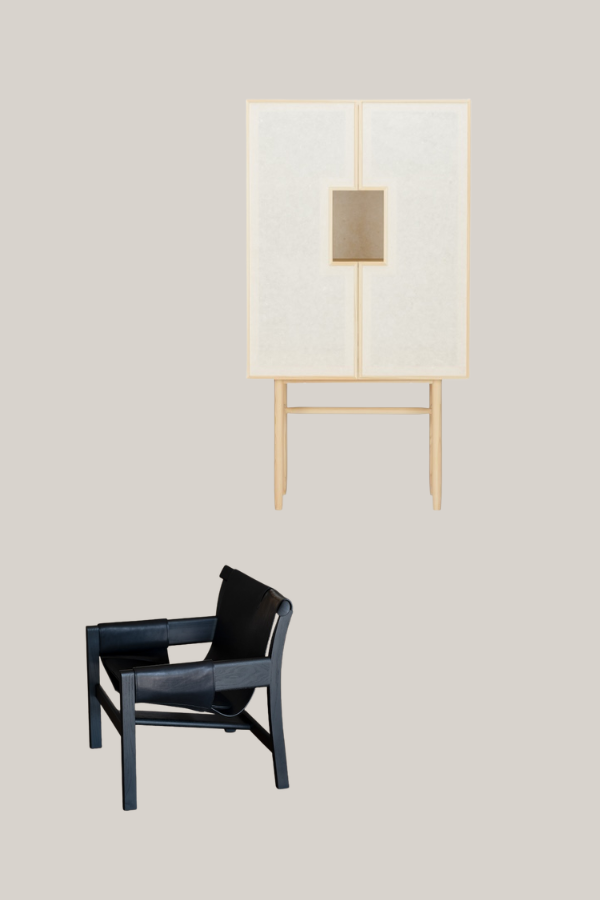
Ariake was established through collaboration between two Japanese manufacturers, Legnatec and Hirata Chair. The brand launched internationally with collections created by designers from Japan, Scandinavia, and Europe. These collaborations reflect an exchange between Japanese craftsmanship and contemporary global design perspectives. You can see the impact of multiple cultures in products like their Kite Cabinet and Sedai Chair.

All production takes place in Saga Prefecture, where woodworking traditions extend back generations. Ariake furniture emphasizes precise joinery and careful proportioning. Designers work closely with factory teams throughout development. The company documents manufacturing processes from timber selection through finishing. This transparency forms a central part of its identity. Collections include seating, tables, and storage pieces defined by restrained detailing and refined construction methods.
Hida Sangyo
Hida Sangyo traces its origins to 1920 in the mountainous Hida region, an area historically associated with skilled carpentry. The company initially produced bentwood furniture inspired by European techniques. Over time, it developed an approach rooted more deeply in Japanese woodworking traditions.
The manufacturer places strong emphasis on sustainable forestry and responsible timber use. Wood grain is treated as a defining feature rather than a flaw to conceal. Craftspeople shape components to follow natural fiber direction. This improves durability and highlights material character at the same time. Many pieces incorporate complex joinery refined through decades of experimentation. Production continues domestically. CNC machining supports early fabrication stages, and extensive hand-finishing completes each piece.
Miyazaki Chair Factory
Miyazaki Chair Factory operates on a smaller production scale compared with many global manufacturers. Founded in 1969, the company collaborates closely with independent designers including Kai Kristiansen and Inoda+Sveje. These partnerships focus on seating defined by craftsmanship and ergonomic comfort.
Each chair moves through multiple hand-finishing stages. Craftspeople shape, sand, and assemble components by hand. The company frequently documents production processes and emphasizes collaboration between designer and maker. Joinery remains visible in many pieces. Construction techniques therefore contribute directly to visual identity. Production volumes are intentionally limited. This approach allows close quality control throughout fabrication.
Nissin Furniture
Founded in 1946 in Gifu Prefecture, Nissin Furniture developed alongside Japan’s postwar manufacturing expansion. The company specialized early in lightweight wooden seating designed for durability and everyday use.

Nissin integrates modern machinery with traditional woodworking knowledge. Steam bending and precision shaping techniques create curved components while maintaining structural strength. Chairs undergo testing for repeated daily use. Production emphasizes consistency across manufacturing runs. The company exports internationally and maintains domestic production facilities focused on reliability and craftsmanship.
Ritzwell
Ritzwell was established in Fukuoka in 1992 and focuses on upholstered furniture combining woodworking with leather craftsmanship. Their manufacturing is still conducted almost entirely in Japan instead of outsourcing elsewhere. Clearly, the company oversees material sourcing closely. Leathers and textiles are selected for their ability to develop character over time.
Furniture production blends hand assembly with modern fabrication technology. Frames are constructed for durability. Upholstery processes emphasize tailoring precision. Ritzwell frequently highlights tactile material qualities in its product documentation. Furniture is described as objects intended to age gradually through daily interaction. Collections include sofas, lounge chairs, and tables defined by measured proportions and carefully finished surfaces.
Final Thoughts on Japanese Minimalist Furniture
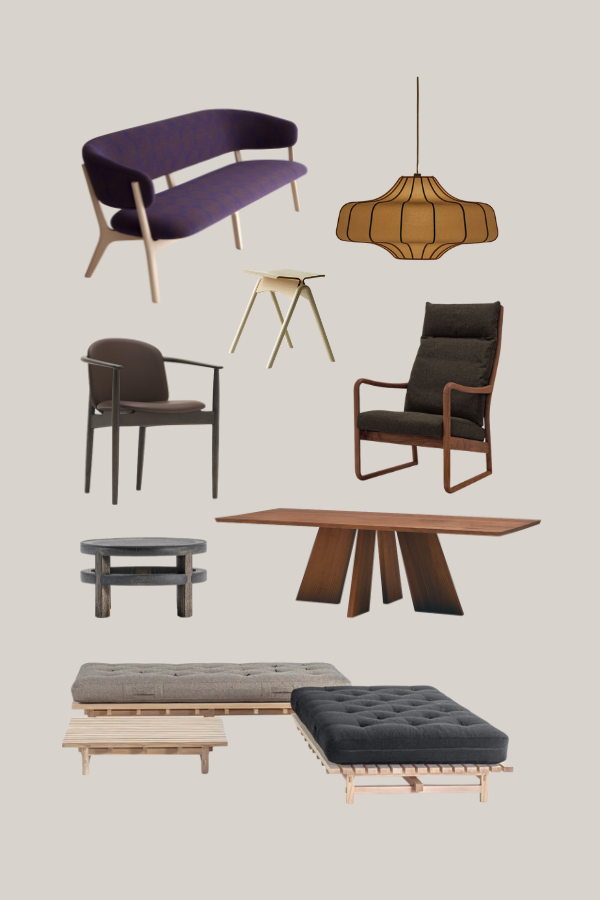
Japanese furniture manufacturing reflects long-standing relationships between craft, architecture, and material knowledge. Many of these companies maintain domestic production despite global demand, investing in skilled labor and slower fabrication timelines. That commitment influences both quality and longevity.
Across these brands, differences certainly exist in scale and philosophy. Some emphasize architectural collaboration, others prioritize regional craft heritage or material specialization. Taken together, they illustrate how minimalist furniture can carry technical complexity beneath restrained forms and how that approach is shaped through decades of refinement rather than rapid reinvention.
Written by the DesignDash Editorial Team
Our contributors include experienced designers, firm owners, design writers, and other industry professionals. If you’re interested in submitting your work or collaborating, please reach out to our Editor-in-Chief at editor@designdash.com.
Related Posts

What is Fractional Real Estate Investing, and Is It Truly Accessible?
Let's explore the mechanics of fractional real estate investing, outli

Counting Down Our Most Listened-To Episodes of 2025: Jamie Young
On the DesignDash Podcast, enjoy Jamie Young's insights on building a
Staging Spaces: Should You Diversify into Real Estate Staging or Stick to Interior Design?
LIKE 0 LEAVE COMMENT 0 6 min read Summary Real estate staging offers i

Your Guide to Buying Property in France as an American
Buying property in France is a dream that many American women entertai

Behind (Some) Great Women: The Supportive Partners of History’s Leading Ladies
While many women succeeded on their own and in spite of the views held

Legal Tips for Interior Design Businesses
LIKE 0 LEAVE COMMENT 0 8 min read Summary Reflection Questions Journal