Remodeling Costs in 2026: How Designers Can Explain to Clients

 0
0
 0
0Summary
Renovation costs in 2026 are shaped by a combination of structural economic forces rather than a single price increase. Material costs have stabilized but remain elevated after the inflation surge earlier in the decade. Skilled labor shortages continue to push construction costs upward, and global supply chains still influence pricing for many building components.
At the same time, remodeling demand remains strong due to aging housing stock and the mortgage rate lock-in effect keeping homeowners in place. For interior designers, this environment requires a new level of client communication. Renovation budgets now need to be explained within the broader context of labor markets, materials sourcing, and contractor coordination so clients can understand why costs behave the way they do.
Reflection Questions
How effectively does your firm explain renovation cost drivers to clients early in the design process?
Are conversations focused only on project budgets, or do they also address the economic factors influencing those budgets?
Where in your process do you clarify the role of labor coordination and construction sequencing?
Do clients understand that trades, scheduling, and fabrication logistics contribute significantly to renovation costs?
How does your firm prepare clients for cost variability during the design phase?
Are material selections and specification decisions framed as financial choices as well as aesthetic ones?
Journal Prompt
Think about the last renovation project where a client expressed surprise about construction costs. What part of the process created the misunderstanding?
Write about how your firm currently explains renovation economics during the early stages of a project. Then consider whether your onboarding materials, proposals, or design presentations could better connect client goals with the realities of labor markets, material sourcing, and contractor coordination.
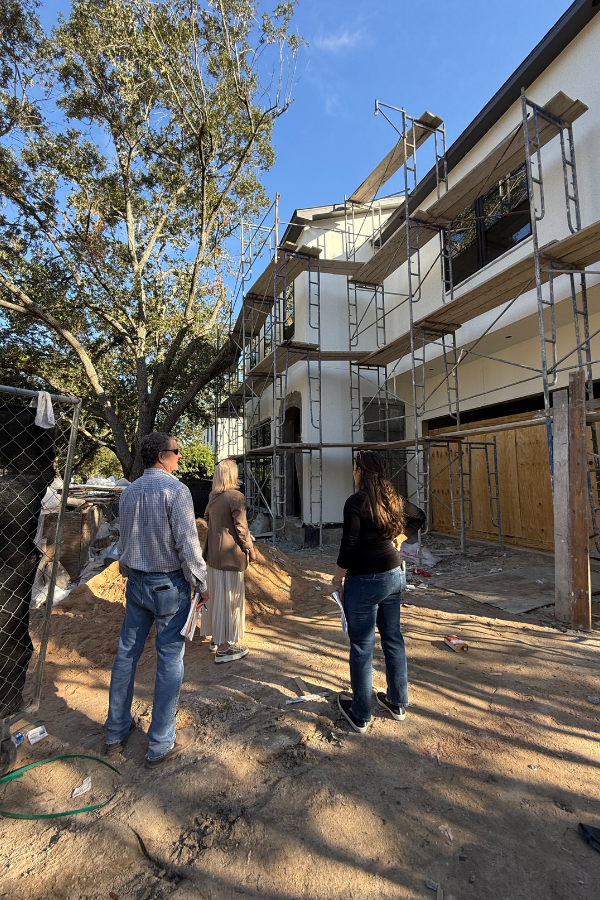
Designers working on residential renovation projects in 2026 are operating within a construction environment that has changed considerably during the past several years. The rapid expansion of home improvement activity during the pandemic building boom placed unusual pressure on materials, labor availability, and contractor capacity. Those pressures altered construction pricing across the residential market.
While some of those conditions have eased, the renovation economy has not returned to its earlier baseline. Many materials that rose sharply between 2020 and 2022 remain elevated. Skilled trades continue to operate at high demand levels. Financing conditions have also changed as interest rates moved away from the historic lows that defined the early pandemic years.
Clients often arrive at the beginning of a renovation process with an awareness that construction costs have increased. What they frequently lack is a clear understanding of the forces behind those increases. Designers now spend more time placing renovation budgets within the context of labor markets, supply chains, and housing conditions.
Understanding these dynamics allows designers to guide renovation conversations more effectively. It also helps clients approach the process with expectations grounded in the realities of the current construction landscape.
How Remodeling Costs Are Changing in 2026
Construction Costs Have Stabilized at a Higher Baseline
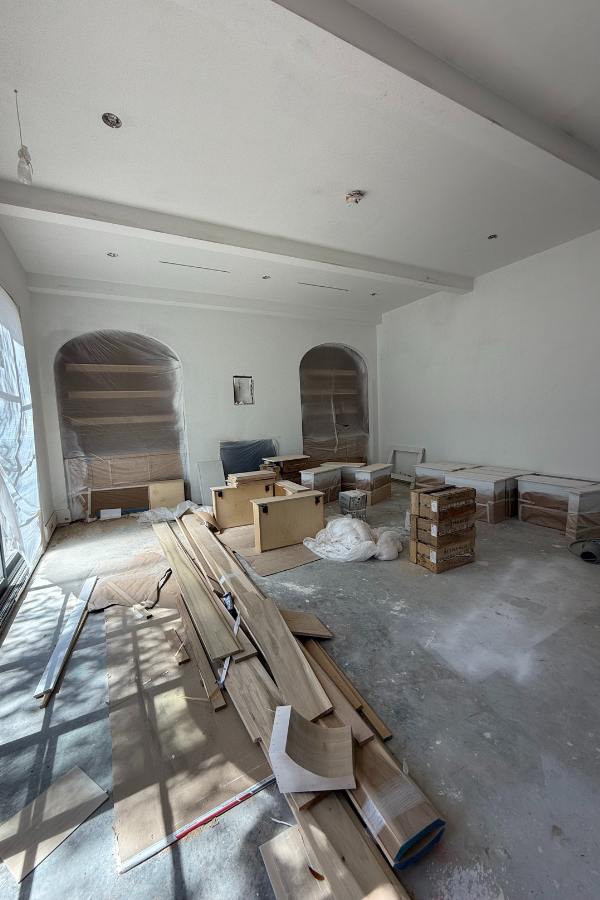
One of the defining characteristics of the current construction environment is the shift that occurred during the inflation surge earlier in the decade. Construction materials rose rapidly between 2020 and 2022 as supply chains struggled to meet the sudden increase in renovation and building activity. Lumber, metals, insulation, and mechanical systems all experienced dramatic price increases.
Those conditions have moderated. Supply chains have improved for many common materials, and the pace of price escalation has slowed. Stabilization, however, does not mean that pricing has returned to earlier levels.
Economic data suggests the market has entered a period of slower growth rather than declining costs. In an interview for Urban Land from January 2026, economists noted that national construction costs increased roughly 2.8 percent year over year while materials inflation cooled compared with the earlier surge.

Economists observing the industry often emphasize that construction pricing behaves differently than consumer markets. Once materials rise sharply due to supply disruption or demand spikes, those increases tend to establish a new baseline. Christopher Thornberg, founding partner of Beacon Economics, noted in the same Urban Land outlook that construction material costs rose far more quickly than consumer prices during the inflation period and have not returned to their earlier levels.
For designers discussing renovation budgets with clients, this distinction is important. Clients sometimes assume that inflation cooling in the broader economy will eventually lead to lower construction estimates. Current conditions suggest a more gradual pattern in which pricing stabilizes rather than declines.
Labor Availability Continues to Shape Renovation Budgets
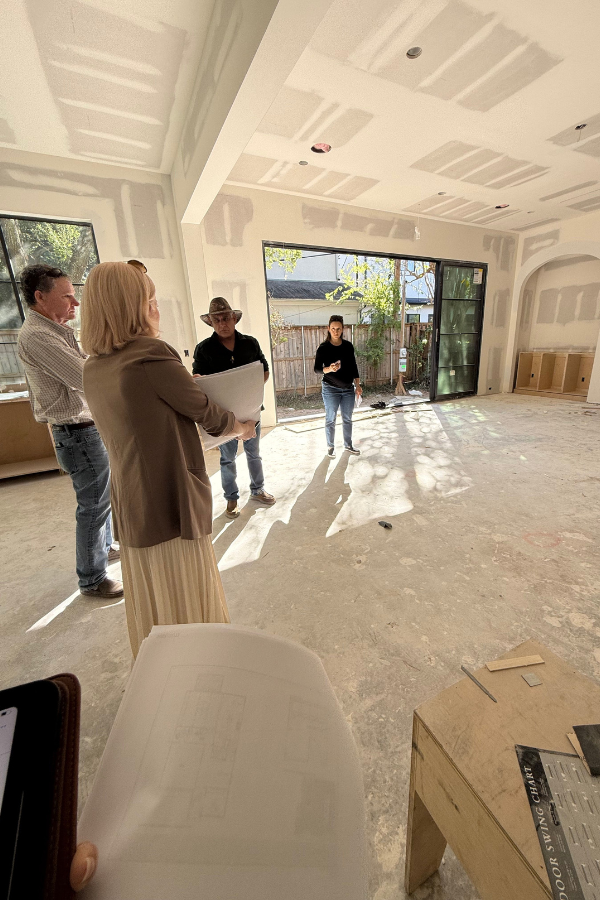
While material pricing often receives the most public attention, labor availability remains one of the most influential factors in renovation budgets. Skilled trades across the residential construction industry continue to operate under high demand conditions.
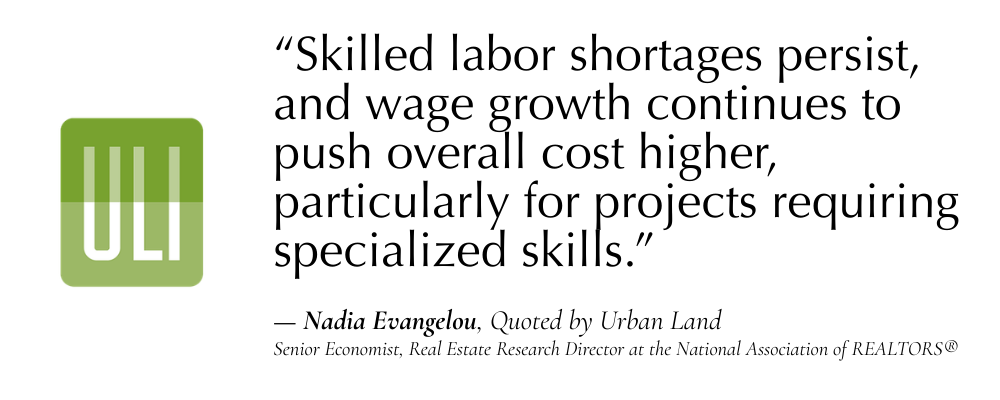
Electricians, finish carpenters, tile installers, and other specialized trades require years of training and experience. The supply of these professionals has not kept pace with the long-term demand for construction work. In the Urban Land economist outlook, Nadia Evangelou, senior economist and director of real estate research at the National Association of REALTORS®, explained that although materials inflation has moderated, skilled labor shortages continue to place upward pressure on construction costs.
Labor conditions influence renovation projects in several ways. Wage growth affects contractor pricing directly. At the same time, scheduling constraints can extend construction timelines when trades must sequence their work around existing commitments. Designers coordinating renovation projects frequently account for these factors while working with contractors and builders. Labor availability often shapes both the cost structure and the pacing of a project.
Fuel your creative fire & be a part of a supportive community that values how you love to live.
subscribe to our newsletter
*please check your Spam folder for the latest DesignDash Magazine issue immediately after subscription

Tariffs and Global Supply Chains Continue to Influence Material Pricing
Residential renovation projects depend on a wide range of materials and manufactured components. Many of these products move through international production networks before arriving at U.S. job sites.
Lighting fixtures, plumbing fittings, appliances, decorative hardware, stone surfaces, and specialty tiles frequently involve global supply chains. Changes in trade policy, tariffs, or shipping conditions can therefore influence pricing across several categories simultaneously.
Economists tracking the construction sector continue to observe volatility in certain commodities even as overall inflation moderates. In the same Urban Land outlook, analysts noted that copper increased more than thirty percent year over year, affecting electrical and mechanical systems used in building projects.
Tariff adjustments and import costs do not typically appear as a single dramatic price increase. Instead, they tend to emerge through a series of smaller vendor adjustments or revised contractor estimates. Designers specifying materials for renovation projects often monitor these shifts while balancing aesthetic goals, technical requirements, and client budgets.
Remodeling Demand Continues to Grow
Despite rising construction costs, renovation activity remains one of the strongest sectors within the residential housing market. Several long-term trends continue to support remodeling demand across the United States.
One of the most significant drivers is the age of the American housing stock. According to National Association of Home Builders economist Eric Lynch, the average home in the United States increased from thirty-one years old in 2006 to approximately forty-one years old by 2023. As homes age, structural systems like roofing, plumbing, electrical infrastructure, and HVAC equipment require maintenance, repair, or replacement.
Mortgage conditions also play a role in renovation demand. In an article for Forbes from March 2026, Jennifer Castenson writes that while remodeling costs have risen in recent years, the mortgage rate lock-in effect is still at play. This combination of aging homes and reduced mobility within the housing market has strengthened the role of renovation within residential investment. Industry data shows that remodeling activity now represents a larger share of housing spending than it did two decades ago.
As Always, Kitchens Capture the Complexity of Renovation Budgets
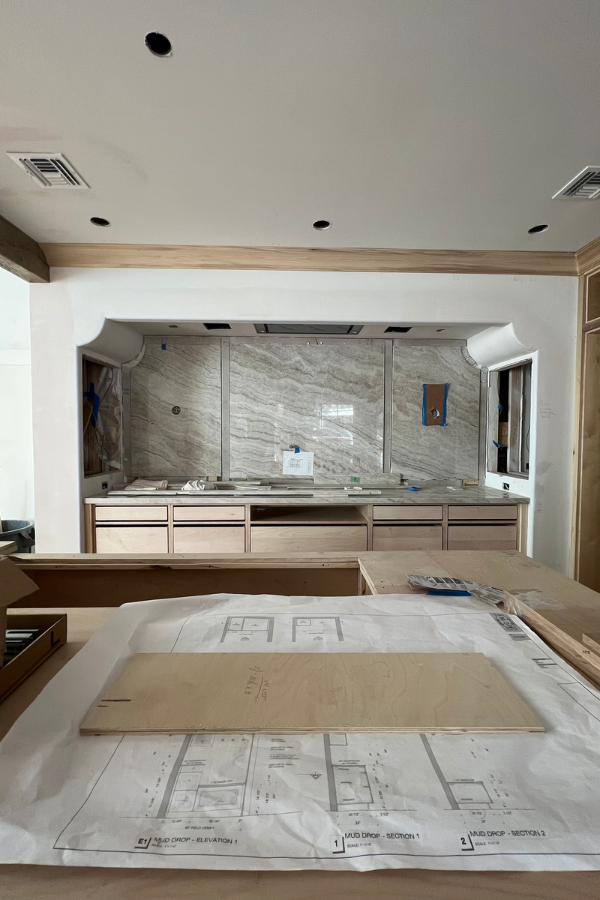
Few spaces demonstrate the layered nature of renovation costs as clearly as the kitchen. The room combines cabinetry fabrication, appliance specification, mechanical systems, finish materials, and lighting within a single space. Each decision introduces a new set of cost variables.
Interior designer Nikki Pulver describes this dynamic in an interview for House Beautiful. “Every single thing you put in there determines the cost,” she explains. Layout changes, appliance selections, countertop materials, cabinetry construction, and lighting specifications all influence the final budget.
It can help to treat the kitchen like a case study when explaining renovation economics to clients. Even relatively small specification changes can affect the overall scope of work. Upgrading countertop materials, altering cabinetry construction, or introducing custom lighting each require different fabrication processes and installation coordination.
Design Coordination and Labor Allocation
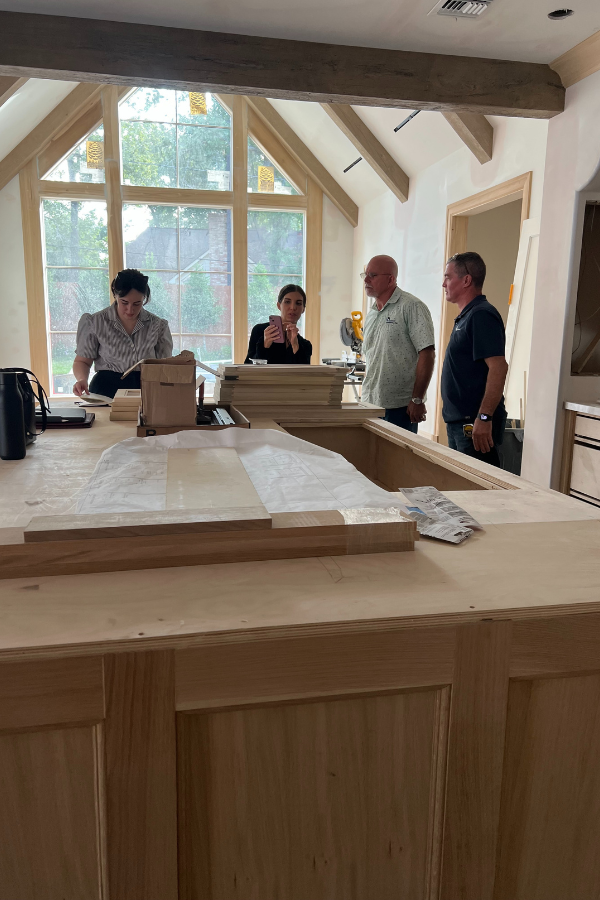
Kitchen projects also illustrate how renovation budgets far exceed materials, which is critical to accurately explain to clients. Cabinetry fabrication, appliance integration, plumbing relocation, electrical coordination, and finish installation all require specialized trades working together in tandem. Managing those relationships is one of the most complex aspects of residential renovation and it’s why a professional design team is so critical.
After all, designers frequently occupy the position that connects these moving parts. Layout planning, cabinetry detailing, appliance specification, lighting coordination, and finish selections must align both visually and technically before construction begins.

Labor also represents a significant share of kitchen renovation budgets. In the same House Beautiful report, designer Sophie Goineau explains that contractor work often represents 15 to 25 percent of the total project cost, covering plumbing, electrical work, cabinetry installation, and other trade coordination.
Material Decisions Drive Major Cost Variation
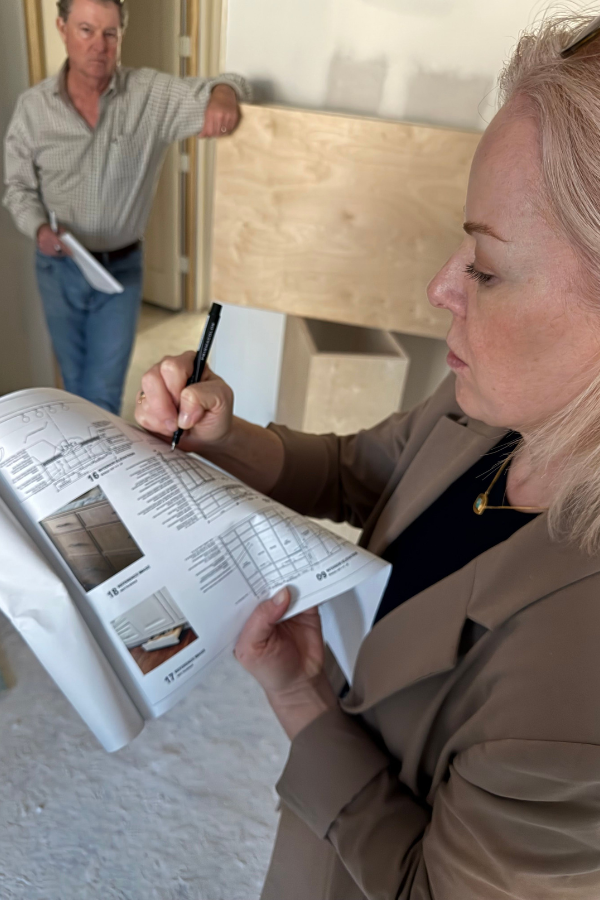
Material specifications introduce another layer of variability, as designers well know. Countertops, flooring, cabinetry construction, and wall finishes can each span wide pricing ranges depending on fabrication methods and material selection.
Stone surfaces illustrate this variation particularly well. Natural materials like marble or quartzite require specialized quarrying, cutting, and finishing processes. In contrast, engineered materials can provide similar visual effects with different production methods and price points. Designers frequently guide clients through these choices while balancing durability, aesthetics, and budget constraints. In kitchens especially, surfaces must withstand daily use while maintaining a cohesive relationship with cabinetry, appliances, and architectural elements.
For this reason, kitchen renovation budgets often evolve throughout the design process. As materials, finishes, and fabrication details are refined, the project begins to reflect the cumulative effect of many small specification decisions rather than a single major expense.
Explaining Renovation Economics to Clients
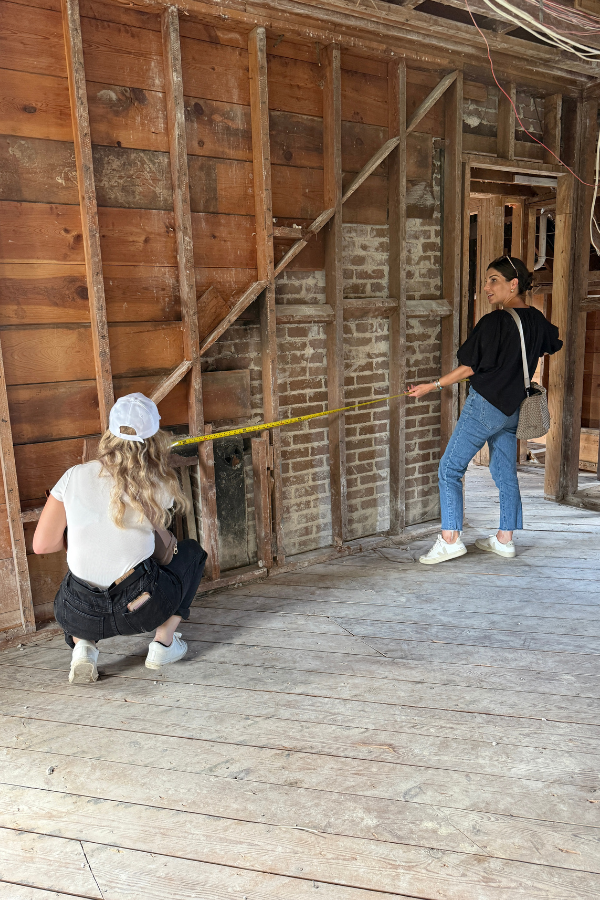
As renovation costs grow more complex, designers act as interpreters of the construction environment for their clients. Budget discussions now involve a lot more than simply presenting estimates for cabinetry or finishes. Clients may arrive with expectations shaped by projects completed many years earlier or by generalized cost estimates found in media coverage. Designers must place those expectations within the broader context of labor markets, material supply chains, and contractor availability.
Renovation Planning in the Current Market
Residential renovation in 2026 reflects the intersection of several economic and industry conditions. Construction pricing has stabilized compared with the rapid increases earlier in the decade, though the overall cost structure is still elevated. Skilled labor shortages continue to influence contractor pricing and scheduling. Global supply chains and tariff adjustments still affect material availability.
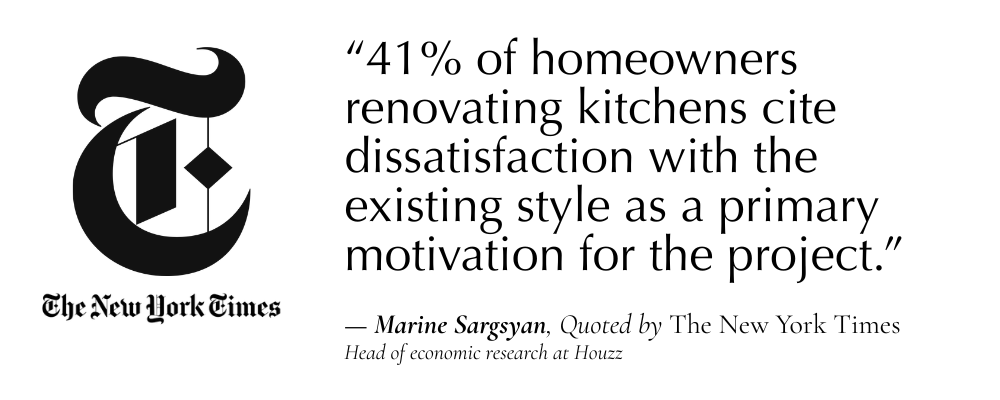
At the same time, long-term housing trends continue to support renovation activity. In an article for The New York Times from March 2026, Rachel Wharton reports that Americans are projected to spend $522 billion on home renovations in 2026, according to the Harvard Joint Center for Housing Studies. Aging homes require ongoing maintenance and modernization, and many homeowners are choosing to improve their existing properties rather than relocate. Motivation for renovation, however, is not purely practical. Many projects still start with aesthetic dissatisfaction or lifestyle changes rather than structural necessity.
Written by the DesignDash Editorial Team
Our contributors include experienced designers, firm owners, design writers, and other industry professionals. If you’re interested in submitting your work or collaborating, please reach out to our Editor-in-Chief at editor@designdash.com.
Related Posts

Just Beneath the Surface: Incredible Underwater Architecture
Dive into a world of wonder with incredible underwater architecture. E

Adaptive & Aesthetic: Ergonomics and Accessibility in Jewelry Design
Here's how adaptive jewelry design can boost inclusivity and keep your

What Is Li-Fi? A New Alternative to Wi-Fi for Data Transmission
Unlike the omnipresent Wi-Fi technology reliant on radio waves, Li-Fi

Seven Floral Interiors to Help You Welcome Spring
From Callie Blanks to French & French, these 7 floral rooms show how d

Stockholm Furniture Fair 2026 Cancellation Announced
Stockholm Furniture Fair and Stockholm Design Week are canceled for 20

Tips for Turning Your Law Degree Into a Creative Career
So you finished law school and passed the bar, but your current career