



How to Be a Better Leader So Your Team Can Do Their Best Work

 0
0
 0
0Summary
Reflection Questions
Journal Prompt
Hiring talented people can help your interior design firm grow, but those hires can only do so much if every decision still runs through you, every important task winds up back on your desk, and you’re judging a productive day by how much work YOU personally finished.
That adjustment can be rough when you’ve spent years doing everything yourself. You already know you can answer the client, fix the drawing, make the selection, solve the purchasing problem, and send the invoice. Handing any of that responsibility to another person means accepting that she’ll probably approach some of it differently than you would.
In Episode 35 of the DesignDash Podcast, Laura Umansky and Melissa Grove talk about the transition from individual contributor to leader and what changes once you’re responsible for other people’s work. The second you hire somebody, part of your job is helping that person succeed. If you want to build a larger team, you also have to stop judging your value entirely by what you can accomplish on your own.
Five Ways to Lead Your Team Better After You Hire
#1 Start Thinking About “We” Instead of “Me”
When you work alone, you can spend most of your day thinking about your own projects and deadlines. You know what needs to happen, you decide how to do it, and you can change course without explaining that decision to anybody else. Once you hire somebody, you also have to think about what that person needs from you in order to do her job well.
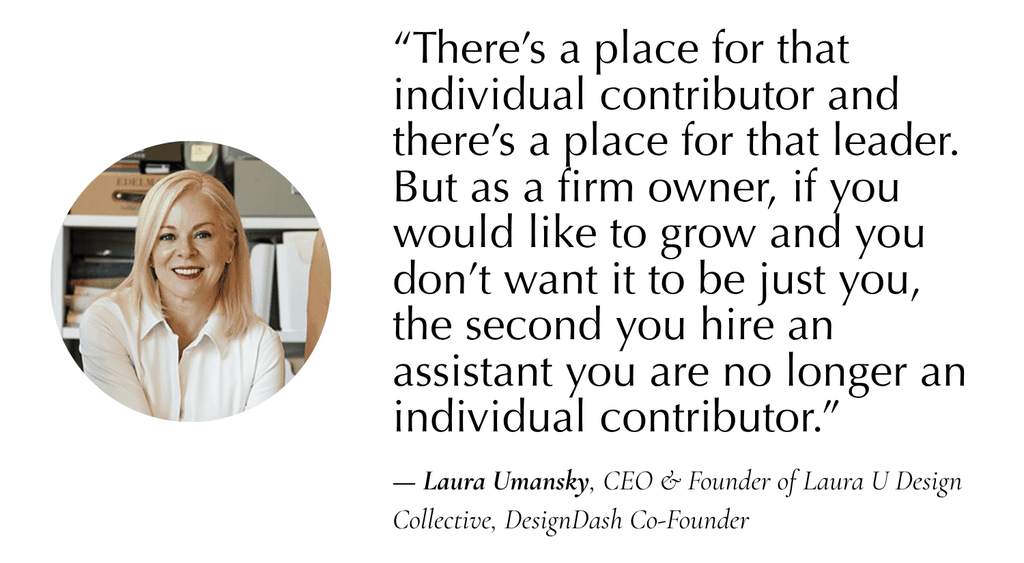
Laura hired her first employee only a few months after launching her business, so she had to make this adjustment VERY quickly. She still spends time deep in certain projects, but she’s spent most of her career leading other people and has seen what happens when an owner hires a team while continuing to work like she’s still on her own.
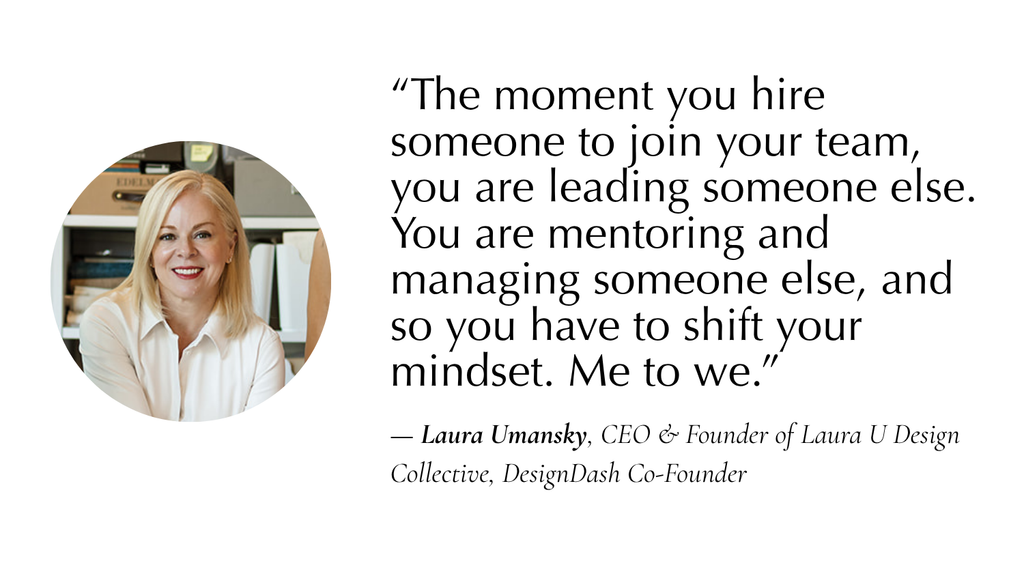
That “me to we” change affects a LOT of little decisions. You can’t automatically grab a task because doing it yourself would take five minutes and explaining it would take fifteen. You also have to think about whether your team has enough information to move forward when you aren’t immediately available.
Ask yourself what your team needs from you to do the work well without checking in every five minutes. Sometimes the answer is better instructions. Sometimes they need a deadline or a quick review. And sometimes they already know what they’re doing and you need to let them do it.

#2 Stop Measuring Your Day by How Much You Personally Finished
Designers are used to producing a lot of different types of work. You can finish a presentation, revise a floor plan, source a room, or solve a detail and know exactly what you accomplished that day. You might even LOVE ticking off to-do list boxes! We certainly do.

But leadership can make the end of the day look a little different. You might spend an hour helping a designer work through a problem, another hour planning who should take on an upcoming project, and part of your afternoon thinking about where your firm needs to go next. None of that gives you a beautiful finished presentation to admire at 5:00, but your team still needed you to do it.
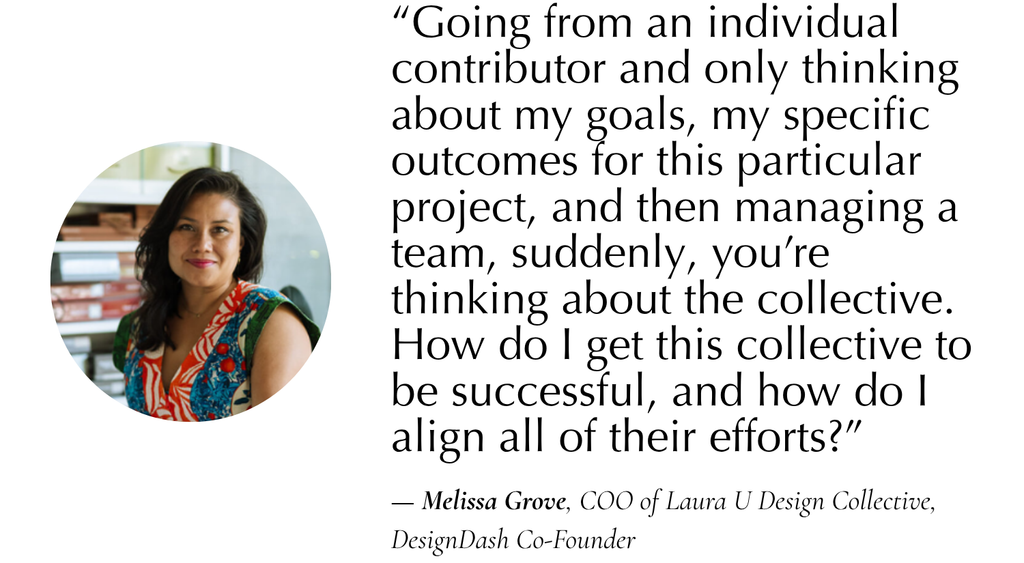
If you keep jumping back into production because it seems more productive than managing, planning, or mentoring, your employees can end up waiting for decisions or trying to work around information they don’t have. Meanwhile, you’re doing work you hired other people to take on.
Put leadership work on your calendar like you would any other responsibility. Staffing, mentoring, planning, reviewing work, and giving people direction all take time. If you keep treating that time like an interruption, you’re going to resent a pretty major part of running a team.

#3 Let Your Employees Make Decisions
One of the fastest ways to waste a good hire is to make her ask you what to do ALL DAY LONG. It happens easily when you’re used to knowing every detail of every project and can answer a question in about thirty seconds.
The problem is what happens after you answer that same kind of question twenty times. Your employee learns that bringing every decision to you is the safest option, and suddenly you have a team but somehow you’re still responsible for every decision.
Melissa has noticed something specific in employees who are ready for more responsibility. They don’t bring a problem to their manager and wait for an answer. They’ve already thought through what should happen next.
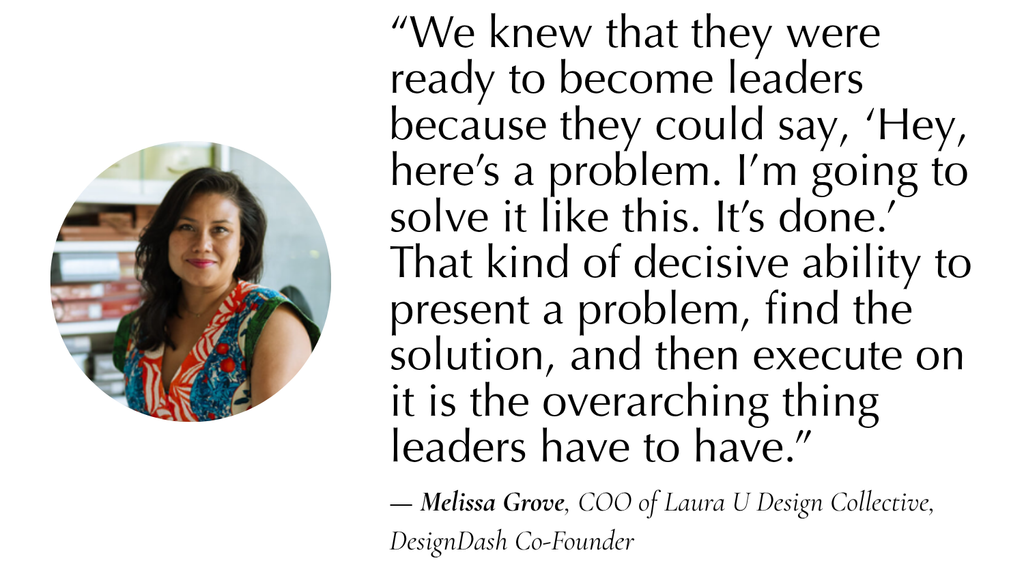
You can encourage that long before somebody has “director” in her title. Ask your employees what they think before giving them your answer. Tell them which decisions they can make on their own, and try not to correct every harmless difference just because you would’ve done it another way.
If you want independent employees, you have to let them make some decisions without you. Otherwise, you’ve hired people to execute your instructions while you keep doing all the thinking, which probably wasn’t the arrangement you had in mind.
#4 Don’t Turn Every Great Employee Into a Manager
Maybe you have an AMAZING designer who understands your clients, produces beautiful work, and solves complicated design problems without much supervision. Naturally, you start thinking about what her next role should be.
Before you promote her into management, ask whether she actually wants to manage anybody. Some people genuinely love concentrating on a specialized area and getting really, really good at it. They might have zero interest in spending half the day reviewing somebody else’s work, answering questions, or dealing with staffing problems.
Laura has also found that undoing one of those promotions can be VERY difficult. Once somebody steps into a management role and hates it, asking her to go back to her previous position can create an awkward situation for everybody.
Talk to people about what they actually want before deciding what their next role should be. A great designer doesn’t need to manage six people to prove she’s progressing. You can give her more responsibility, better projects, higher compensation, or deeper expertise without automatically putting a team underneath her.
Fuel your creative fire & be a part of a supportive community that values how you love to live.
subscribe to our newsletter
*please check your Spam folder for the latest DesignDash Magazine issue immediately after subscription

#5 Protect Time to Think
Leadership can eat an entire day if you let it. Someone needs a decision, somebody else wants feedback, a client has a question, and another employee needs “just two minutes” to run something by you. Somehow those two minutes multiply until it’s late afternoon and you haven’t had half an hour to think about anything without somebody talking to you.
Laura and Melissa both make time for what LUDC calls clarity breaks. The leadership team blocks off time to work without constant questions, think about bigger decisions, and focus on whatever needs more concentration than a normal workday allows.
That time also gives you a chance to think beyond whichever project has the loudest deadline. If you’re responsible for a team, you need some idea of where your firm is going, what you’re trying to build, and what everybody should be working toward over the next several months.
Laura went through a period after COVID when she was burned out and had a hard time thinking about the future of her business. Eventually, she blocked off time specifically to work through the firm’s direction again because plowing through another week of immediate tasks wasn’t helping her figure out what came next.
Protect some time when your team knows not to interrupt you unless something genuinely needs your attention right then. You hired people partly so you could spend less time reacting to every task yourself. Use some of that time to think about what your team is working toward.
Pay Attention to How Well Your Team Is Doing
One of the stranger adjustments in leadership is watching other people do work you used to receive credit for. Your designer might create the presentation everybody loves, your project manager might solve the client problem before you even hear about it, or somebody on your team might come up with an idea that’s better than yours.
That’s a pretty good sign. You hired these people because you wanted them to do excellent work without needing you involved in every detail.
Near the end of the episode, Laura talks about builders complimenting her team and how rewarding that has been after years of developing the people around her. Melissa connects that back to what your job looks like when you’re managing other people.
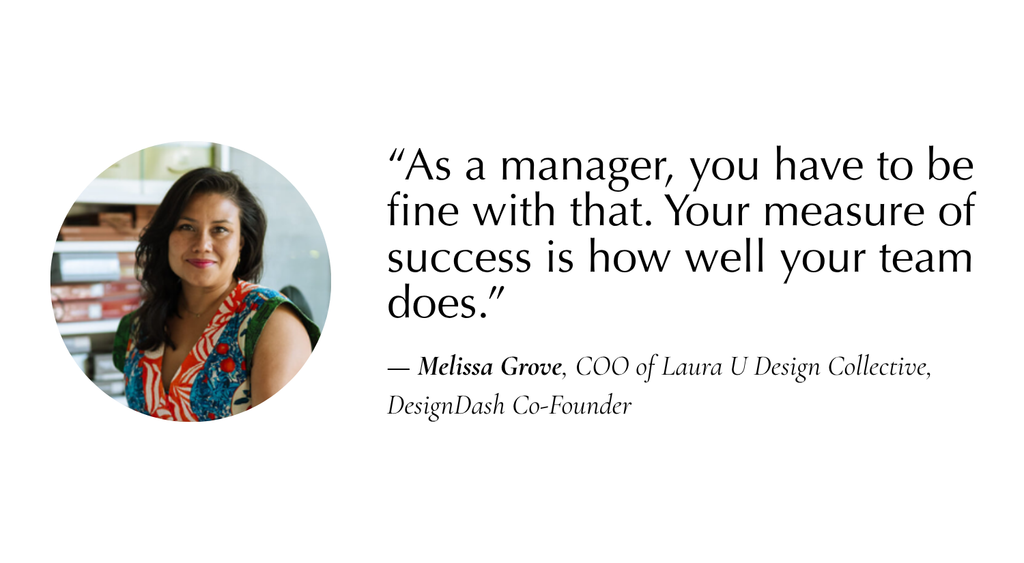
So look at what your employees can do without you. Are they making good decisions? Are they taking responsibility for their projects? Do they know when they need your input and when they can keep going? Are your strongest employees doing work that actually suits them?
You hired people because you couldn’t keep doing everything yourself. Lead them well enough that, eventually, they don’t need you involved in everything either.
Written by the DesignDash Editorial Team
Our contributors include experienced designers, firm owners, design writers, and other industry professionals. If you’re interested in submitting your work or collaborating, please reach out to our Editor-in-Chief at editor@designdash.com.
Related Posts

Takeaways from Our Coaching Session-ish with Alexandra Hartley
Laura Umansky and Melissa Grove coach Alexandra Hartley through hiring

We Have Standards: State-Specific Licensing and Certifications for Interior Designers
Do you need an interior design license? Each U.S. state has its own un

How to Let Go and Delegate Without Losing Creative Control
As an interior design business owner, it can be difficult to let go an

How to Balance Perspectives and Personalities at Your Design Firm
Balance perspectives and personalities so your firm thrives and no one


How to Know When It’s Time to Bring on a Business Partner
Wondering if you should bring on a business partner? Here's how to kno

POST COMMENT
You must be logged in to post a comment.