



Are You Hiring People Who Think Too Much Like You?

 0
0
 0
0Summary
Reflection Questions
Journal Prompt
Hiring somebody you immediately click with can feel like a VERY good sign. She communicates the way you do, approaches problems the way you do, and seems to understand what you mean before you’ve even finished explaining it. The interview is easy; in fact, you just get each other! You can already picture working together.
And sometimes that person is exactly who you need. But sometimes it’s the worst hire you could possibly make.
If everybody on your team has the same instincts, the same work style, and the same blind spots, you can end up with a whole group of people making the SAME mistakes. Maybe everyone loves coming up with ideas and nobody wants to slow down long enough to think through the details. Maybe everybody wants every detail figured out before anything happens, so six people spend three weeks discussing something that could’ve started Monday.
In this episode of the DesignDash Podcast, Laura Umansky and Melissa Grove talk with Kate O’Hara, CEO and creative director of O’Hara Interiors, about growing a design firm across multiple offices and building a team that can work together without everybody approaching the job exactly the same way. Kate’s firm has about 30 people, and one thing she values is what she calls “healthy tension” between team members who naturally approach problems VERY differently.
Think about this the next time you’re preparing for a new team member. You’re adding another person to the way your firm THINKS, and sometimes the person who challenges your natural instincts is exactly who you’re missing.
Five Things to Think About When You’re Hiring the Next Person on Your Team
#1 Stop Looking for Someone Who Works Exactly Like You
It makes perfect sense that we gravitate toward people who work the way we do. If you move quickly, another fast-moving person seems easy. If you love planning everything ahead of time, the candidate with a beautifully organized answer to every interview question probably seems VERY reassuring.
The problem is that your natural work style already exists in the firm. YOU are there.
Kate talks about having people on her team who immediately start looking for possibilities, while other people instinctively think through everything that could go wrong. Neither person has to win. She needs both of them in her business.
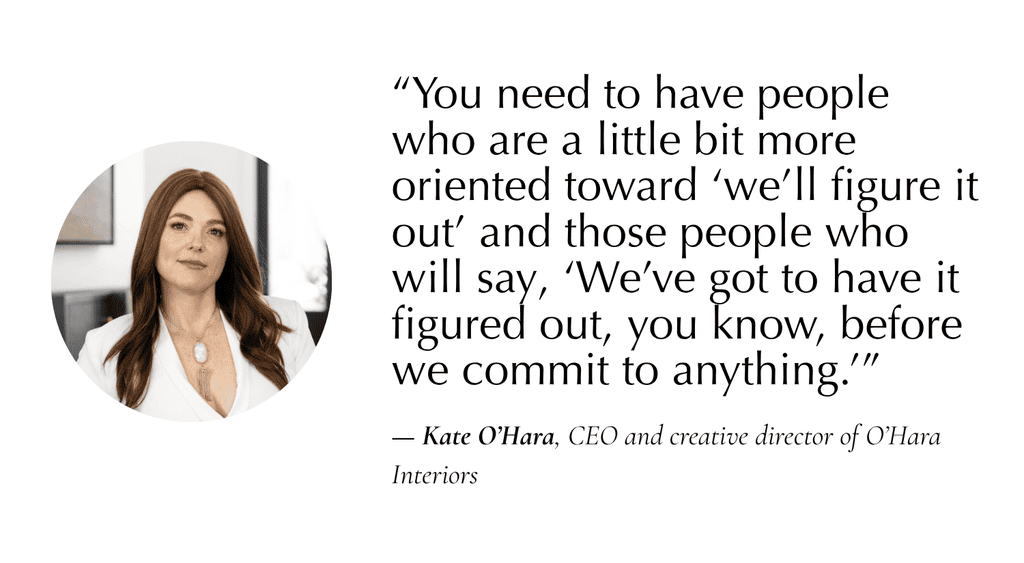
Think about which side you naturally fall on. If your answer to every new idea is “YES, LET’S DO IT,” somebody who asks annoying questions about timing, money, and logistics might save you from yourself occasionally. If you would happily spend another month perfecting the plan, you might need somebody who finally says, “Can we please just start?”
Laura recognizes that dynamic in herself too. She likes planning, but she can also get excited about an idea and decide everybody should just go for it.
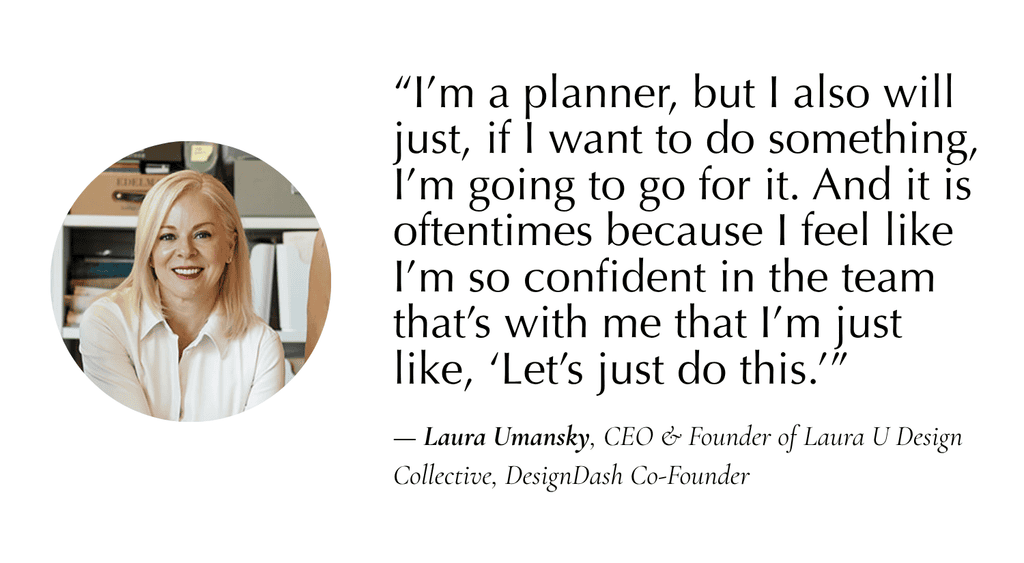
You don’t need your next hire to react to every decision exactly the way you would. You might need the person who notices the thing you ALWAYS forget to think about.
#2 Look at What Your Current Team Is Missing
Instead of starting your next hiring search with a job title, look around at the people you already have.
Who pushes projects forward when everybody else is hesitating? Who slows everyone down when they’re about to make a stupid mistake? Who catches tiny details? Who is comfortable talking to clients when the conversation gets awkward? Who can take a messy idea and make it organized enough for another person to actually use?
Then look at the tasks nobody does particularly well.
This is where hiring for the team can be different from hiring for yourself. You might personally LOVE a candidate because the two of you think almost identically, while your current team desperately needs somebody with a completely different approach.
Kate sees those differences as a normal part of making decisions with a larger group. The planner and the “go for it” person can make each other slightly uncomfortable, which is probably part of why the combination works. Melissa and Laura apparently have plenty of this themselves. When Laura talks about seeing mistakes as opportunities to learn, Melissa has a somewhat different interpretation.
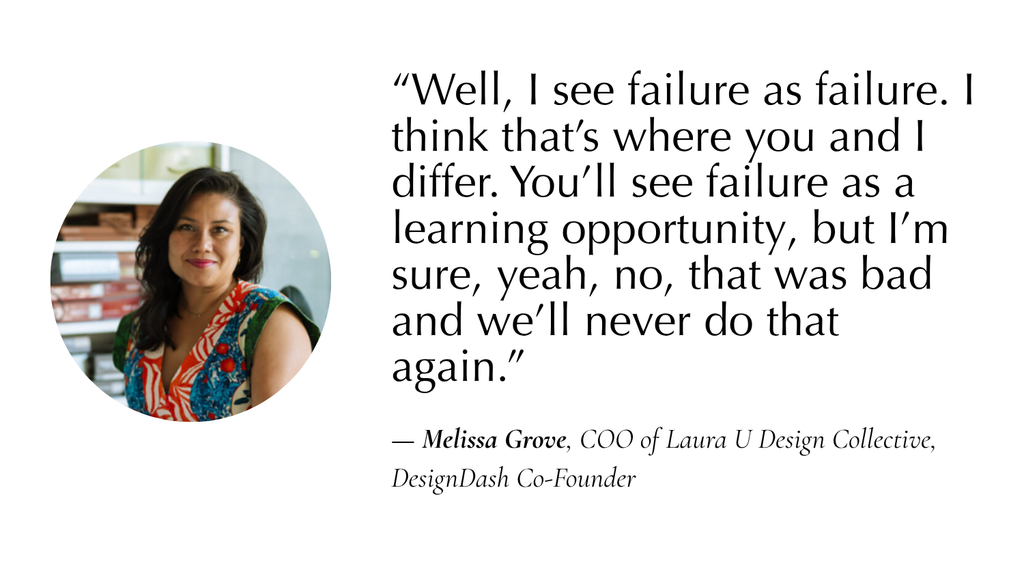
Honestly, you probably want both of those people involved. One keeps everybody willing to try things. The other remembers precisely why we are NEVER doing that one particular thing again.
Before you hire, ask what your team needs more of, not which candidate reminds you most of yourself.
#3 Hire People Who Can Disagree Without Making Everything Weird
Different perspectives are only helpful if people can actually talk about them. Kate has around 30 people working across multiple offices, so somebody is going to misunderstand an email, assume another person knows something, or accidentally create a problem. That part is unavoidable. What she cares about is whether people can ask what happened and fix it without immediately deciding somebody else screwed up on purpose.
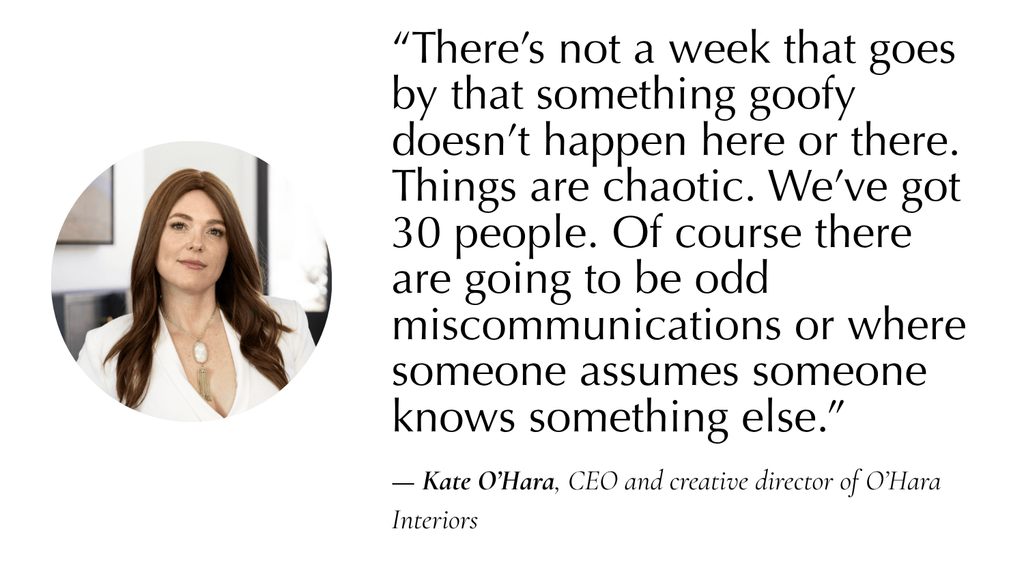
You are eventually going to disagree with this person. Her coworker is eventually going to irritate her. Somebody will give her feedback she doesn’t particularly enjoy hearing. She’ll probably have to fix a mistake that wasn’t entirely hers at least once.
Ask about THAT in the interview.
What happened the last time she disagreed with her boss? How did she deal with a coworker who missed something? Has she ever received feedback she thought was unfair? What did she do next?
Kate also pays attention to how she responds when somebody tells her something she doesn’t want to hear, because getting defensive pretty much guarantees people will stop bringing those things to you.
You want people who can disagree without turning every difference of opinion into a three-day emotional event. You also need to make sure YOU can handle hearing that your brilliant idea has a problem.

#4 Give People Clear Jobs Even If Everybody Pitches In
A collaborative firm can get really messy REALLY FAST if “everybody helps with everything” actually means nobody knows who’s responsible for anything. Laura describes this as “owning” a task.
Kate describes her company O’Hara Interiors as the kind of place where people will absolutely pitch in and do whatever needs to be done. This kind of collaborative environment is a beautiful culture, but it’s not always as productive as it seems. Kate makes a point of knowing who is responsible for what because once you have a larger team, unclear responsibilities can create a spectacular amount of confusion.
Think about this when you’re writing a job description. Firm owners LOVE asking for somebody who is flexible, entrepreneurial, willing to wear many hats, and ready to jump in wherever needed. Great. But what’s her actual job?
If you hire a project manager, does she communicate directly with clients? Who handles vendor problems? Does she approve anything without you? If you hire a junior designer, how much sourcing is hers? Who reviews it? If you hire somebody for operations, which decisions can she make without checking first?
You can have a flexible team without giving someone a job description that basically says “MISCELLANEOUS.” The clearer you are about what this person is responsible for, the easier it is for her coworkers to know when to involve her, when to leave her alone, and what they can reasonably expect from her.
Hire somebody who is happy to pitch in, but make sure she also knows what she’s actually there to do.
#5 Pay Attention to What People Actually LIKE Doing
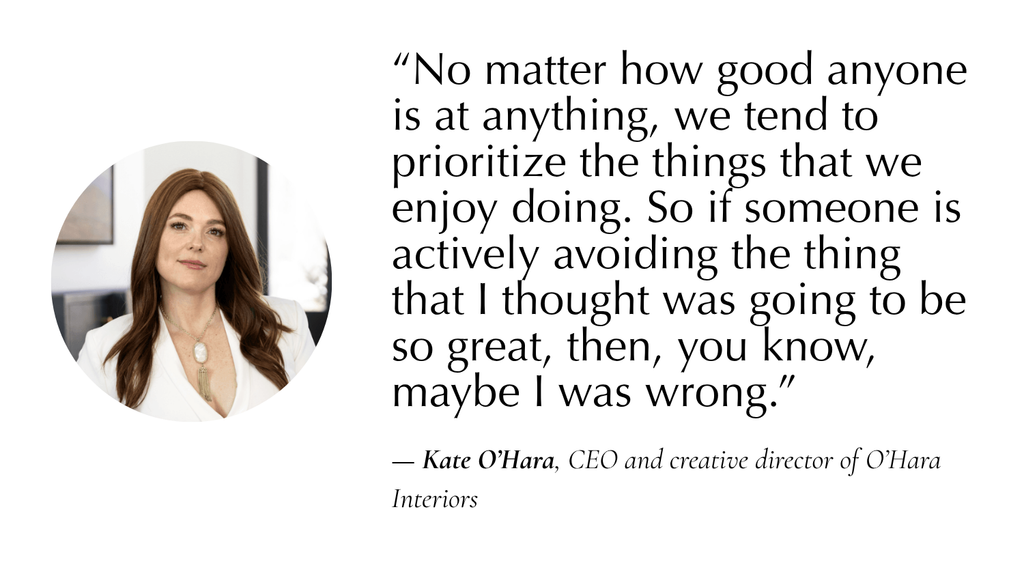
Just because somebody can do something doesn’t mean you should build her entire job around it. Kate makes a really simple observation in the episode: people naturally spend more energy on the things they like doing. If somebody keeps avoiding the responsibility Kate thought she would take on, Kate eventually has to consider whether she assigned the wrong person to it.
That should probably come up BEFORE you hire someone. A candidate might be perfectly capable of procurement and absolutely hate doing it. She might have years of client-facing experience and be thrilled by the idea of never talking to another client again. Maybe she can manage people, but what she REALLY wants is to spend the next five years getting better at design. Ask.
What parts of her current job does she look forward to? What does she keep putting off? What kind of work makes the day go quickly? What would she happily do more of in her next role?
You still have a business to run, so obviously nobody gets to choose only the fun stuff. But if half the job consists of something your candidate already knows she hates, you’re probably going to have a problem eventually.
Hire someone who can do the job, but pay attention to whether she actually wants to spend her time doing it.
Fuel your creative fire & be a part of a supportive community that values how you love to live.
subscribe to our newsletter
*please check your Spam folder for the latest DesignDash Magazine issue immediately after subscription

Your Best Team Probably Won’t Look Like a Bunch of Versions of You
There is something VERY appealing about hiring people who immediately understand you. Communication seems easier. Decisions happen faster. Nobody makes you explain why you think the way you do.
But your firm already has you.
What it might need is somebody who notices different things, asks different questions, and occasionally makes you rethink something you were VERY sure about five minutes ago.
Kate says having good people around her actually makes it easier to move forward without planning every possible detail because she trusts the people working with her to help figure things out along the way. That’s a pretty good argument for building a team with enough different strengths that you don’t personally have to supply all of them.
The next time you hire, look beyond whether you like the candidate and whether she can technically do the job. Think about the people already sitting around your table. What do they do REALLY well? Where do they all struggle? Who is missing?
Your next great hire might be the person who thinks nothing like you and makes the whole team better because of it.
Written by the DesignDash Editorial Team
Our contributors include experienced designers, firm owners, design writers, and other industry professionals. If you’re interested in submitting your work or collaborating, please reach out to our Editor-in-Chief at editor@designdash.com.
Related Posts

What is Fractional Real Estate Investing, and Is It Truly Accessible?
Let's explore the mechanics of fractional real estate investing, outli

Job Hunting: What Can You Do with a Studio Art Degree?
Stereotypes about the limited scope of job opportunities for fine art

Your Digital Footprint: Why Entrepreneurs Need to Think Beyond Social Media
Social media is great for today, but creative entrepreneurs need a las
Do Personality Tests Actually Help You Hire Design Firm Employees?
Can personality tests improve design firm hiring or just complicate it

22 Ways to Reduce and Reuse as a Creative in Honor of Global Recycling Day
Global Recycling Day is a great time to rethink and revamp how women c

DesignDash Podcast: Client Red Flags That Cost You Time, Profit, and Peace
Not every client is a fit and that's okay! Learn how to spot client re

POST COMMENT
You must be logged in to post a comment.