


13 Adaptive Reuse Projects That Inspire Us at DesignDash

 2
2
 0
0Summary
Adaptive reuse is the practice of repurposing old buildings for modern uses while preserving their historical features. This article highlights thirteen extraordinary global projects like the Tate Modern in London, the High Line in NYC, and Zeitz MOCAA in Cape Town that breathe new life into former industrial, transportation, and commercial structures.
Reflection Questions
What makes adaptive reuse more sustainable and culturally significant than new construction?
How do these global examples influence your perception of design’s role in community revitalization?
Which adaptive reuse project resonated with you the most, and why?
Journal Prompt
Think of a building in your own city or town that feels underutilized or forgotten. How might you reimagine it through adaptive reuse? What elements of its history would you preserve, and what new purpose would you give it?
Adaptive reuse is a fascinating and innovative approach to architecture and design that involves repurposing existing buildings for new uses while preserving their historic features. This practice breathes new life into old structures, combining the past’s charm and character with the present’s needs and technology. We are continually inspired by adaptive reuse projects that seamlessly blend preservation and innovation, creating spaces that honor history while meeting contemporary demands. In this article, we explore thirteen of the most impressive adaptive reuse projects worldwide and share insights on how you can effectively showcase your own adaptive reuse work online as an architect or interior designer.
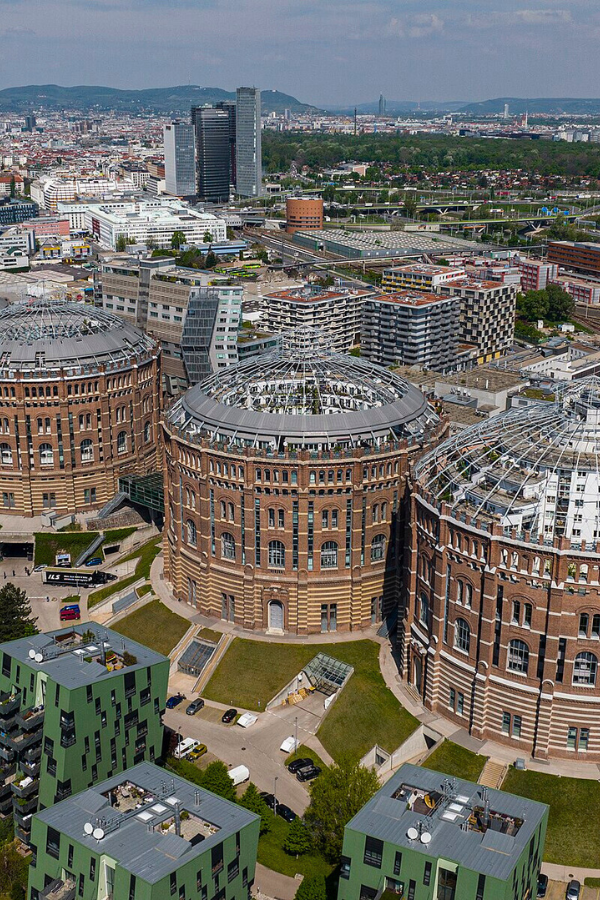
Image Credit for Featured Image: Arne Müseler / arne-mueseler.com / CC BY-SA 3.0 DE
What Exactly is Adaptive Reuse?
Adaptive reuse refers to the process of repurposing existing buildings or structures for new uses while retaining their historic features. This practice combines historic preservation and innovation, giving new life to historic buildings that might otherwise be demolished. Adaptive reuse projects can range from converting industrial spaces into residential lofts and office space to transforming historic landmarks into modern cultural hubs or even student housing.
One of the primary goals of adaptive reuse is to preserve the cultural and architectural significance of an old building. By maintaining the existing structure and incorporating its unique characteristics into the new design, adaptive reuse projects honor the past while accommodating present and future needs. This approach not only conserves the embodied energy and materials of the existing structures but also reduces the environmental impact associated with constructing new buildings. In addition to preserving historic structures, adaptive reuse can also limit construction costs and prevent unnecessary urban sprawl.
Adaptive reuse also offers economic and social benefits. It can revitalize neglected areas, stimulate local economies, and create vibrant communities. By reimagining underutilized spaces, developers can attract new businesses, residents, and tourists, fostering a sense of place and continuity. Adaptive reuse often involves creative and innovative design solutions, resulting in unique and dynamic spaces that stand out in the urban landscape.
13 Adaptive Reuse Projects We’re Wowed By
Battersea Power Station, London
Battersea Power Station is one of the most recognizable industrial structures on the Thames, and its recent transformation has been one of London’s most closely watched (and most successful) adaptive reuse projects. Originally built in two phases between the 1930s and 1950s, the massive brick power station sat derelict for decades after closing in 1983. Its four chimneys and cathedral-scale turbine halls made demolition almost unthinkable, but turning it into something usable was a far more complicated proposition.
The redevelopment has repositioned the site as a mixed-use district with offices, affordable housing, shops, restaurants, and public spaces threaded through the historic shell. The turbine halls have been opened up as light-filled public interiors rather than sealed-off relics, and much of the original industrial fabric has been carefully retained. What makes the project compelling is not just the scale of preservation, but the way contemporary architecture has been inserted. In this way, the old building is empowered to dominate rather than compete.
Fuel your creative fire & be a part of a supportive community that values how you love to live.
subscribe to our newsletter
*please check your Spam folder for the latest DesignDash Magazine issue immediately after subscription
Elbphilharmonie, Hamburg
Hamburg’s Elbphilharmonie sits atop the former Kaispeicher A warehouse, a heavy brick storage building that once handled cocoa, tea, and tobacco. Rather than demolish the warehouse, Herzog & de Meuron chose to keep its sturdy base and crown it with a faceted glass concert hall that appears to ripple like water. This sustainable urban development now feels simultaneously anchored to the harbor’s working history and unmistakably contemporary.
Inside, the transformation is even more striking. The original warehouse floors have been converted into parking, public circulation, and hotel space, while the glass structure above houses world-class performance venues with expansive views over the Elbe. The project has become a cultural landmark for Hamburg, but it also works as a piece of urban stitching, reconnecting the waterfront to the city and giving a formerly utilitarian building a new civic role.
CaixaForum Madrid
Another adaptive reuse model followed worldwide by other developers, CaixaForum Madrid occupies a former power station in the city’s Paseo del Prado. Its conversion into a cultural center is a notable example of adaptive reuse with a bold architectural gesture. Herzog & de Meuron lifted the historic brick building off the ground, creating a striking overhang that allows pedestrians to pass beneath it. What was once a closed industrial facility now feels porous, accessible, and deeply integrated into its surroundings.
The interior was reconfigured to house galleries, event spaces, and educational facilities while preserving key elements of the original structure. The contrast between the weathered brick exterior and the crisp contemporary additions gives the building a layered presence, as if different eras of Madrid’s history were stacked together. The project has helped activate the surrounding area, drawing visitors not only for exhibitions but for the building itself, which has become a destination in its own right.
The Tate Modern, London
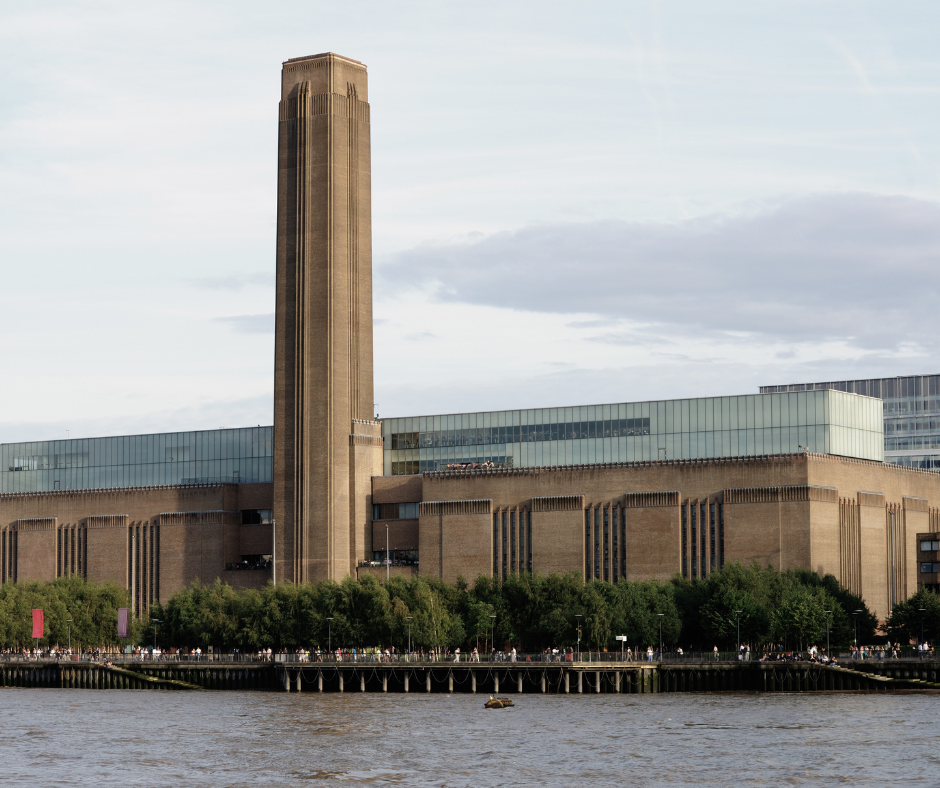
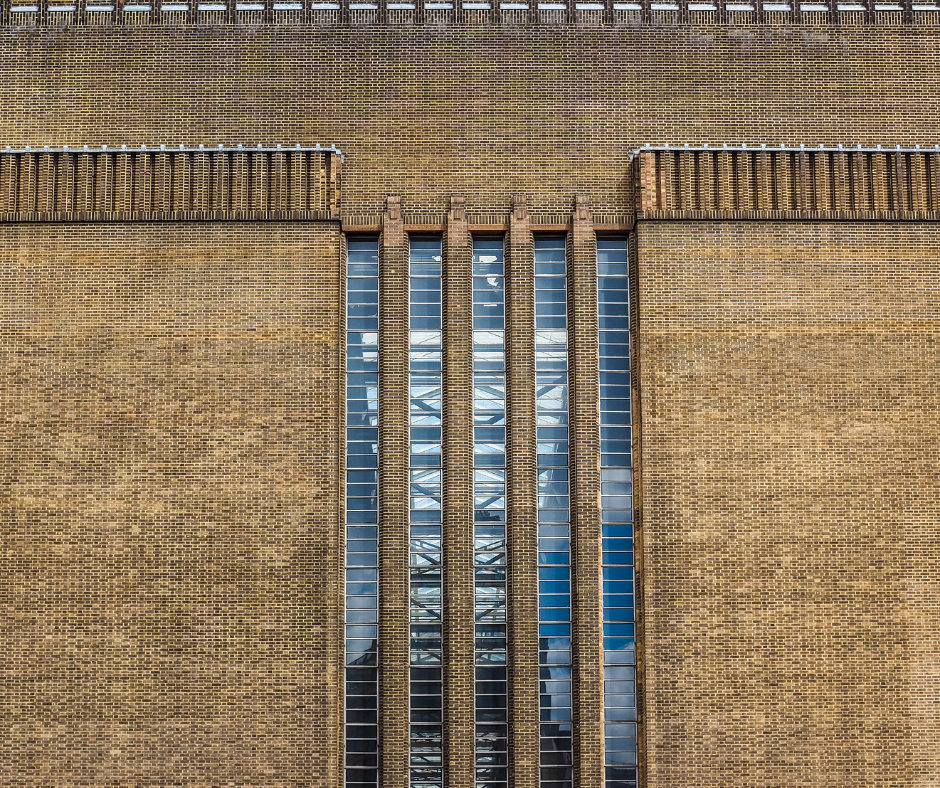
Originally the Bankside Power Station, the Tate Modern is now one of the most famous modern art museums in the world. The transformation of this industrial relic into a premier art institution was spearheaded by the Swiss architecture firm Herzog & de Meuron. Opened in 2000, the Tate Modern preserved much of the power station’s original industrial architecture, including its imposing brick facade and towering chimney, while creating a stunning contemporary art space inside.
The building’s vast Turbine Hall, once the engine room of the power station, now serves as a dramatic and flexible exhibition space that has hosted some of the most ambitious and memorable installations in the art world. This adaptive reuse project not only conserved a significant piece of London’s industrial heritage but also reinvigorated the South Bank, turning it into a cultural and social hub.
The High Line, New York City
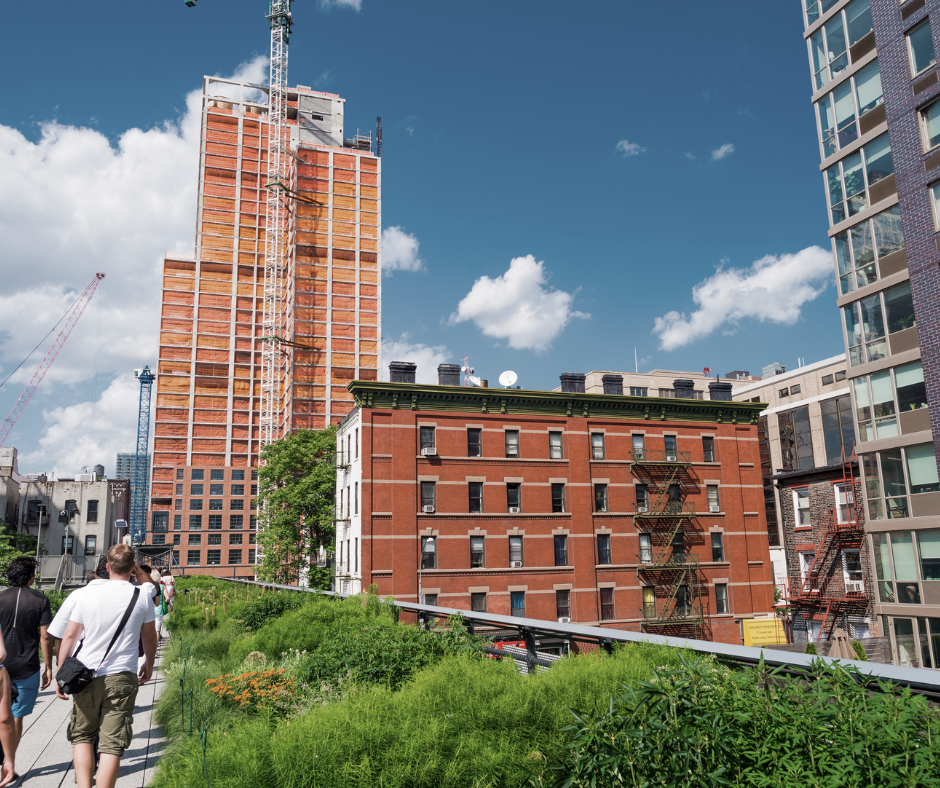
The High Line is a public park built on a historic freight rail line elevated above the streets on Manhattan’s West Side. Conceived by the design team of James Corner Field Operations, with architects Diller Scofidio + Renfro and planting designer Piet Oudolf, the High Line transformed an unused, decaying rail structure into a vibrant urban green space. Opened in stages between 2009 and 2014, the park is a linear promenade featuring a mix of wild and cultivated plantings, walkways, event space, seating areas, and public art installations.
The High Line’s innovative design integrates seamlessly with its urban surroundings, offering visitors unique views of the cityscape and the Hudson River. This project not only repurposed a piece of New York’s industrial history and culturally significant sites but also sparked significant economic development and community revitalization in the surrounding neighborhoods.
Gasometer City, Vienna

Vienna’s Gasometers, once used for gas storage, have been transformed into a mixed-use development featuring apartments, offices, a shopping mall, and entertainment venues. The adaptive reuse of these four massive cylindrical structures, built in 1896, was undertaken by four renowned architects: Jean Nouvel, Coop Himmelb(l)au, Manfred Wehdorn, and Wilhelm Holzbauer. Completed in 2001, each gasometer was redesigned to incorporate contemporary architectural elements while preserving their historic exteriors.
The interior spaces were creatively reimagined to house a variety of uses, including residential units, student housing, office spaces, and retail areas, creating a vibrant urban community. This project demonstrates how adaptive reuse can successfully blend historic preservation with modern functionality, revitalizing industrial heritage sites and integrating them into the fabric of contemporary urban life.

The 21c Museum Hotel, Louisville
The 21c Museum Hotel in Louisville is a striking example of adaptive reuse that merges contemporary art with luxurious hospitality. This project converted a series of 19th-century warehouse buildings in downtown Louisville into a unique cultural destination that functions both as a boutique hotel and a contemporary art museum. The 21c Museum Hotel was designed to provide guests with an immersive experience where art and accommodation seamlessly blend.
Art installations and exhibitions are integrated throughout the hotel’s public spaces and guest rooms, offering visitors the opportunity to engage with contemporary works in an unconventional setting. This innovative concept has revitalized the historic buildings and contributed significantly to the cultural and economic revival of the area, making it a landmark attraction in Louisville.
Zeitz MOCAA, Cape Town
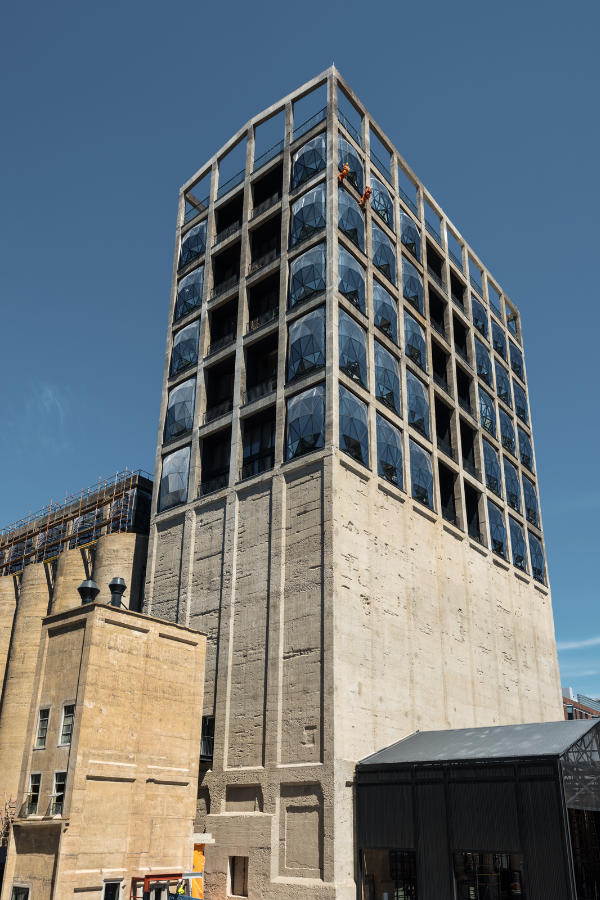
The Zeitz Museum of Contemporary Art Africa (MOCAA) in Cape Town is a remarkable example of how adaptive reuse can transform industrial heritage into a cultural beacon. The museum was created from the historic Grain Silo complex at the V&A Waterfront, a site that once stored grain for export. Designed by the renowned Heatherwick Studio, the project involved carving out spectacular gallery spaces within the existing industrial structure.
The design retained the original cylindrical silos, which were ingeniously repurposed to create dramatic, cathedral-like interior spaces that now house Africa’s largest collection of contemporary art. Opened in 2017, Zeitz MOCAA has become a leading cultural institution, attracting visitors from around the world and contributing to Cape Town’s reputation as a global art destination. The project exemplifies how preserving architectural heritage can coexist with creating modern, functional spaces.
The Factory, Manchester
The Factory in Manchester is a transformative cultural project that is repurposing the iconic site of the former Granada TV studios. Designed by Rem Koolhaas’s OMA, The Factory is set to become a major cultural venue, housing a wide range of performances, art installations, and creative events. This adaptive reuse project preserves the historical significance of the Granada TV studios, a site that played a crucial role in British television history, while creating a cutting-edge space for contemporary arts.
The design integrates flexible performance spaces, studios, and public areas, allowing for a diverse program of activities. Scheduled to open soon, The Factory is poised to become a cornerstone of Manchester’s cultural landscape, contributing to the city’s ongoing regeneration and solidifying its status as a hub for the arts.
Fábrica de Cultura, Barranquilla
The Fábrica de Cultura in Barranquilla is a visionary project that transformed an old tobacco factory into a vibrant cultural and educational hub. Designed by Giancarlo Mazzanti, the adaptive reuse project reimagined the existing building to provide facilities for artistic and cultural activities, including studios, classrooms, and performance areas.
The Fábrica de Cultura plays a significant role in the local community by offering a space where residents can engage in creative pursuits and cultural exchange. This project not only preserved a piece of Barranquilla’s industrial heritage but also repurposed it to serve as a catalyst for social and cultural development. By providing access to arts education and fostering creative expression, the Fábrica de Cultura has become an essential part of the city’s cultural fabric, enhancing the quality of life for its residents and promoting community engagement.
St. Pancras Renaissance Hotel, London

The St. Pancras Renaissance Hotel is a stunning example of how building reuse can blend historic preservation with modern luxury in a way that an entirely new building certainly cannot. Originally designed by Sir George Gilbert Scott, the building served as the Midland Grand Hotel and part of the St. Pancras railway station, a masterpiece of Victorian Gothic architecture. After falling into disrepair, the building underwent a meticulous restoration and refurbishment, reopening in 2011 as the St. Pancras Renaissance Hotel.
The project preserved the grandeur and intricate details of its original design, including the iconic grand staircase and ornate plasterwork, while integrating contemporary amenities and technology. Today, the hotel stands as a symbol of London’s architectural heritage and a luxurious destination for travelers, offering a unique blend of historical charm and modern comfort.
NDSM Wharf, Amsterdam

The NDSM Wharf in Amsterdam is a prime example of how industrial spaces and old building materials can be repurposed into vibrant cultural and creative hubs. Once a bustling shipyard, the NDSM Wharf has been transformed into a dynamic area that hosts artist studios, workshops, event spaces, and restaurants. This adaptive reuse project capitalized on the site’s expansive spaces and robust structures, turning them into venues for creativity and innovation.
The wharf is now a hotspot for cultural events, festivals, and exhibitions, attracting a diverse crowd of artists, entrepreneurs, and visitors. By retaining the industrial character of the shipyard while introducing new uses, the NDSM Wharf has become a symbol of Amsterdam’s creative spirit and a model for urban regeneration.
The Distillery District, Toronto
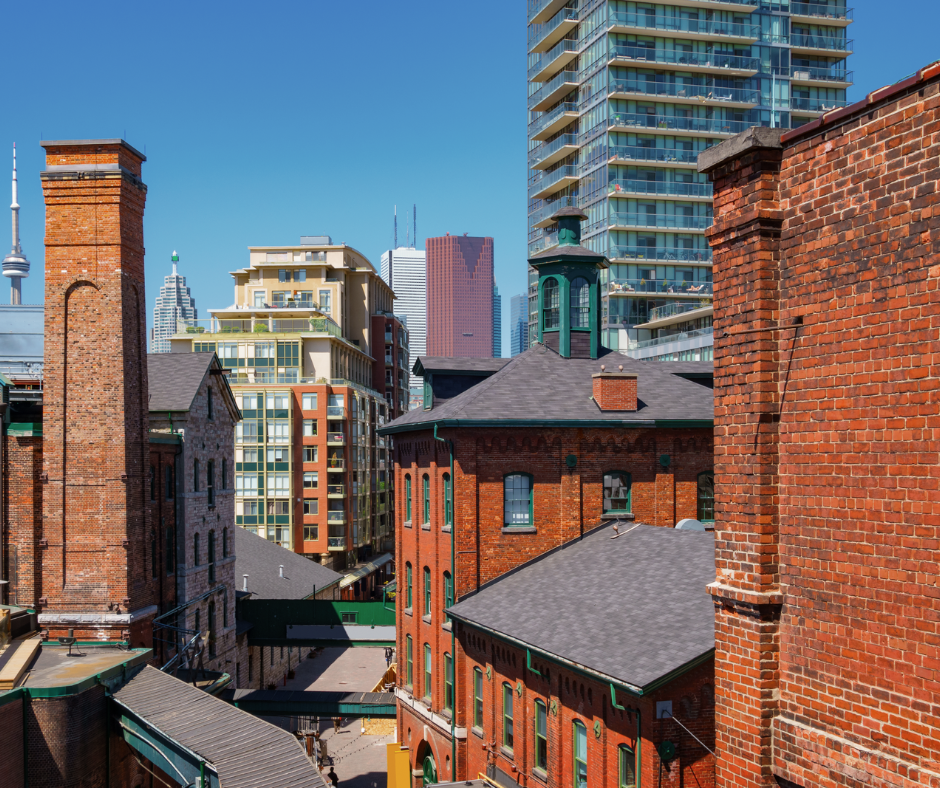
The Distillery District in Toronto is a remarkable example of adaptive reuse that has revitalized a historic industrial site into a contemporary cultural precinct. Once home to the Gooderham & Worts Distillery, one of the largest distilleries in the world during the 19th century, the area has been transformed into a pedestrian-only village.
The Distillery District features a mix of restaurants, shops, galleries, and performance spaces, preserving the distinctive Victorian industrial architecture of each historic building in this area. The cobblestone streets and preserved brick buildings create a unique ambiance that draws locals and tourists alike. The revitalization of the Distillery District has not only preserved an important part of Toronto’s heritage by honoring its older buildings but also fostered a thriving cultural scene, making it one of the city’s most popular destinations for art, dining, and entertainment.

Why We Care About Adaptive Reuse Projects at DesignDash
At DesignDash, we care about adaptive reuse because it encapsulaates what design does best when it is patient, layered, and deeply attentive to context. These projects remind us that the most compelling work often comes from designers who are willing to engage with what already exists, rather than starting from a blank slate.
We admire practitioners who treat history as a living resource, instead of as a constraint, and who introduce contemporary materials and thoughtful interpretations without erasing the traces of what came before. Well, we are also drawn to the way adaptive reuse keeps cities complex and textured, resisting the flattening effect of constant replacement.
In celebrating these projects, we are really celebrating a broader approach to design: one that values memory as much as innovation, craft as much as technology, and care for place as much as formal ambition.
*Updated February 2026 with three additional adaptive reuse projects and a new concluding section.
Also Read…
Written by the DesignDash Editorial Team
Our contributors include experienced designers, firm owners, design writers, and other industry professionals. If you’re interested in submitting your work or collaborating, please reach out to our Editor-in-Chief at editor@designdash.com.
Related Posts

A Circle, Not a Ladder: The Power of Peer Mentorship in Interior Design
When women in design support each other through peer-to-peer mentorshi
What Legal Steps Do I Need Before Taking My First Paying Client?
Learn the essential legal, financial, and structural steps interior de
The Surprising Application of Dry Ice Blasting Technology in Historic Preservation
Unlike conventional cleaning methods, dry ice blasting is non-abrasive
Gotham Greens: Spotlight on Successful Urban Agriculture
With rooftop greenhouses and carefully-planned delivery routes to loca
The Best Art Museums in San Francisco
Central to SF’s art scene are its many museums. From the de Young Mu
Maximalist Interior Design: Embracing a Bold Philosophy
LIKE 0 LEAVE COMMENT 0 9 min read Summary Reflection Questions Journal

POST COMMENT
You must be logged in to post a comment.