How Do I Know I’m Actually Ready to Leave My Current Job, Not Just Burned Out?

 4
4
 0
0Summary
Feeling dissatisfied at work does not automatically mean it is time to start a firm. Burnout and readiness can feel similar at first, but they lead in very different directions. Burnout pushes designers to escape their current circumstances. Readiness pulls them toward responsibility, ownership, and long-term commitment. Understanding the difference helps designers decide whether to leave, stay longer, or prepare more deliberately.
Reflection Questions
When you imagine leaving your job, are you more focused on what you want to escape or what you want to build?
Do you feel energized by the responsibilities of running a firm, or overwhelmed by the idea of carrying them?
Where have you stopped growing in your current role, and is that something staying longer would realistically change?
Journal Prompt
Think about the last few months at your job. What patterns do you notice in your energy, motivation, and performance? Write about whether those changes feel temporary and situational, or whether they point to a deeper desire to move in a new direction.
Leaving a stable design job to start a firm is rarely a fast, dramatic decision. More often, it sits with you for a long time as you contemplate and plan. At your current job, you might feel tired, disengaged, or restless. You might also feel excited when you imagine working for yourself. The tricky part is figuring out whether that energy is pointing you toward growth or simply relief. Are you just fed up? Or are you actually able to make a go of it?
In this Q&A, we spoke with Laura Umansky and Melissa Grove of Laura U Design Collective about how to tell the difference between burnout and readiness, what signals actually indicate you’re prepared to take the leap, and why timing is less about bravery and more about responsibility.
Burnout Pushes You Away. Readiness Pulls You Forward.
Designers often struggle to articulate what feels different when they are truly ready to leave. The discomfort can feel similar either way. Long hours. Frustration. A sense of being underutilized (or worse, taken advantage of). It helps to examine yourself internally instead of focusing solely on your surroundings; Laura Umansky describes that distinction in terms of motivation rather than emotion.
“Burnout is about wanting out. Readiness is about wanting toward.”
That shift in focus changes everything. Burnout narrows your attention. It makes designers crave relief and distance. Readiness widens your attention. It brings curiosity, planning, and a willingness to take responsibility for outcomes.
Laura didn’t leave because she was depleted. “I wasn’t exhausted by my job,” she notes, “but I was energized by the idea of building something of my own, even knowing it would be harder.”
That energy matters because starting a firm replaces familiar stress with unfamiliar pressure. There is no buffer between decisions and consequences. Designers who leave primarily to escape rarely find the relief they expect. In some ways, they find more stressors, especially without a supportive community.
“Burnout makes you numb. Readiness makes you restless, curious, and willing to take responsibility instead of waiting for permission.”
Determine Whether Staying is About Comfort or Becoming More Prepared
Many designers assume staying longer will automatically make them more prepared. Sometimes that’s true. Sometimes it isn’t. Preparation doesn’t come from repetition alone. It comes from being asked to make decisions that carry consequences. When a role stretches your judgment, you’re not just producing drawings or managing tasks. You’re deciding how to handle scope creep, when to push back on a client, how to recover when a project runs behind, or which trade-off is least damaging when something goes wrong.
Output-focused roles can keep you busy for years without actually preparing you for ownership. You may get faster, more efficient, more confident in your taste. But if someone else is always setting the fee, structuring the contract, handling the conflict, or absorbing the risk, you’re not exercising those decision-making muscles. Laura noticed a shift in mindset (and fulfillment) when her work stopped doing that.
“The signal was that I had stopped growing.”
At that point, additional time no longer sharpened her instincts or expanded her perspective. The work felt way too familiar. Predictable. Easier to execute. Comfort increased, but learning slowed down.
“Staying longer would not have made me more prepared, it would have made me more comfortable.”
Comfort can feel like safety, especially when leaving feels risky. But comfort does not build the skills ownership requires. Running a firm demands decision-making without guardrails. Laura does not regret the timing of her choice, noting “I’m glad I made the choice when I did!”
Remember, Talent Opens Doors But Ownership Keeps Them Open
Strong design skills can open doors, but they don’t keep a firm running. Laura has watched many designers leave salaried roles and strike out on their own, and the difference between those who struggle and those who stabilize usually has little to do with taste.
“The ones who succeed understand that talent isn’t enough.”
Design ability gets attention early. It helps with portfolios, referrals, and first impressions. But running a firm requires decisions that sit far outside creative execution. Fee structures. Client boundaries. Staffing choices. Long-term relationships that need maintenance, not just enthusiasm.
“They take ownership, they learn the business, and they build relationships intentionally.”
That kind of ownership emerges in little ways before someone leaves their job to open a firm. Designers who ask how projects are priced, why certain clients are declined, or how issues are handled when things go wrong tend to build a mental framework for leadership. They’re paying attention to the parts of the work that aren’t glamorous but are essential.
“Yes, they are talented of course. But they also had the entrepreneurial drive.”
Are you taking initiative? Or are you just impatient. Before leaving, take a good long look at yourself and determine whether you’re willing to take responsibility without waiting for an invitation.
Don’t Dismiss Burnout, But Don’t Over-Ascribe Its Meaning
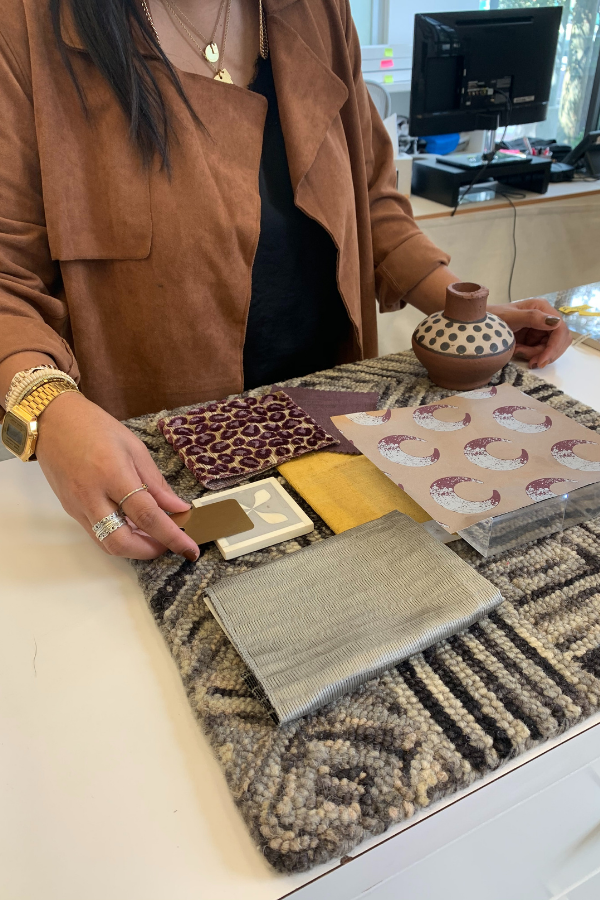
Melissa Grove approaches readiness from a similarly practical yet functionally different angle. Emotional strain eventually affects how people operate day to day, whether they admit it or not. When burnout worsens, it doesn’t stay internal. It leaks into the work itself and often impacts colleagues (or clients).
“Burnout is a real thing, and when that psychological distress gets bad, it most definitely spills into the work.”
The signs aren’t usually dramatic or super obvious. Most designers don’t wake up one morning unable to function. Instead, small positive habits start to erode and small bad habits increase. Reliability is one of the first things to slip, with attitude following shortly thereafter.
“It’s small things: coming in late or unprepared, there will be a decrease in work quality, volunteering for projects slows, etc.”
Those shifts matter a lot. Not because they indicate failure, but because they reveal capacity. If your current role already feels hard to sustain, ownership probably won’t lighten the load. Running a firm demands sharper attention, longer decision loops, and more emotional regulation, not less. However, toxic work environments are not to be underestimated. There’s a chance that working for yourself will be easier and more predictable than working for someone else.
Fuel your creative fire & be a part of a supportive community that values how you love to live.
subscribe to our newsletter
*please check your Spam folder for the latest DesignDash Magazine issue immediately after subscription
“Whenever there is a stark change in work behavior, where someone is going from reliable to hit-or-miss with productivity, that’s a tell-tale sign.”
Leaving during that phase often creates a harder, more painful landing. Instead of entering ownership with clarity, designers carry unresolved exhaustion with them. The pressure doesn’t disappear. It multiplies. If you can afford to do so, take time off and be honest with your boss should you choose to stay, or plan a “ramping up” period should you choose to leave and start your own firm.
Experience Shapes Judgment in Ways Confidence Can’t

There is no single timeline for leaving a firm. Designers leave at different stages and succeed for different reasons. Still, Melissa sees clear advantages in staying long enough to witness how businesses respond under pressure.
“Honestly, you can leave at any time in this industry if you’re willing to build a strong team around you that can fill in your gaps.”
Support can be hired. Advice can be outsourced. Judgment develops differently. It comes from exposure.
“I would say that you should work in a design firm for at least five years before going out on your own so you can experience how a small business confronts failure and how it steers forward through success.”
That experience rarely comes from smooth-going projects. It comes from watching budgets tighten, timelines extend, clients change their minds, and teams respond imperfectly. You see how leaders absorb responsibility and you see what happens when they don’t.
“You can also get a feel for how people manage differently.”
Those observations shape how designers lead later. They learn what kind of manager they respect and what kind they don’t. They see which decisions calm a situation and which ones escalate it. That exposure builds instincts you rely on when you no longer have a buffer between yourself and the outcome.
Lastly, Remember That Risk Tolerance Matters More Than Enthusiasm
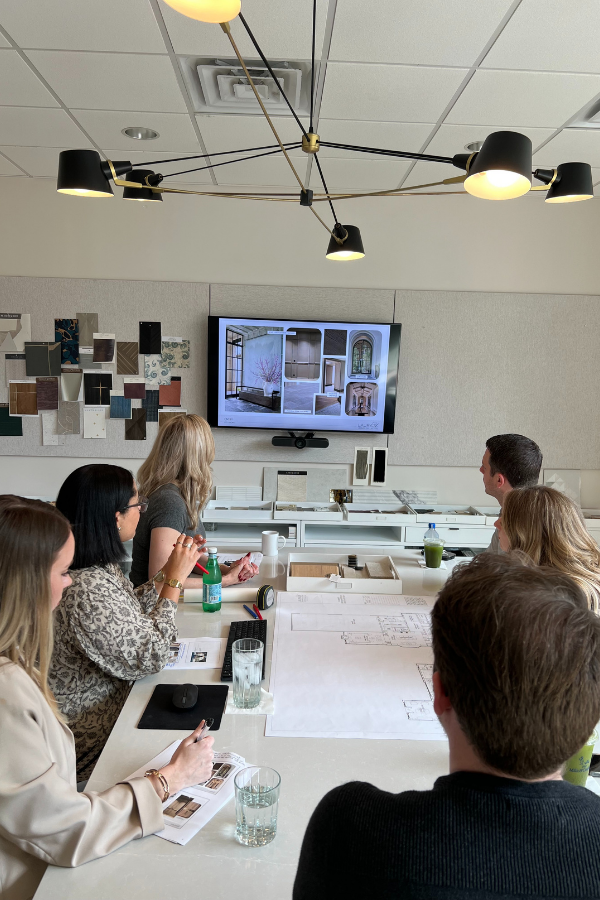
Melissa has seen many designers leave established firms and build successful practices. What separates those who stabilize from those who stall is not motivation alone.
“So much of it is being comfortable with taking the risk of going out on your own.”
That “comfort” doesn’t mean fearlessness. It means understanding that uncertainty will be part of the work and choosing to engage with it anyway. Ownership involves slow periods, uncomfortable conversations, and decisions that don’t offer immediate feedback.
“If you feel like you can push through the bad times, you can get through a lot!”
Residential design is personal. Clients are not interchangeable. Relationships take time to build and longer to repair.
“Having the ability to network and close business is crucial for any entrepreneur, but this industry is quite intimate and personal, so being able to navigate this kind of clientele will take you far.”
That skill is learned way before someone leaves. Designers who pay attention to how work is won, how trust is built, and how expectations are managed tend to feel steadier once they are responsible for all of it themselves.
Related Posts

Developing a Winning Mindset for Pitching in 10 Simple Steps
As an entrepreneur who's constantly pitching new ideas to potential in

Artists in Business: Professional Organizations for Poets and Writers
Writing organizations not only advocate for the rights of poets and au
Five Female Interior Designers in Miami to Follow in 2025
Miami’s design scene is hot and these five women are on fire. Read p

10 Danish Furniture Brands Every Interior Designer Should Know
Learn all about 10 influential Danish furniture brands, their historie

Checking into Design: 13 Hotels with Unforgettable Interiors
From unrestrained opulence to chic minimalism, we've scoured the globe

October’s Almost Here! Small Business Tax Deductions for Design Firms
2023's extended filing deadline is almost here. Stay organized, claim