What Is Gustavian Interior Design, And Is It Still Relevant Today?

 0
0
 0
0Summary
Gustavian design emerged in late-1700s Sweden as a lighter, more practical interpretation of French Neoclassicism. Its pale colors, painted pine furniture, classical proportions, and modest ornament make it timeless, adaptable, and highly compatible with contemporary interiors, proving that this historic style still resonates strongly today.
Reflection Questions
Which Gustavian principles (light, balance, simplicity, or classical proportion) could help solve challenges in the spaces you’re designing now?
How might painted finishes, pale palettes, or subtle classical details enhance the livability and brightness of rooms that lack ideal natural light?
Where could a Gustavian-inspired blend of refinement and restraint bring harmony between antique pieces and contemporary furnishings in your projects?
Journal Prompt
Reflect on a room you’re currently designing or redesigning. How could Gustavian elements like a muted palette, painted wood, symmetrical layouts, or restrained classical details introduce clarity, warmth, or balance? Write about one specific detail or furnishing that could be reimagined through a Gustavian lens to create a space that feels both historically grounded and contemporary.
An offshoot of Neoclassicism, Gustavian interior design grew out of the late eighteenth century, when King Gustav III returned from visits to the French court and carried home ideas shaped by their style. He admired the architecture and the way interiors handled proportion, so he encouraged Swedish craftsmen to explore similar ideas using local materials. Because Sweden had long winters and softer daylight, their interpretation shifted in a slightly different direction from France. Rooms felt lighter, brighter, and easier to live in, which helped the Swedish style find its footing.
Unlike Rococo, it is not excessive and a bit more streamlined when compared to French Neoclassicism. That simplicity is what makes Gustavian style interiors translatable to today. While many Swedish interiors redecorated during King Gustav III and his son King Gustav IV’s reigns embody the classic style, few are as emblematic as the pavilion in Haga Park.
Historians often identify this period as when Sweden turned toward classical ideals while still acknowledging the practicality of daily life. You can see that shift in early interiors from the time, especially in royal palaces where architects experimented with symmetrical layouts and classical elements. While you might imagine that the style would have fallen out of favor after the 1700s, many Swedish modernists would incorporate elements into their furnishings and interiors. Even IKEA continues to draw from Gustavian design. Today, those who want their interiors to age gracefully might turn to the Gustavian style instead of, say, stark contemporary minimalism or the overly ornate French Neoclassical style because of its lasting impact and comparative timelessness.
Where The Style Came From

Gustavian interiors took shape during the late eighteenth century, first under King Gustav III and then during the early years of Gustav IV Adolf. The court played a large part in this shift. After Gustav III visited Versailles in 1771, he encouraged Swedish designers to explore the balance and clarity he had admired in the Louis XVI interiors there. Classical themes were everywhere in France at the time, so Sweden entered the conversation by adapting those ideas to its own materials.
Key Designers During the Gustavian Period
Jean Eric Rehn, Louis Masreliez, and Georg Haupt were central to that movement. Each of them introduced motifs tied to antiquity and worked them into Swedish architecture and furniture in a way that felt measured and suited to local tastes. Rehn’s influence is well documented. His work with the royal household and later commissions at palaces like Gripsholm, Stockholm, and Drottningholm helped define the direction.

He embraced straight lines, fluted columns, and Greco-Roman ornament, but he kept the scale appropriate for Swedish interiors. Pine was the primary wood available, so craftsmen used painted finishes to create the pale, marble-like feeling that Neoclassicism favored in Europe. Haupt’s cabinetmaking added refinement through inlay and proportion rather than excess. Masreliez worked broadly across architecture and interiors, weaving classical decoration into both. Together, these figures shaped a language that translated formal French models into a more restrained version that was more apt for Swedish spaces.
Gustavian Design Over Time
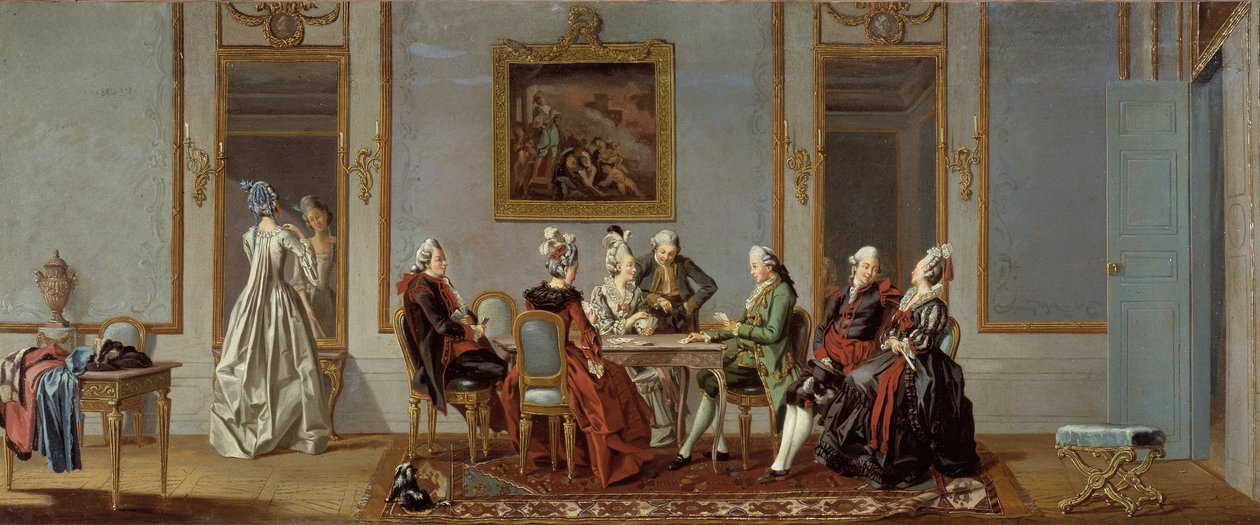
As the Swedish Gustavian style matured, local workshops developed their own interpretation. Early Gustavian rooms boasted delicate moldings and light ornament that still nodded to Rococo, while the late Gustavian years leaned toward simpler forms. square legs replaced rounded ones, and surfaces lost decorative carving. This shift was partly aesthetic and partly practical.
Households outside the court wanted beautiful interiors but needed them to be manageable. The emerging middle class adopted painted furniture and lighter color palettes because they worked in both narrow urban rooms and modest rural houses. As the influence of French decorative arts dwindled, Swedish and British design ideas began to guide the next wave.

These choices helped Gustavian design filter far beyond the eighteenth century. Some of the same features that shaped the original style (painted wood, balanced proportions, and a pale palette) later supported Scandinavian design and Nordic Classicism in the early twentieth century. Even IKEA would revisit these forms centuries later, borrowing silhouettes and tones that fit the company’s ethos of accessible, functional interiors.
What Gustavian Design Means At Home Today
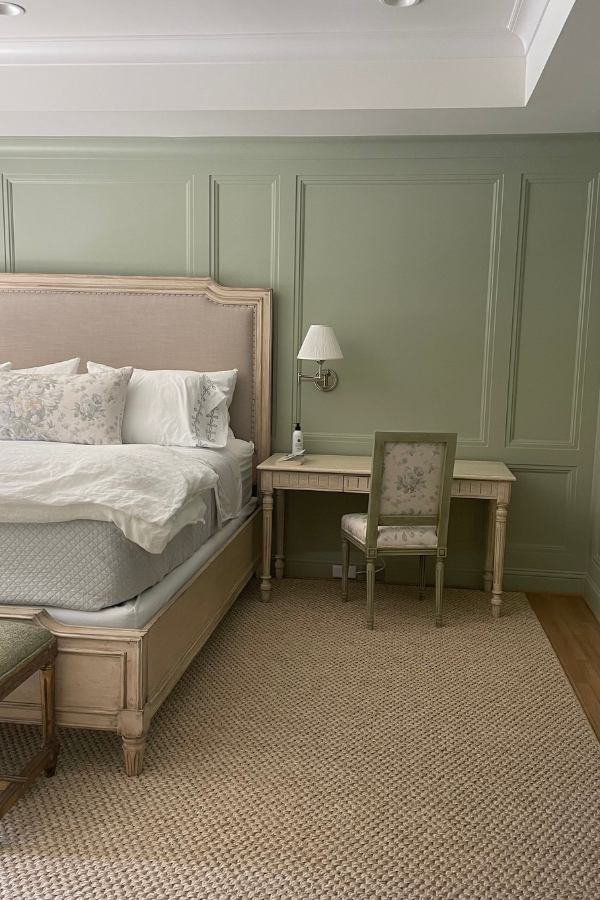
People often turn to Gustavian elements now because the approach suits the kinds of spaces we live in. The emphasis on proportion and light works in rooms that don’t always have ideal window placement. A painted cabinet can brighten a hallway with little natural light. A mirror set near a window can shift the whole feeling of a living room by drawing the daylight inward. These are the same practical concerns that shaped eighteenth-century Sweden, and they still matter.
Fuel your creative fire & be a part of a supportive community that values how you love to live.
subscribe to our newsletter
*please check your Spam folder for the latest DesignDash Magazine issue immediately after subscription
The palette if pale blues, whites, creams, and soft greys ensures modern rooms feel open without leaning sterile. Swedish furniture from this period tends to have clean silhouettes, which makes it easy to mix with contemporary sofas or metal lighting. Many pieces were originally built in pine, so the worn edges and layered paint fit effortlessly with interiors that blend old and new. And because the decoration was intentionally restrained, the furniture doesn’t compete with artwork or textiles people bring into their homes today.
One reason the style translates well is that it never depended on decadence. It used classical ideals without overdoing anything. That balance allows an eighteenth-century chair to sit beside a modern table without either feeling out of place. The same adaptability that once helped the style broaden into middle-class Swedish homes still works, whether someone lives in a downtown loft or a cottage outside the city.
How Designers Use Gustavian References Now
Designers working today often pull from Gustavian history in subtle ways. They might use fluted or tapered legs on a new dining chair, opt for a cabinet with stunning carved detailing, or choose a console table with the quality yet streamlined construction Georg Haupt favored. Some start with architectural cues instead. Straight lines, symmetrical layouts, or pared-back moldings can echo the clarity seen in Gustav III’s Pavilion at Haga Park. These aren’t literal copies. They’re reinterpretations of a style that always valued adaptation.
Painted surfaces continue to be central. In eighteenth-century Sweden, pale finishes helped compensate for the limited daylight that northern interiors received. The same logic applies now. A chalky grey on a sideboard can brighten a transitional space without relying on high-gloss coatings. Mirrors and reflective surfaces, another fixture of the period, still serve an essential role by extending whatever natural light is available.
Some designers pair Gustavian silhouettes with rustic textures to reference the way the style translated into rural Swedish homes. Others lean into the classical side, drawing from earlier French or ancient influences (Gustav III loved antiquities) that the original movement borrowed. Because the palette is so versatile, the furniture doesn’t overwhelm modern rooms.
Is Gustavian Design Still Relevant?
Many people wonder if this eighteenth-century style still matters in an industry driven by trends. It seems the answer is yes, partly because the design is still sophisticated yet livable. It’s elegant yet approachable. Rooms feel inviting. The proportions make sense. The palette is appropriate in many different types of spaces. It can easily accommodate new influences without feeling disjointed or awkward. And the history behind the aesthetic gives it depth without weighing the space down.
You could argue that the style still appeals to us because it’s tied to real places and real people. Sweden in the late 1700s was looking outward, and the movement came to be during a period of cultural exchange. The legacy of the style is visible in Scandinavian design, Swedish Modern, and the broader movement toward light, functional interiors.

Gustavian design also has integrity because it grew from thoughtful craftsmanship. Figures like Rehn and Masreliez built rooms that acknowledged Sweden’s materials and climate. That same respect for context resonates today. Homes benefit from furniture that doesn’t feel disposable. Proportion can correct a room that feels awkward. Mirrored accents can brighten a corner that’s partially obscured. This style absolutely still makes sense (in your space and my own home).
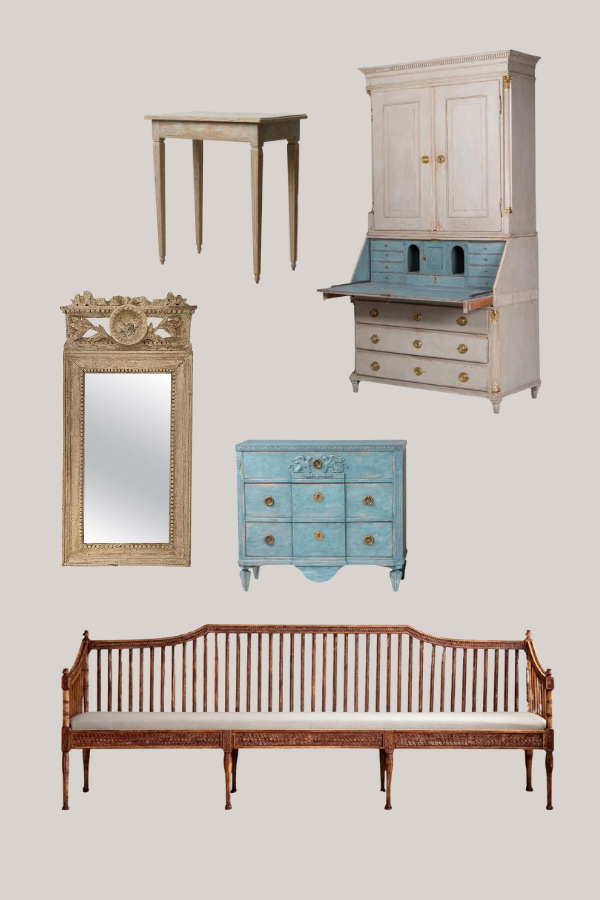
Gustavian furniture in the featured image includes the following:
- 18th Century Swedish Gustavian Pinewood Wall Glass Mirror, listed on 1stDibs
- 18th Century Gustavian Sofa, listed on 1stDibs
- Gustavian Light Gray Painted Bureau or Secretary from 1780 – 80, listed on 1stDibs
- Pair of Swedish Gustavian Blue Painted Breakfront Commodes, listed on 1stDibs
- Small Elegant Swedish Antique Side Table from the Gustavian Period, circa 1790, listed on 1stDibs
Written by the DesignDash Editorial Team
Our contributors include experienced designers, firm owners, design writers, and other industry professionals. If you’re interested in submitting your work or collaborating, please reach out to our Editor-in-Chief at editor@designdash.com.
Related Posts
These Are the Absolute Best Fashion Design Colleges in the U.S.
The best fashion design programs in the United States share a common g

What is the Munsell Color System and How Is It Used Today?
From geology to portraiture, we still rely heavily on the Munsell Colo
Interior Design Trend: The Round Table is Back and Better Than Ever
Why are round tables making a comeback in interiors? Their circular fo
Custom or Ready-Made? How to Select Furniture for Residential and Commercial Spaces
Should you choose custom or ready-made furniture? This guide breaks do

How Much Money Should I Have Saved Before I Quit My Job to Start My Own Firm?
Thinking of leaving your design job to start your own firm? Here’s w
Crafting Corporate Environments: Showcasing Top-Tier Office Interiors
From the vibrant Second Home Hollywood campus office space and the Pal