What is Quiet Luxury Interior Design, And is it Still In?

 9
9
 0
0Summary
Quiet luxury isn’t so much a trend but an attitude rooted in calm, craftsmanship, and intentional choice; it favors enduring materials, subtle details, and rooms that feel personal and thoughtfully edited, making it a design approach that remains relevant and “in” well beyond 2025.
Reflection Questions
How does quiet luxury’s emphasis on restraint rather than minimalism shift the way you evaluate what deserves a place within a room?
Which materials or finishes in your current projects embody longevity and tactility, and which might benefit from a more considered, craftsmanship-first approach?
Where could you incorporate subtlety (lighting, palette, texture, proportion) to create emotional quiet without sacrificing richness or personality?
Journal Prompt
Think about a space you’re designing now. How could you reinterpret quiet luxury by focusing on enduring materials, thoughtful editing, and the small details that reveal themselves up close? Write about one or two specific adjustments (architectural, decorative, or material) that would make the room feel calmer, more personal, and quietly elevated.
Quiet luxury has been floating around for a while, although the phrase only caught wider attention when fashion started repeating a familiar idea. Brands like The Row and Loro Piana leaned toward restrained silhouettes, and suddenly the conversation shifted toward things made well, worn quietly, and appreciated up close rather than from across a room. Interiors followed a similar (yet not identical) path. Interiors built around lasting materials and thoughtful selections never really disappeared, but the language around them has become more focused.
The quiet luxury aesthetic isn’t some trend that exploded one day in the interior design world. It is far closer to an “attitude” that resurfaced than a fleeting trend. It values calm over spectacle and places craftsmanship at the center of design; high quality materials and understated luxury are key to the style. The quiet luxury home is filled with pieces that whisper quality rather than scream novelty.
Designers like Ken Fulk and Colin King have both pointed out that the idea here isn’t minimalism, necessarily. Some people confuse quiet luxury with minimalism, although the two paths go different directions. Minimalism strips away almost everything. The quiet luxury “trend” simply edits; it keeps what matters and makes sure each decision is deliberate. A room in this style can be layered, colorful, or even ornate, but there is still restraint. There are no obvious brands or “look at me” elements.
In the final months of 2025 heading toward 2026, the real question is whether quiet luxury design is still “in” or whether it’s gone by the wayside. Let’s take a look.
First, What Exactly is Quiet Luxury?
In her Vogue article on the rise of quiet luxury, Annie Davidson Watson points out that the concept existed long before it became a headline. She writes that the movement is “not a trend; it’s actually the opposite,” placing it closer to long-term design values than to seasonal fashion.
Interior designer Ken Fulk frames it the same way in the piece when he says quiet luxury is “about restraint,” and that it depends on noticing the small decisions that make a room feel considered. Those ideas translate directly into the interior design world, where quiet luxury focuses on muted palettes, natural materials, and less cluttered decoration.
What Quiet Luxury Means At Home
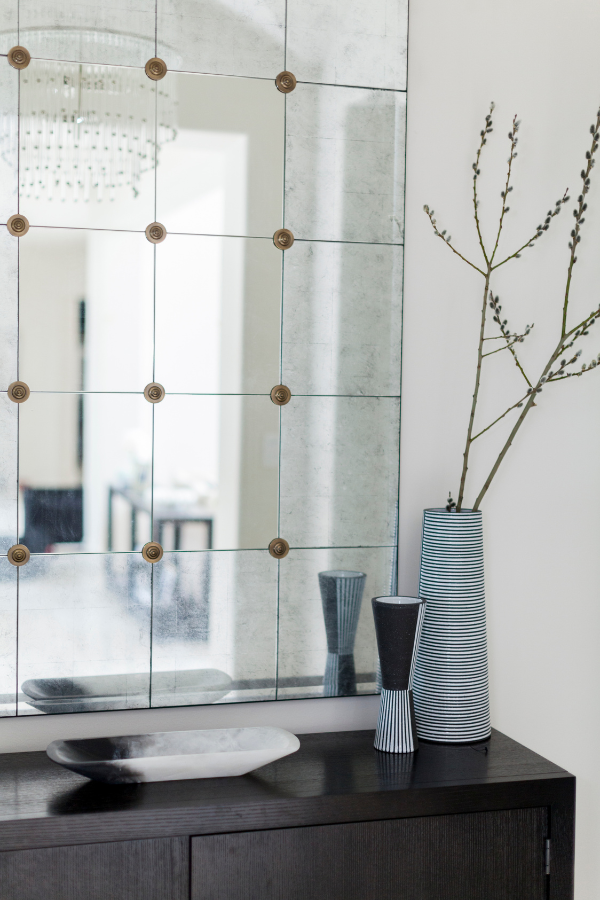
Quiet luxury interior design invites you to spend time in a room without feeling overwhelmed by visual noise. It encourages an interior that is calm but not bare. Some designers compare it to a capsule wardrobe with a few strong core pieces and a handful of well chosen accessories. There’s enough space between them so each one can feels intentional.
In the Vogue article, interiors stylist Colin King explains that quiet luxury is about “building a collection with intention,” meaning the source of an object shouldn’t be obvious at first glance. He adds that only when someone draws closer should the craftsmanship or the careful joinery reveal itself. That idea fits neatly into a home where simple silhouettes, neutral palettes, and clean lines proliferate.
Fuel your creative fire & be a part of a supportive community that values how you love to live.
subscribe to our newsletter
*please check your Spam folder for the latest DesignDash Magazine issue immediately after subscription
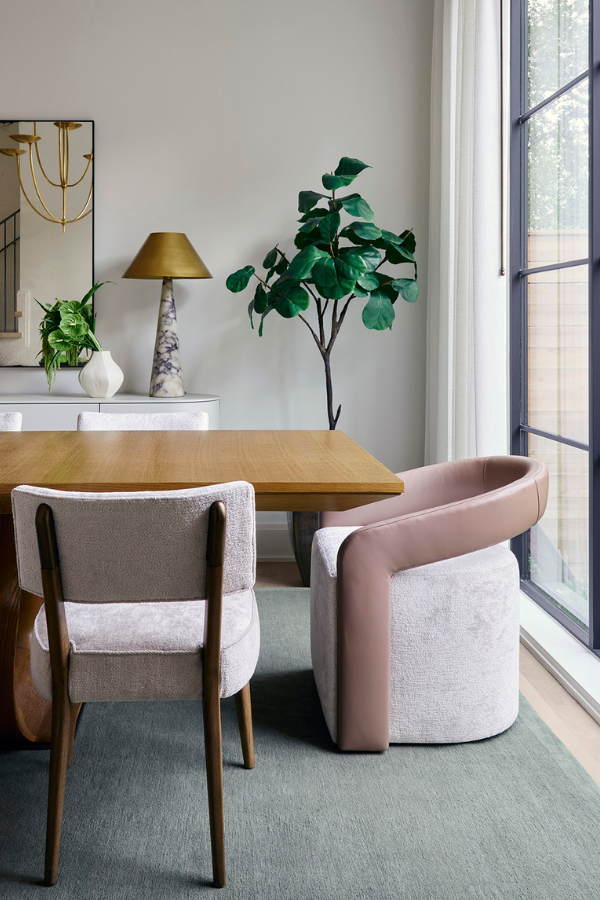
House Beautiful describes quiet luxury as a design language that “values high-quality materials that will have long-term appeal and defy trends,” noting that this is less about minimalism and more about comfort. Shea McGee puts it plainly: “Quiet luxury is about subtleties and elevated materials.” You see that reflected in a dining room where the dining table is solid wood and built to last, or in a living room where the coffee table has a hand-finished surface rather than a factory gloss.
A Martha Stewart article on the topic echoes this tone, describing quiet luxury as “refined elegance that whispers rather than shouts.” A bit cliche, but that phrase captures the charm of a quiet luxury home and suggests why so many people gravitate toward it after a past year filled with faster trends.
Key Features of Quiet Luxury Interiors
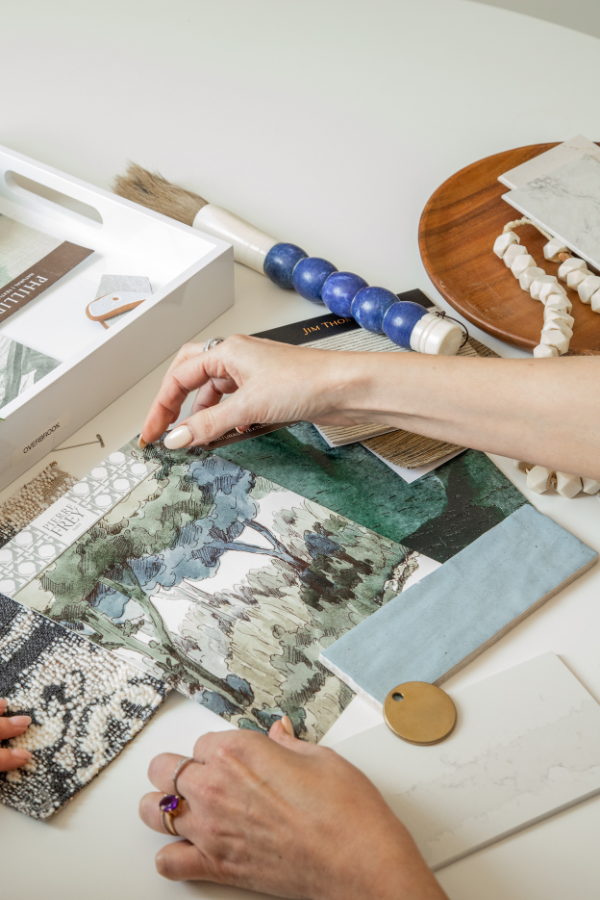
Quiet luxury decor avoids heavy ornamentation and instead uses color, texture, and proportion to create a serene interior. The key elements are fairly consistent: natural materials, soft colors, handmade ceramics, and pieces that feel one of a kind. A room might have a rug with subtle variation, floor lamps that show careful metalwork, or artwork chosen because it means something rather than because it matches the sofa.
Again, the quiet luxury look isn’t the same as minimalism. Brittany Hakimfar says in House Beautiful that it is “highly considered” rather than sparse. You can layer textiles, place books on a wall shelf, or use accent lighting to create depth. The difference is that every object earns its place. Anything unnecessary falls away.
A quiet luxury interior doesn’t chase status symbols. It is personal. Family heirlooms often find their way into these rooms because they add character. A lived-in patina layers into a room far better than something overly polished. A ceramic bowl from a trip abroad or a framed sketch picked up years ago can sit on a console without fuss. These pieces help create a sense of continuity inside the home.
How Designers Create Quiet Luxury Interiors
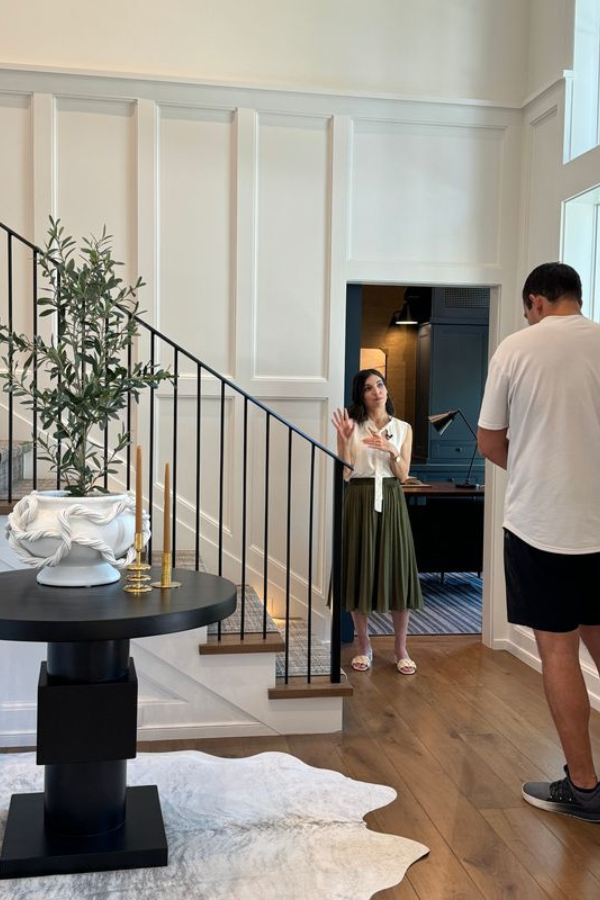
Several designers note that quiet luxury depends on the envelope of a room as much as the furnishings. Ken Fulk says in Vogue that it shows up in “the profile detail in a crown molding,” which suggests the architecture matters. If the walls, floors, or hardware are thoughtfully chosen, the room stays grounded even when it’s empty.
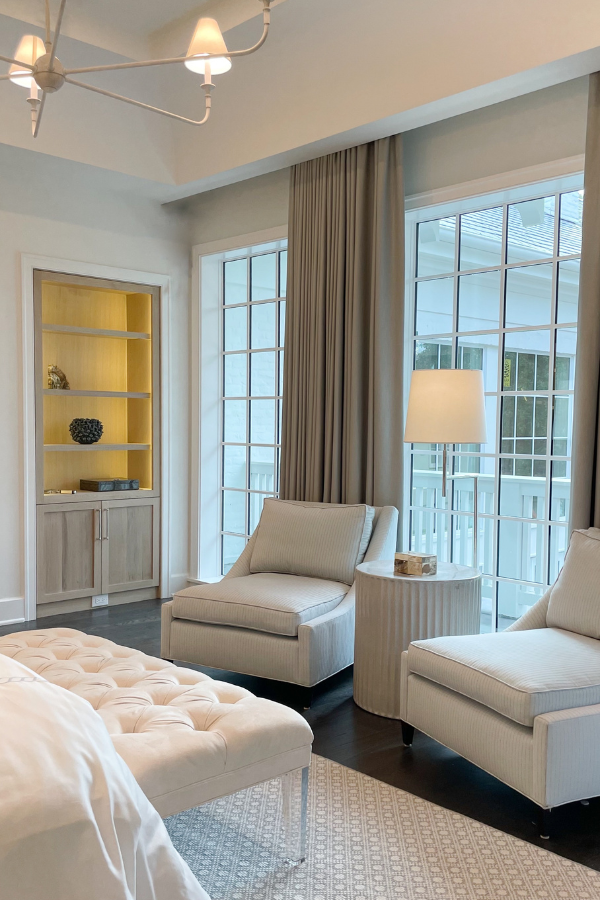
Lighting plays a major role as well. Martha Stewart’s coverage emphasizes layered lighting, where ambient, task, and accent lighting work together to create depth. A room can shift throughout the day when the lighting fixtures are placed with intention. Sheer curtains soften harsh daylight and help create a sense of well being.
Fuel your creative fire, thrive with support from peers, & make 2025 your firm’s best year yet!
JOIN THE DESIGNDASH COMMUNITY

Mixing old and new is another clear thread. Quiet luxury is comfortable pairing a vintage chair with a contemporary sofa. A new rug can sit under a weathered side table without breaking the mood. In the Martha Stewart article, Andrea West mentions that she likes combining “elevated materials” like marble with vintage accessories to add warmth. That blend keeps the room from feeling too staged.
Materials matter. Wood, stone, brass, and linen tend to dominate. These natural materials age gracefully and support a timeless design approach. When a room relies on this kind of palette, it discourages the quick churn of fleeting trends.
How to Bring Quiet Luxury Into Your Own Home
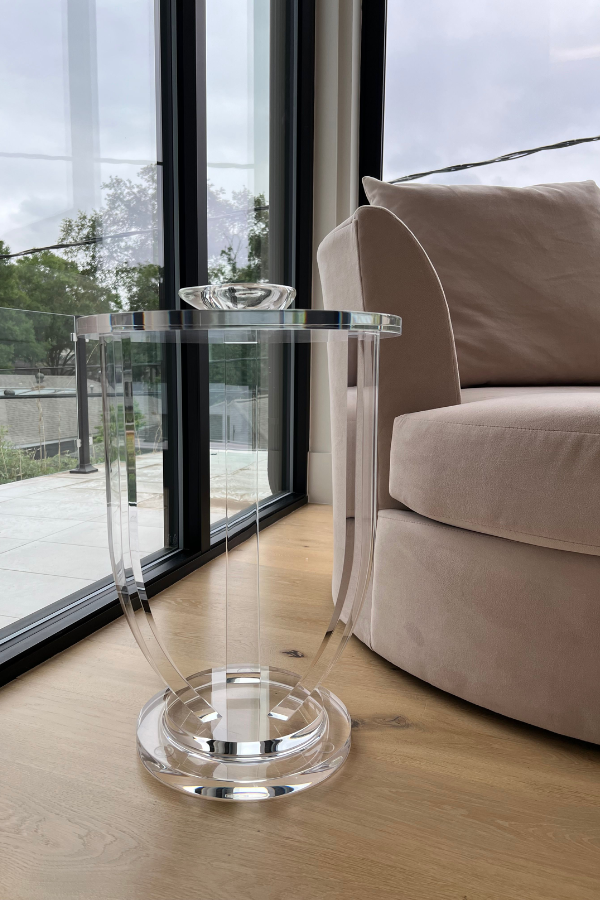
Quiet luxury interior design is more achievable than it seems. A room doesn’t need luxury retailers or large budgets to reach this level of refinement. It simply needs intention. Many designers recommend beginning with a few statement pieces that have clean lines and a solid, tactile quality. A dining table in solid oak or walnut can set the tone. A pair of armchairs with honest construction can do the same. Once these pieces are in place, the rest of the room can develop slowly.
King mentions in Vogue that quiet luxury requires thinking about “palette, wall texture, flooring, hardware, window coverings,” because these basics frame everything else. It’s a methodical way to create a living space that holds up. You can add art gradually. You can incorporate a piece of sculpture that you’ve had for years. A handmade vase or a textured throw can soften the room without pushing it toward clutter.

Try to avoid filling your home with unnecessary items. A room benefits from breathing space. When every corner is filled, nothing stands out. When a room is edited thoughtfully, a single ceramic bowl or framed photograph can act almost like a focal point.
Quiet luxury design also encourages you to embrace the lived-in parts of your home. Leave a stack of books next to the sofa. Place a candle on the table that you actually use. Let the home show your habits and your interests. It makes the space feel real.
Is Quiet Luxury Still In?
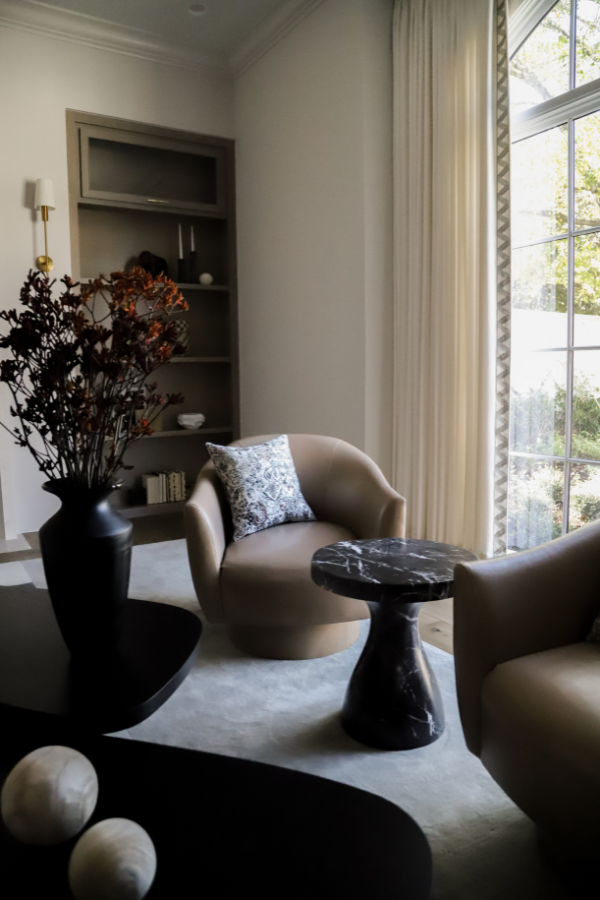
The quiet luxury trend hasn’t faded. It’s an attitude, after all. Many people are tired of the constant cycle of fast fashion and fast decor. They want rooms that feel steady. They want pieces that don’t need replacing every few years. Timeless pieces appeal to anyone trying to step away from disposable design.
Fulk explains in the Vogue article that after years of cultural change “the natural recourse is a return to quieter, slower, and perhaps more subdued experience.” That doesn’t read like a passing fad. It sounds more like an underlying architectural shift in how people want to live.
Designers continue to refer to quiet luxury because it offers a practical framework. It helps clarify what belongs in a room and what doesn’t. It encourages simplicity without losing comfort. It makes interiors feel grounded. And it remains one of the few styles that can evolve with age. A quiet luxury interior looks different in every home because it depends on personal history, collections, and routines.
Our Verdict: Yes!
Quiet luxury decor is still very much in. It thrives when it’s personal, layered, and driven by quality rather than novelty. This style values craftsmanship, longevity, and subtlety. It allows you to create a serene environment that reflects your own life rather than anyone else’s.
Over time, this approach builds an elegant home that feels lived in and lasting. Not loud. Not bare. Just thoughtful, special, and uniquely yours.
Written by the DesignDash Editorial Team
Our contributors include experienced designers, firm owners, design writers, and other industry professionals. If you’re interested in submitting your work or collaborating, please reach out to our Editor-in-Chief at editor@designdash.com.
Related Posts
25 Drought-Tolerant, Fire-Resistant Plants to Reduce Your Risk
Incorporating drought-tolerant, fire-resistant plants into your landsc

Effective Follow-up Strategies for Interior Designers
LIKE 0 LEAVE COMMENT 0 6 min read Summary Reflection Questions Journal
From Bold Fuchsia to Soft Blush: 10 Pink Wallpaper Designs We Adore
From archival florals to modern gradients, these ten pink wallpaper de
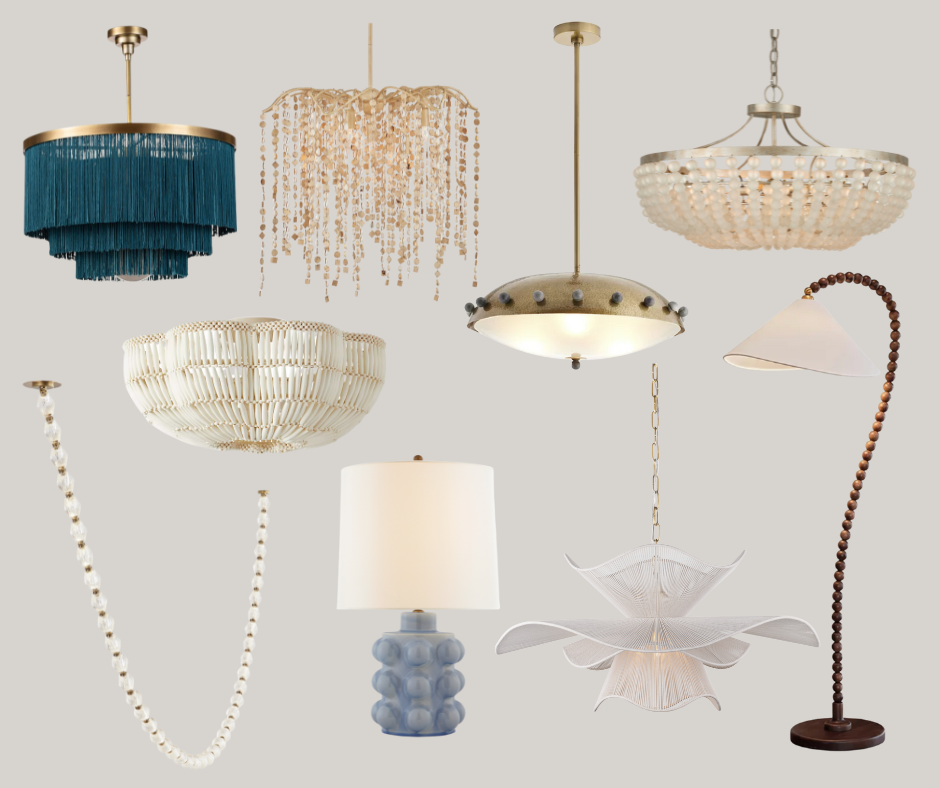
Interior Design Trend: Beaded Lamps & String Light Fixtures
To honor another interesting HPMKT interior design trend, we've rounde
How to Navigate Your Interior Design Business During Economic Shifts
Navigate the economic shifts with strategies to succeed in your interi