
Should You Ever Take On a “Friend Favor” Project as a New Design Firm Owner?

 0
0
 0
0Summary
Taking on discounted or informal projects for friends can blur boundaries, strain relationships, and jeopardize your positioning as a new design firm owner. Clear communication, honest evaluation of your workload, and firm but gracious boundaries help you decide when to say yes, when to decline, and how to express gratitude without compromising your rates.
Reflection Questions
When a friend asks for design help, do you instinctively say yes out of loyalty, or do you pause to consider scope, boundaries, and the potential impact on your business?
What expectations (yours or theirs) tend to cause friction in “friend favor” situations, and how might clearer communication prevent misunderstandings?
How can you express generosity and gratitude in your firm without discounting your fees or creating confusion around your value?
Journal Prompt
Think about the last time a friend or family member asked for design help.
What assumptions did each of you bring to the conversation? Write about how the interaction might have shifted if you had set clearer boundaries, defined the scope upfront, or confidently declined. Identify one script or boundary you want to use next time so you can protect both the relationship and your business.
Second only to questions of whether to hire family members and friends is that of whether you should ever cut your rates for a friend. A request from a friend can feel harmless at first. Someone you care about needs help choosing paint, arranging a room, sourcing decor objects, or solving a traffic flow problem that has bothered them for years. But even a simple request can add so much strain to an otherwise healthy dynamic.
What makes these projects tricky is the mix of familiarity and expectation. The friend might picture an easy process, but you know that the drafting, sourcing, and coordination still take the same amount of time it would with a client paying full-price. However, these “friend and family” projects could produce stunning photos for your portfolio or excellent testimonials on your website. Just as easily, though, you could end up damaging the friendship or even footing part of the bill yourself.
How to Handle a Friend Favor Without Losing Your Footing
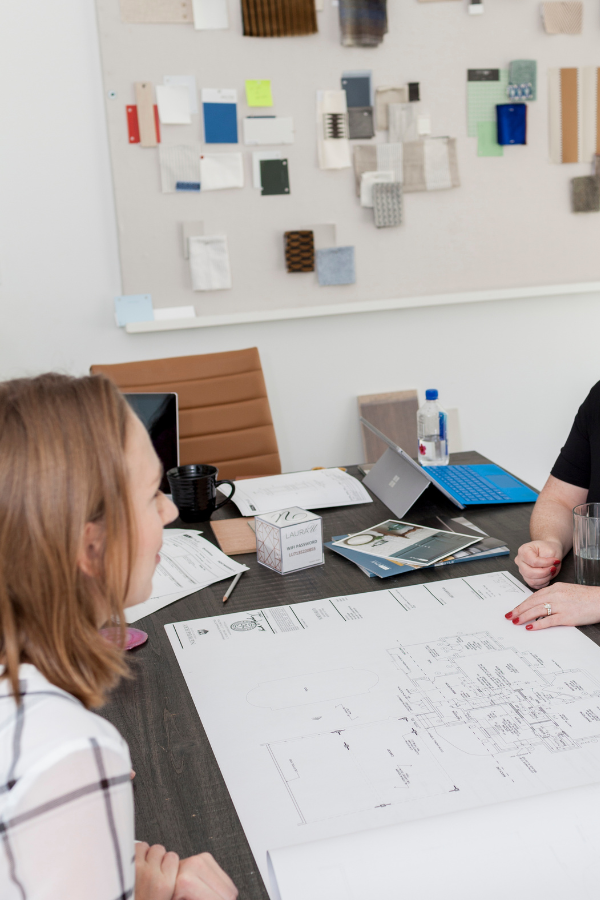
Laura has been in this position many times and has a straightforward rule. “I’ve done ‘friend favors,’ and I’ve also learned to be very careful with them. When you discount your work for friends, boundaries blur fast.” She is not being dramatic. A friend thinks you’re doing a bit of sourcing on your lunch hour. You assume the friend understands the extensive amount of time involved. Both sides move forward with different expectations, and the project settles into an odd middle ground where neither person feels entirely comfortable. You might feel taken advantage of; they might feel like you aren’t taking them seriously.

As Charlotte Cowles writes in an article for The Cut, “It stings to be pressured to shortchange yourself, particularly by a friend [and] I’m not saying that you shouldn’t use your valuable skills to do favors from time to time — kindness and loyalty have their own non-monetary value.”
However, there’s a way to say “yes” and a way to say “no.” If you do offer a “friend favor,” make sure there are clear boundaries around what each person receives from the arrangement. Are you consulting? Are you sourcing? Are you “taking a quick look” at their space during a dinner party? Figure out what they want and what you’re willing to offer, or say “I don’t do that” right off the bat.
Deciding When to Say Yes — and When to Step Back
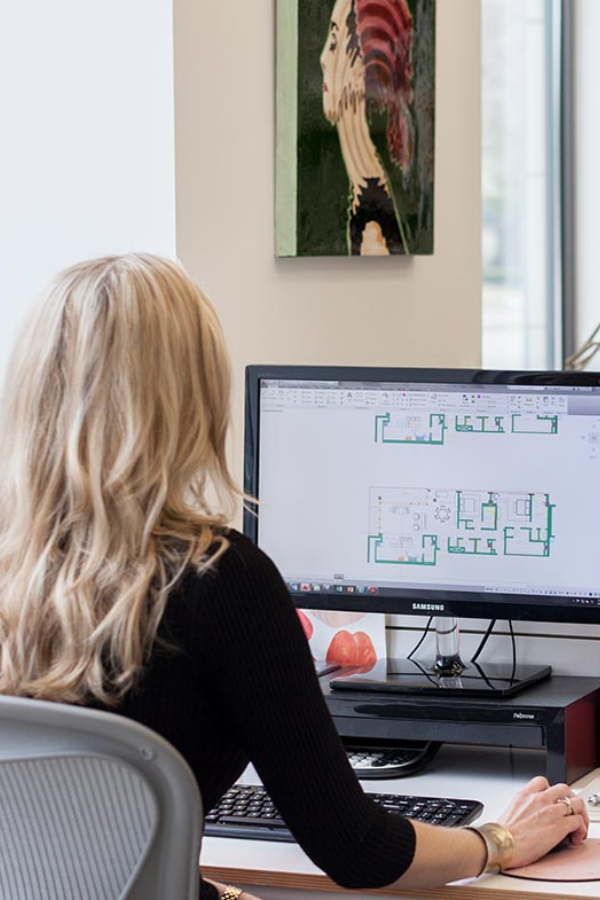
Friend projects and referrals both require a clear sense of what you can take on without compromising your workload or your sanity. Before saying yes, look at your calendar and be honest about what you can realistically deliver. If you already feel stretched, adding a project on top of everything else creates tension you didn’t intend. A friend may not know how crowded your schedule is, and they may assume you can fit them in because the request feels small from their perspective.
If you do have room, keep the conversation even-keeled and straightforward. Tell them what you can help with and what you cannot. This protects the relationship far more than agreeing to something you cannot support well. Most friends respond better to upfront clarity than to a hesitant yes that becomes an awkward headache later.
How to Say No Without Damaging the Friendship
There will be times when the right answer is “no,” even if you care about the person asking. Maybe your schedule is full. Maybe the request falls outside your service model. Maybe the friend expects you to work at a pace that would disrupt your paying projects. Saying yes in those situations creates more strain than saying a polite “no” ever would. Of course, the key here is to decline in a way that preserves the relationship and still respects the boundaries your business deserves.
Fuel your creative fire & be a part of a supportive community that values how you love to live.
subscribe to our newsletter
*please check your Spam folder for the latest DesignDash Magazine issue immediately after subscription
One of the easiest ways to say no is to point to your workload. A friend usually understands that your time is tied to active projects. You can say something like, “I want to give you my full attention, and I can’t do that right now with the projects I already have underway.” This signals care rather than rejection. It also shows that you take your commitments seriously and that their project would be one of those important commitments in the future.
Another option is to explain what the project would require if you were to do it properly. Many friends assume their request is miniscule. When they hear that your process involves measuring, sourcing, vendor communication, and installation oversight, they often realize they’re asking for more than they intended. A simple explanation of scope and involvement can shift their expectations without making them feel embarrassed.
You can also decline based on fit. Not every designer should take every project. If the request doesn’t match your expertise or your preferred scope, a referral is kinder than forcing yourself into work that doesn’t suit your firm. “This isn’t the kind of project my team takes on, but I know someone who would be great for it,” is a respectful way to redirect the request. Friends appreciate being pointed in the right direction, and it takes the pressure off of you.
Long story short, saying no doesn’t have to harm the friendship. What harms the friendship is saying yes to something you either can’t deliver or would seriously resent.
Avoid Referral Discounts If You Do Say Yes
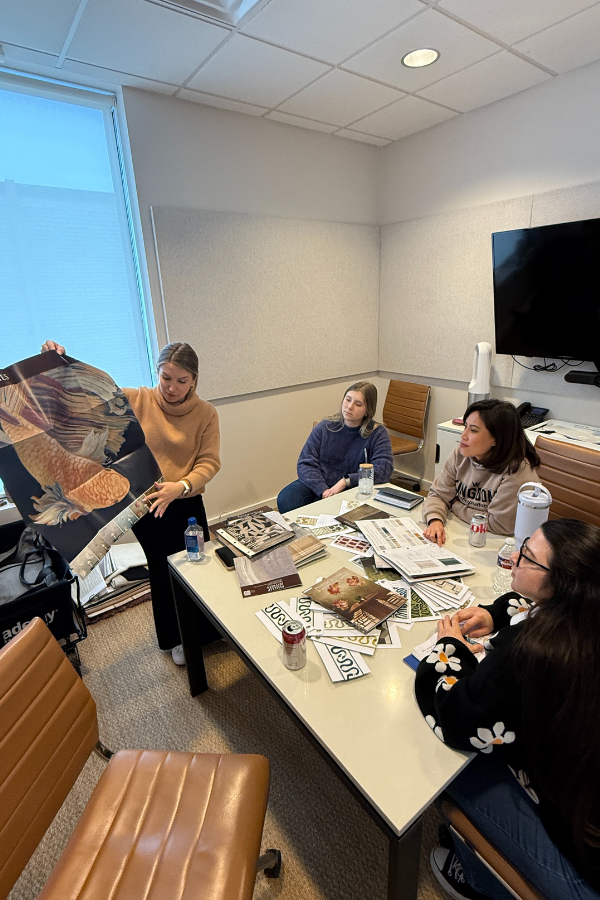
Referral discounts seem extremely helpful at first, especially for new firms. But they can quickly become problematic. A discount tied to a referral changes the tone of your relationship. Instead of someone recommending you because they trust your work, the exchange starts to feel much more transactional, and that can silently spread through your client base.
It also encourages people to view your pricing as flexible, which makes every future conversation harder to navigate. CEO and founder of Laura U Design Collective, Laura Umansky, avoids these offers entirely.
“As for referral discounts: I don’t recommend them. They cheapen the relationship and can undermine your positioning. A thoughtful thank-you gift is far more professional and keeps your brand elevated.”
There’s also the matter of perception inside the industry. Designers talk, trades talk, and clients compare notes. Any hint of a kickback can feel unprofessional in a field built on trust and taste. It can even cast doubt on your recommendations. Someone may wonder if you’re selecting a product for its merit or for a perk attached to it.
Even if that doubt is unfounded, the question alone can damage your reputation. A simple thank-you gift keeps the relationship clean and avoids sending the wrong message about how your firm operates.
How to Thank Referring Clients Without Undercutting Your Firm
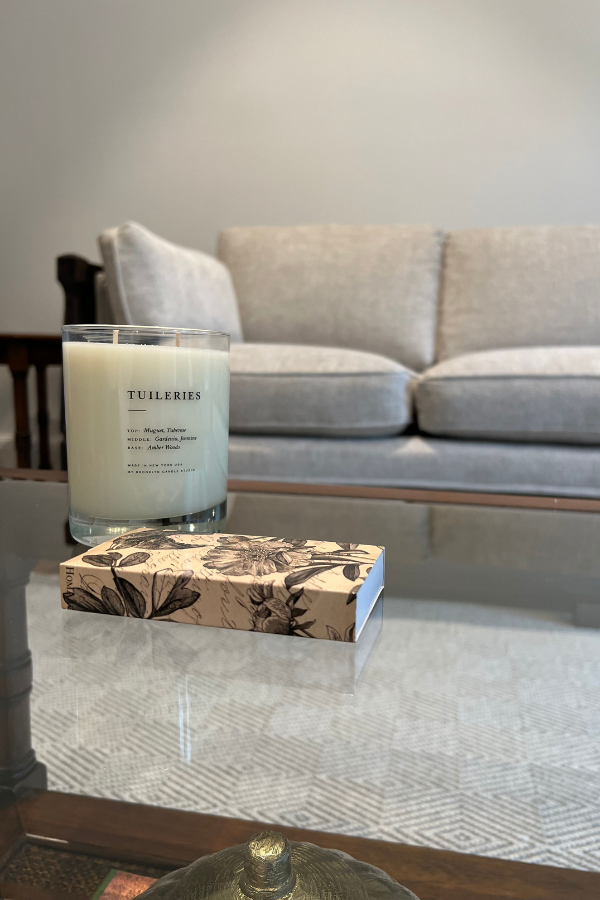
Gratitude is important in this industry. Word-of-mouth referrals have long shaped which firms thrive and which ones struggle. But gratitude doesn’t need to interfere with pricing. A thank-you gift feels personal and meaningful. It reinforces the relationship without altering the value of your work. Clients appreciate it because it shows care instead of cold calculation.
A handwritten note, flowers, or a small gesture tailored to the client’s interests often goes further than a discount. It says, “I see what you did for my firm, and I appreciate it,” without introducing any financial confusion. It also keeps your positioning intact. Clients who invest in design work expect a consistent, confident fee structure. When you maintain that structure, you signal that your firm knows its value and supports all its clients equally.
These small gestures help your reputation grow in the right direction without the awkward hurdles that kickbacks might introduce. People remember how you treated them, and they talk about it. That word-of-mouth is worth so much more.
Final Thoughts
New firm owners often feel pulled in many directions, especially when their business is still finding its footing and taking its rightful place in the market. But protecting your pricing, your time, and your reputation is part of building a sustainable practice.
Fuel your creative fire, thrive with support from peers, & make 2025 your firm’s best year yet!
JOIN THE DESIGNDASH COMMUNITY

Laura’s advice is so valuable here. Her experience reinforces the simple truth that when you treat your work and time with respect, others learn to treat it that way, too. Think of it as a little twist on the Golden Rule. Treat yourself the way others should treat you.
Related Posts

Adaptive & Aesthetic: Ergonomics and Accessibility in Jewelry Design
Here's how adaptive jewelry design can boost inclusivity and keep your

7 Real-World Secrets to Scaling a Design Firm (Without Losing Your Soul)
Learn how iconic designer Kate O’Hara of O’Hara Interiors scaled h
Going from ‘Me’ to ‘We’: How to Finally Trust Your Team as a Firm Owner
Struggling to lead your design firm without micromanaging? Laura Uman
A Circle, Not a Ladder: The Power of Peer Mentorship in Interior Design
When women in design support each other through peer-to-peer mentorshi

Coaching & Community: Why Interior Designers Need Both for Long-Term Success
Belonging to a strong community of peers supports the growth you foste

Make Peace with Lost Connections: What to Do If a Client or Colleague Ghosts You
Silence isn't always personal. Here's how to respond with professional