


Should My First Hire Be Design-Focused or Operations-Focused?

 6
6
 0
0Summary
For many firm owners, the first hire that creates the biggest impact is operational support. Bookkeeping, accounting, invoicing, scheduling, and admin tasks take up more mental space than most designers expect, and offloading them can free up creative and leadership capacity quickly. Outsourcing works well for specialized or time-bound roles, but hiring an in-house team member can provide reliability, alignment, and accountability. Firms often make costly hiring mistakes when they rush, skip role definition, and onboard without a plan.
Reflection Questions
If I had ten extra hours each week, where would I put them: design work, client leadership, or business development?
Which tasks are clogging my brain right now because I keep “meaning to get to them”?
Am I trying to hire a person, or am I trying to solve a specific operational bottleneck?
Journal Prompt
Write down the last five tasks you did that left you irritated or drained. Be honest. Now write down the last five tasks you did that felt high-value and energizing. What’s the difference? Where would a first hire reduce friction fastest, and what would that allow you to do more consistently?
When designers imagine their first hire, they probably aren’t thinking about office managers or bookkeepers. They’re picturing another set of hands on drawings. Someone to help with sourcing. A junior designer who can lighten the creative load without costing too much.
That instinct makes lots of sense in a creative industry. Design work is visible. It’s the part clients know that they’re paying for. It’s also the work many principals miss once the business side takes over. But first hires are not for “looks;” they’re for stabilization, reinforcement, and delegation.
The reality is that most owners do not stop designing or properly managing projects because they lack talent support. They stop creating and expanding because operations consume their attention. Invoicing, scheduling, bookkeeping, procurement tracking, and coordination pile up until creative time disappears altogether.
In this Q&A, we spoke with Laura Umansky and Melissa Grove of Laura U Design Collective about which type of hire makes the biggest difference in the early days of your firm, how to think about hiring versus outsourcing, and why urgency is often the most expensive hiring strategy of all.
Why Does The First Hire Feel So Personal?

First hires feel personal. You’re not only adding payroll. You’re sharing responsibility, reputation, and client experience with someone else. That’s a big change if you’ve been doing everything yourself.
It also happens at the exact moment many owners feel stretched way too thin. You’re answering late-night emails, chasing deposits, and trying to keep procurement organized while staying “on” for clients. At that point, the question of design-focused versus operations-focused doesn’t feel theoretical or “one day I’ll do that.” It feels urgent (and a bit terrifying).
And urgency has a cost (sometimes legal, sometimes financial), as does any decision made from a place of stress or fear. If you hire before you understand what you’re actually hiring for, you often end up with a talented person sitting in the wrong seat. That mismatch creates confusion, then frustration, then turnover. Meanwhile, you still have the same backlog of work that forced the hire in the first place.

The broader hiring market isn’t exactly making this easier. As Bob Moritz said way back in 2012 when writing for Harvard Business Review, business owners are suffering from “the great mismatch between skilled jobs and the talent needed to fill them.” According to the American Society of Interior Designers (ASID) 2025 State of Interior Design Report, the Bureau of Labor Statistics estimates about 69,580 employed interior designers, and the Barnes Report estimates an additional 56,449 designers are self-employed.
That self-employed number increased year-over-year, which matters because it shrinks the pool of candidates available for traditional firm roles. Many designers are opting out of employment entirely, often for flexibility and autonomy.
So yes, hiring is hard. But the bigger issue is hiring the wrong way.
Why Urgency Hiring Creates Such Expensive Problems
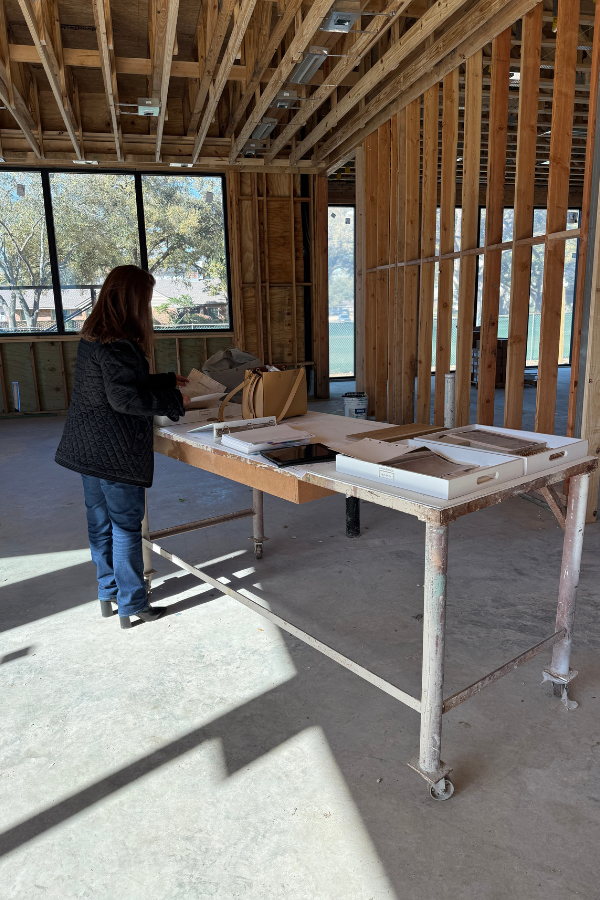
The biggest hiring mistakes tend to happen when owners are drowning. They hire because they can’t keep up, not because they’ve defined the need. They hope the person will “figure it out” because the owner doesn’t have time to define it. Melissa is blunt about how that goes (it’s not good).
“You end up hiring a person instead of solving a problem, which will only lead to more problems! And that can lead to unclear expectations, which means no one knows how to measure success. Also, if you’re rushing hiring, you’re probably also in a rush to onboard, which can diminish your new hire’s capability to learn and adapt.”
This is the part nobody wants to hear when they’re exhausted. But it’s true. When you skip the clarity step, you don’t save time. You borrow problems from the future. Unclear expectations create weird tension. The new hire wants to do well, but they don’t know what “well” means in your firm.
They start guessing. You start correcting. Then the correction starts to feel personal because there was never a shared definition of success. As this HBR article noted, “research points to ‘developing others’ as one of the five most critical capabilities for frontline leaders.” You can’t hire for any position unless you (or a staff member) are willing and able to actually support your hire’s integration into your firm.
Fuel your creative fire & be a part of a supportive community that values how you love to live.
subscribe to our newsletter
*please check your Spam folder for the latest DesignDash Magazine issue immediately after subscription

But many of us skip onboarding. If you hired in a rush, you probably don’t have a training plan. You put the person into live work immediately, and then you get frustrated that they aren’t reading your mind. That dynamic can sour a relationship fast.
This also ties directly into what we wrote about in Help! I’m Hiring Interior Designers in a Shrinking Talent Pool. Firms are fighting for fewer candidates, and mid-level talent has options. If your firm feels chaotic during onboarding, you’ll lose people who don’t have to tolerate chaos. They’ll leave and they’ll go independent, or they’ll join a larger firm with structure.
That’s why the first hire can’t be a random fix. It needs to solve the right problem, not just through another brain and set of hands into the mix.
Operational Support Often Changes a Firm Faster Than Design Support

It’s tempting to hire design help first because it feels directly connected to deliverables. But the work that eats the business is rarely design work (unless you’re tracking time and billing improperly). It’s admin, bookkeeping, and scheduling.
Laura described the shift that happened when she finally brought in operational help.
“Operational support changed my business. Not having to manage accounting and bookkeeping freed my brain. There is a lot of mental load that goes along with operations. It isn’t just the actual work. For a lot of creatives, just the idea of having to do bookkeeping weighs on us. Having someone professional to support me gave me space to think, lead, and design at a higher level.”
The amount of space either doing or thinking about these tasks takes up in your brain is absolutely real and impactful. The actual tasks matter, but the constant awareness matters too. When you know invoices need to go out, taxes need to be tracked, and vendor bills are sitting somewhere in your inbox, your attention is split all day long. Even when you’re specifying stone or presenting a floor plan, part of your mind is doing mental bookkeeping.
Operational support clears away that mental clutter. It also tends to pay for itself (or come close) because it reduces mistakes, tightens cash flow, and keeps projects moving. A missed invoice or a delayed client payment can cost a lot more than a part-time admin hire.
Delegating Is Key to Enjoying Firm Ownership
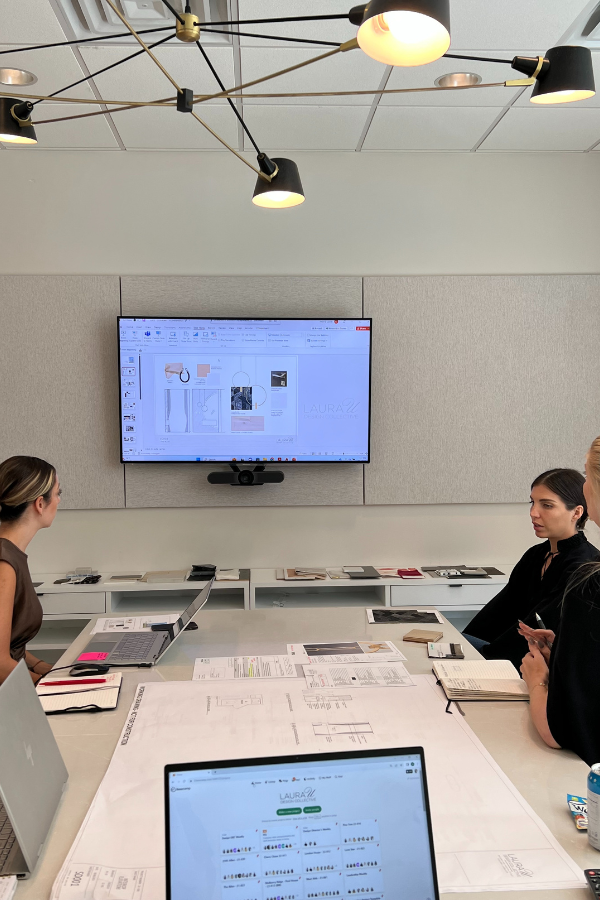
Laura also noted what she wished she’d delegated earlier, noting that…
“Administrative tasks, scheduling, invoicing, and anything that pulled me out of my highest-value work [had to go to someone else].”
Your first hire should protect your highest-value work. If you are the principal, your time is not equally valuable across tasks. Some work requires your judgment and your voice. Other work requires consistency and follow-through.
A lot of owners hire a junior designer hoping it will “give time back,” then discover they are now training, reviewing, correcting, and answering questions all day. Their calendar fills up even more. Not because the designer is bad but because the system can’t support another person yet.
Hiring vs. Outsourcing Isn’t an Either-Or Choice

Some owners assume hiring means committing to an employee right away. In practice, outsourcing can be a smart bridge, especially when work is unpredictable. Melissa explains why that’s useful for early-stage firms.
“Outsourcing is best for specialized or time-bound roles, like drafters or bookkeepers. But outsourcing can work at any time you need flexibility, especially if you’re just starting out. I’d hire for everything else, so you have the reliability of a team member who is bound to your Core Values and hours.”
This is where a lot of owners are misled. Outsourcing can reduce load, but it doesn’t always increase reliability. Contractors can be amazing, but they have their own schedules, their own priorities, and sometimes their own working style that doesn’t fit your firm’s standards. That’s not a moral issue. It’s just reality.
Outsourcing works well for roles where you need expertise without daily oversight. Drafting can fit there. Bookkeeping can fit there. Tax planning definitely fits there. Those roles are specialized and time-bound, so it makes sense to bring in outside support.

But when a role touches client communication, deadlines, or day-to-day workflow, reliability starts to matter more than flexibility. A team member who works your hours and follows your process reduces risk. They also start learning your patterns, which means fewer corrections over time.
If you need a simple test, ask yourself this: will this person represent me to clients or vendors in a meaningful way? If yes, a hire often makes more sense than a rotating cast of contractors.
A Better Way to Decide

If you’re stuck, don’t start with the job title. Start with the bottleneck in your firm. What is breaking down right now?
If cash flow is messy, invoices are inconsistent, bookkeeping is late, and you’re losing time to admin, operations support will likely create immediate relief. It may not feel glamorous, but it makes the business easier to run (and probably less expensive in the long-run). It also gives you the mental space to be the principal instead of the overwhelmed do-everything person.
If operations are stable but you are turning down projects because you can’t produce enough design work, then design support makes sense. That’s a capacity issue, not a structure issue.
Either way, define success before you post a job. Write down what the role owns, what it does not own, and what the first 30 to 60 days should accomplish. If you can’t explain the role clearly, you’re not ready to hire for it.
Related Posts

The Best CRM Software for Designers, Artists, and Real Estate Agents
The best CRM software can help designers, artists, and agents interact

Hyper Independence as a Female Creative Entrepreneur: How to Collaborate and Thrive
While independence is a valued trait in entrepreneurship, toxic indepe

Business Strategies for Interior Designers
LIKE 0 LEAVE COMMENT 0 9 min read Summary Reflection Questions Journal


Get Ahead of These Common Interior Design Problems with Advice from Laura U
Laura shares her insights about the most common challenges designers f

Your Team’s Ultimate Toolkit: The Best Interior Design Project Management Software
Your team must simultaneously manage budgets, timelines, and client ex

POST COMMENT
You must be logged in to post a comment.