
How to Transform Your Design Firm In the Next 6 Months

 0
0
 0
0Summary
The middle of the year gives design firm owners a chance to stop hoping the rest of the year will fix itself. In Episode 94 of the DesignDash Podcast, Laura Umansky and Melissa Grove walk through what a firm owner can still change before December across people, profit, promotion, process, and purpose.
Reflection Questions
What goal did you set in January that still hasn’t made its way into your actual week?
Which part of your business is draining the most time right now: invoicing, billing, marketing, process, or unclear delegation?
If December were the deadline, what would need to change this month for your firm to look different by then?
Journal Prompt
Write down what you want your firm to look like by December 31st. Include revenue, team structure, working hours, client load, marketing, and the kind of work you actually want to be doing. Then choose one change from each area: people, profit, promotion, process, and purpose. Which one would make the biggest difference in your week right now?
The middle of the year, which we’re fast approaching, has a strange yet uncanny way of exposing what January optimism didn’t materialize out of thin air. Your New Year goals are still there. The notebook filled with aspirations and plans is probably still there too, maybe with a few ambitious lines about revenue, hiring, marketing, and a better workweek still unchecked. But by May or June, the day-to-day pressures of running a design firm have taken over; they pushed all lofty ideas about business growth to the side.
In Episode 94 of the DesignDash Podcast, co-founders Laura Umansky and Melissa Grove talk about what firm owners can actually achieve before the end of the year if they act now. Laura frames the episode around a fictional firm owner named May, who runs a two-person firm earning around $300,000 to $400,000 a year. May’s design work is excellent. She’s getting referrals and some local attention. She also knows she’s underpriced, overextended, and managing too much of the business herself.
May might sound fictional, but barely. We’re betting that many firm owners (including you) know exactly what it’s like to be the designer, project manager, bookkeeper, marketer, social media person, and client-service department at the same time. Episode 94 pulls attention from the “How do I grow?” question to a better one: “What can I change between now and December?”

Three Takeaways from Episode 94 of the DesignDash Podcast
#1 May probably needs back-of-house help before she needs another designer
A small firm can trick its owner a little. The work is great, referrals are coming in, and the portfolio is starting to grow. From the outside, that can look like a business on its way to the next level. Inside the firm, though, the owner may still be sending invoices, checking payments, answering client emails after dinner, reviewing drawings, ordering samples, posting on Instagram, and trying to remember whether anyone followed up with the upholsterer.
In May’s case, she needs to consider hiring and delegating. May’s next hire is not automatically another designer, even though that may be the more tempting choice. Another designer can help with drawings, sourcing, and presentations, but May’s bigger problem might be that she’s still responsible for too many back-of-house tasks. If she wants to think about growth before December, she needs to look at the tasks that keep interrupting the role only she can play.

That person might be an admin, a bookkeeper, a procurement coordinator, or some combination of those roles. The exact title depends on the firm, but the job May fills has to relieve a real pressure point. Invoicing is one of the first places Laura and Melissa point to because it steals time and blurs the client-designer relationship. It’s hard to be the creative lead in one email and the person asking about an overdue invoice in the next.
Laura notes that a bookkeeper or admin can keep invoicing on schedule, remind the team to enter time, and communicate with clients in a way that fits the firm. That support sounds less glamorous than a design hire, but it will probably change the owner’s week faster and more meaningfully. It also cuts a cleaner line between client service and financial follow-up, which is better for everyone involved.
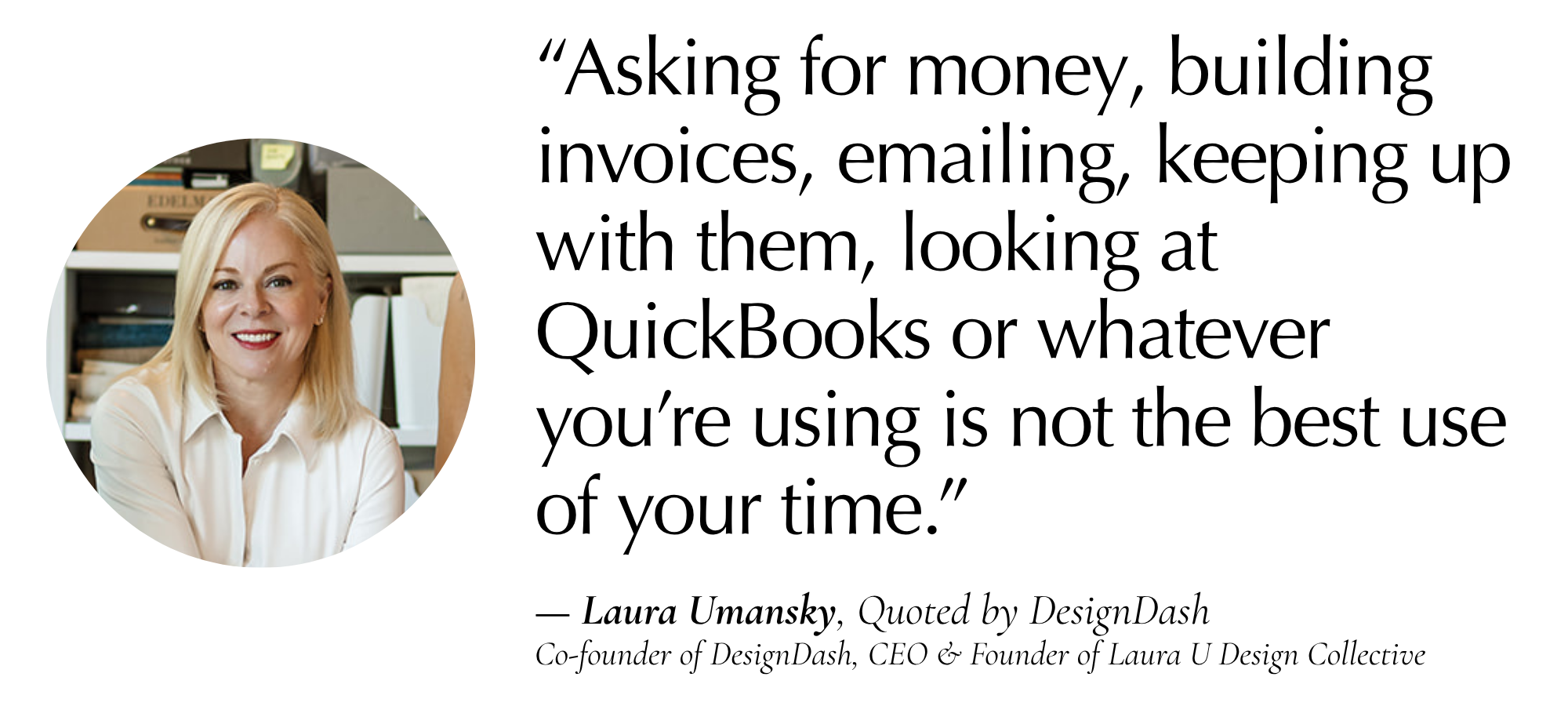
May might still need other designers in her firm eventually. But if she hires another designer and continues spending her evenings buried under invoices, QuickBooks, and client payment reminders, she hasn’t solved the task category that was draining her attention in the first place. She has added another person to manage without clearing enough room to lead.
This is why the people pillar of your firm has to start with the facts. What is May doing every week that someone else could own? Which tasks are interrupting business development, creative direction, and billable work? Which hire would make her calendar less reactive by December?
Takeaway for Firm Owners
Before you hire another designer, look at the work that keeps pulling you out of creative direction, business development, and client relationships. Your next hire should return time to the owner, not just add capacity to the team.

#2 Your billing and marketing need a midyear review, not a vague promise to do better
By May or June, a firm has enough information about the coming months to stop throwing stuff at the wall. There are real inquiries to review, real invoices to compare, real expenses to check, and real client sources to evaluate. That can be annoying, especially if the numbers don’t line up with what January made possible on paper. Still, the middle of the year gives firm owners a chance to adjust while there’s still time for those adjustments to affect December.
Melissa starts with the financial basics we all need to know and do: pull the profit and loss, review expenses, look at average monthly revenue, and understand the break-even point. Many firm owners and solopreneurs avoid this because client work is more urgent and, honestly, because the numbers can be intimidating. But a firm owner can’t set a credible revenue goal for next year while refusing to look closely at the money already passing through the business. What’s the point of planning or hoping or dreaming if you won’t look at the information you already have to work with?
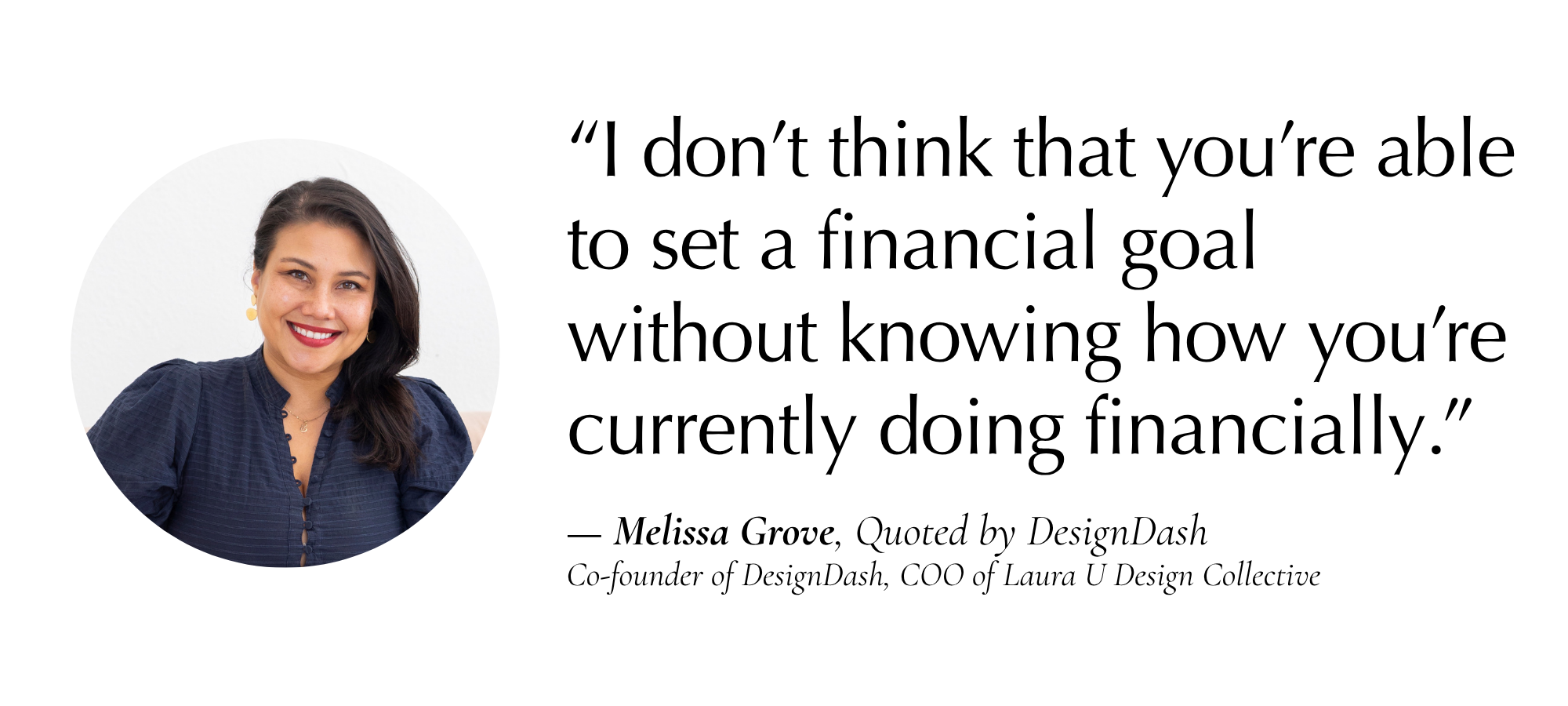
At this point, Laura pushes the conversation toward billing. If May is underpriced, she might not need to work more hours, but she’ll definitely need to stop giving away time that should have been billed all this time. Laura talks about moving to hourly billing, setting a professional fee schedule, and billing for the people who are actually contributing to the work, including admin or procurement support when that role applies.
A billing change won’t be effortless and you might come up against client questions. Contracts need revision. Client language needs practice. The firm might need to watch time entries more carefully than it has before because everyone is adjusting. But this is one of the few changes May could make in July or August and still see reflected before the end of the year. In the end, switching billing structures could take a ton of unnecessary pressure off of her and enable her to choose clients that are better fits for her firm.

Another way to capitalize on the latter part of the year is to refocus on marketing. Melissa talks about reviewing where the first half of the year’s clients came from, where the best clients came from, and which inquiries were too small or wrong for the firm. That information should influence the rest of the year’s marketing plan. Otherwise, May might keep pouring effort into the channel that feels easiest instead of the channel that’s actually bringing in ideal clients.
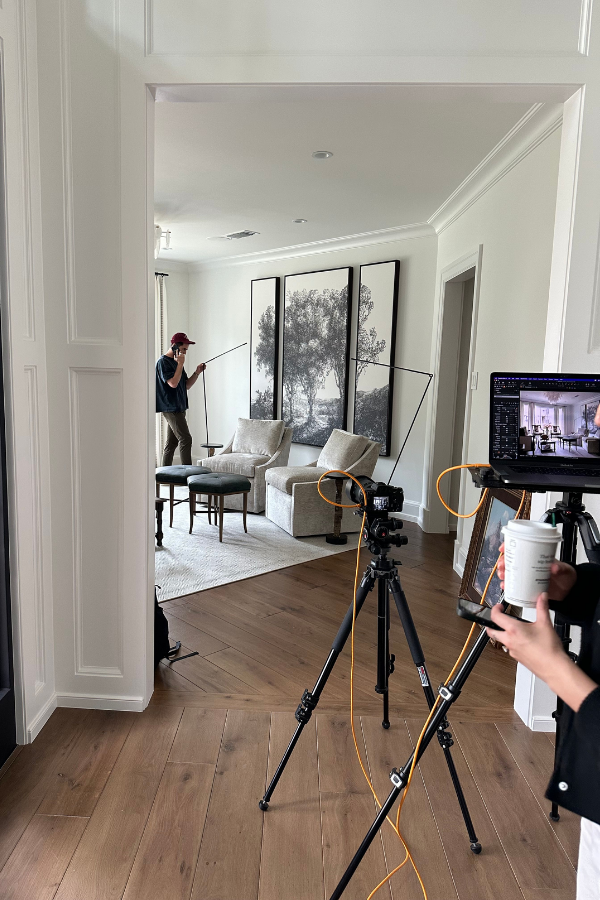
Instagram might be part of the plan, of course. But if referrals, Google, photography, SEO, past clients, builders, or architects are doing more for the firm, the back half of the year should reflect that. Melissa also points to photography as one of the most important marketing assets a designer has. That makes sense because you can’t pitch, post, submit, or refresh your website with projects nobody has photographed well.

There’s also the personal outreach part of marketing, which we sometimes forget about in this increasingly digital age. But interior design is still a high-touch industry. Builders, architects, vendors, past clients, and referral partners need actual contact. Summer might be slow, but it can give May room to plan that outreach, and the fall holidays can give her a reason to reconnect before the year ends.
Profit and promotion are paired in this episode because both force May to separate activity from evidence. Posting is activity. Reviewing lead quality is evidence. Sending invoices is activity. Understanding whether billing reflects the work you’ve done is evidence. May doesn’t need to shame herself over what didn’t happen in the first half of the year, but she does need to take a hard, honest look at what did happen and make a few better choices while she still can.
Takeaway for Firm Owners
Pull the numbers, review the lead sources, and look at how your firm bills for the work it actually performs. Then choose one financial change and one marketing change that can affect the rest of the year.
Fuel your creative fire & be a part of a supportive community that values how you love to live.
subscribe to our newsletter
*please check your Spam folder for the latest DesignDash Magazine issue immediately after subscription

#3 You don’t need a perfect process before you build a clearer firm
Process can make a small firm owner panic. The word alone can bring up client onboarding packets, design phase documents, procurement workflows, presentation templates, install checklists, internal handbooks, and all the other materials a larger firm might already have. May could spend months trying to document everything and still avoid the harder question of whether the process actually helps her execute better projects.
Melissa pushes back on that pressure, especially for a solopreneur or two-person firm. May probably doesn’t need to write every internal document from scratch right now. She needs a project path that keeps the client, the team, and the owner from reinventing the work every time a contract is signed. There’s a difference between having no structure and trying to build a corporate operations manual before the firm is ready for one.
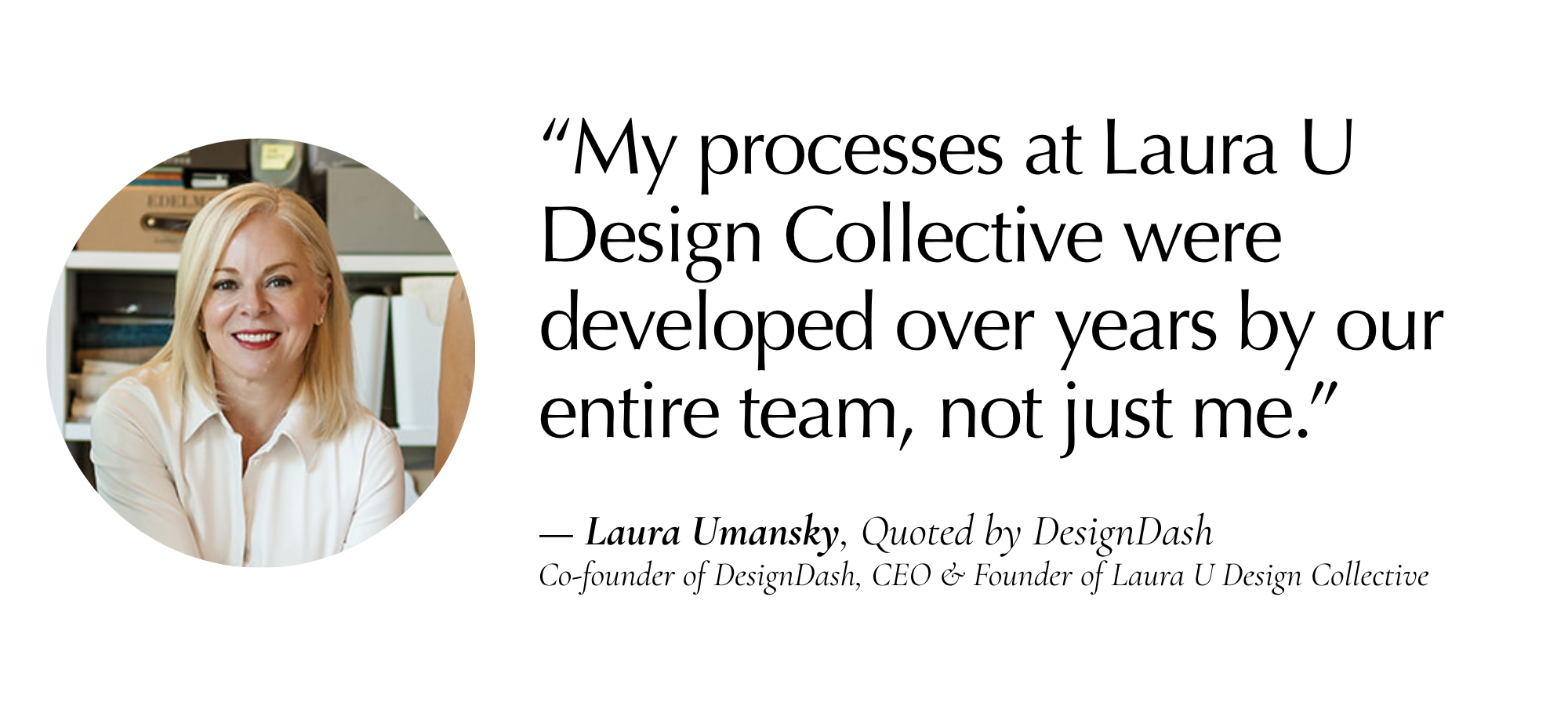
Laura’s point here is important because it takes some pressure off the founder. Laura U Design Collective’s processes were not created by one person over one heroic weekend. They were built over years by the leadership team, senior designers, junior designers, procurement, accounting, and other people inside the firm. That is a much more realistic picture of how process develops.
Growth Studio gives owners a process map they can adapt instead of asking them to invent the whole thing alone. Laura also says their process aligns with how architecture firms work and how builders expect to see documentation. That part is important because interior designers are often working inside a larger project team. The process has to make sense to the client, but it also has to work with the architect, builder, trades, vendors, and internal staff.
May doesn’t need to pretend she has a 15-person firm, but she does need a repeatable way to welcome clients, start projects, manage phases, document decisions, and close the work with care. A small firm can still have a professional process. It just has to be scaled to the business May actually has.
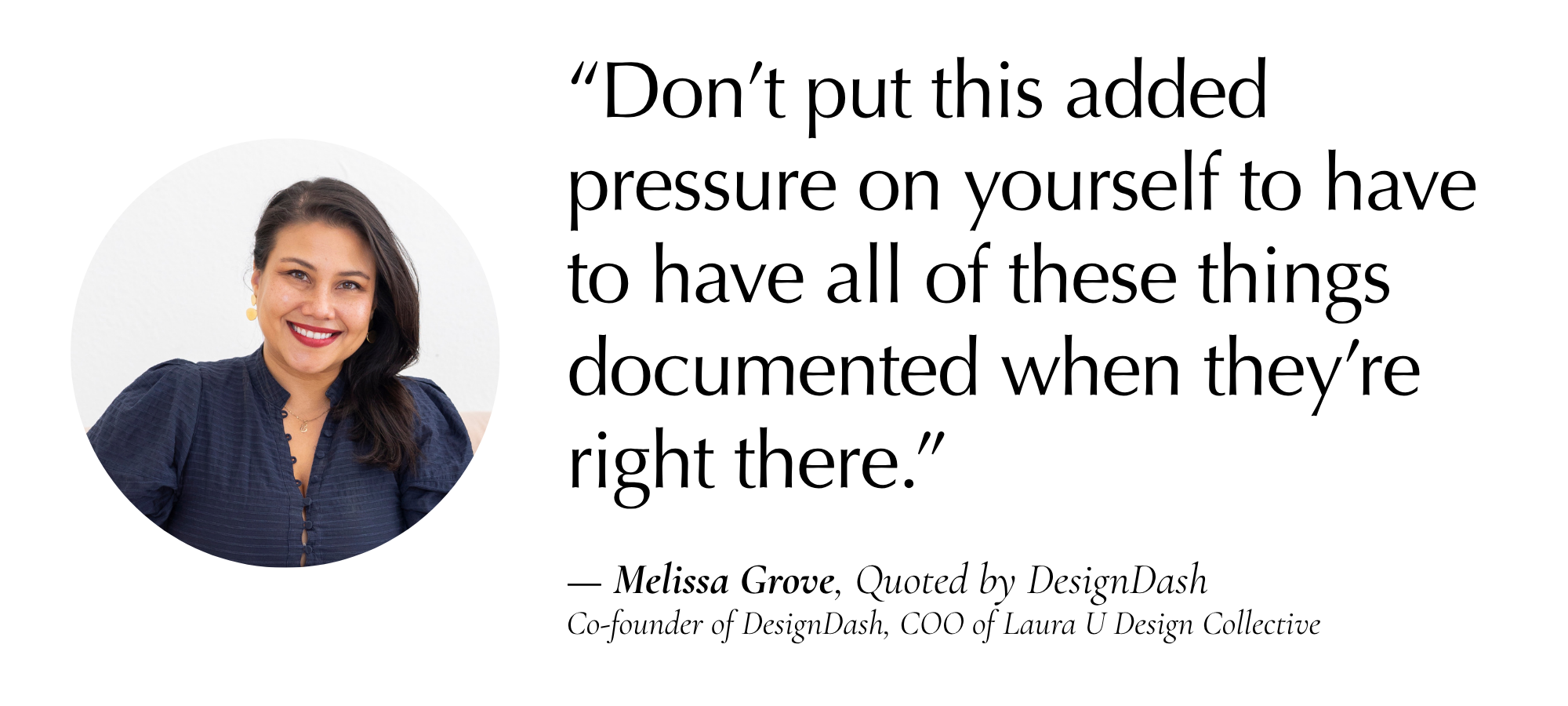
Purpose may sound gentler and more abstract than process, but Laura and Melissa treat it as a practical part of your firm’s growth plan. If May wants the business to look different next year, she needs to know what the firm is trying to build toward. That includes core values, mission, differentiators, goals, and the reason the firm exists beyond “we design homes for clients who hire us.”
Melissa says those answers can seem repetitive at first. You may think you already know why you started the firm. Maybe you do. But if you can’t define it clearly and quickly and concisely, your team will fill in the blanks for themselves. As the firm grows, those blanks will turn into inconsistency across marketing, hiring, client service, and project decisions.

The episode ends with integration, which is the point at which our five pillars become a written plan rather than five separate exercises. May might want to grow from $300,000 to $400,000. Another firm owner may already be at seven figures and want a design team under the principal. Someone else may have strong revenue but a 70-hour week that cannot continue much longer.
And that’s the value of DesignDash’s Growth Studio. Our program won’t ask every firm to chase the same version of growth because our firms are all entirely unique! Instead, it will guide each firm owner through building a growth plan that matches her individual firm, her goals, her numbers, her team, and her life.

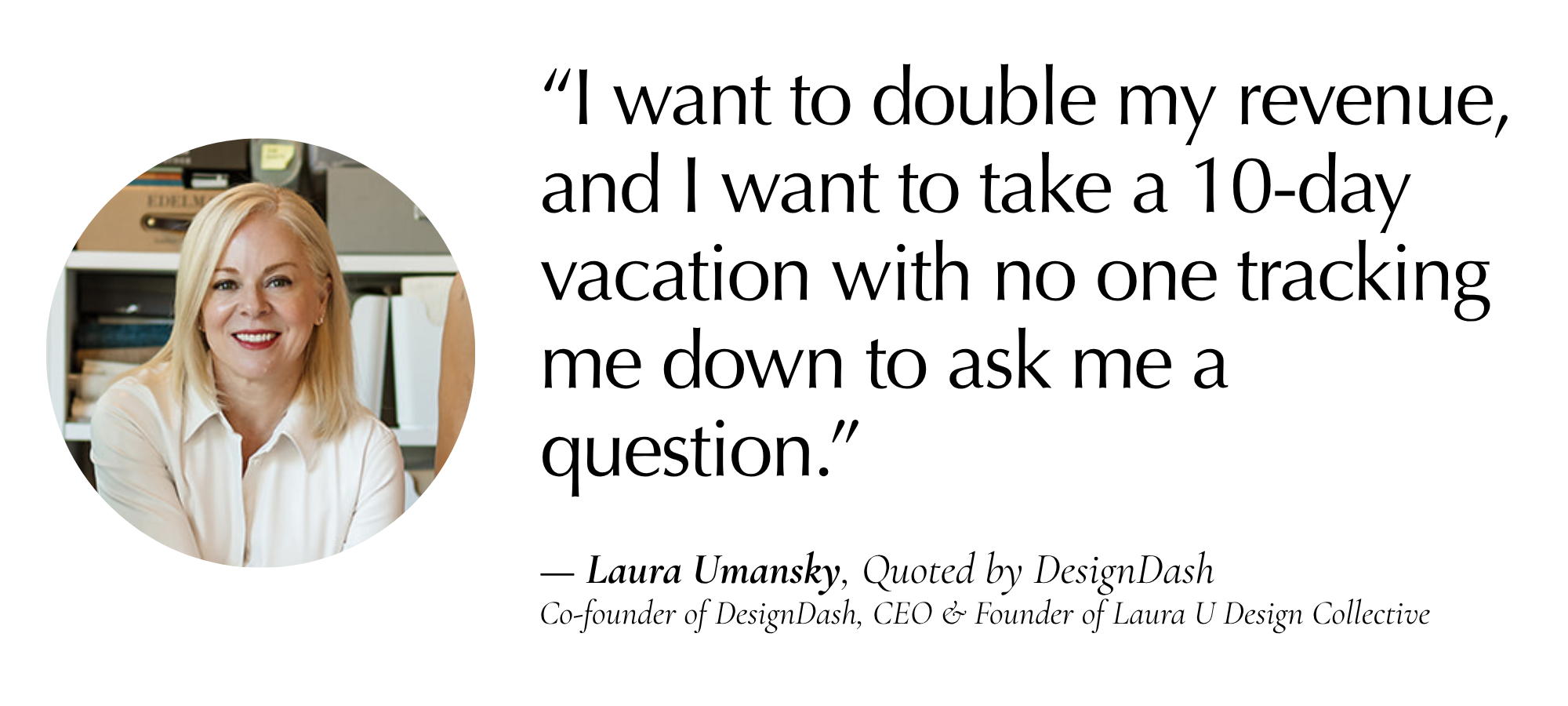
And yes, that plan can include revenue and rest. Laura makes that point directly near the end of the episode. A firm owner can want more money and a healthier workweek. She can want a bigger team and fewer late-night client emails. She can want a higher revenue goal and a vacation where nobody tracks her down with a question that should have been solved by the process.
Takeaway for Firm Owners
Use the back half of the year to build a clearer operating path. You do not need every document finished before you grow, but you do need a plan that connects process, purpose, people, profit, and promotion.
Final Thoughts
The back half of the year is enough time to change a firm, but only you are focused and specific. May doesn’t need to transform every part of the business before December, but she does need to change the structure a bit so that she’s not cluttering her schedule with non-design tasks someone else could easily do themselves.

That might mean hiring back-of-house support, changing the billing structure, reviewing where the best clients came from, booking photography, tightening the client onboarding process, or writing down the firm’s purpose and three-year vision. Each of those decisions is incredibly impactful. Who sends the invoice? Who follows up? How is time billed? How does a client enter the process? What does the owner stop doing so she can lead the business?
Within DesignDash Growth Studio, firm owners work through people, profit, promotion, process, and purpose with structure and live support. You won’t copy Laura U Design Collective’s road to success, but you will understand your own firm well enough to make better decisions before another December arrives with the same unchecked goals still sitting in that brand-new notebook.
Watch the Full Episode on DesignDash
Watch Episode 94 of the DesignDash Podcast to hear Laura Umansky and Melissa Grove talk through The Back Half Blueprint for Design Firm Owners. They cover hiring, billing, marketing, process, purpose, and what firm owners can still change before December.
Written by the DesignDash Editorial Team
Our contributors include experienced designers, firm owners, design writers, and other industry professionals. If you’re interested in submitting your work or collaborating, please reach out to our Editor-in-Chief at editor@designdash.com.
Related Posts

Our Networking Tips for Creative Entrepreneurs
Banish networking anxiety and make valuable connections no matter wher

Our Top Tips for Creating Seasonal Content That Resonates with Your Audience
From embracing holiday cheer to leveraging trends and personal stories

Why Your Design Firm Isn’t More Profitable — And How to Change That
Whether you’re a solopreneur or managing a team, the Profit First ap
Marketing Ideas for Interior Designers
For both seasoned professionals and newcomers to the field of interior

The Most Beautiful Historic Villas in Italy
Let's delve into the historical significance of some of the most cheri

12 Tips for Creating a Gorgeous Thanksgiving Tablescape With Stuff You Already Own
Transform everyday items into a stunning Thanksgiving tablescape with