
What Is a Revision Limit Clause, and Should Designers Include One in Contracts?

 0
0
 0
0Summary
A revision limit clause defines how many rounds of revisions are included within a design firm’s scope of work before additional fees apply. These clauses help establish expectations around decision-making, project timelines, and compensation for additional design work. For interior designers, revision limits can protect profitability and scheduling. For clients, they provide clarity around the design process and help projects continue moving forward.
Reflection Questions
How many revisions does your design process currently include?
Do clients know when a design phase has been approved and completed?
How often do projects revisit decisions that were previously approved?
Journal Prompt
Think about the most revision-heavy project your firm has completed. How many design hours were spent revisiting decisions after presentations had already been approved? How did those revisions affect the project’s schedule, profitability, and overall client experience?
Welcome back to our series exploring clauses interior designers should consider including in client contracts to protect themselves and their firms. Today, we’ll discuss revision limit clauses, which define how many rounds of revisions are included within a particular phase of work and what happens if additional revisions are requested. As always, we recommend speaking with a licensed attorney before making significant changes to any legal agreement. This article is not legal advice, nor should it replace professional legal counsel.
What Is a Revision Limit Clause?
A revision limit clause is a section of a contract that establishes how many rounds of revisions are included within the agreed-upon scope of work. Many firms include one or two rounds of revisions during concept development, furniture selections, floor plan development, material selections, or construction documentation. In fact, two rounds during conceptual phases and one at the end of the design stage are typical. After those revisions have been exhausted, additional changes may be billed separately.
The clause helps define where design work begins and ends. Without some sort of boundary, a project can remain in a perpetual state of review. New ideas emerge, old decisions resurface, and previously approved concepts return to the discussion months later. A revision limit clause creates checkpoints throughout the process so both parties understand when decisions have been made and when additional work may require additional compensation.
What Counts as a Revision?
The answer depends on the firm and the project. Some firms define revisions broadly. Others distinguish between minor adjustments and substantial redesign work. A client asking to swap one fabric for another may require very little effort. A client requesting an entirely new furniture plan after approving a design presentation may require hours of additional work.
Interior design projects are highly interconnected. Changing one item often affects several others. A new sectional may require a different rug size. A larger dining table may affect circulation. A revised cabinetry layout may affect appliance specifications, countertop dimensions, electrical plans, and millwork drawings. Revision clauses help account for that reality.
Why Do Unlimited Revisions Create Problems?

Many designers enter the profession because they enjoy solving creative problems. They want clients to love the finished result, and most are happy to refine ideas throughout the design process. Difficulties emerge when there is no clear endpoint for those refinements.
A project schedule is built around assumptions. Design presentations are prepared. Procurement timelines are established. Trades are coordinated. Installations are scheduled. When major decisions continue changing long after approval, those schedules become harder to maintain. Delays in one phase often affect every phase that follows.
Profitability can also suffer. A project fee is usually calculated based on an anticipated amount of work. If the scope quietly expands through repeated revisions, the amount of labor increases while compensation stays the same. Many designers have experienced projects where a relatively straightforward design engagement consumed far more time than anticipated because decisions continued cycling through review.

One Revision Often Creates Several Others
Clients sometimes view revisions as isolated requests. From the designer’s perspective, a single change can trigger a chain reaction.
Imagine a client decides she no longer likes the dining chairs selected for her project. Finding replacement chairs may require new finish samples, updated pricing, revised lead times, and fresh renderings. The replacement chairs may affect the dining table selection or alter the room’s overall color palette. Procurement schedules may need adjustment if the new manufacturer has different production timelines.
None of these tasks are unreasonable. They simply require time. Revision limit clauses acknowledge that design decisions are interconnected and that additional work often extends beyond the specific item being reconsidered.
How Revision Limits Protect Both Parties
Revision limits are often discussed as protections for designers, but clients benefit from them as well. Many homeowners hire designers because they feel overwhelmed by the number of decisions involved in a renovation or furnishing project. Flooring, cabinetry, furniture, lighting, hardware, plumbing fixtures, wallcoverings, paint colors, and window treatments all compete for attention. Decision fatigue is real. A structured design process helps clients evaluate options and move forward with confidence.
When every decision is open indefinitely, uncertainty will increase rather than decrease. Clients may revisit ideas they had already eliminated. Family members may introduce new opinions months into the process. Pinterest boards continue growing. The project drifts further away from completion while the list of possible alternatives expands.
Clients Benefit from Decision Points Too
Decision points create momentum. They allow a project to progress from one phase to the next without repeatedly revisiting the same conversations.
Clients won’t lose their voice in the project if revisions are limited. Interior design is inherently highly collaborative. Designers gather feedback, refine concepts, and adjust plans throughout the project. Revision limits simply establish a framework for those conversations. Both parties know when feedback is expected and how additional changes will be handled if they arise later.
What Happens When Clients Change Their Minds?
Clients change their minds for all sorts of reasons. They see a new product. They discover an image online. A spouse who wasn’t involved in earlier meetings suddenly takes interest in the project. Construction reveals an unexpected condition that affects the design. Budget priorities shift.
None of these situations indicate that anyone has done something wrong. Interior design projects often last months or even years. People’s preferences evolve, and circumstances change. The question is not whether revisions will occur. The question is how the firm manages them when they do.
Some firms build additional flexibility into their contracts. Others charge hourly fees after a certain number of revisions. Some create separate change-order procedures for larger redesign requests. The exact structure matters less than making expectations clear before work begins.
Fuel your creative fire & be a part of a supportive community that values how you love to live.
subscribe to our newsletter
*please check your Spam folder for the latest DesignDash Magazine issue immediately after subscription

Not Every Revision Is a Problem
The goal of a revision limit clause isn’t to discourage client feedback. Most designers want client input throughout the project. Feedback helps refine ideas and improve outcomes. But problems will emerge when the process lacks structure. A client who requests additional revisions after exhausting the included rounds may still receive those revisions. The difference is that both parties understand how that work will be billed and how it may affect the project’s timeline.
Can Better Discovery Reduce Revisions?

Yes! A thorough discovery process gives designers a clearer understanding of how clients live, what they value, what frustrates them in their current homes, and how they hope the completed project will function. Lifestyle conversations often reveal information that doesn’t appear on questionnaires or Pinterest boards.
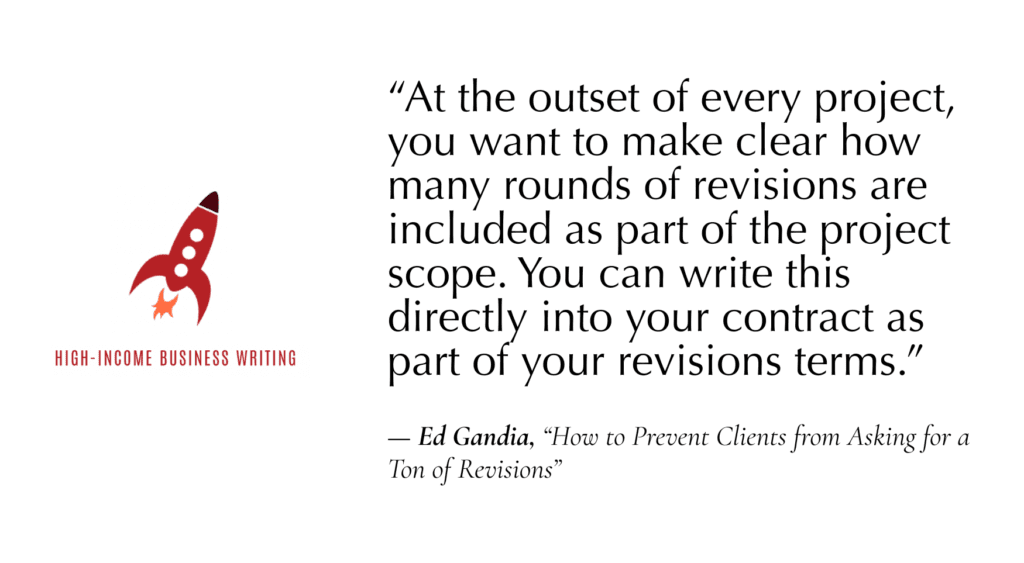
Business coach Ed Gandia recommends establishing revision expectations at the outset of a project. He notes that firms should clearly define how many rounds of revisions are included within the project scope and incorporate those terms directly into their agreements.
Good discovery won’t eliminate revisions entirely. It can reduce misunderstandings and help designers make stronger recommendations from the beginning. When clients feel understood, they often have greater confidence in the design direction being presented.
How Many Revisions Are Typical?
There is no universal standard. Some firms include one round of revisions per phase. Others include two or three. The appropriate number depends on the firm’s process, pricing structure, project complexity, and client expectations.
A firm presenting highly developed concepts may require fewer revisions than a firm that incorporates extensive client collaboration throughout design development. A luxury residential project may require different procedures than a commercial project or a decorating engagement. The important thing is consistency. Whatever approach a firm chooses should be clearly documented and communicated.

Where Should Revision Limits Be Defined?
Revision limits typically appear within the primary client agreement and may also be referenced within the scope of work. The language should identify how many revisions are included, what constitutes a revision, and how additional revisions will be billed if they exceed the contracted amount.
Approval milestones are often helpful as well. Many firms require written approval before progressing into procurement, construction documentation, or subsequent design phases. These approvals create a record of decisions and reduce confusion later in the project.
Clear documentation protects everyone involved. If questions arise six months later, both parties can refer back to the agreed-upon process.
Should Additional Revisions Be Billable?
Many firms charge additional fees once the included revisions have been exhausted. The structure varies widely. Some bill hourly. Others create flat-fee revision packages. Some establish separate rates for substantial redesign work.
Sean Low discussed this idea in a Business of Home article when he posed the following question:
“Would it be so absurd to tell your clients that your hourly rates for base design work are $250 per hour, but any revisions after the final presentation of ideas will be at $600 per hour, with a minimum of $3,600?”
Whether a firm adopts that exact approach is beside the point. The broader concept is worth considering. Additional revisions require additional labor. Designers must decide how that labor will be compensated. Clients generally understand paying for additional work when expectations have been established in advance. Surprises create friction. Clear contract language creates clarity.

Final Thoughts on Revision Limit Clauses
A revision limit clause helps define how decisions will be made throughout a design project and what happens when those decisions are revisited later. The clause establishes expectations around scope, scheduling, and compensation while creating a framework for collaboration between designer and client.
Interior design projects involve hundreds of decisions. Revision limits provide structure for those decisions without preventing feedback or collaboration. When both parties understand how revisions will be handled, projects generally move forward more efficiently and with far fewer misunderstandings.
Written by the DesignDash Editorial Team
Our contributors include experienced designers, firm owners, design writers, and other industry professionals. If you’re interested in submitting your work or collaborating, please reach out to our Editor-in-Chief at editor@designdash.com.
Related Posts

Should You Hire an Interior Stylist for Project Shoots?
Often working in lock-step with your photographer, the right interior

Your Team’s Ultimate Toolkit: The Best Interior Design Project Management Software
Your team must simultaneously manage budgets, timelines, and client ex

These Are the Best Business Books for Women by Women
There are so many insightful, empowering, and critically acclaimed wor

Takeaways from Our Coaching Session-ish with Alexandra Hartley
Laura Umansky and Melissa Grove coach Alexandra Hartley through hiring

All You Need to Know About Drafting Design Agreements
Learn what to include in your design agreement and how to refine your

What Does a “Successful” Firm Look Like Beyond Revenue?
Laura and Melissa reflect on what defines a successful design firm bey