
What Do I Do If My First Client Ghosts Me After I Send the Proposal?

 8
8
 0
0Summary
When a client ghosts after a proposal, it’s usually about timing, budget, or life circumstances, not the quality of your work. A simple, warm follow-up, respectful spacing, and a system for tracking long-term leads help you avoid overcorrecting, protect your confidence, and keep your focus on clients who are ready to move forward.
Reflection Questions
When a proposal goes unanswered, do you interpret the silence as feedback or as a neutral pause that doesn’t require immediate change?
How might a more structured follow-up system help you stay calm and confident instead of revisiting unanswered proposals emotionally?
What would shift in your business if you trusted that the right clients don’t need chasing and that timing, not worth, is often the real factor?
Journal Prompt
Think about a proposal you sent that never received a response.
What assumptions did you make about the silence, and how did those assumptions affect your confidence or next steps? Write about how you would handle the same situation today, perhaps with clearer boundaries, a lighter follow-up, and more trust in your process.
A client disappearing after a promising consultation can feel strange and hurtful. When you’re still building confidence in your firm, it can also feel a lot like an indictment. One day, the conversation is moving along and gaining steam, and the next, it evaporates into thin air. Designers often assume silence means something is wrong with the proposal or the pricing. In reality, that communication gap usually has more to do with the client’s timing or budget than with your work. Renovation plans stall. Financing takes longer than expected. Family commitments come up. People get overwhelmed and step back without informing you of what’s going on.
In this Q&A, we spoke with Laura Umansky and Melissa Grove of Laura U Design Collective about how to interpret these pauses, what to do when a PNC stops responding, and how to keep your footing when you’re still getting used to fostering client pipelines.
Start With a Follow-Up That Doesn’t Overcorrect
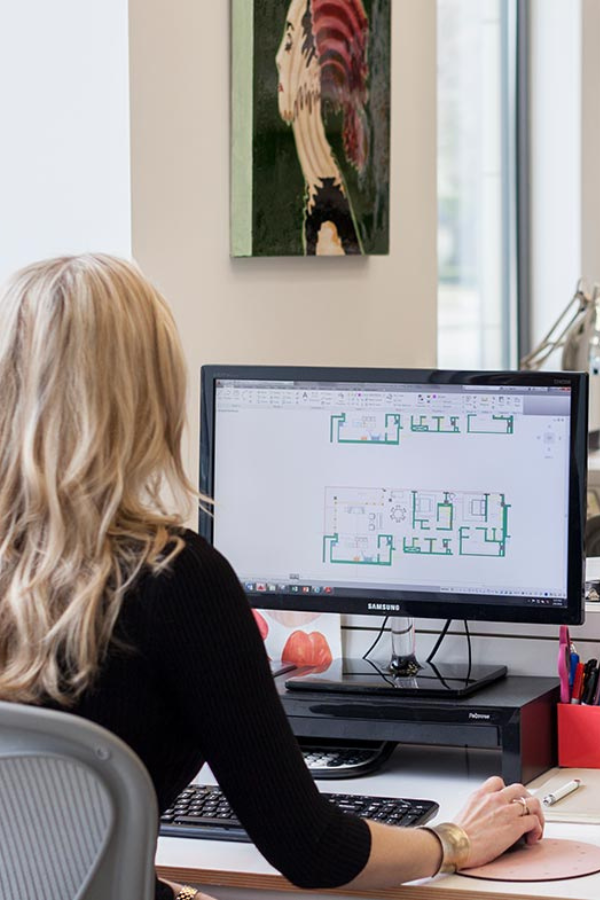
No one wants to be ghosted by a PNC. When a proposal goes unanswered, your first instinct will typically be to do something drastic. Rewrite the scope. Adjust the fee. Send a long explanation that tries to preempt every possible concern. That reaction is understandable, but it’s rarely productive and can actually turn off the client even more. Laura Umansky has seen this play out many times.
“Of course. Anyone who’s been in business long enough has been ghosted.”
And in the beginning, she reacted the same way many designers do.
“Early on, I took it personally. Now I know better.”
What experience teaches you is that silence is not a diagnosis. It doesn’t tell you whether the client disliked the proposal, couldn’t afford it, or simply hasn’t opened the email yet. Treating it as feedback usually leads designers to change things that didn’t need changing.
Fuel your creative fire & be a part of a supportive community that values how you love to live.
subscribe to our newsletter
*please check your Spam folder for the latest DesignDash Magazine issue immediately after subscription
“I send a simple, warm follow-up and leave the door open,” Laura says. “If they vanish permanently, I move on.”
That follow-up isn’t a negotiation and it isn’t an apology. It’s a reminder that the proposal exists and that you’re available to answer questions. Nothing more. If the client responds, you continue the conversation. If they don’t, you avoid getting pulled into a cycle of second-guessing.
“The right clients don’t need chasing,” Laura adds. “And sometimes a ‘no’ makes space for the ‘yes’ that transforms your business.”
Learning when to stop pursuing a stalled lead protects your time and your confidence. It also keeps your pipeline healthier. A firm that spends too much energy chasing silence often neglects the inquiries that are actually ready to move forward.
Remember, Follow-Up Is About Timing, Not Pressure
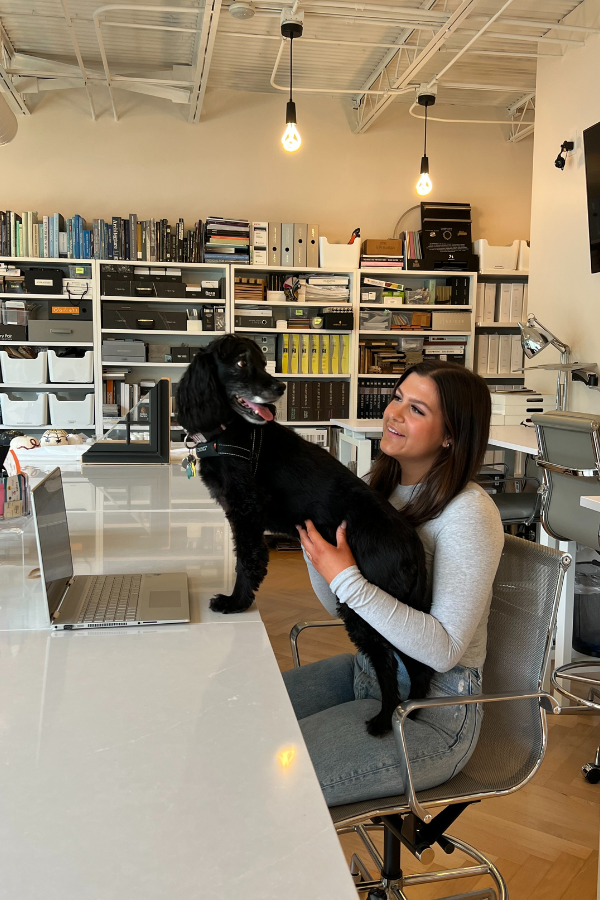
Even when you understand that ghosting isn’t personal, following up still carries some tension. Designers worry about sounding needy or impatient. Melissa Grove doesn’t pretend that discomfort disappears with experience.
“I don’t know if there’s a way to reduce the stress! There’s always a healthy amount in there.”
What helps is remembering the context. The client reached out because they wanted help. That interest doesn’t evaporate just because their circumstances change.
“But remember, this client reached out to you initially, so that interest does exist,” she says.

Melissa usually waits a couple of weeks after the last interaction before checking back in. That space matters. It respects the client’s timeline without letting the proposal sit in an in-between space indefinitely.
“I give the potential new client a couple of weeks since the last time we spoke,” she explains, “If it’s my third attempt at reaching them, I’ll let them know that we are very much looking forward to working with them and that we are here at their service whenever they are ready to get started.”
That message does several things at once. It confirms your interest. It signals availability. And it removes urgency. There’s no implied deadline and no subtle pressure to respond immediately.
“I never want to pressure them as there are so many other factors that contribute to a delayed start,” Melissa says. “Financing, construction delays, etc. So, I always seem available.”
She sends these follow-ups over email. It keeps the tone neutral and gives the client room to respond without feeling cornered. A phone call can feel like escalation. An email feels like an open door.
Put Quiet Leads Somewhere They Won’t Distract You
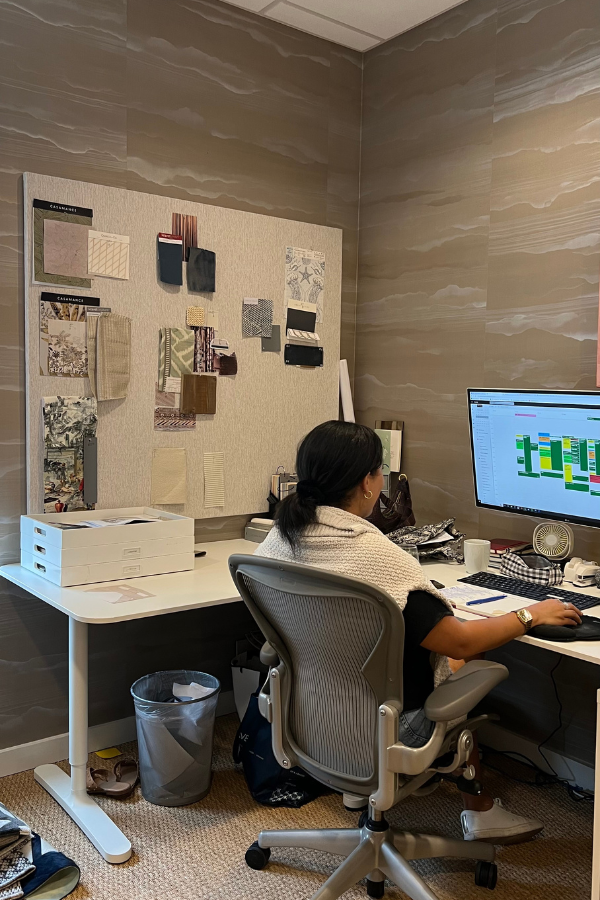
One of the hardest parts of being ghosted early on is how much mental and emotional space it occupies. Without a system, the unanswered proposal lingers and causes so much unnecessary stress. You revisit it. You reread it. You wonder whether to reach out again. And repeat the cycle all over.
At Laura U Design Collective, unresponsive leads are tracked deliberately so they don’t become background noise that eats away at the team’s concentration or makes our designers feel insecure.
“If there’s no response there, I move them to a Long Leads list where I follow up periodically every month or so,” Melissa says.
That list serves a practical purpose. It acknowledges that the lead exists without requiring constant attention. The designer isn’t closing the door, but they aren’t hovering either.
“It can be easy to want to write them off entirely,” Melissa notes, “but we’ve definitely had prospective clients return several months (even years!) after their first reach out once the right time for the project comes along.”
Those returns often look quite a bit different from the original inquiry. The client may have resolved financing issues or finalized a construction schedule. They might even be in an entirely different home than when they first reached out! When they come back, they’re often more decisive. Keeping a light, organized follow-up system allows room for that shift without draining your energy in the meantime.
Building Confidence as You Grow

New firm owners sometimes imagine that experienced designers never deal with ghosting. The opposite is true. It happens to firms with large teams, private studios, boutique practices, and established brands. It is part of the ebb and flow of residential design. What changes over time is the way you respond to it.
A brief moment of silence does not define the direction of your firm. It also does not dictate the quality of your next inquiry. The important thing is that your system is thoughtful and consistent enough to support you through the pauses. A warm follow-up. A reasonable wait. A place to keep long-term leads. Then a return to the work in front of you.
Some clients do come back when construction delays clear or when a new budget cycle begins. Others fade out entirely. Either way, your steadiness and calm is its own signal of professionalism. Designers who trust their own process tend to navigate these moments with much less doubt. Confidence grows from that steadiness. Over time, it shapes your entire client pipeline in ways that are easier to manage and far less reactive.

Other Articles in This Series
Related Posts
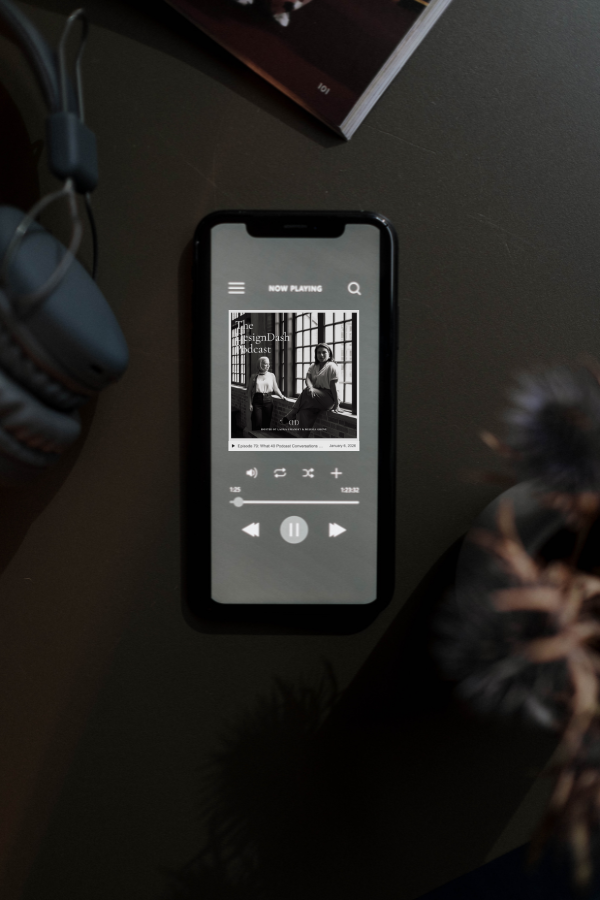
5 Podcast Episodes About Growing Your Design Firm Intentionally Not Reactively
These 5 five podcast episodes explore how design firms grow through re

Lughnasadh: Connecting with Nature and Gaelic Ancestry
Modern Celts in Scotland and Ireland honor Lugnasadh by feasting, play

The Symbolism of Irises: Hope, Wisdom, and Valor
We hope you enjoy our exploration of iris flower symbolism deepens you

Day 4: DesignDash Focus & Flex Challenge
It's Day Four of the Focus and Flex Challenge, and we're thinking abou

French Female Artist Rosa Bonheur Elevated Animalière
Rosa Bonheur—a distinguished female artist of the 19th century—car

What is a Working Holiday, and How Do You Apply for a Visa Abroad?
Whether it's learning a new language or simply gaining confidence thro