Does Your Design Contract Need An Accessories Budget Clause?

 0
0
 0
0Summary
A minimum budget for accessories and styling clause helps interior designers account for the final layer of a project before the installation phase arrives. Art, pillows, lamps, books, greenery, tabletop pieces, and decorative objects often enter the conversation after construction, furnishings, freight, and installation costs have already exhausted the client. Including this expectation in the contract early may help reduce last-minute budget cuts, unfinished installations, and disappointing project photography.
Reflection Questions
Have you ever completed a project that still looked unfinished because the accessories budget disappeared near the end?
Do your clients understand how much styling typically costs before installation week arrives?
Would your current contract protect the final presentation of the project if the client suddenly decided to postpone art, accessories, or styling purchases?
Journal Prompt
Think about the last project where styling became stressful near the end. What specifically caused the tension? Was it budget fatigue, unclear expectations, photography concerns, installation timing, client indecision, or something else entirely?
Welcome back to our series exploring the clauses interior designers often include in client contracts to protect themselves and their firms. Today, we’re discussing clauses related to minimum budgets for accessories and styling, which Joshua Rice of Joshua Rice Design in Dallas describes as a response to “one of the most frustrating design issues we run across.”
Quoted by Aidan Taylor in an article for Business of Home, Rice explains that his firm eventually added a contract clause specifically addressing the issue. He notes that “Sometimes clients get a little bit of sticker shock upfront, but I think this change in our contract has significantly improved the quality of our finished projects in addition to reducing stress around the office.” We think it’s worth considering, too!
As always, we recommend meeting with a licensed attorney before making major changes to any legal documents, including client contracts. This article is not legal advice, and it is not a substitute for professional counsel.
What Is a Minimum Budget for Accessories and Styling Clause?
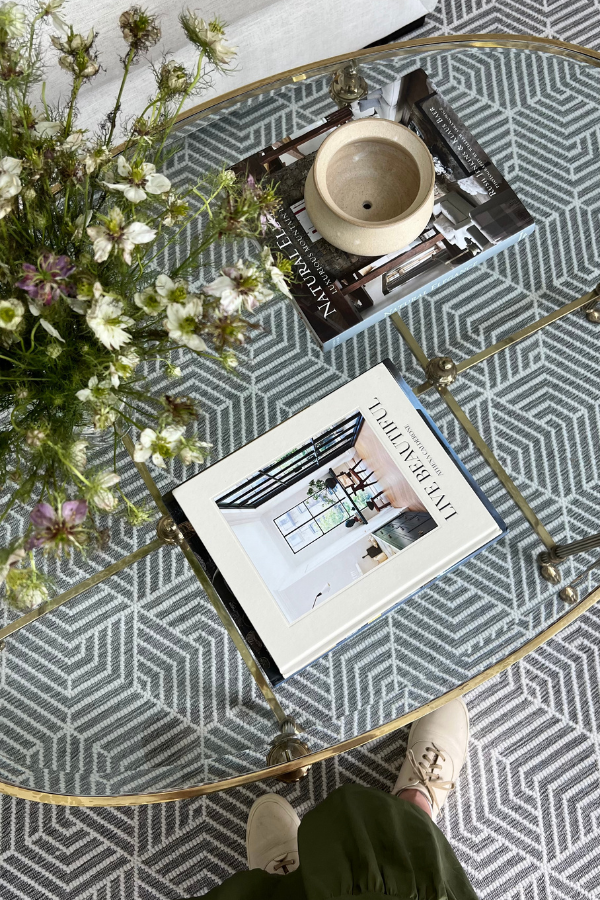
A minimum budget for accessories and styling clause is a section of your contract that requires the client to reserve a certain amount of money for the final styling layer of the project. That might include art, books, vessels, pillows, throws, bedding, lamps, trays, objects, greenery, tabletop pieces, shelf styling, entry styling, bathroom accessories, and the other smaller items that make a finished room actually look finished.
The minimum can be structured a few different ways. Some firms set a flat styling budget for the whole project. Some set a minimum by room. Some tie it to the furnishings budget or the overall project budget. Some keep styling as a separate phase with its own approval process, especially when the project involves photography, publication goals, or a full-home installation. The right structure depends on the way the firm operates, the type of client it serves, and how much control the designer expects to have at the end of the project.
This clause exists because final-stage styling is one of the first things clients try to trim when the project has already taken longer and cost more than they expected. By the time construction is done, furniture has arrived, invoices have stacked up, and the install date is finally on the calendar, accessories can feel like an utter chore. Clients see them as “extra,” but designers know they’re anything but optional. A room with bare shelves, empty consoles, temporary lamps, no art, and a sofa with two lonely pillows may technically be furnished, but it isn’t finished in the way most clients imagined when they hired a designer. Nor will it photograph well for socials or your portfolio.
If the designer is responsible for delivering a completed room, the contract needs to account for the pieces that complete it. Otherwise, the firm may spend months designing a project only to watch the final presentation fall apart because the last five or ten percent of the budget disappeared right when they needed it for accessories.

Why Do Interior Designers Include This Clause?
Interior designers include this clause because the impending finale of a project can make clients a bit weird about money. They’ve already paid design fees, construction invoices, freight, receiving, delivery, installation, and whatever surprise expense came from the wall, the floor, the contractor, or the discontinued fixture nobody wanted to replace. Then the firm brings up art, lamps, bedding, pillows, books, trays, objects, florals, and shelf pieces. At that point, even a client who wanted a fully finished home can start treating accessories like a nice little bonus instead of part of the actual project.
The numbers don’t really support that assumption, though. In a Kathy Kuo Home budget breakdown, accessories are listed at $3,000 for a high-end living room, $2,000 for a high-end dining room, $1,500 for a high-end home office, and $1,000 for a standard entryway. Those amounts are separate from the larger furniture, rugs, lighting, and art budgets. So when a client says they’ll “just handle accessories later,” they may not realize they’re pushing a real budget category out of the project plan. Accessories are not an incidental cost. As designers, we know that they are not insignificant and not unsubstantial.
This is why a clause protecting the accessories budget might belong in your contract. Your client might still question the number later. Fine. At least the expectation was already in writing: styling needs a budget, and the firm doesn’t plan to finish the project with whatever scraps are left after construction.
What Should the Clause Actually Say?
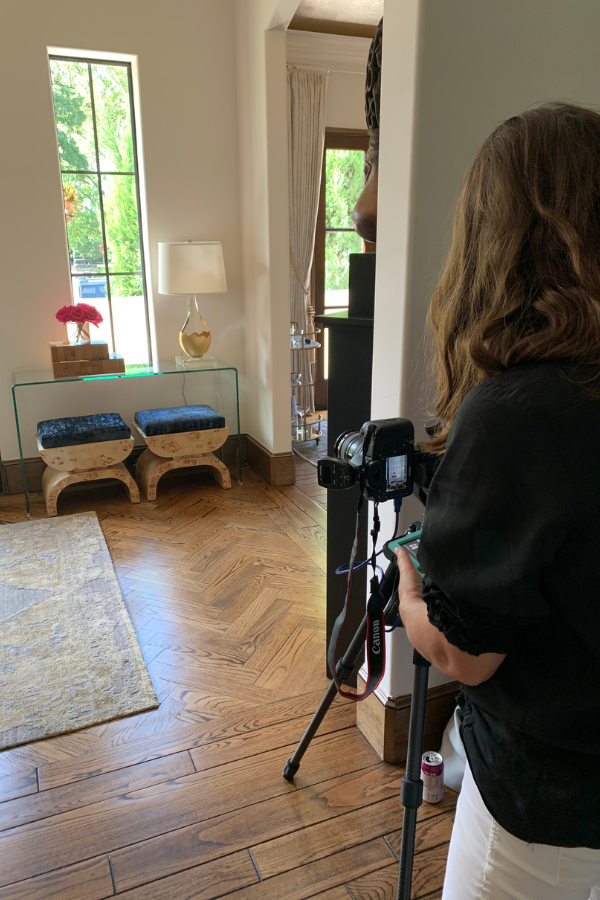
The clause should explain the minimum styling budget clearly and define what falls into that category. That may include art, lamps, pillows, bedding, books, trays, objects, greenery, tabletop pieces, shelf styling, bathroom styling, and other decorative accessories purchased for the final installation.
You may also want the contract to clarify whether the styling budget covers product only or whether it also includes sourcing time, procurement, installation, returns, storage, restocking fees, or post-install styling adjustments. If styling is billed separately from furnishings procurement, that should probably be stated as well.
Some firms also include language explaining what happens if the client significantly reduces the styling budget near the end of the project. You could require written approval acknowledging that the final installation may differ from the original design plan or photography presentation. You could also separate styling into a later phase if the client wants to postpone those purchases until after move-in.
If clients plan to use existing accessories, artwork, or decorative pieces from a previous home, the contract may need to address that too. Some firms review those items during the design phase. Others prefer to evaluate them during installation once the furnishings are in place.
Fuel your creative fire & be a part of a supportive community that values how you love to live.
subscribe to our newsletter
*please check your Spam folder for the latest DesignDash Magazine issue immediately after subscription

Do You Need This Clause in Every Project Contract?
Probably not. A project that will eventually be photographed for your portfolio probably justifies a stricter accessories budget than a project where the client has no interest in photography at all or the scope is so minimal that you wouldn’t ever photograph it for publication, Instagram, or site content. The same goes for projects where the firm is responsible for the final installation styling from beginning to end. In those situations, the missing art, pillows, books, tabletop pieces, greenery, and decorative objects are much more noticeable and absolutely your responsibility.

Other projects won’t require the same level of structure around styling. Some clients already own extensive art collections and have lots of accessories to reuse. Some clients want to source decorative pieces gradually after move-in. If you do include a clause about this budget, try to reflect expectations around the specific project rather than including it as a default requirement in every contract.
Written by the DesignDash Editorial Team
Our contributors include experienced designers, firm owners, design writers, and other industry professionals. If you’re interested in submitting your work or collaborating, please reach out to our Editor-in-Chief at editor@designdash.com.
Related Posts
Light, Color, and Craftsmanship: How is Stained Glass Made?
From the towering cathedrals of medieval Europe to contemporary buildi

10 Danish Furniture Brands Every Interior Designer Should Know
Learn all about 10 influential Danish furniture brands, their historie

What to Expect at Feria Hábitat València & València Design Fest 2026
Valencia might be far for American designers, but if you’ll be in Eu

Finding a New 9 to 5: How to Put Freelance Work on a Resume
From listing relevant skills to explaining your employment gap, here's

AutoCAD vs. AutoCAD LT: Is the Full Version Worth its Hefty Price Tag?
The choice between these two depends on your specific needs and budget

Women, In Their Own Words: Alex Thies
Alex Thies of Adelyn Charles Interiors discusses creativity, process,