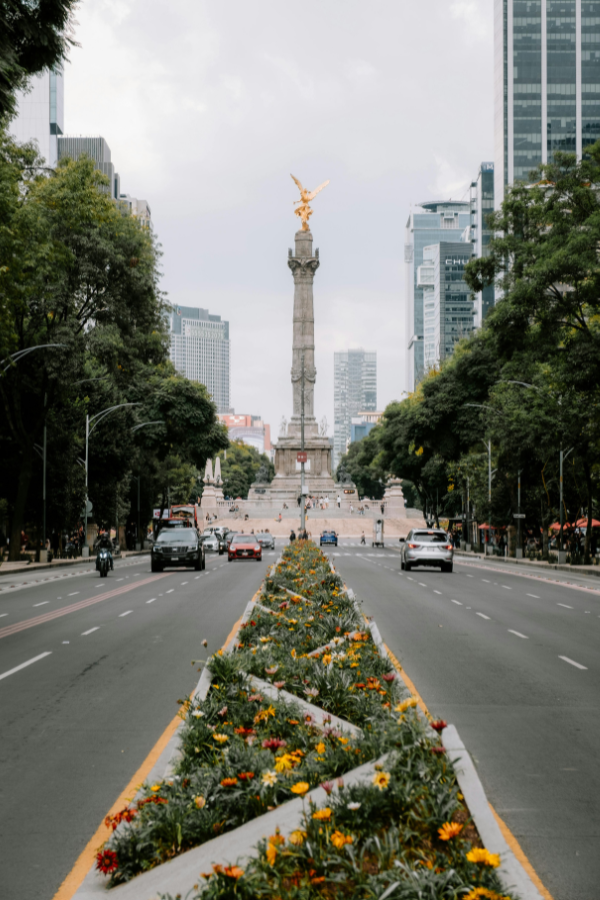
Highlights From Mexico City’s 2026 ZⓈONAMACO DISEÑO Design Fair

 2
2
 0
0Summary
ZⓈONAMACO DISEÑO 2026 demonstrated how design increasingly operates alongside art rather than apart from it. Across Mexico City, exhibitions, galleries, and conversations unfolded as a connected experience rather than a single event. The fair emphasized material experimentation, collectible design, and cross-disciplinary practice, offering interior designers insight into how collectors, artists, and designers are reconsidering function, authorship, and value. Designers should walk away with the idea that context matters as much as objects, and design conversations now extend far beyond traditional industry boundaries.
Reflection Questions
How might exposure to art-led environments change the way you present furniture, materials, or custom work within your own projects?
Where in your practice do you see the line between functional design and artistic expression beginning to soften, and how comfortable are you working within that ambiguity?
What role does cultural context play in your design decisions, and how often do you intentionally engage with environments outside the interiors industry to inform your work?
Journal Prompt
Think about a recent project where an object, material, or artwork changed the direction of the design more than you expected. Write about what drew you to it. Was it craftsmanship, cultural reference, scale, or simply intuition? Then consider how the project might have developed differently if that influence had not entered the process. Reflect on whether you actively create opportunities for those kinds of encounters or if they happen by accident.
The largest international art fair in Latin America and the crown jewel of Mexico City Art Week, ZⓈONAMACO returned to Centro Citibanamex this February for its twenty-second edition. More than two hundred galleries from Mexico, Latin America, the United States, Europe, and Asia participated, with forty newcomers exhibiting for the first time. Founded in 2002 by Zélika García, the fair has expanded alongside Mexico City’s cultural infrastructure. The relationship between the event and the city now works in both directions. The fair attracts international attention, and the city provides the context that gives that attention depth. Read all about the fair below!
All About ZⓈONAMACO DISEÑO
ZⓈONAMACO no longer centers only on collectors moving methodically from booth to booth. Visitors circulate through museums, independent galleries, and temporary exhibitions across the city. Many treat the fair as one point within a longer chain of experiences rather than a self-contained destination. Interviewed by Claire Valentine McCartney for W Magazine earlier this year, Zona Maco founder Zélika García noted that…
“Zona Maco has moved beyond being perceived solely as an art fair” and is now understood as “the catalyst for a key moment in the cultural calendar.”
In the same conversation, García added that Mexico City “functions as a cultural and market node, where local and international audiences converge.” Rather than organizing the 2026 edition around a single unifying theme, the fair adopted a more pluralistic structure that emphasized diversity and coexistence. Multiple timelines, artistic practices, and collecting approaches were presented alongside one another.

Mexico City as Context Rather Than Backdrop
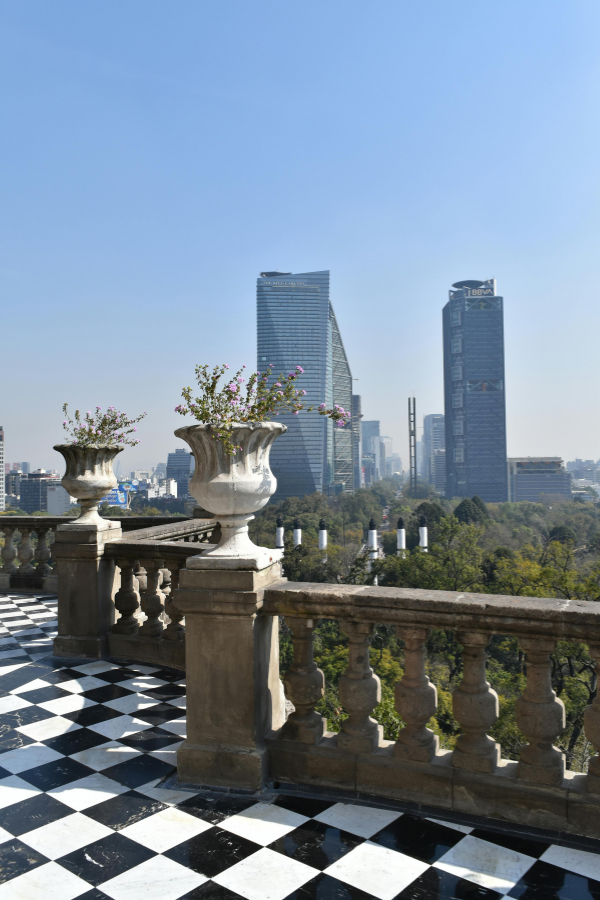
The significance of ZⓈONAMACO cannot be separated from its urban setting. Mexico City is an international meeting point where regional and global audiences intersect through sustained exchange. Local galleries maintain distinct identities while participating in international networks. Visiting institutions from all over the world increasingly treat the city as a necessary stop rather than a peripheral one.
What sets art and trade fairs apart from singular exhibitions is how immersive and all-encompassing they are of one’s trip. During fair week, professional and social interactions intersect constantly. Conversations begun inside exhibition halls continue at dinners, studio visits, and gatherings across neighborhoods. The fair extends outward into the city, and the city reshapes the experience in return.

In her interview with W Magazine, García also described the fair’s digital platform as “not as a substitute, but a natural extension,” allowing engagement with artworks to continue beyond physical attendance. She further reflected on the importance of encounters, explaining that she is interested in moments “when a work finds its audience, or when an artistic practice becomes activated within a new context.”
ZⓈONAMACO’s Relationship with Mexico City
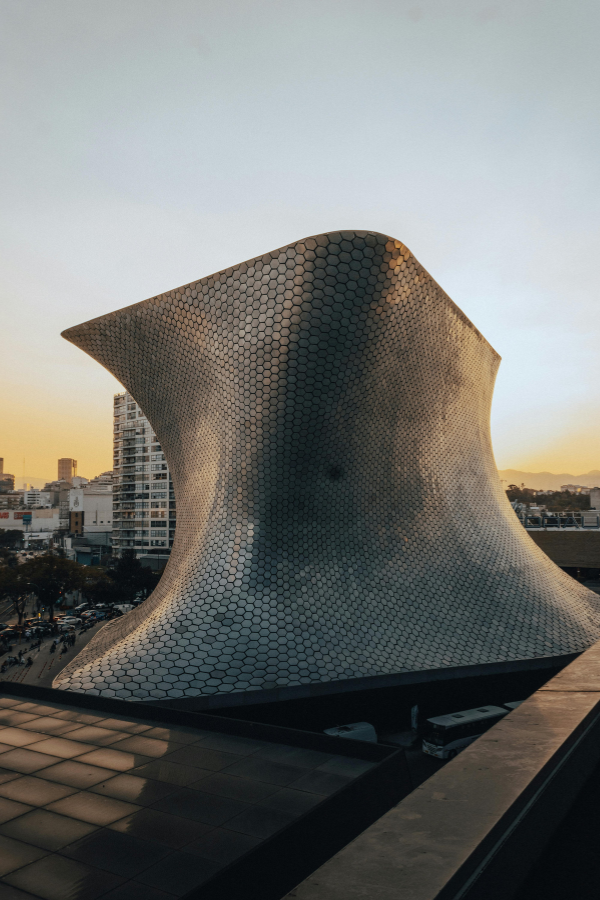
ZⓈONAMACO now operates within a broader Art Week structure that activates museums, galleries, and cultural institutions across Mexico City. Programming extends well beyond Centro Citibanamex. Visitors navigate multiple neighborhoods instead of remaining within a single venue.
In a DesignWanted article, Anna Lazzaron writes that the expanded format “blurs the lines between professional artistic work and community,” describing an environment where institutional programming and informal gathering coexist. The distinction between audience and participant feels less rigid here than at many European fairs.
Cross-Disciplinary Structures and the DISEÑO Section
ZⓈONAMACO organizes its programming through parallel sections devoted to contemporary art, modern art, design, photography, antiques, and publications. Moving between them requires constant adjustment because the context changes frequently. This is one of the most diverse art fairs in the world.
The DISEÑO section concentrated on furniture, textiles, jewelry, and material experimentation. Emerging designers shared space with established studios. Distinctions between functional design and sculptural work felt increasingly porous. Many pieces occupied an ambiguous position. A table functioned as furniture while also feeling like artwork. That ambiguity reflects broader developments in collecting habits, as conceptual and material concerns often outweigh categorical labels.
In her article “Zona Maco 2026 is art, design, and everything in between” for DesignWanted, writer Anna Lazzaron describes the fair as “redefining collecting through cross-disciplinary practices,” pointing to institutions and markets adapting to creative fluidity rather than resisting it.
FORMA, introduced this year, reinforced that direction. The section gathered works positioned between art and design. Furniture appeared alongside sculptural objects without hierarchical separation. The curatorial decision acknowledged a new direction in contemporary practice: artists produce functional objects and designers experiment with singular or limited works. The line between design and art blurs more and more. The fair accepted that overlap instead of attempting to clarify boundaries.
Fuel your creative fire & be a part of a supportive community that values how you love to live.
subscribe to our newsletter
*please check your Spam folder for the latest DesignDash Magazine issue immediately after subscription

Booth Highlights Across DISEÑO and FORMA
Several presentations demonstrated how galleries are approaching material experimentation and narrative without relying on spectacle or overly commercial appeal. Mariane Ibrahim Gallery presented artists working across generations and geographies. Paintings by Uruguayan artist José Gamarra appeared alongside works by Carmen Neely, shown in Latin America for the first time.
Carpenters Workshop Gallery debuted at ZⓈONAMACO within the FORMA section. Artists including Maarten Baas, Nacho Carbonell, Studio Job, Atelier Van Lieshout, and Léa Mestres contributed works that foregrounded craftsmanship and process. OMR, one of Mexico City’s longest-running contemporary galleries, assembled a presentation spanning tapestry, ceramic, photography, and stone. The booth approached material as both subject and medium. Works by Jose Dávila, Candida Höfer, and Gabriel Rico invited reflection on physical matter and spatial perception without imposing a single narrative.
Sean Kelly Gallery returned with an intergenerational roster that included Marina Abramović, Kehinde Wiley, and Hilda Palafox. Landscape, identity, and historical references appeared across different works. Pace Gallery presented a solo booth of new paintings by Kylie Manning. The works incorporated volcanic ash, cinnabar, and malachite. These materials referenced landscapes connected to the artist’s upbringing between Alaska and Mexico. Surface density altered perception at close range, and viewers adjusted position repeatedly to understand the work fully, which we saw as something of an allegory for wide-ranging fairs like ZⓈONAMACO.
Why We Encourage You to Attend the 2027 ZⓈONAMACO
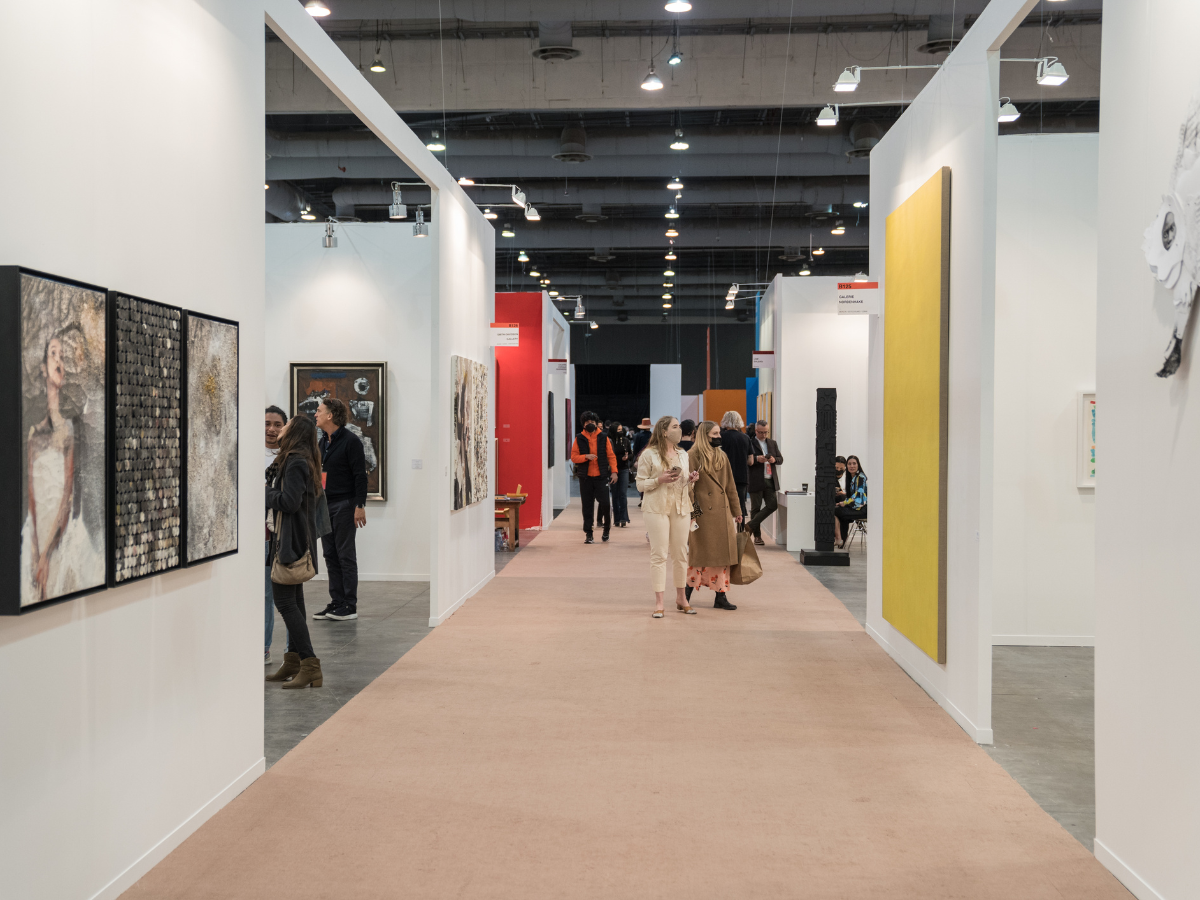
As ZⓈONAMACO enters its third decade, it reflects a creative field that resists strict categorization in favor of interdisciplinary collaboration. Here in Mexico City, art, design, and historical objects circulate within shared markets and shared conversations. Collectors traverse disciplines with increasing ease, guided by material quality and conceptual interest.
One of the world’s greatest art capitals, Mexico City benefits from this openness. International visibility grows while local practices maintain a strong presence. Visitors arrive to see new work and leave with new contexts for understanding it. That ongoing exchange defines this event.
Watch: ZⓈONAMACO Through the Eyes of an Art Advisor
Art advisor Veronica Fernandez, founder of PARAA, documented her visit to the fair in the Instagram reel embedded below. Her footage captures installations, visitor movement, and collector engagement across the event. Watch it above.
Written by the DesignDash Editorial Team
Our contributors include experienced designers, firm owners, design writers, and other industry professionals. If you’re interested in submitting your work or collaborating, please reach out to our Editor-in-Chief at editor@designdash.com.
Related Posts
Fall in Love with Autumn: Creative and Cozy Fall Date Ideas
Explore thirty cozy, creative fall date ideas to deepen your bond and
Chien-Shiung Wu: More Than a Nobel Prize in Nuclear Physics
Chinese-American physicist Chien-Shiung Wu played an important role in
40 Podcasts About Art, Art History, and the Ever-Evolving Art Market
From uncovering the mysteries behind historical masterpieces to naviga
Round Top 2026: Spring Show Dates, Venues, and More
Round Top 2026 is coming this March! A uniquely Texas event in scale a

Honoring the Last Decade of Pulitzer Prize for Poetry Winners
The Pulitzer Prize for Poetry not only elevates the work of the recipi
Artists in Business: Strategies for Pricing Artwork
Pricing artwork is complicated no matter the medium, style, or platfor