
When to Hire a Bookkeeper Vs CFO or COO for Your Design Firm

 1
1
 0
0Summary
A bookkeeper helps keep financial records current: transactions, vendor invoices, client payments, reconciliations, and CPA documentation. A CFO or COO helps when the records are current but the owner still needs help with cash flow, hiring, pricing, profitability, staffing, or operational decisions.
Reflection Questions
Which financial tasks keep interrupting your week: receipts, reconciliations, vendor invoices, CPA questions, forecasting, or hiring decisions?
Are your financial records too disorganized to use confidently, or are the records current while the next business decision still feels unclear?
Where is the pressure really coming from: bookkeeping, cash flow, profitability, team capacity, procurement, or operations?
Journal Prompt
List every financial task you handled personally over the past month. Note which tasks involved recordkeeping, which involved decision-making, and which involved operations. Then identify the three tasks that created the most delay, frustration, or uncertainty.
Many firm owners spend years handling bookkeeping themselves, especially if they’re solopreneurs. They enter expenses between client meetings. They review credit card transactions at night. They answer accounting questions from their CPA during installation week. They tell themselves they’ll clean everything up at the end of the month, then the end of the month coincides with three client presentations, two site visits, and a dozen vendor invoices. They need help, but who’s the best person to provide that help? Typically, firm owners look to either a bookkeeper or a CFO, but they’re asking the wrong questions if they can’t decide between the two.
Don’t Hire a Person Instead of Solving a Problem
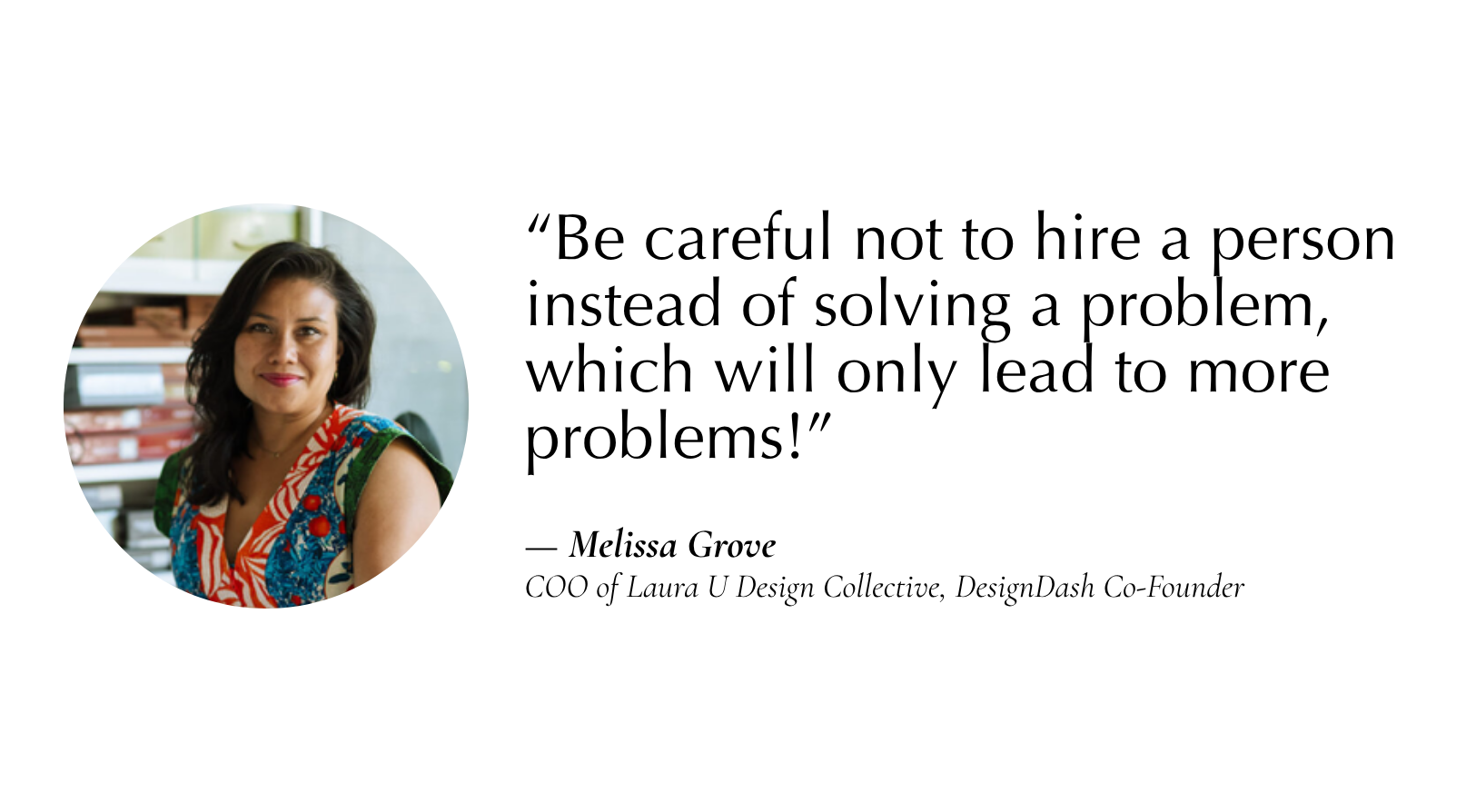
Many firm owners start looking for financial help because they’re overwhelmed, which is completely understandable. But looking for help as a reaction to an issue can make it harder to identify what (and who) your firm actually needs. You might spend hours every month reviewing credit card transactions, entering expenses, tracking client deposits, responding to accounting questions, and reconciling accounts. Another owner might have all of those tasks under control but still struggle to understand project profitability, hiring decisions, or cash flow. Both owners need financial support, but they probably don’t need the same person.
Bookkeepers and CFOs perform very different tasks inside a business. A bookkeeper is generally responsible for maintaining financial records. That might include entering transactions, reconciling accounts, recording vendor invoices, tracking client payments, and preparing information for the firm’s CPA. A CFO is usually focused on financial planning, forecasting, profitability, budgeting, and larger business decisions.
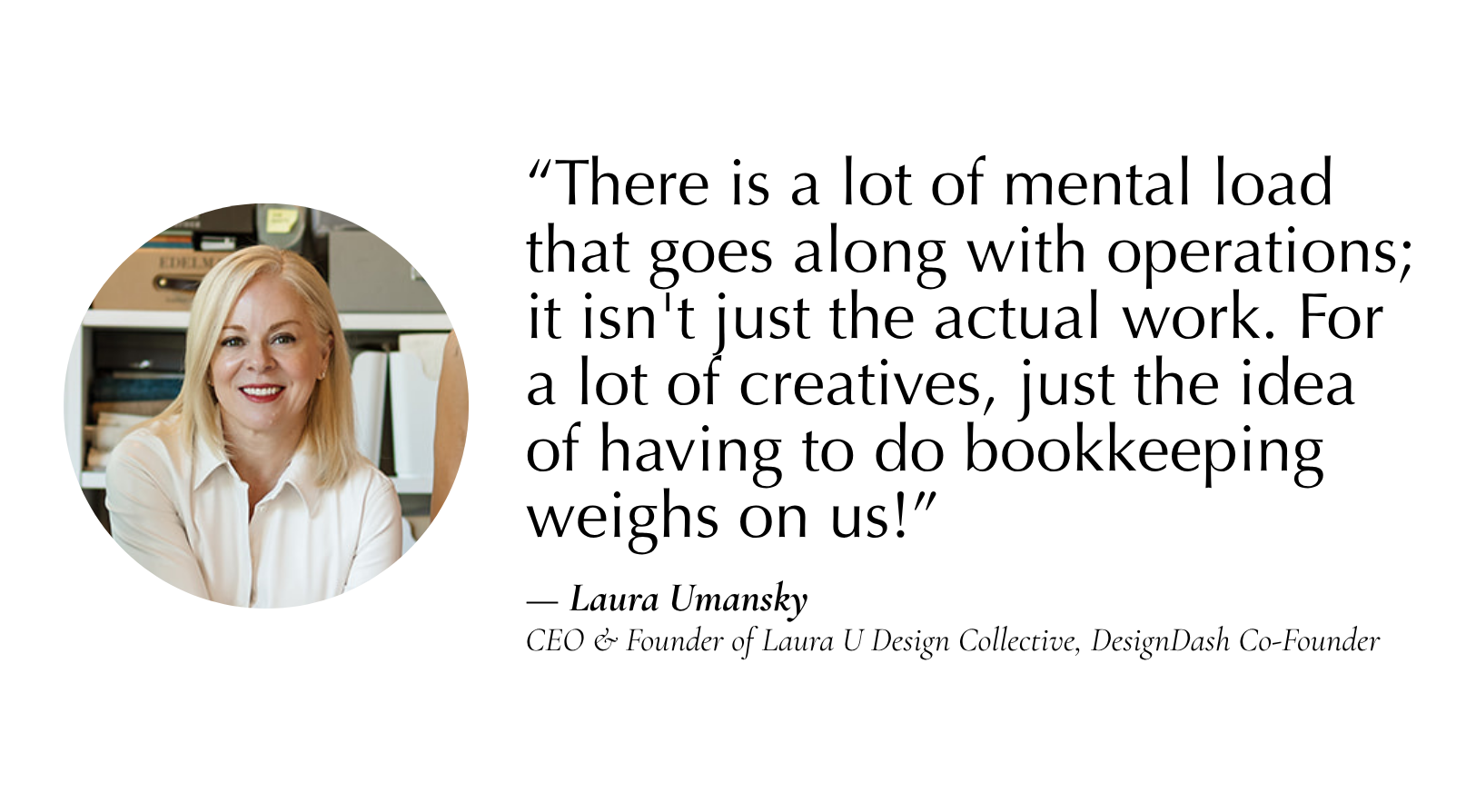
If vendor invoices are buried in an inbox, if transactions haven’t been reconciled in months, or if your CPA is constantly requesting missing information, bookkeeping might be the larger issue in your firm. If bookkeeping is up-to-date, but you still don’t know whether your firm can afford another employee, whether a service is profitable, or how a large project will affect cash flow six months from now, you need to look elsewhere. It might be a COO or a CFO who’s needed in your firm.
Before hiring anyone, spend some time identifying which financial tasks consume the most time, create the most frustration, or create the most uncertainty.

When You Need a Bookkeeper
A bookkeeper is usually the right person when your firm’s financial records are incomplete, inconsistent, or too disorganized for the owner to use confidently. Vendor invoices are sitting in an inbox. Transactions haven’t been reconciled. Client payments have been received, but nobody has connected them to the right project. Your CPA is asking for reports, receipts, or backup documentation, and gathering that information takes longer than it should.
Bookkeeping tasks often connect to procurement as much as general business expenses in a design firm. A bookkeeper might help match vendor invoices to purchase orders, record client deposits, track freight charges, categorize receiver fees, and make sure installation expenses are connected to the correct project. If those details aren’t handled consistently, project budgets are fuzzy and financial reports are less useful.
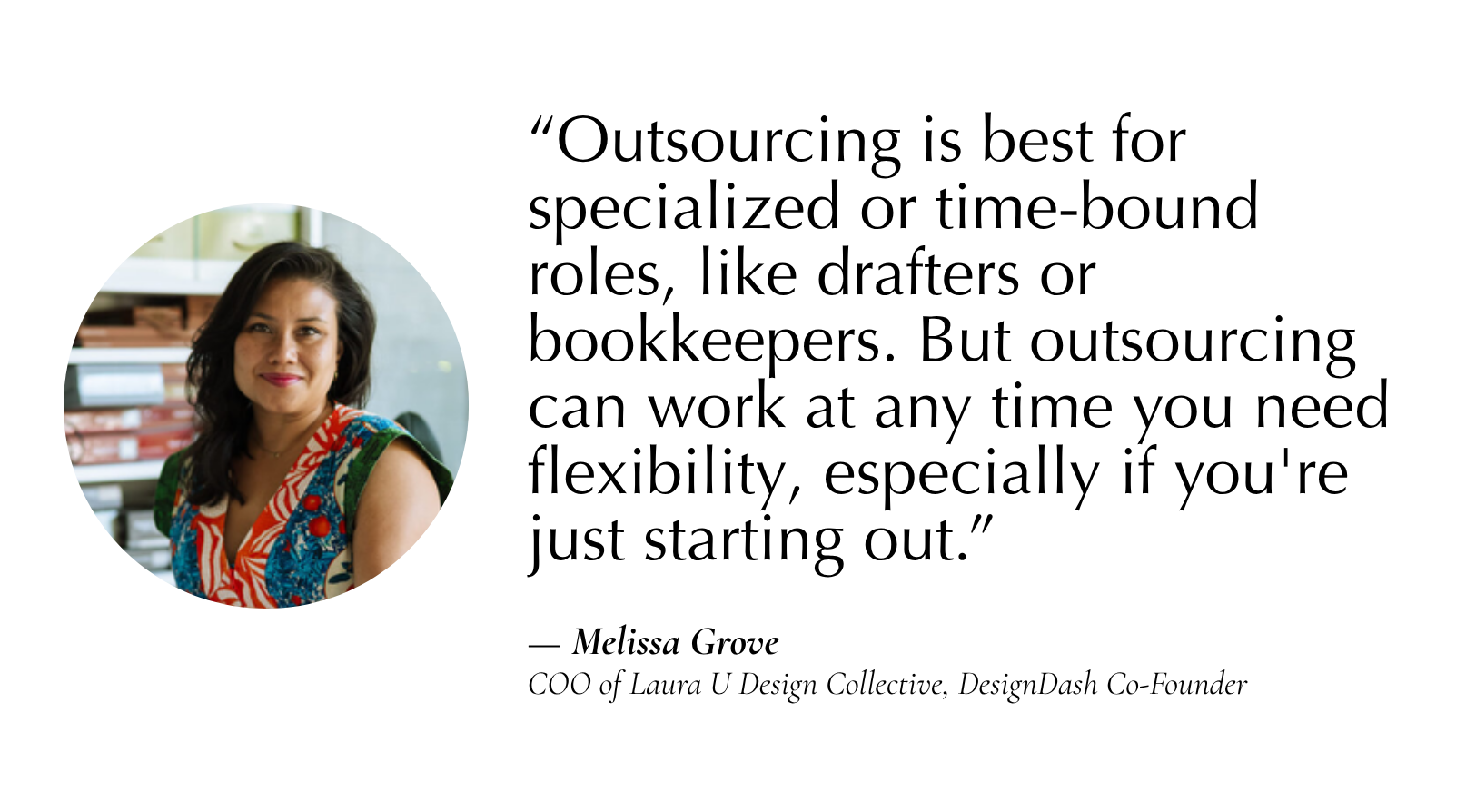
Many firms don’t have enough bookkeeping work to justify a full-time employee. An outsourced bookkeeper might review transactions weekly, reconcile accounts monthly, prepare reports for the CPA, and keep financial records current throughout the year. That arrangement can provide professional support without adding another employee to payroll.
Why Bookkeeping Takes Up So Much Mental Space
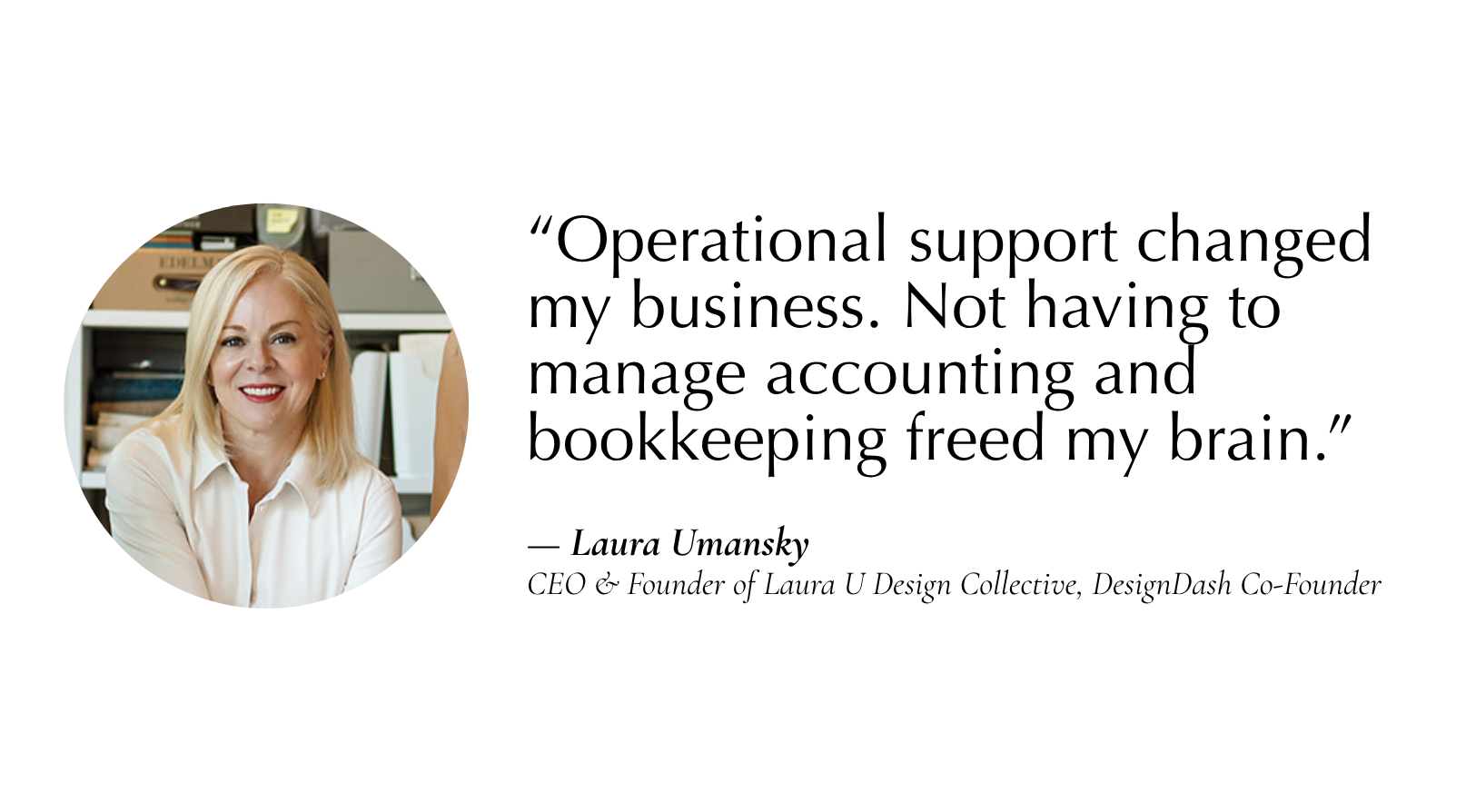
Most owners don’t spend forty hours a week on bookkeeping. The challenge is that accurate bookkeeping requires consistent work, work that you probably can’t accommodate as a firm owner. A vendor invoice comes in while you’re preparing for a presentation. Your CPA emails a question during installation week. A credit card transaction needs clarification while you’re sourcing for a client. If you run a firm, you just don’t have time for that minutia.
Many owners eventually find themselves carrying a running list of financial tasks in the back of their minds. They need to send information to the CPA. They need to review transactions. They need to verify a deposit. They need to find a receipt. None of those tasks are difficult in isolation, but they compete with client meetings, site visits, procurement, presentations, team management, and everything else required to run a firm.

When Bookkeeping Isn’t the Problem Anymore
Bookkeeping can organize the records, but it can’t answer every question a firm owner has about the business. You might have current reports, reconciled accounts, tracked vendor invoices, and clean records for your CPA. You might still not know whether the firm can afford another designer, whether procurement fees are covering the work involved, or whether a large project will create cash pressure before installation.
A CFO might help with forecasting, profitability, budgets, pricing decisions, compensation planning, and cash reserves. A COO might make more sense if the confusion is tied to workflow, staffing, project capacity, procurement bottlenecks, or the way work passes between design, accounting, and client communication. Some problems look financial because they eventually appear in the numbers, but the source might be the way the firm operates.

A project might produce strong revenue and still require too many staff hours. Procurement fees might cover product management on paper but not account for all the emails, vendor follow-up, freight questions, damage claims, receiver coordination, and client updates. A firm might have plenty of inquiries but no clear view of whether the team can handle another full-service project without adding support. Those are not bookkeeping questions.
Cash Flow Is More Complicated Than Money In and Money Out

A design firm might receive a client deposit months before the largest project expenses arrive. Vendor payments might be due before products ship. Freight, receiving, storage, installation labor, accessories, styling, and final invoices might all happen at different points in the project. A large project can look profitable on paper while still creating pressure if several payments leave the business before the next client invoice is paid.
A bookkeeper can record those transactions. A CFO or COO can help the owner understand what that timing means for staffing, spending, reserves, and upcoming commitments. That might include deciding whether to wait before hiring, whether to adjust procurement billing, whether to keep more cash in reserve, or whether to change how project payments are scheduled.
Cash flow shouldn’t be reduced to the current bank balance. The owner needs to know what has already been collected, what still needs to be paid, what work has been promised, and which expenses are likely to arrive before the next payment comes in. Without that information, hiring and spending decisions can be based on an incomplete picture.
Fuel your creative fire & be a part of a supportive community that values how you love to live.
subscribe to our newsletter
*please check your Spam folder for the latest DesignDash Magazine issue immediately after subscription

When You Might Need CFO or COO-Level Support
You might need CFO-level support when the financial records are current but business decisions still feel unclear. Maybe you’re deciding whether to hire another designer. Maybe you’re trying to understand why one project produced strong revenue but very little profit. Maybe you’re considering a new service, changing your fee structure, or trying to build a cash reserve before taking on larger projects.
A CFO might review project profitability, build forecasts, compare revenue against staffing costs, analyze overhead, and help the owner understand whether the firm can afford a major decision before making it. This person can also help the firm look at pricing, compensation, cash reserves, and hiring plans with actual financial context rather than guesswork.
A COO might be the better conversation when the pressure is coming from operations. If projects are taking too many staff hours, procurement is slowing down installations, the team structure no longer matches the workload, or client communication is creating unpaid administrative time, the numbers might be pointing to an operational issue. The fix might involve workflow, staffing, responsibilities, or systems rather than financial planning alone.
A firm owner who can’t decide between a bookkeeper, CFO, or COO should go back to the work causing the most confusion. Messy records usually point toward bookkeeping. Current records with unclear financial decisions might point toward CFO support. Current records with workflow, staffing, or capacity problems might point toward a COO.

Final Thoughts on Hiring Financial Support
Hiring financial support should start with the work creating the most pressure inside your firm. If receipts, reconciliations, vendor invoices, CPA questions, and transaction cleanup are taking over your calendar, bookkeeping is probably the first place to look. If those records are current but hiring, pricing, cash flow, compensation, or profitability decisions still feel unclear, the firm might need CFO or COO-level help.

A bookkeeper, CFO, or COO can all help under the right circumstances. The wrong hire can add cost without making the firm easier to run. Before adding a role, look at the work that keeps getting delayed, misunderstood, or avoided.
Written by the DesignDash Editorial Team
Our contributors include experienced designers, firm owners, design writers, and other industry professionals. If you’re interested in submitting your work or collaborating, please reach out to our Editor-in-Chief at editor@designdash.com.
Related Posts

10 of the Best Interior Design Programs in Florida & How to Choose
LIKE 2 LEAVE COMMENT 0 6 min read Summary Florida offers a wide range

Design Firm Friday: What to Do If You Lose a Key Team Member Suddenly
Here's how we navigate losing an important team member and how you mig

Finding a New 9 to 5: How to Put Freelance Work on a Resume
From listing relevant skills to explaining your employment gap, here's

How Much Money Should I Have Saved Before I Quit My Job to Start My Own Firm?
Thinking of leaving your design job to start your own firm? Here’s w

We Asked Firm Owners, “What’s Your Most Unusual Source of Inspiration?”
Female interior design firm owners share insights into how their creat

What to Wear No Matter Where: Dress Codes Explained
From 'black tie' to 'smart casual,' determining what to wear can be di