Which Questions Should Designers Ask Vendors Before Working Together?

 0
0
 0
0Summary
Designers often focus on the product when evaluating a vendor, but inventory, lead times, freight, pricing, packaging, and communication can have just as much impact on a project. The questions worth asking change over time. New vendors require questions about inventory systems, fulfillment processes, pricing structures, and damage claims, while established vendor partners can help designers anticipate discontinuations, lead time changes, pricing increases, and other issues that affect future projects. Strong vendor relationships mean fewer surprises during procurement and installation.
Reflection Questions
Which vendors consistently provide accurate information about inventory, lead times, freight, and pricing, and which ones create uncertainty during procurement?
Have you ever specified a product before fully understanding freight costs, packaging requirements, lead times, or inventory availability? What happened?
Are there vendors you currently use for one-off purchases that might be worth developing into longer-term sourcing relationships?
Journal Prompt
Think about the last vendor relationship that made a project easier and the last vendor relationship that made a project harder. What specifically contributed to each experience? Consider inventory communication, lead times, freight transparency, pricing consistency, packaging, damage claims, responsiveness, and overall reliability. Then make a list of questions you wish you had asked earlier in both situations.
Many designers think they’re evaluating a product when they’re actually evaluating a vendor. The fabric might be beautiful. The chair might be exactly what the client wants. The lighting might fit the space perfectly. None of that tells you much about what happens after you place an order with the vendor.
Can the vendor accurately tell you what’s in stock? Will someone communicate if a lead time changes? Is freight quoted upfront or does it become a surprise later? What happens when a shipment arrives at the warehouse damaged? Does someone answer the phone when you reach out with a problem?
No matter the size, age, or location of your firm, you need to know how reliable each vendor will be. These relationships are incredibly important. A designer might specify a product once and never use that vendor again. She might also work with the same vendor for years, place dozens of orders, and build entire projects around that relationship. The questions worth asking each vendor depend partly on whether you want to foster those kinds of relationships, or just place a one-off order for a particular client.

Ask New Vendors Different Questions Than Established Partners
The first conversation with a new vendor should cover the product and the company behind it. You need to understand how the vendor handles inventory, communication, pricing, fulfillment, and problems before their products become part of your project. A beautiful chair means nothing at all if nobody can confirm inventory, freight changes after the client approves the proposal, or the vendor stops responding when a damaged piece reaches the receiver.
Start With Inventory

Start with inventory because that will affect everything that follows. Ask whether stock levels are live, how often inventory is updated, and whether available inventory is reserved once an order is placed. If you need eight dining chairs, six in stock and two arriving later might not work for the project timeline. If a vendor can’t tell you whether all eight are available, you need to know that before you show the client.
Ask How Lead Times Are Calculated
Lead time estimations are equally critical. Ask whether the quoted lead time is based on current inventory, production, freight, or a combination of all three. Ask whether the estimate has changed recently and whether the vendor will notify you if it changes again. A six-week lead time is much easier to manage when you know that’s what to expect.

Get Freight Information Before the Proposal Goes Out
Ask where the product ships from, how freight is calculated, whether the quote is an estimate, and whether freight can change after the order is placed. Ask whether items can be consolidated, whether there are oversize charges, and whether the vendor has preferred carriers or receiving requirements. Those details can affect the client’s budget, the receiver’s schedule, and the installation plan.
Ask How the Product Ships
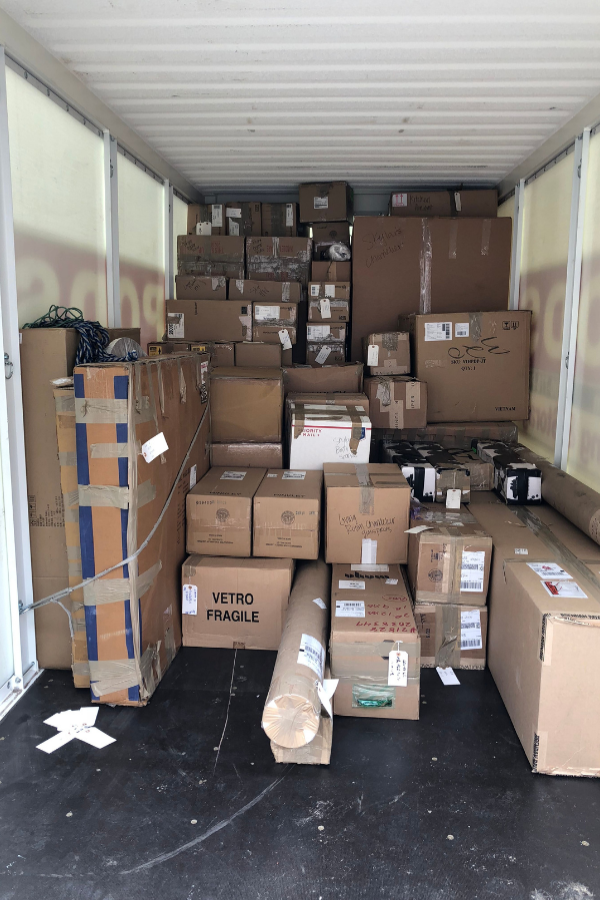
Packaging can affect receiving, storage, delivery, and installation. Ask how the product is packaged, whether assembly is required, whether the item ships on a pallet, and whether the packaging has caused damage issues before. A product that looks simple on its tear sheet can create extra work at the warehouse if it arrives in complicated packaging, requires special handling, or needs assembly before installation.
Fuel your creative fire & be a part of a supportive community that values how you love to live.
subscribe to our newsletter
*please check your Spam folder for the latest DesignDash Magazine issue immediately after subscription

Ask How Pricing Works Over Time
Trade pricing is only part of this conversation. Ask which pricing tier applies to your firm, whether volume discounts are available, whether annual minimums exist, and how often pricing changes. Ask how much notice the vendor gives before a price increase and whether a quote can be honored for a specific amount of time. If you’re preparing a client proposal, you need to know whether the number you present will still be accurate when the client approves it.
Ask Different Questions Once You Know the Vendor

The questions should change once you’ve worked with a vendor for a while. At that point, you probably know how freight is quoted, who handles damages, how long orders usually take, and whether the company communicates well during procurement. You still need information, but the conversation can become more specific.
Ask whether any products are being discontinued, whether certain finishes have longer lead times, whether pricing increases are expected, and whether any production changes are affecting the lines you specify most often. If you rely on that vendor for lighting, upholstery, casegoods, or fabric across multiple projects, you need to know what might disrupt future specifications.
A long-term vendor relationship can also help you plan before a client ever sees the product. A rep might tell you which pieces are consistently stocked, which items tend to sell out quickly, or which custom options add weeks to the timeline. That information can help you decide what to show a client in the first place.

Ask How Problems Are Handled
Every vendor relationship eventually runs into a problem. A shipment reaches you damaged. A product is backordered after approval. A finish looks different from the sample. A replacement part is needed before installation. The issue itself might be unavoidable, but the response tells you a lot about whether you want to keep working with that vendor.
Ask how damage claims are handled, what documentation is required, how quickly replacement orders are processed, and who pays return freight when something arrives defective. Ask whether the vendor has a dedicated claims person or whether your sales rep handles those issues directly. If the answer is vague before a problem exists, it probably won’t become clearer after the receiver sends photos of a cracked table base.
This is especially important when the client has already paid, the install date is approaching, and the design team is trying to coordinate with the warehouse, receiver, installer, and vendor at the same time. A vendor who communicates clearly during a damage claim can save your team hours of follow-up.
Ask (Yourself) Whether the Relationship Is Worth Building

Some vendors are fine for one order. Others are worth incorporating into your firm’s regular sourcing and procurement process. The difference usually has less to do with one product and more to do with how the vendor will work with your firm over time.
A strong vendor relationship will give your firm accurate information before client presentations, fewer surprises during procurement, and immediate answers whenever there’s an issue. That doesn’t mean every vendor needs to become a preferred partner. But we encourage you to pay close attention to which vendors make your work easier and which ones create extra work for your team.
If a vendor consistently confirms inventory, explains freight clearly, provides accurate quotes, communicates lead time changes, and helps resolve problems, that relationship has value beyond the trade discount. If a vendor has beautiful products but unreliable communication, unclear freight, shifting pricing, and slow claims support, the product might not be worth the frustrations.
Final Thoughts on Vendor Questions

The questions you ask should help you understand what will happen after the client approves the product but shouldn’t overwhelm the vendor unnecessarily. Don’t ask inane questions with no value simply to interrogate the vendor. But inventory, freight, lead times, pricing, packaging, and damage claims all affect projects, so questions about these issues are valid.
And be sure to ask more questions when the vendor is new. Ask better questions when the vendor is familiar. Your end goal is to understand whether the company can support your firm’s operations or simply a single order. Are you buying a product or building a relationship you expect to rely on for years?
Written by the DesignDash Editorial Team
Our contributors include experienced designers, firm owners, design writers, and other industry professionals. If you’re interested in submitting your work or collaborating, please reach out to our Editor-in-Chief at editor@designdash.com.
Related Posts

Co-Working Session: Would Your Design Firm Still Run if You Stepped Away?

Remodeling Costs in 2026: How Designers Can Explain to Clients
Remodeling costs in 2026 are shaped by labor shortages, supply chains,

Vastu Shastra: The Ancient Science of Integrating Architecture and Nature
Today, the enduring influence of Vastu Shastra can be seen in various

Your Digital Footprint: Why Entrepreneurs Need to Think Beyond Social Media
Social media is great for today, but creative entrepreneurs need a las

Here’s When to Start Applying for Preschool
Don't worry! We'll answer all of your FAQs about how and when to apply

How to Design Romantic Interiors Without Falling Prey to Clichés
Learn how to design romantic interiors that feel intimate, sensual, an