Flowers That Will and Won’t Wilt During Long Portfolio Photoshoots

 0
0
 0
0Summary
On portfolio day, flower choice has a lot less to do with what looks prettiest at 8 AM and a lot more to do with what can still hold itself together by the fifth room. Chrysanthemums, lisianthus, blue thistle, and button-style accents can usually handle a long shoot without much drama. Ranunculus, stock, calla lilies, viburnum, allium, ammi, and dahlias can still work, but they need better timing, cooler rooms, or sturdier flowers around them. Hydrangea, tulips, poppies, peonies, and anemones are far riskier, which makes them better for first rooms, faster setups, or social content that does not need to last all morning.
Reflection Questions
Which flowers do you keep buying for shoots even though they start falling apart by the third or fourth room?
Which spaces in your usual shot list can handle a riskier flower, and which ones need something that can last all morning?
Where could better planning around flowers save you time on shoot day: the shot order, the room order, the flower mix, or the backup stems?
Journal Prompt
Think about the last project you photographed. Which arrangement held up best, which one started failing first, and what did that do to the room once the day started dragging? Then write out the flower mix you would buy for your next long portfolio shoot if you had to plan for a warm house, a delayed schedule, and at least five rooms.
Flowers can change the whole space on a shoot day, but they can also turn into one more problem if the bloom is too delicate and temperamental for the shoot’s schedule. A long portfolio shoot is hard on arrangements. Rooms heat up with all the equipment and activity. The team moves things around. One setup takes longer than expected, then the next one does too. By the time the photographer reaches the last room, the flowers that looked gorgeous and fresh early in the morning may already be drooping, opening up too much, or losing their shape.
That’s why some flowers make much more sense for a portfolio day while others are best suited to social media content. Some will stand up straight for hours, still looking exactly like they did at 8 AM. Some are gorgeous but a little unpredictable. And others are risky enough to limit to quick BTS shots. Below is a short list of flowers in each category. (Don’t worry, we’ve weeded out the worst-performing flowers, no pun intended.)

Long-Wearing Winners
These are the flowers we’d trust most on a long interiors shoot. They keep their shape, they don’t collapse quickly, and they still look polished when you’re on your fifth or sixth room.
Chrysanthemums
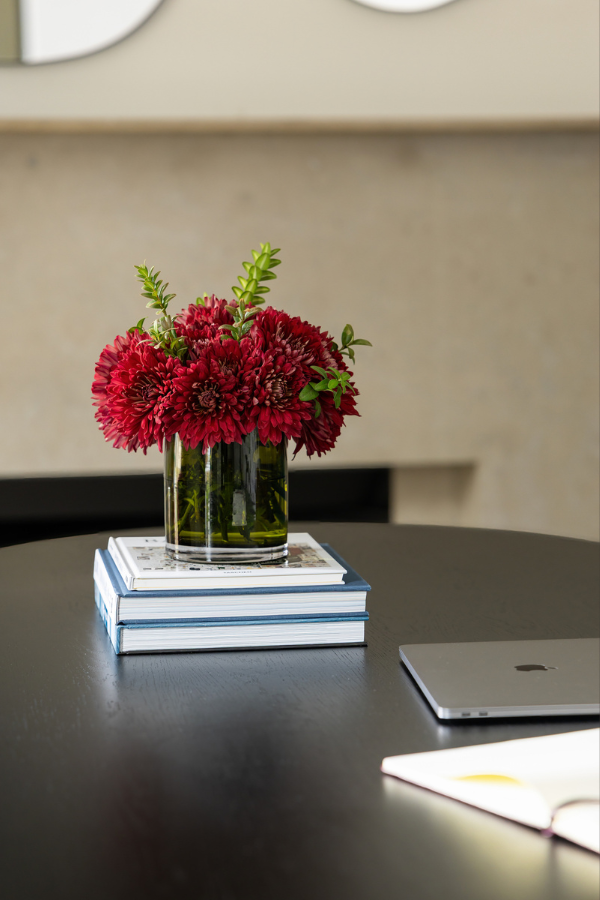
Of all the options on our list, chrysanthemums and their relatives might be the best for extended photoshoots. They’re one of the longest-lasting cut flowers; plus, their blooms don’t open and close as the day wears on. Sturdy and dense, they won’t fall apart if you bump or move them around often throughout the shoot. Large, textural, and available in many colors, they can be styled alone or with a variety of other flowers regardless of the season. They’re visually close to dahlias, but they won’t wilt nearly as fast and they usually cost quite a bit less.
Lisianthus
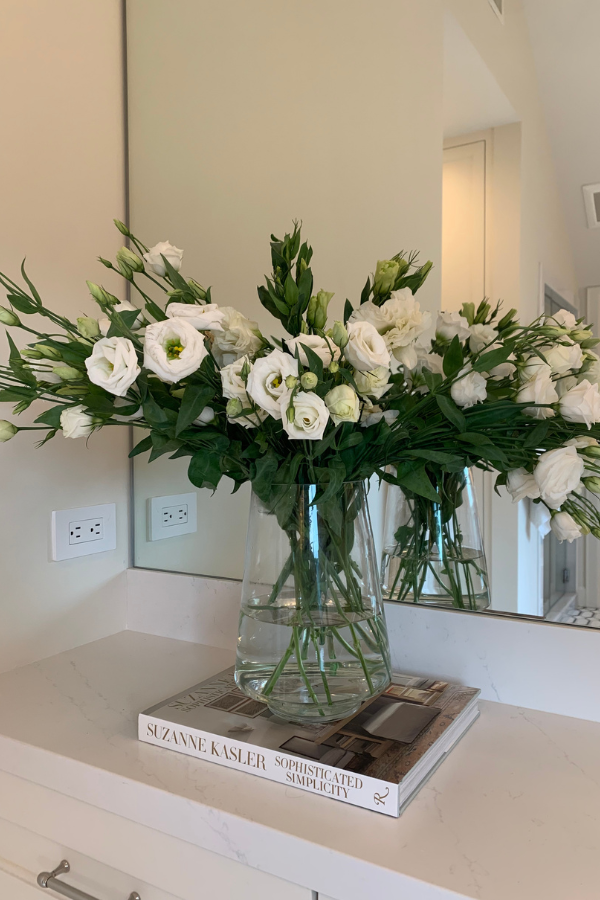
Lisianthus is a strong choice when you want something soft and feminine without bringing a fragile flower into a long shoot. It has that airy, layered look designers usually want in a bath, bedroom, or vignette in a bigger space, but it keeps itself together much better than garden roses, poppies, or other flowers with a similar aesthetic. The petals don’t bruise as easily as ranunculus, and the stems stay upright longer than you might expect. If you want an arrangement to look relaxed but still composed at the end of the day, lisianthus is hard to beat.
Eryngium or Blue Thistle
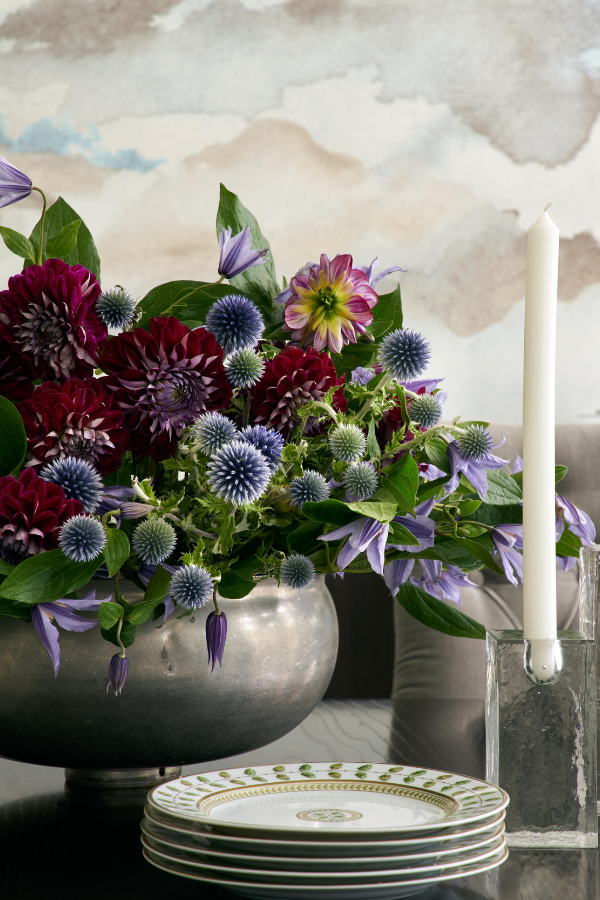
Eryngium is a great flower for a long shoot because it keeps its shape. The stems stay upright, the heads do not droop, and it can handle being moved around without looking battered. In a mixed arrangement, that helps a lot. If the rest of the flowers are softer or fuller, blue thistle gives the arrangement some structure and keeps it from slumping throughout the day.
It also solves a pretty common styling problem. Sometimes, an arrangement needs texture, but another delicate flower is the last thing you want to deal with. Eryngium gives you that rougher, more architectural note without creating more work for the team halfway through the day.
Button-style Accent Blooms
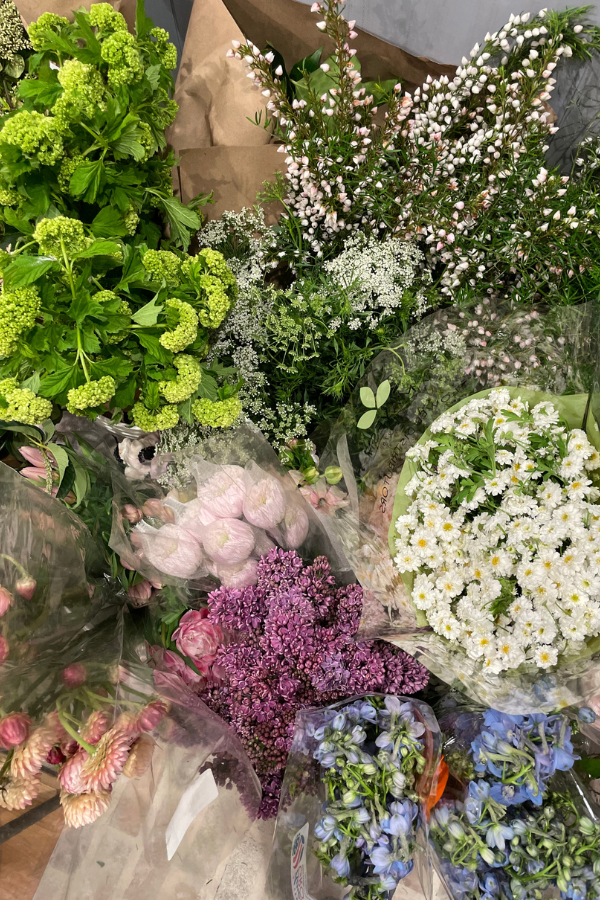
Small round accent blooms work well on a long shoot because the heads stay round and intact, even after the vase has been turned, trimmed, or moved to another room. Craspedia, billy balls, or another button-style accent bloom won’t bruise easily. They don’t collapse into the arrangement, and they still look lovely after a few hours in water. In a mixed vase, that helps the whole arrangement keep some shape when softer flowers start drooping or opening too far.
They also help when the main flower is more delicate. Ranunculus can open too far. Tulips can bend. Poppies can lose petals. Small round accents keep some order in the arrangement after those looser flowers start to change. On a portfolio day, that extra stability is worth a lot.
Iffy but Beautiful
These flowers can absolutely work on a long interiors shoot, but they need a little more planning. Heat, handling, and timing matter more here, and the shot order will count. They’re usually still worth using, especially when you want softness, shape, or a little drama, but they do better when they’re photographed earlier or paired with sturdier stems.
Ranunculus
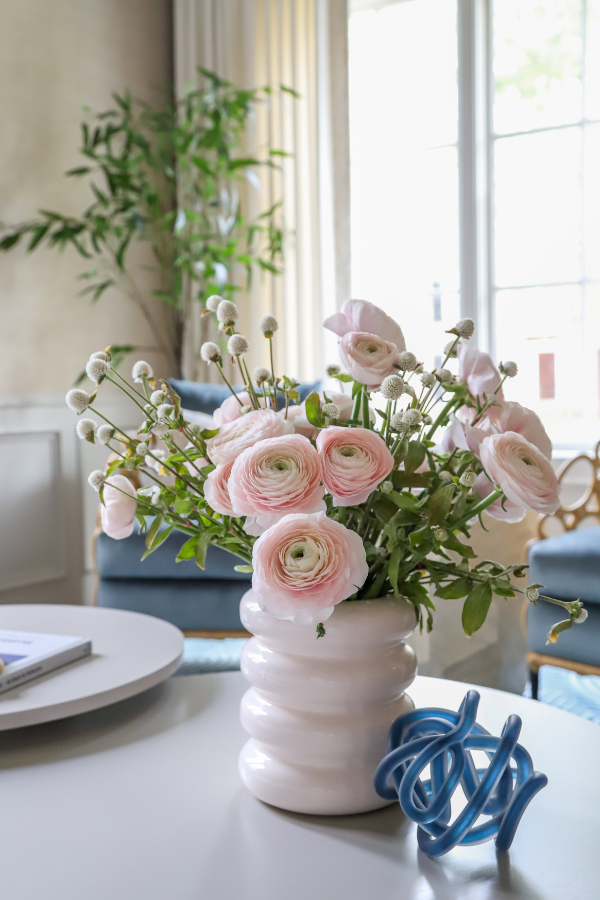
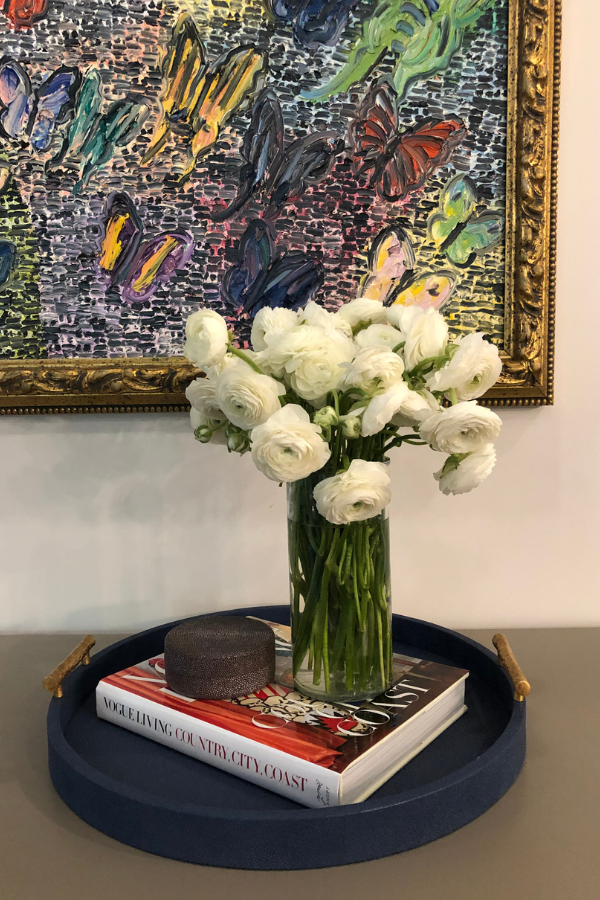
Ranunculus photographs beautifully, and designers love it for good reason, but it’s not our first pick for an all-day shoot in a warm house. The petals are delicate, the stems can droop, and the blooms can open too far as the day drags on. It still makes sense for an early, single-space shoot or a tighter schedule, especially when you want something soft and expensive-looking. It just needs better timing than chrysanthemums or lisianthus do.
Stock
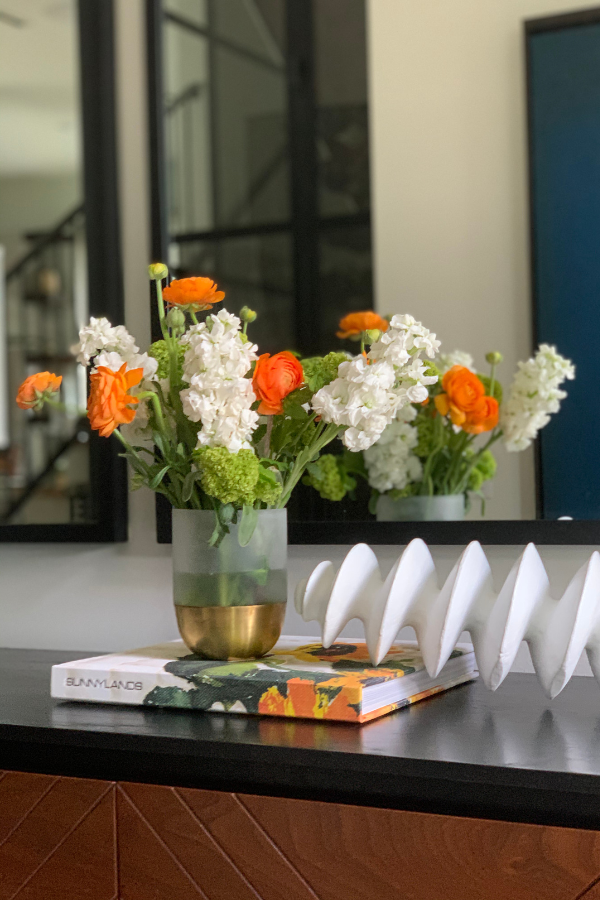
Stock can hold up for a while, but it starts looking tired far earlier than mums or lisianthus do. The florets can look a little sad by the end of the morning, and the stems can start leaning if the room warms up. It fills out a vase quickly and easily, which one reason that designers keep using it, but that fullness can look a little shaggy if the shoot runs too long.
We’d still use stock for shoots, especially in a fuller arrangement where it’s supporting sturdier flowers instead of carrying the whole vase on its own. It works best in a space towards the beginning of your shot list or in a cooler part of the house where it has a better chance of looking fresh for longer.
Calla Lilies
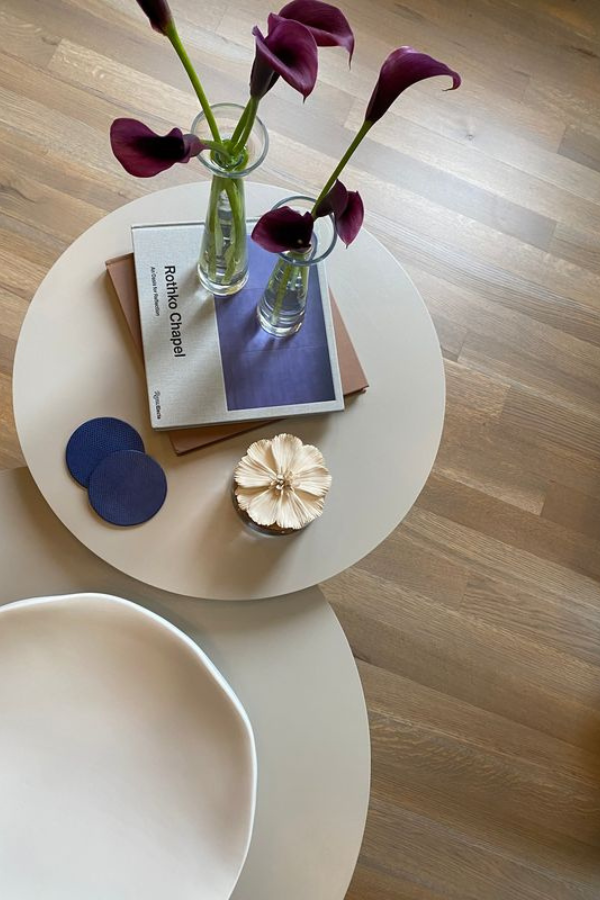
Calla lilies can last, but they bruise fairly easily. The edges can curl, the petals show handling marks right away, and the stems don’t love being handled over and over. These flowers make more sense in a simple arrangement than in a fuller vase, which means that they’re often the “star of the show”.
While they’re stunning solo, they need to be fresh, clean, and cared for if you want them to photograph well. We’d still use them on portfolio day, especially in a more minimalistic space where the flowers have to be clean and sharp, but we’d photograph those spaces first.
Fuel your creative fire & be a part of a supportive community that values how you love to live.
subscribe to our newsletter
*please check your Spam folder for the latest DesignDash Magazine issue immediately after subscription

Viburnum
Viburnum can make a vase look full very quickly, which is part of its appeal for shoots. The green clusters look fresh and lush at the start of the day, and even a smaller arrangement can look finished with just a few stems. The problem is that viburnum can start slumping or browning at the edges earlier than you want, especially if the room is warm or the stems were not conditioned well from the start. We’d still use viburnum for shoots, but we’d treat it more like an early-room flower than an all-day flower.
Allium
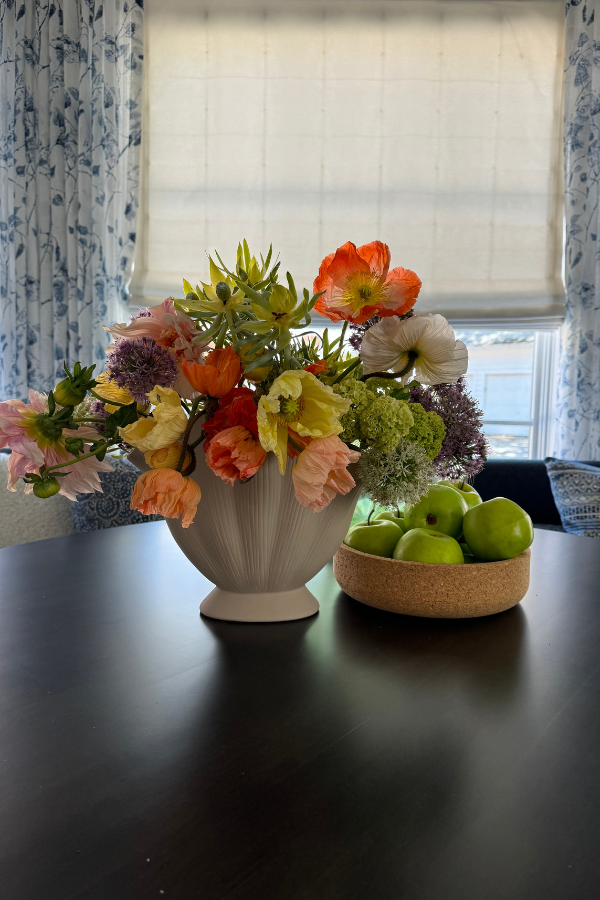
Allium can look incredible in a vase because the round heads change the whole arrangement almost immediately. A few stems can add shape, height, and a little weirdness in a way that feels very deliberate and fun! The trouble is that cut allium can start looking dry and papery if it spends too long in heat, and the stems can bend more than you want over the course of a long shoot. We’d still use allium, but we’d use it sparingly.
Ammi or Queen Anne’s Lace
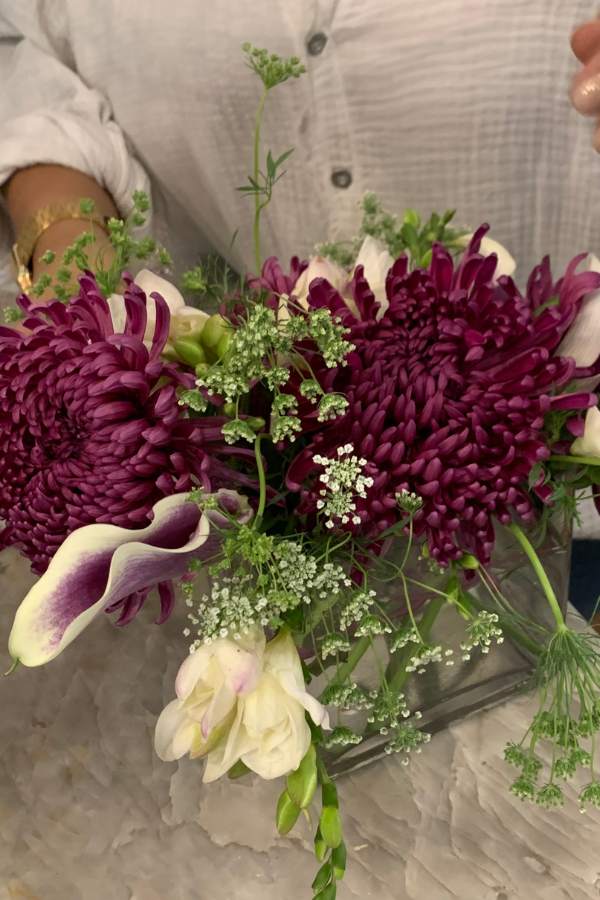
Ammi is beautiful when it’s fresh. It lightens a vase, breaks up denser flowers, and gives an arrangement that loose, airy look that is absolutely stunning. The problem is that the stems are thin, the flower heads are delicate, and as the day drags on, the whole thing can start drooping into the flowers around it.
We’d still use ammi, but we’d think of it as a supporting flower, not the flower carrying its arrangement. It works best when it’s softening sturdier stems in an early room, not when the whole vase depends on it at the back end of a long portfolio day.
Dahlias
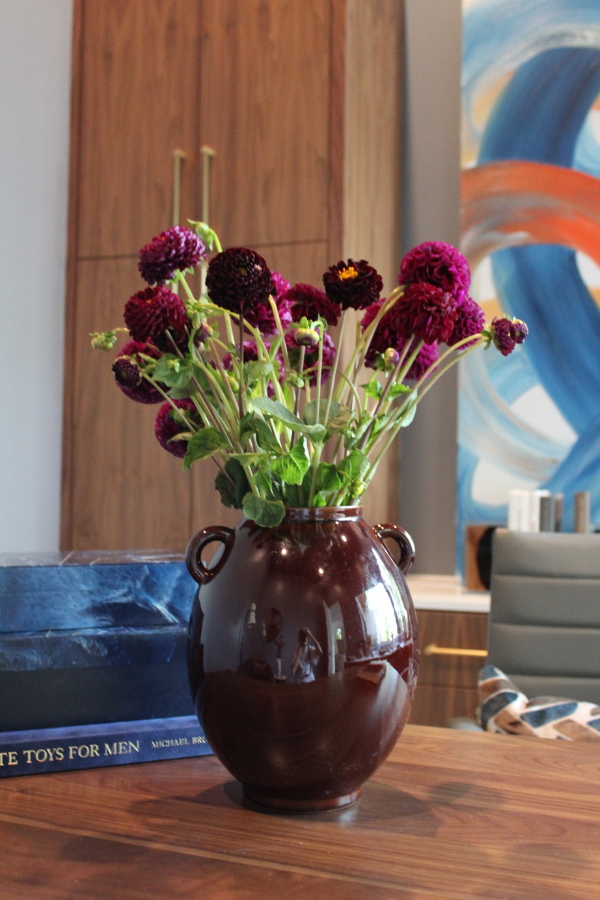
These are gorgeous on camera but a bit of a gamble for long shoots. They can look amazing at hour one and tired by hour four, especially in heat. The petals bruise easily, the heads are heavy, and once they start drooping, the arrangement can look past its prime very quickly.
We still understand why designers use them. Dahlias bring a lot of color and drama into a room without much effort, and they can look incredible in those first few shots. We would just make sure they are going into an early room, not the last space of the day.

Risky for Long Shoots but Absolutely Stunning
These are the flowers we’d save for the first room, a quick BTS setup, or social content that only needs a short window. They can be beautiful right out of the gate, but they change quickly. If the room heats up, you run behind schedule, or the arrangement is handled too much, they can look very different from one hour to the next.
Anemones
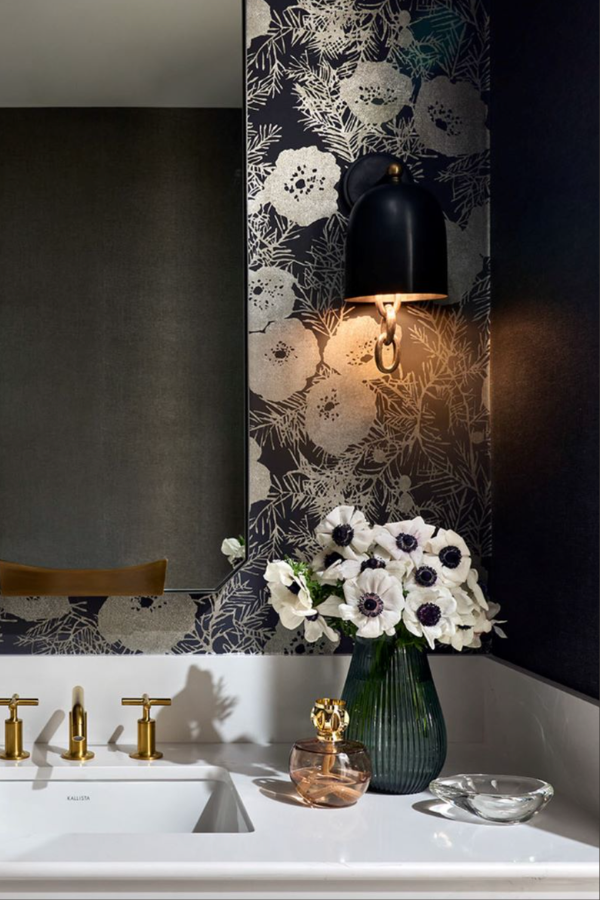
Anemones are one of the prettiest flowers in a small arrangement, and one of the least dependable on a long day. The dark centers are striking, but the petals can bruise, curl, and start looking papery pretty quickly. They also open as the day goes on, which can change the whole shape of the arrangement between the first room and the last.
We’d still use them in a bathroom or a smaller vignette when the shot is happening early. But we wouldn’t trust them to stay crisp and clean through a full portfolio day without some replacement stems waiting nearby.
Hydrangea
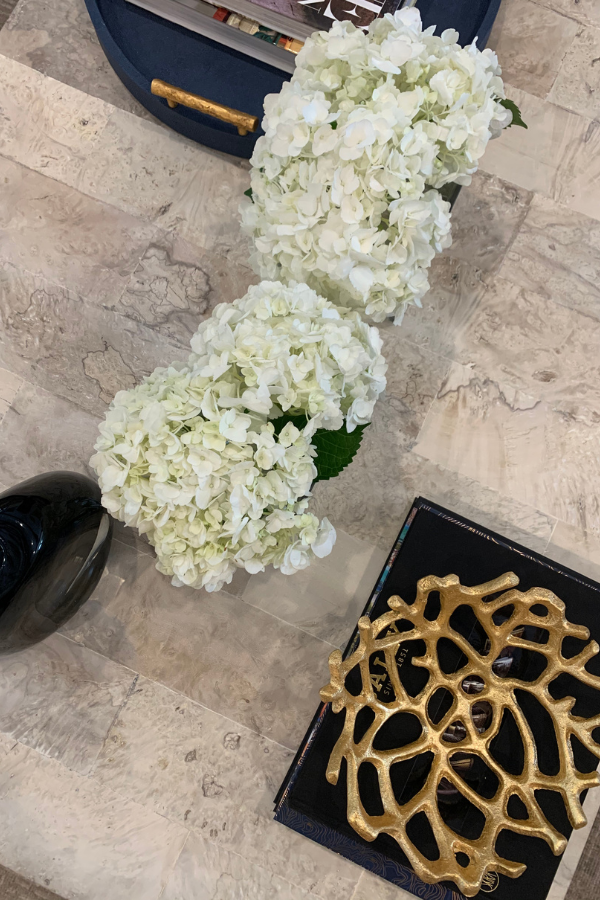
Hydrangea can look incredible in the first room. The heads are big, full, and polished, and a simple vase of hydrangea can do a lot for a space with almost no help. The problem is that hydrangea can collapse quickly and completely. If the stems were not conditioned perfectly, or the room runs warm, the flowers can start drooping and browning. We’d use hydrangea when the arrangement is being photographed right away, not when it needs to survive the whole morning. For socials, BTS, or a first setup, fine. For a long portfolio day, it’s a risk.
Tulips
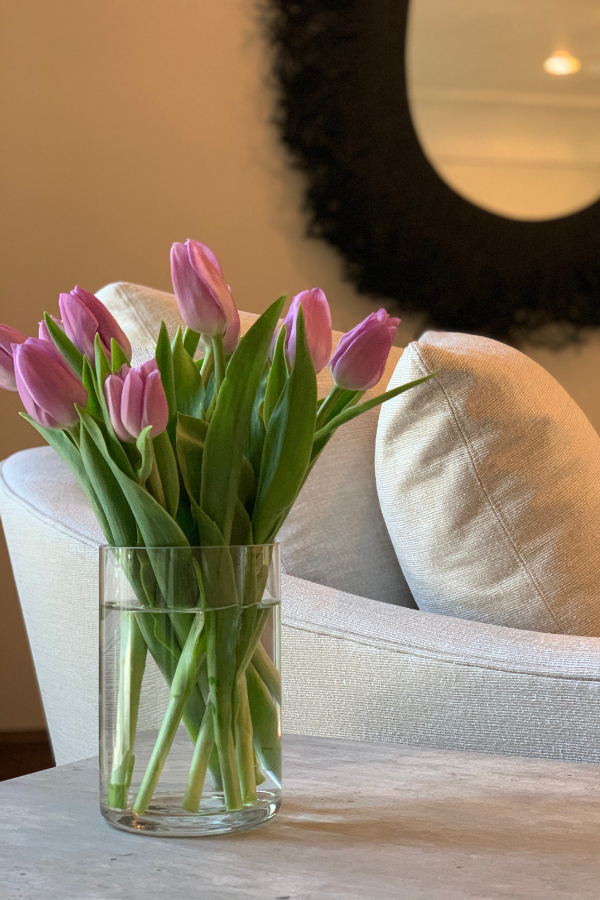
Tulips are classic shoot flowers, but they tend to move a lot. They open, bend, and turn toward the light, which can change the whole shape of the arrangement between the first room and the last. That dynamism can be beautiful when you want something looser and a little less controlled, but if that’s not your intention, it can also ruin the shape you set at the beginning of the day.
We’d still use tulips for a fast setup or a social shoot where the flowers only need to look good for a short stretch of time. We just wouldn’t expect them to hold the same line from morning through afternoon.
Poppies
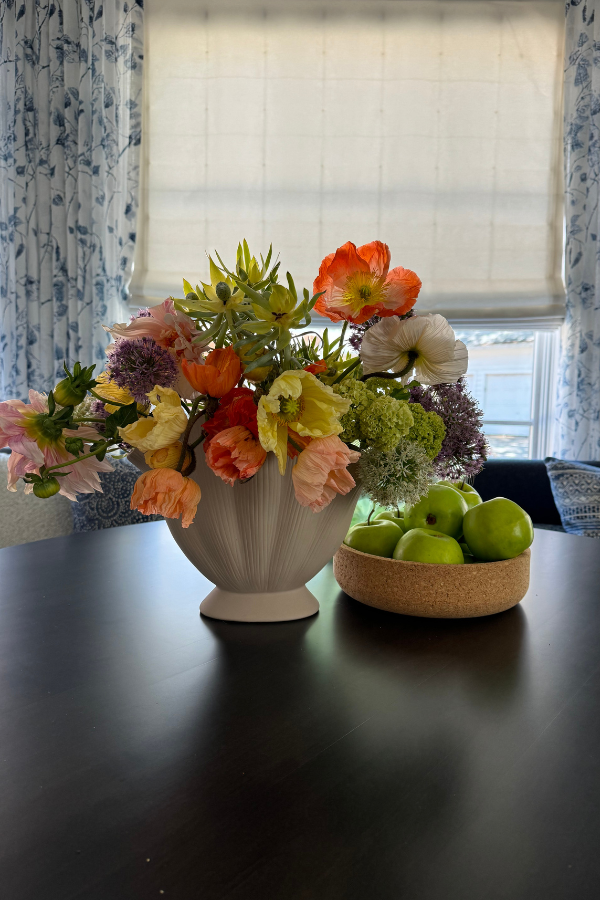
Poppies are stunning in the first setup and risky in the home stretch. The petals are paper-thin, the stems bend easily, and the blooms will crumple if the room warms up. They bring a room to life almost immediately, which is probably why we keep taking the risk! We’d use poppies when the arrangement is being photographed right away or when the whole point is one quick, beautiful moment. But we certainly wouldn’t trust them to look fresh and full through a full portfolio day.
Peonies
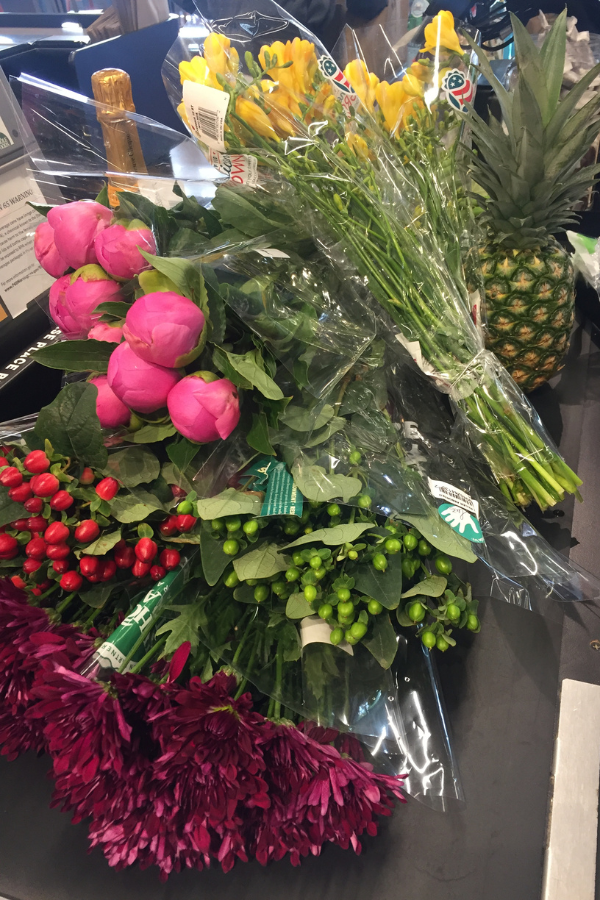
Like tulips, peonies can change very quickly over the course of a shoot. A bloom that still looks fairly tight and closed in the morning can be fully open by lunch, and once that happens, the whole arrangement can look either much looser than you planned or much bigger than you planned. The heads are heavy, the petals bruise easily, and the flower can go from fresh to overblown in just a few hours.
We’d still use peonies when the room is first, second, or third on our shot list. Similarly, we’d use it if the arrangement only needs to last through one setup like for socials. They are beautiful, but they are not the flower we’d trust if hopping back and forth between rooms to shoot.
Written by the DesignDash Editorial Team
Our contributors include experienced designers, firm owners, design writers, and other industry professionals. If you’re interested in submitting your work or collaborating, please reach out to our Editor-in-Chief at editor@designdash.com.
Related Posts

Eight Fringed Light Fixtures to Capture the Interior Design Trend
From leather tassels to jute-wrapped shades, these eight fringed light
Victorian Interior Design: Darkness, Drama, and Decorative Ambition
Discover how this maximalist language emerged from industrial ambition
2024 Interior Design Business Survey Highlights & What The Results Mean for Designers
Read insights from the 2024 Interior Design Business Survey: trends in

Pricing Strategies for Interior Designers
LIKE 0 LEAVE COMMENT 0 6 min read Summary Reflection Questions Journal

How to Publish an Interior Design Portfolio
LIKE 0 LEAVE COMMENT 0 13 min read Summary Reflection Questions Journa
15 Considerations for Selecting Decorative Objects for Client Installs
From avoiding strong scents to using reflective surfaces sparingly, he