The When & What of Hiring Your Firm’s Right-Hand Person

 0
0
 0
0Summary
Your right-hand person probably won’t start with a perfect title or a design background. So begin by identifying the work that drains your time and attention, then look for someone who can solve problems, manage multiple areas of the business, and help build the structure your firm needs for its next phase.
Reflection Questions
What work keeps pulling you away from business development, creative direction, or client relationships?
Are you looking for another designer, or do you actually need someone who can manage operations, process, people, and internal structure?
What would your firm need six months or a year from now if growth continues?
Journal Prompt
Write down every task you handled this week that didn’t really need you as the founder, principal, or creative lead. Then group those tasks into categories like admin, finance, marketing, HR, procurement, or process. Which category drains the most time, and what kind of person would be best equipped to take it on?
Hiring your right-hand person sounds like a major milestone because it is. This will be the person who eventually takes on the parts of your business that interrupt design work, client relationships, and business development. But knowing you need help and knowing exactly who to hire are two entirely different things.
In Episode 93 of the DesignDash Podcast, co-founders Laura Umansky and Melissa Grove talk through how that role developed at Laura U Design Collective. Melissa is Laura’s right-hand person at the firm, but she didn’t start as its COO. She actually started in marketing, took on more operational work over time, and eventually became the person managing many of the areas Laura no longer needed to handle herself.
Their conversation focuses on timing, problem-solving, complementary skill sets, and the difference between hiring another designer and hiring someone who can help run the business around the design work.

Two Key Takeaways From Episode 93 of the DesignDash Podcast
#1 You probably need a right-hand person before you know exactly who that person is
One of the first things Laura says in this episode is that she knew she needed help almost immediately after opening her firm. Of course, that need for help wasn’t defined in a fully formed COO, org-chart, job-description way. She just knew she couldn’t keep every part of the business in her own hands forever.
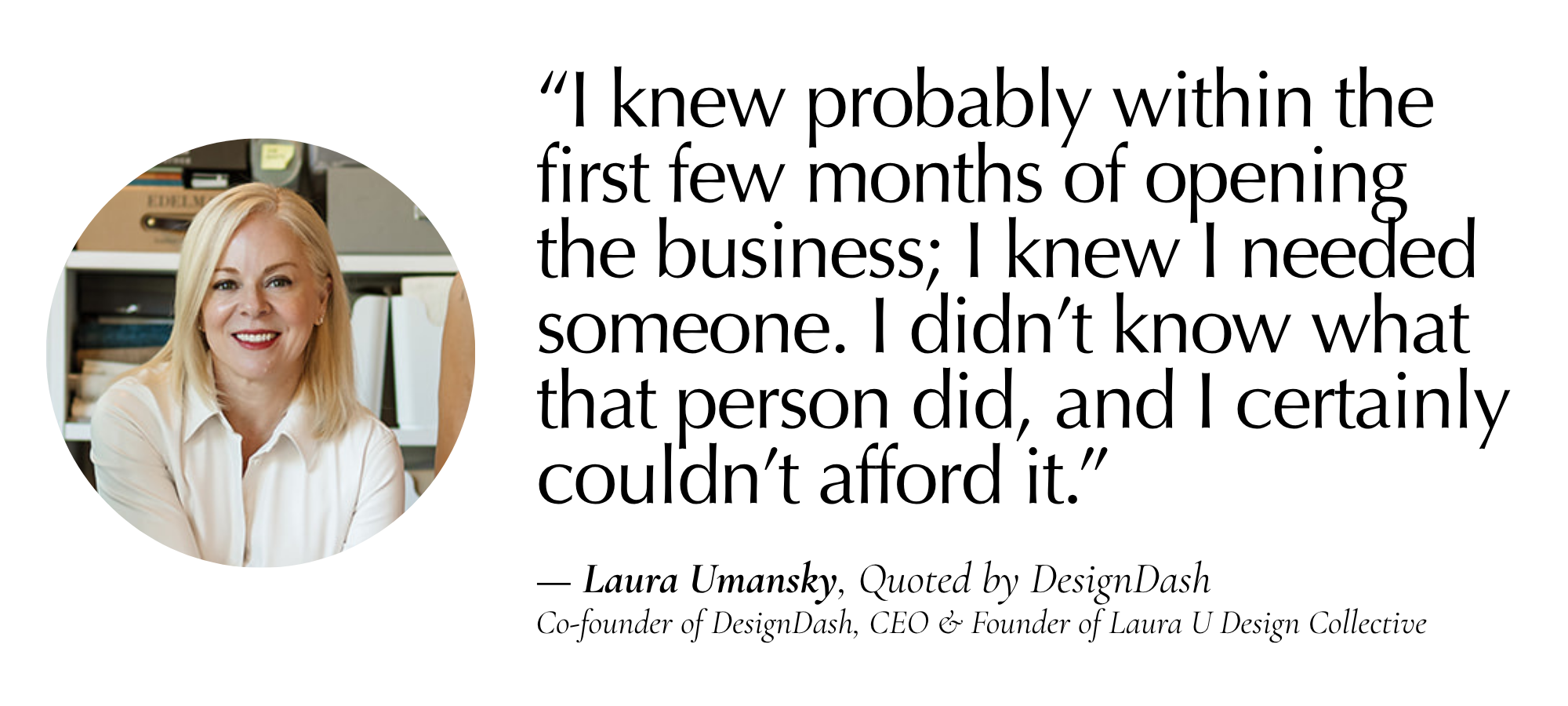
You might be stuck in this exact spot. You know you need someone, but you don’t know whether that person should manage the office, the books, the team, the marketing, the client intake process, or all of the above. And if you’re still small, you may not be able to hire the person you actually need yet. So you patch things together with a bookkeeper here, a part-time marketing person there. Maybe you hire a VA. Maybe you put out an ad for a studio assistant who you need to do a little bit of everything. Laura did that too.
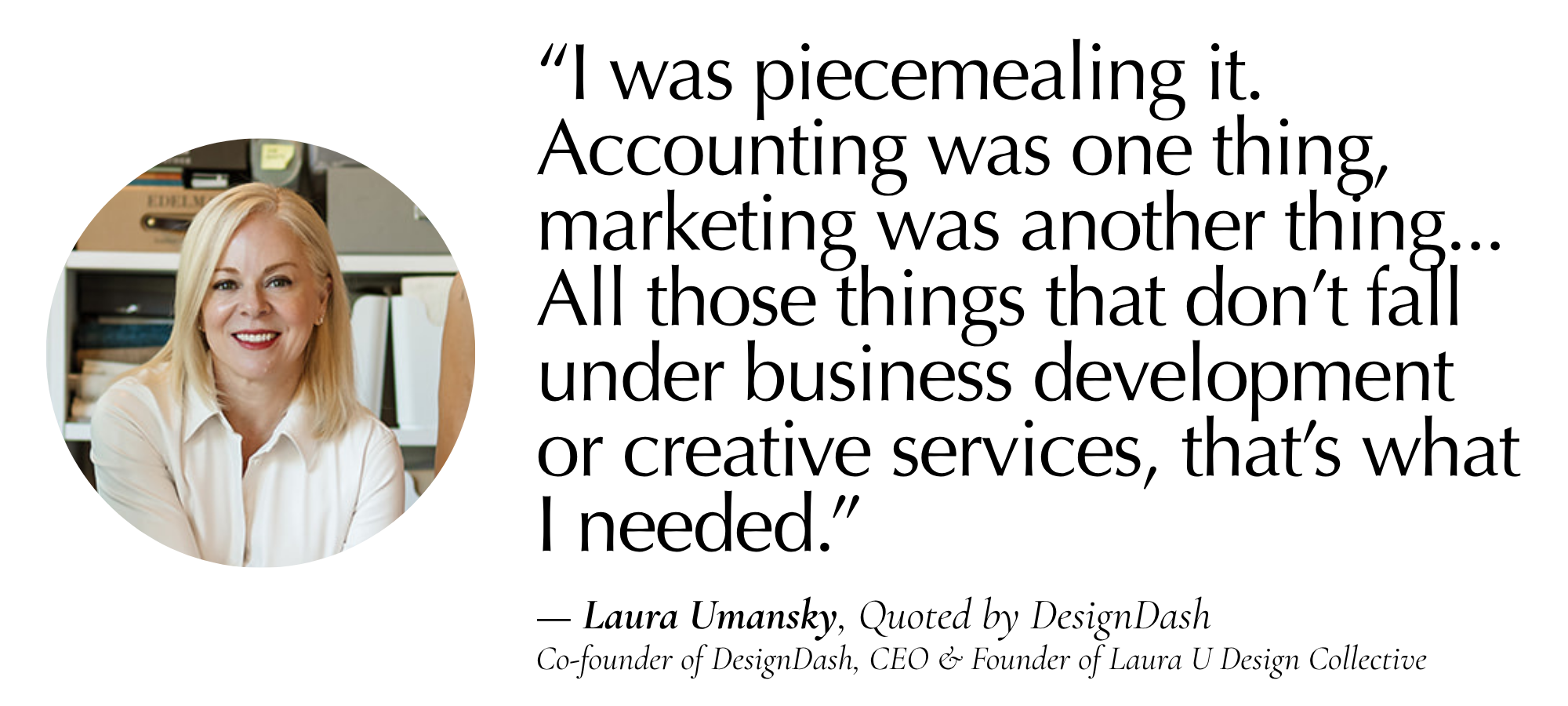
Laura found out what her right-and person wasn’t before she found out what that person actually was. Your right-hand person won’t be another version of you, the founder. Laura wasn’t looking for someone to take over the creative work, and most designers asking this question probably aren’t either. They need someone to take responsibility for parts of their business that keep interrupting the work they actually should be doing.
Laura eventually found language for the role she needed to fill through Rocket Fuel by Gino Wickman and Mark C. Winters. Their book describes the relationship between the visionary and the integrator, which helped her understand why she needed someone who could turn ideas into action and protect the firm from whatever idea didn’t need to come to fruition right now. That sounds a little funny and somewhat counterintuitive, but every firm owner probably needs someone who can say, “Nope, not this week.”
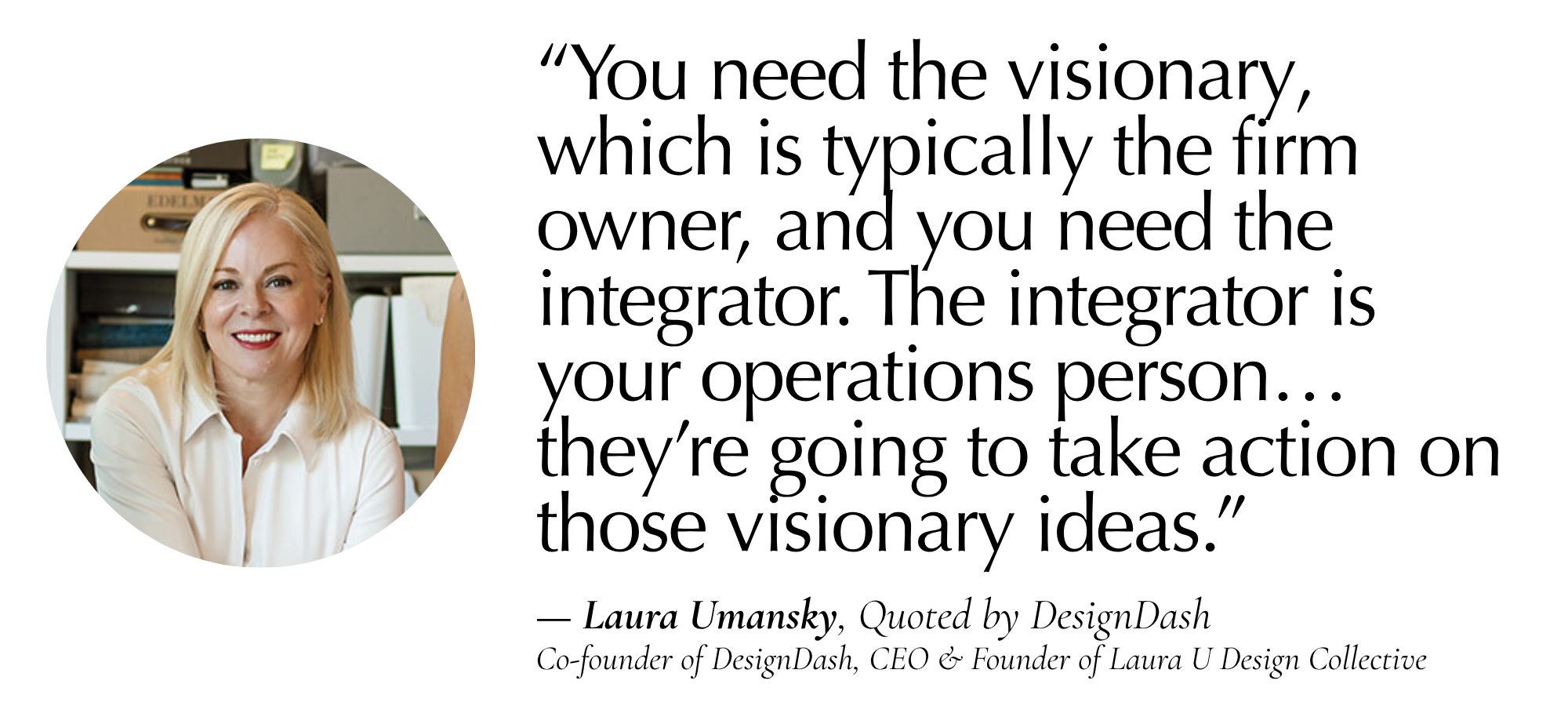
The role will probably start out smaller than Melissa’s COO position. It may start with admin, bookkeeping, marketing, procurement, or process documentation. If business development and creative direction are where you do your best work, then the rest of the firm still needs someone who can hold the operational thread without dangling it in front of your face all day.
Takeaway for Firm Owners
Start by identifying the work that drains your time and attention. The title can come later, but the tasks you isolate will tell you where gaps exist.
Fuel your creative fire & be a part of a supportive community that values how you love to live.
subscribe to our newsletter
*please check your Spam folder for the latest DesignDash Magazine issue immediately after subscription

#2 The right person might not come from the design industry
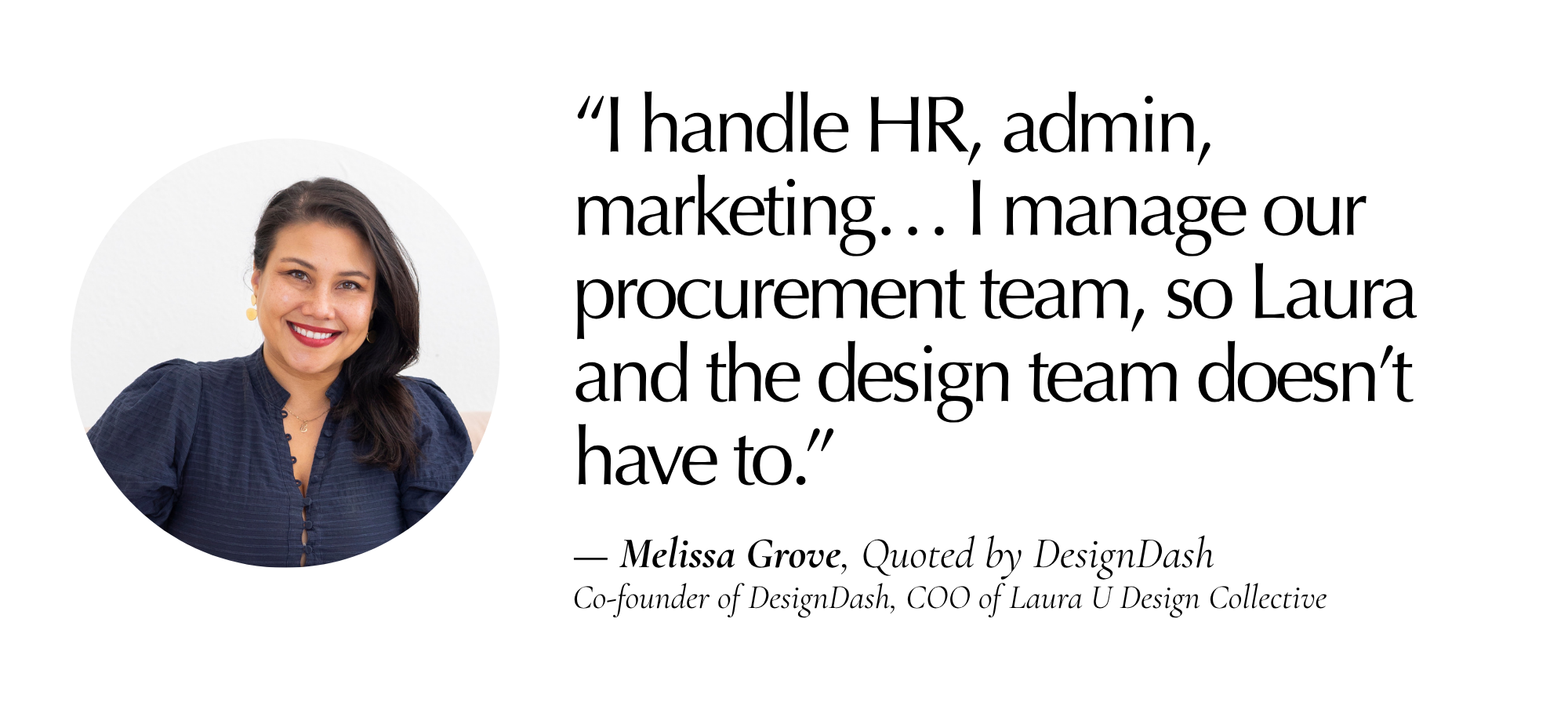
A lot of firm owners get hung up on finding someone who already knows interior design and our industry. That makes sense, to a point, because design firms have strange workflows, long project timelines, emotional clients, custom products, vendor relationships, procurement issues, and a thousand little details that are hard to explain to “outsiders”. But Melissa’s path into the COO role at Laura U Design Collective is a good reminder that your right-hand person may not have a design background.
Melissa was hired as Director of Digital Marketing because that was her background. She had spent her career in marketing and corporate environments before joining Laura U. She didn’t walk into the firm as a fully formed COO, and she didn’t immediately think the role made sense for her.
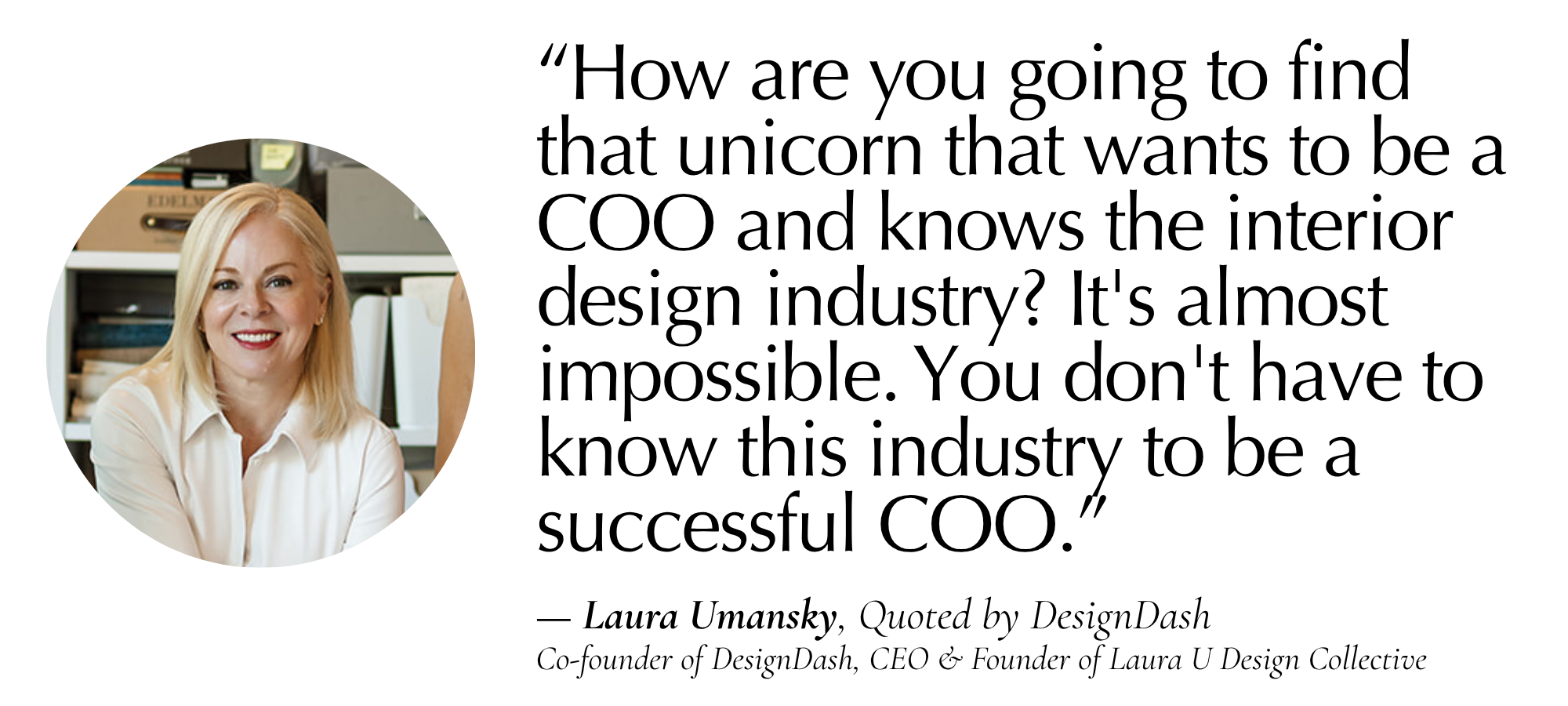
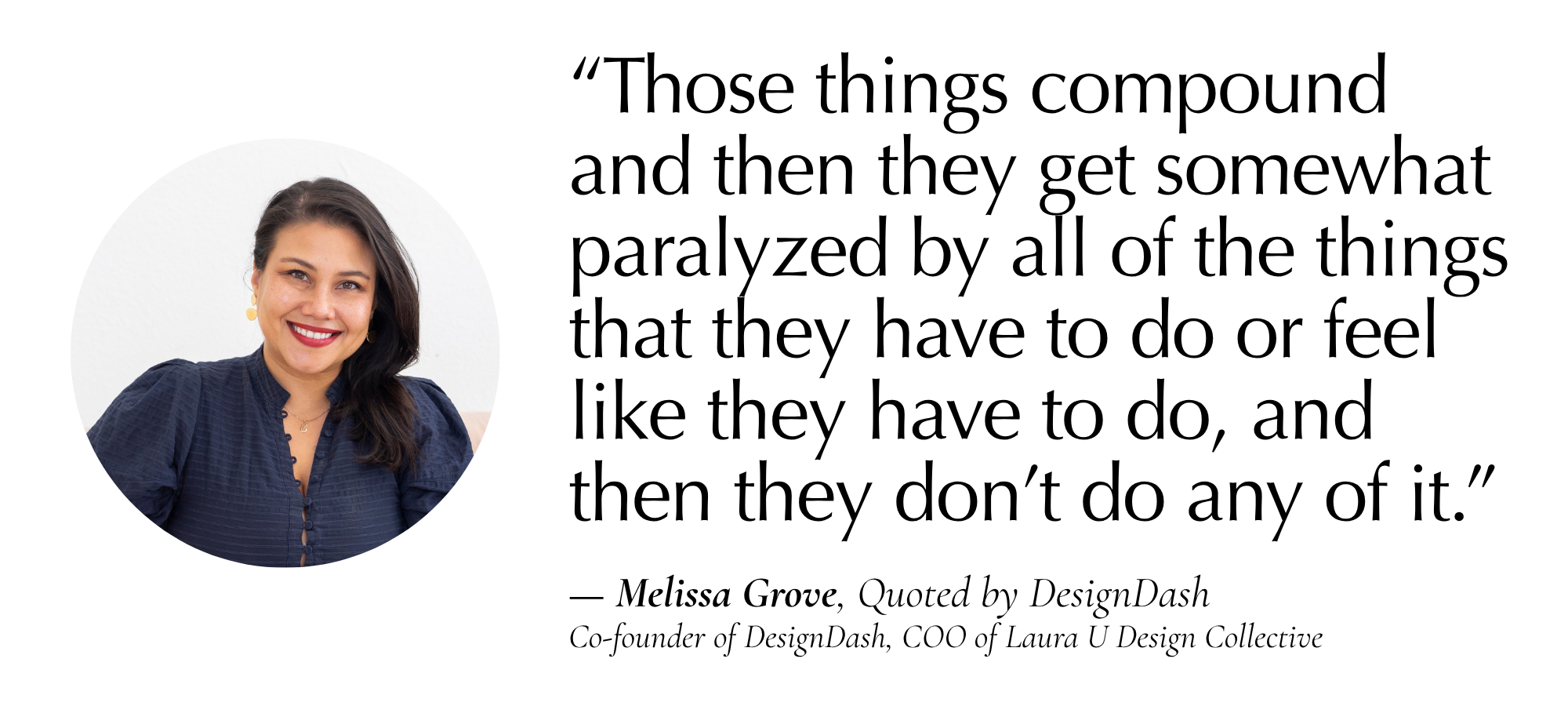
At first, Melissa was hesitant to grow into COO because the role seemed like it would require a level of financial expertise she didn’t think she had. She jokes in the episode about getting a D- in freshman accounting, which is very relatable and also sort of beside the point. Once she looked at the actual work the firm needed, she realized a lot of it came back to project management. Different subject matter, same muscle.
Don’t pigeon-hole your right-hand person. You may not need someone who knows every showroom, vendor, and fabric house on day one. You need someone who can take a problem, figure out where it’s breaking down, organize the pieces, and keep going until they find the fix.
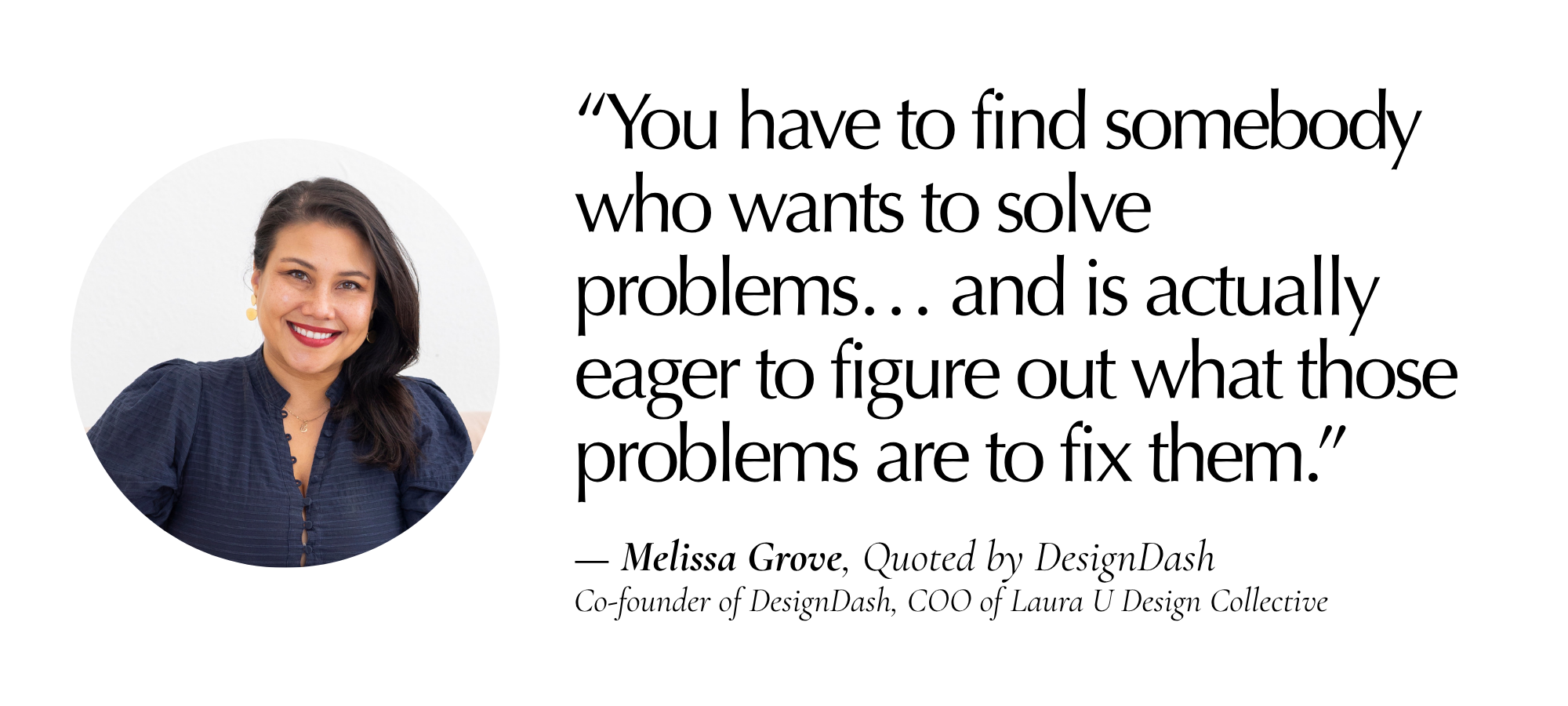
That problem-solving instinct may come from marketing, operations, corporate project management, finance, hospitality, events, or another industry entirely. Melissa argues that her background outside interior design actually helped because she brought communication structure, internal systems, and project management experience into a small business that had been lean for years.
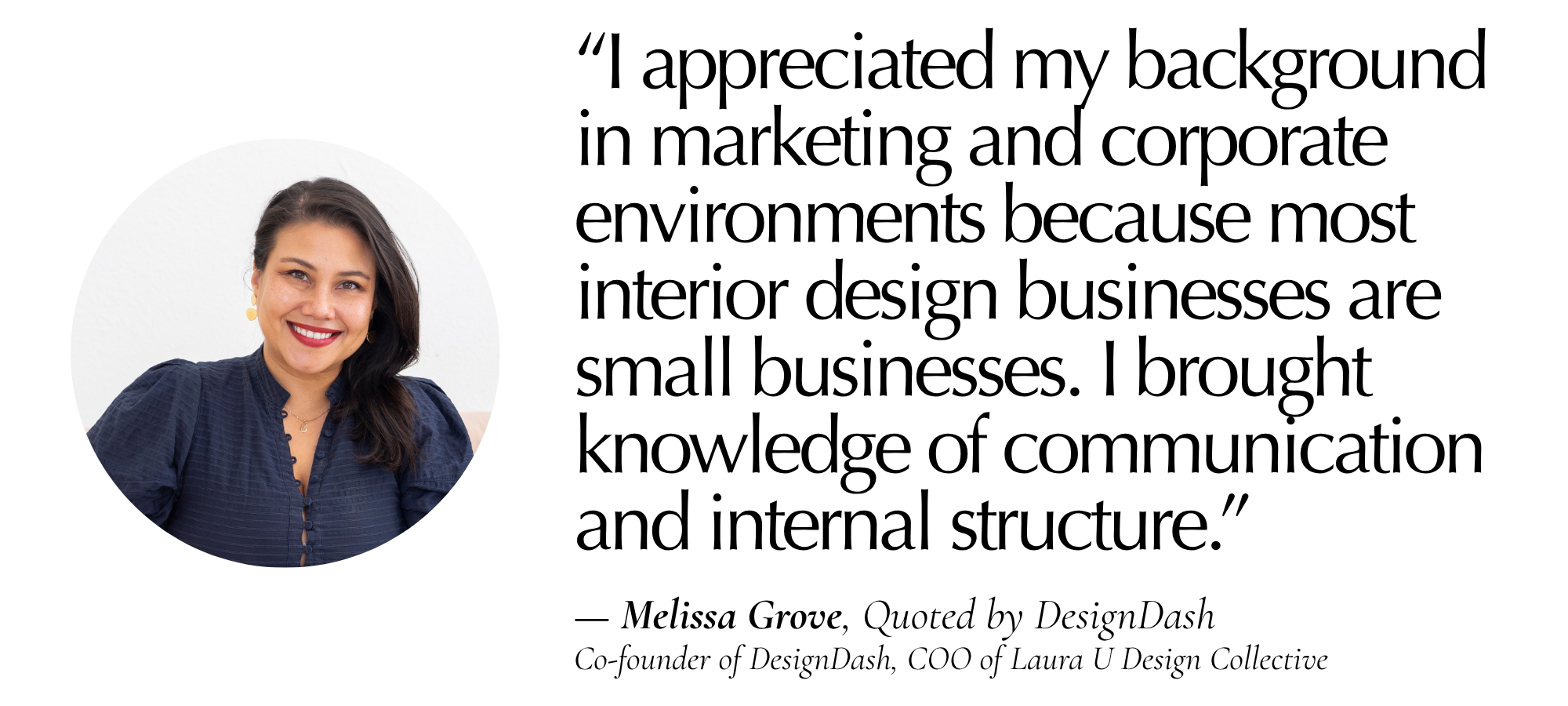
That outside perspective can be especially valuable because many small design firms don’t have time to establish repeatable processes while they’re also trying to sell work, manage clients, install projects, and keep the team on target. The founder may know exactly how things should be done, but a lot of that knowledge is still in their head. Your right-hand person can help turn that into a system other people can actually reference, which is one of the only ways to successfully delegate tasks.
This is why we encourage you to look outside the industry when hiring for operational roles. A senior designer may understand the creative process beautifully, but that doesn’t mean they want to own HR, financial meetings, office systems, onboarding, marketing, procurement oversight, or process documentation. Melissa’s job works because she likes the parts of the business Laura doesn’t want to handle. Thank God, honestly. Every firm owner needs someone who finds at least some satisfaction in the work they’re desperate to hand off.
The right-hand person does need enough authority and enough range to justify the role, though, especially in a smaller firm. If they only take one tiny task off your plate, the math won’t pencil out. But if they can manage several areas that drain your attention, support the team, and keep the business from routing every decision back through you, they’ll be worth the money.
Takeaway for Firm Owners
Don’t limit your search to people with interior design resumes. Look for someone who can solve problems, manage moving parts, and take ownership of the work you shouldn’t be doing anymore.
Final Thoughts
Hiring your right-hand person depends partially on timing but also on your specific vision of the firm you want to build. If you want to stay small, you may need a bookkeeper, a studio assistant, a marketing contractor, or a few better processes. If you want to grow, hire a team, increase revenue, and stop routing every decision back through yourself, your right-hand person will look a lot different.
But if you’re “winning work faster than you can operationally handle it,” as Melissa said on the podcast, you do indeed need a right-hand person NOW. At that point, your firm needs process, leadership, financial oversight, and someone who can help turn your ideas into structured outcomes. The thing is, every firm owner is structuring their business as they grow it.
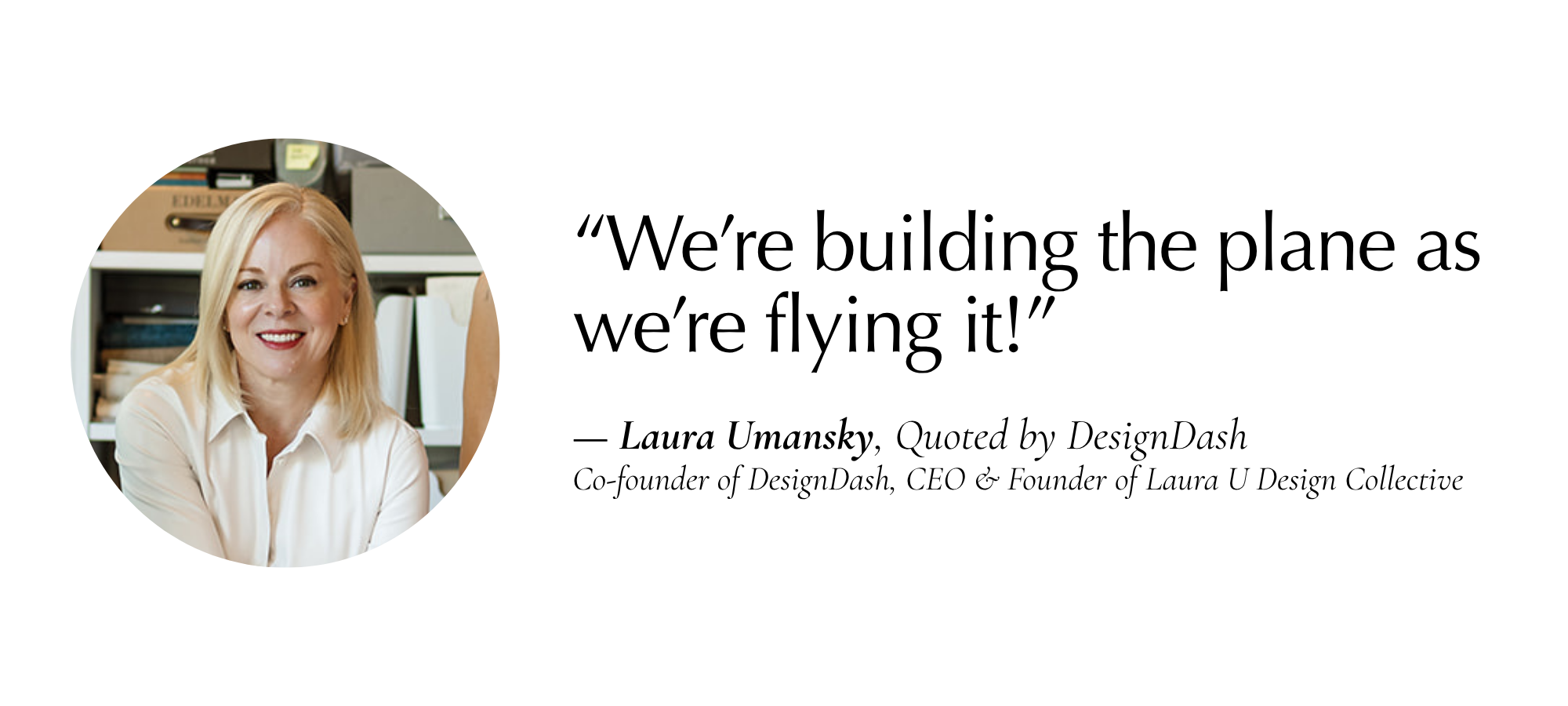
But you don’t have to build the plane alone. Inside the DesignDash Growth Studio, firm owners get direction, support, and specific answers to the very specific questions that come up while they’re growing. The program is built around the five pillars of a scalable design business: people, profit, promotion, process, and purpose. Hiring your right-hand person touches all five, from clarifying roles to building systems to figuring out what should finally come off your plate.
If you’re trying to grow past constant reaction and into a more structured, profitable firm, Growth Studio is for you! Join our waitlist to receive extra resources ahead of open enrollment.
Watch the Full Episode on DesignDash
Watch Episode 93 of the DesignDash Podcast to hear Laura Umansky and Melissa Grove talk through hiring a right-hand person, defining the integrator role, building operational structure, and figuring out what kind of support a growing design firm actually needs.
Written by the DesignDash Editorial Team
Our contributors include experienced designers, firm owners, design writers, and other industry professionals. If you’re interested in submitting your work or collaborating, please reach out to our Editor-in-Chief at editor@designdash.com.
Related Posts
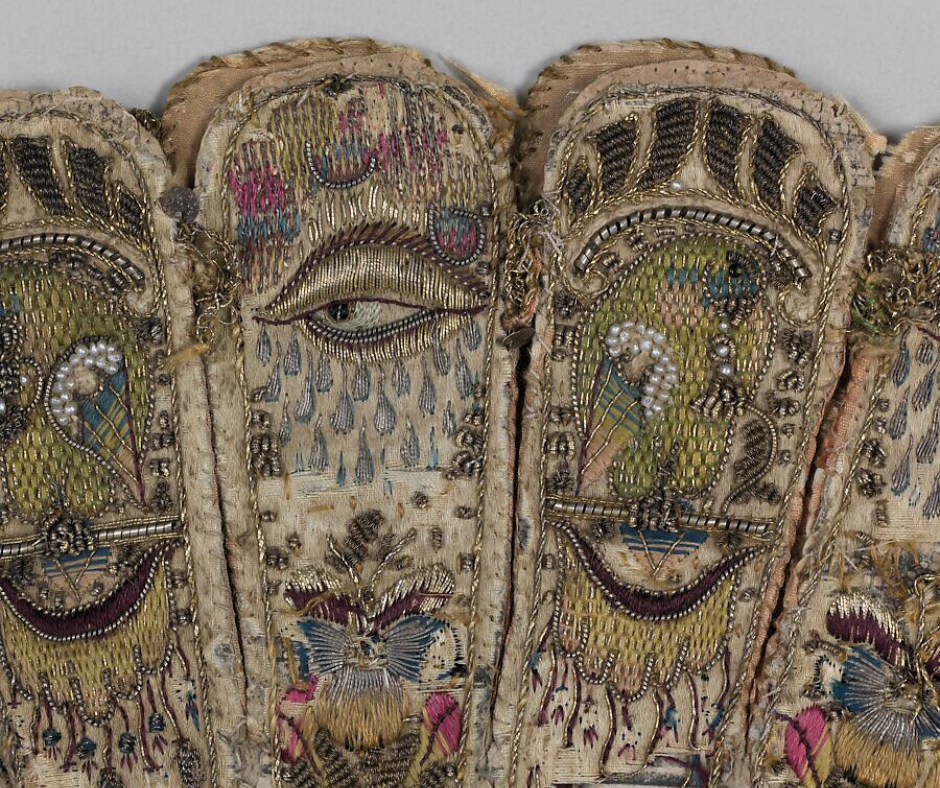
The Surprising Symbolism of Gloves in Art History and High Society
From the sacred halls of religious iconography to the intimate gesture

These Are the Best Business Books for Women by Women
There are so many insightful, empowering, and critically acclaimed wor

The Remarkable Inventions of Hollywood Icon Hedy Lamarr
Alongside her cinematic achievements, Hedy Lamarr co-invented a techno
How Do I Know I’m Actually Ready to Leave My Current Job, Not Just Burned Out?
Industry leaders explain how designers can tell the difference between
Why Your Design Firm Isn’t More Profitable — And How to Change That
Whether you’re a solopreneur or managing a team, the Profit First ap