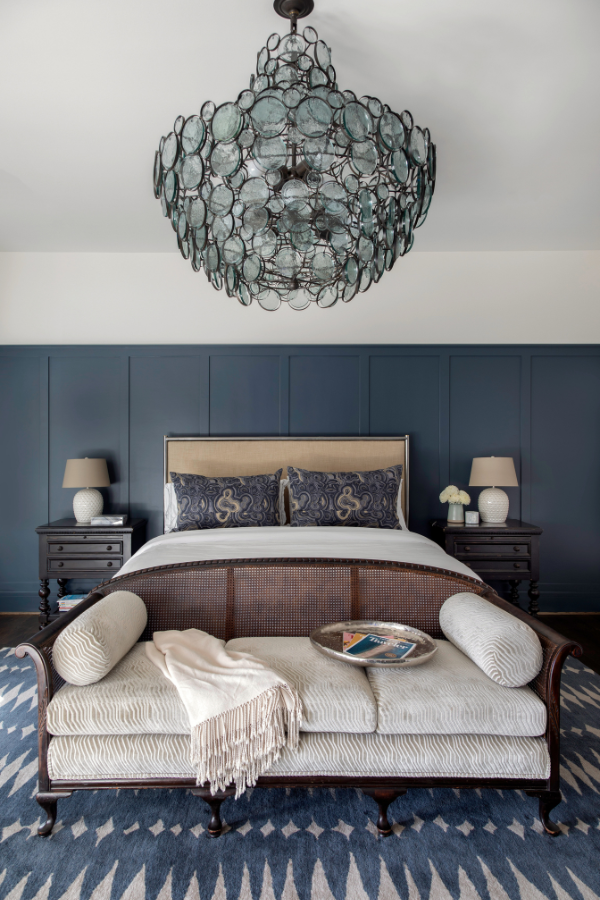
Millwork Terms Every Interior Designer Should Know

 0
0
 0
0Summary
Millwork is the broad category for interior woodwork, from casing, baseboards, and crown molding to built-ins, panel molding, mantels, and wainscoting. This article explains what the term means, how millwork was used historically in paneled and highly ornamented interiors, and what each common millwork term refers to now.
Reflection Questions
Which millwork terms do I already use accurately, and which ones have I been collapsing into broader words like trim, paneling, or built-ins?
When I look at a room, do I register the millwork as part of the architecture, or do I mostly notice the furniture and finishes first?
Which millwork elements feel most useful in my own work right now: wall paneling, casing, built-ins, ceiling treatments, or fireplace details?
Journal Prompt
Think about a room you know well, either in your own home or in a recent project, and write through the millwork element that shapes it most. It could be a paneled wall, a mantel, a run of casing, a built-in bookcase, a beam, or a stair detail. Describe where it sits, what profile or structure it has, how much of the room it covers, and whether it reads as quiet background or a major architectural feature. Then write about what would change if that millwork were removed, simplified, painted differently, or made more prominent.
In recent round-ups on interior trends and styles, we’ve spent time looking at paneled walls, built-in banquettes, detailed casings, beadboard, and painted trim without always stopping to define the broader category those elements fall under. In such spaces, the millwork might be what frames the windows, wraps the lower half of a wall, outlines the ceiling, or turns a basic alcove into shelving. It can be structural, decorative, or somewhere in between.
You can probably identify crown molding, wainscoting, or a built-in bookcase on sight, but if the language around millwork still feels a little mixed up, this article will sort through the terms you don’t quite get. Millwork is the larger category, but words like casing, chair rail, panel molding, baseboard, soffit, and the rest, describe elements under that umbrella. Read on to refresh your millwork vocab!
What Is Millwork?
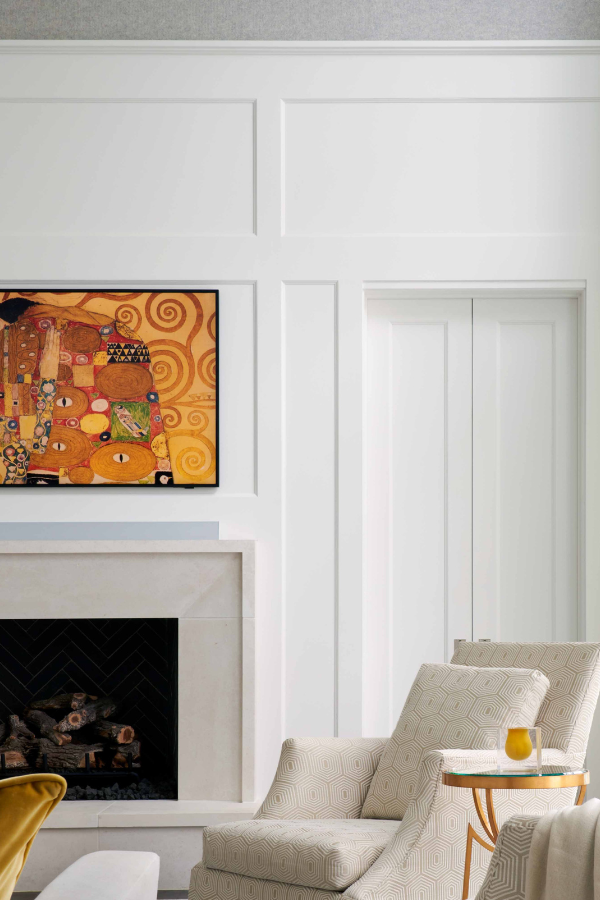
Millwork is the broader category for finished woodwork made for the interior of a building. Merriam-Webster defines it as woodwork, including doors, sashes, and trim, manufactured at a mill. In a room, that can mean casing around a door, baseboards at the floor, crown at the ceiling, paneled walls, built-ins, stair parts, or custom cabinetry fitted into the architecture.
What Does the Word Mean?
The word itself is fairly modern. It comes out of the shift from hand-cut joinery to woodwork produced at a mill, then shipped out as standardized parts. The older decorative traditions behind it were not industrialized in that manner.
How Was Millwork Used Historically?
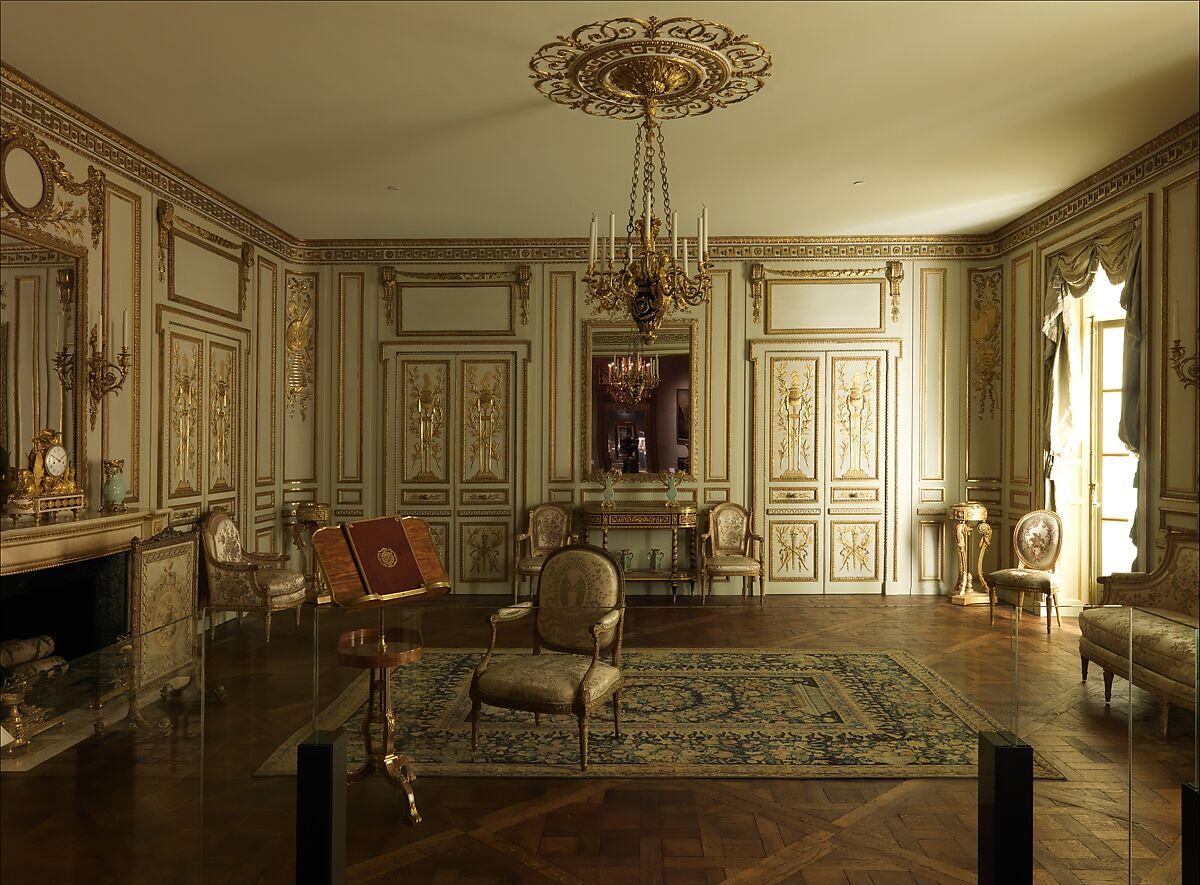
Wood paneling was already part of interior architecture in Europe by the Gothic period, and Tudor and Elizabethan interiors in England are especially associated with richly worked wood paneling. Britannica also notes that wainscot, which later became one of the most familiar forms of interior paneling, was traditionally made from oak and used in early English Renaissance interiors.
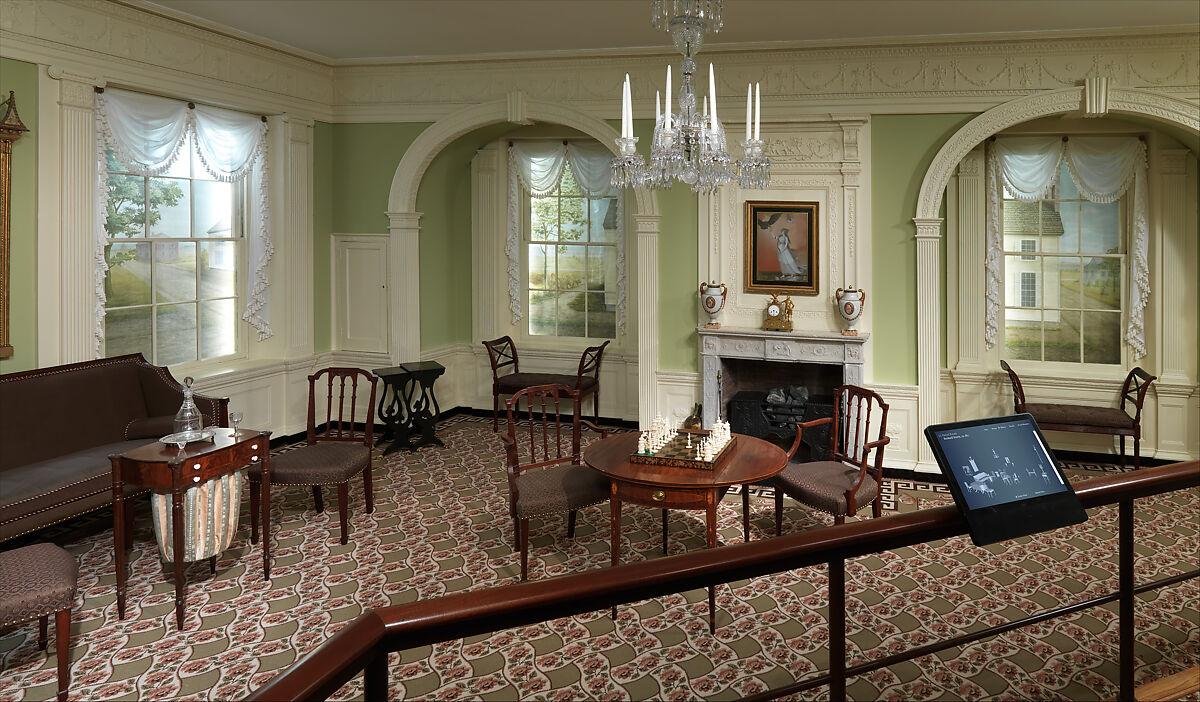
The Met’s American period rooms preserve entire rooms where millwork covers nearly every surface, from paneling and door surrounds to mantels and built-in storage. In the American Federal-era rooms, for example, the museum identifies carved mahogany paneling and applied ornament made by highly skilled woodworkers, while later interiors like the Worsham-Rockefeller Dressing Room show how elaborate wood paneling and trim had become by the late 19th century.
So while the term millwork points to manufactured wood components, the decorative language behind it has a much longer history. Long before anyone was ordering trim by profile, interiors were already using paneling, casing, rails, built-ins, and carved surrounds to protect walls, frame openings, and add architectural detail. That’s still basically what millwork does now, even if the methods and materials have changed.

Millwork Terms Every Interior Designer Should Know
Apron
An apron is the trim below a window stool or sill. Historically, it gave the lower edge of the window a more finished transition and tied the window into the rest of the wall trim. Now it still does the same thing, though in simpler rooms it may be omitted altogether.
Architrave
Architrave is a more formal term for the trim framing a door or window, or sometimes the heavier top piece of that trim. Historically, it comes out of classical architecture, where it was part of the entablature, and later it entered interior woodwork as a more pronounced surround. Now people often use casing in everyday conversation, but architrave still turns up in traditional and trade language.
Astragal
An astragal is the molding fixed to the meeting edge of a pair of doors. Historically, it helped close the gap between double doors and gave the opening a neater line. Now, it still appears on French doors, paneled doors, and cabinetry where two leaves meet.
Banquette
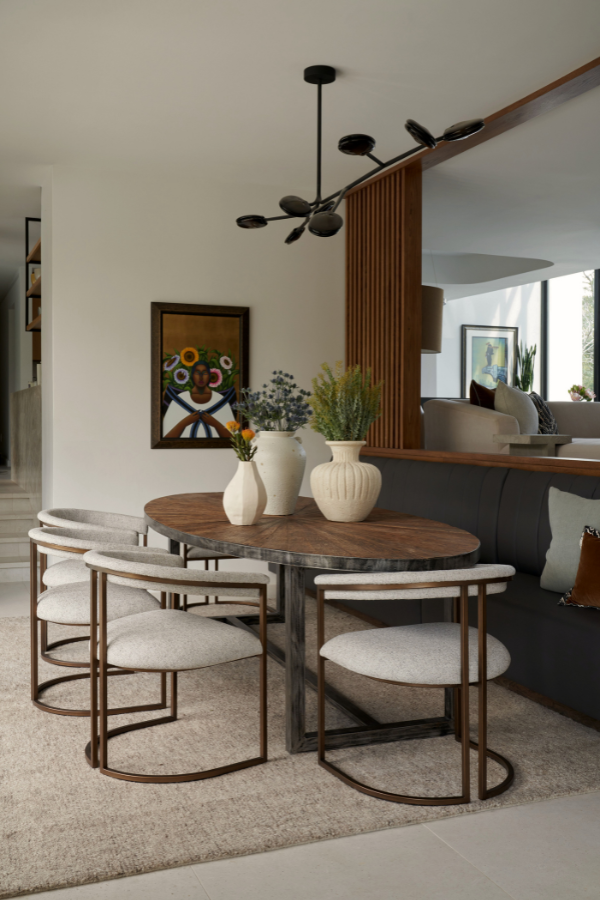
A banquette is a built-in bench, usually set against a wall or tucked into a corner. Historically, fixed seating appeared in dining alcoves and service spaces, though the modern built-in breakfast banquette is more of a later domestic convenience. Now, it’s one of the clearest overlaps between furniture and millwork because it is built into the architecture rather than brought in after the fact.
Baseboard
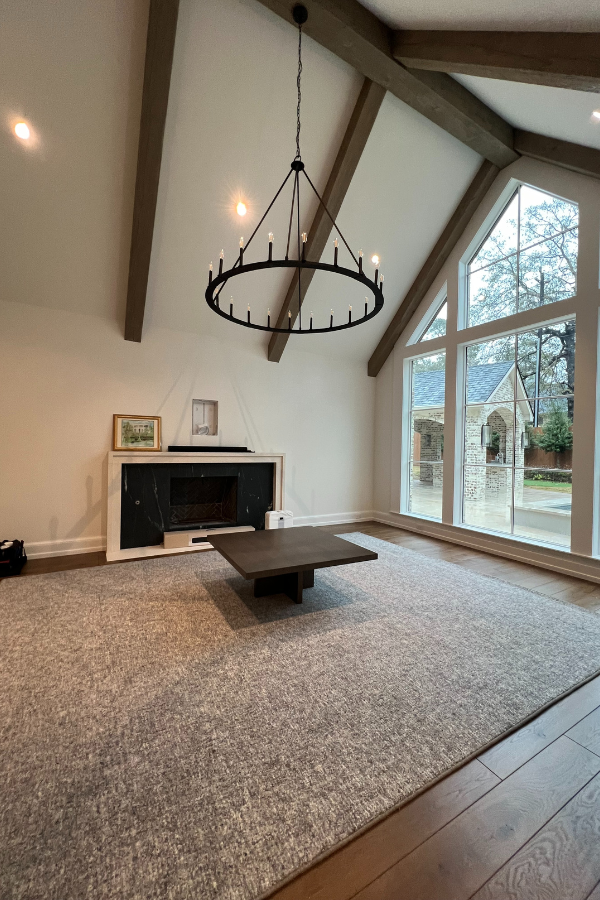
Baseboard is the trim at the bottom of the wall where it meets the floor. Historically, it protected plaster from mops, shoes, and chairs while also giving the room a stronger lower edge. Now it is nearly universal, though the height and profile vary a lot from spare contemporary interiors to more traditional rooms with taller trim.
Batten
A batten is a narrow strip of wood used over joints or as part of a board-and-batten treatment. Historically, battens were practical, covering seams in boards and strengthening simpler wall construction. Now, they are just as likely to be decorative, used to create a vertical pattern on walls, doors, or built-ins.
Beadboard
Beadboard is paneling made from narrow vertical boards divided by small rounded ridges, or beads. Historically, it was used in utility spaces, porches, kitchens, and baths because the narrow boards were durable and fairly straightforward to install. Now it is still tied to cottage, traditional, and casual interiors, though it also turns up in cleaner painted applications.
Beam
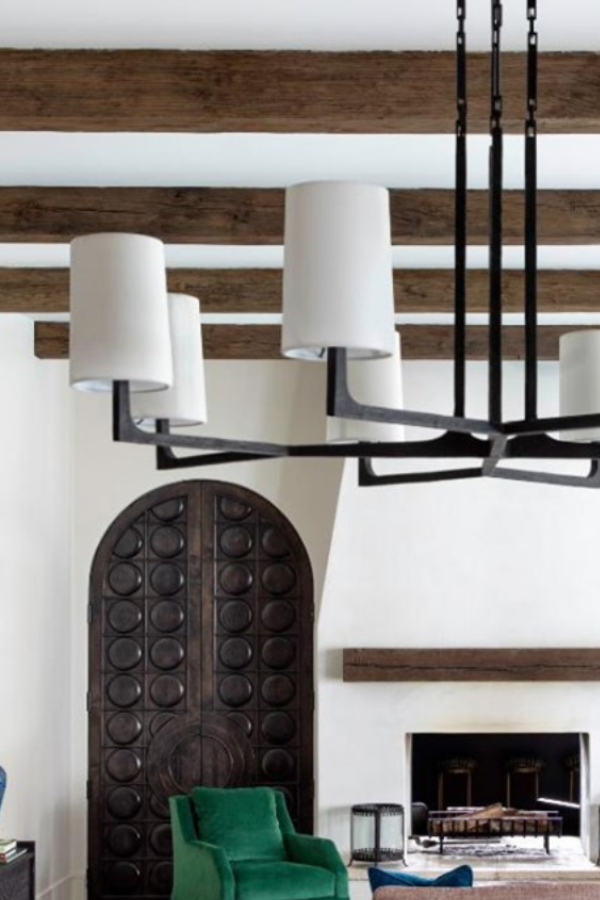
A beam is primarily structural, but once it is wrapped, paneled, or shaped as finish carpentry, it falls into millwork language too. Historically, exposed beams were part of the building itself, especially in older timber construction. Now decorative beams, boxed beams, and faux beams are often used to add ceiling detail without the structural role.
Box Molding
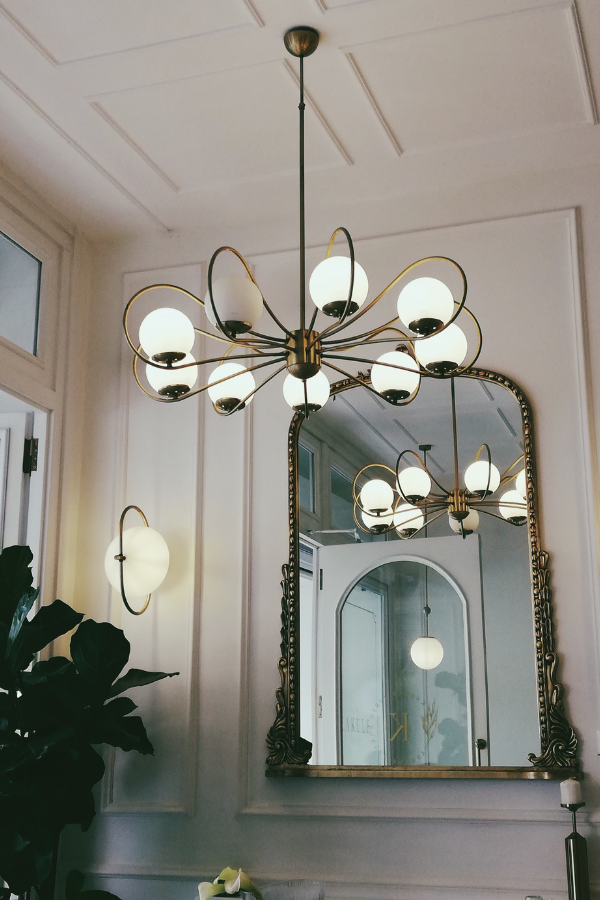
Box molding is panel molding arranged in square or rectangular frames across a wall. Historically, framed wall panels were part of formal interiors, especially where full-depth paneling covered large wall surfaces. Now, box molding is often applied directly to drywall to suggest traditional paneling without rebuilding the entire wall.
Built-In

A built-in is a storage or furniture element made as part of the room itself. Historically, cupboards, shelving, and corner cabinets were often fitted directly into paneling or wall recesses. Now the term covers bookcases, media units, desks, banquettes, and window seats that are designed as part of the architecture rather than freestanding pieces.
Casing
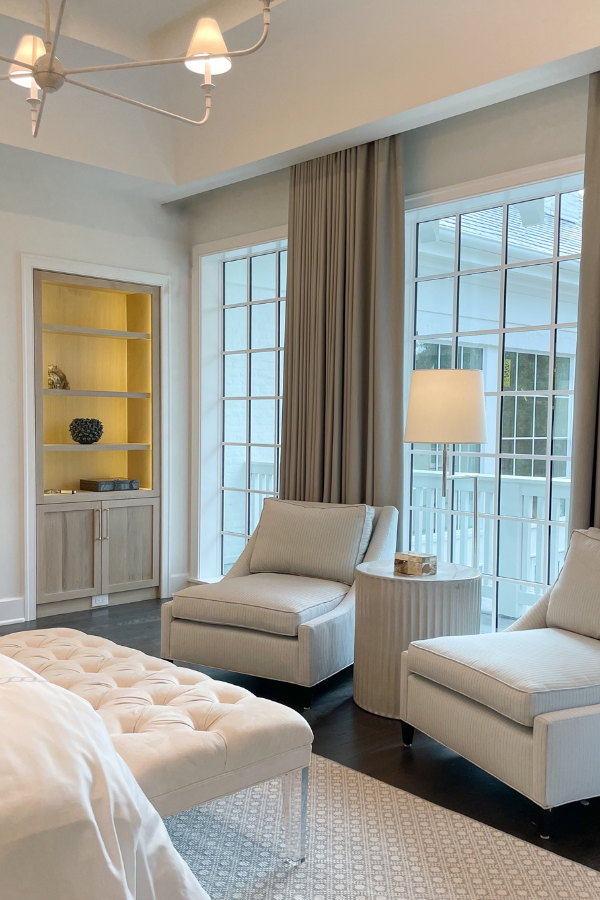
Casing is the trim that frames a door or window opening. Historically, it covered the joint between the frame and the plaster while giving the opening a clearer outline. Now it still does both jobs, and the difference is mostly one of profile, from very plain modern casing to layered traditional surrounds.
Chair Rail
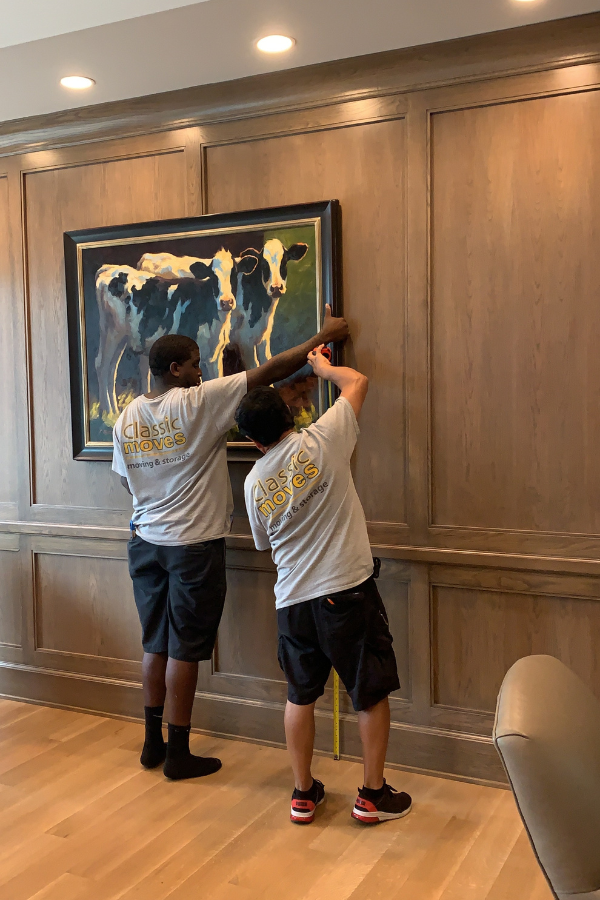
Chair rail is a horizontal molding installed partway up the wall. Historically, it helped protect plaster from chair backs, especially in dining rooms and circulation spaces. Now it is often more decorative than protective and is used to divide paint, wallpaper, paneling, or other wall treatments.
Ceiling Paneling
Ceiling paneling refers to wood boards or framed wood sections applied across the ceiling. Historically, paneling on ceilings could be simple or highly ornate, depending on the room and the building period. Now it appears in paneled studies, porches, kitchens, and rooms where the ceiling is treated as another architectural surface rather than left plain.
Fuel your creative fire & be a part of a supportive community that values how you love to live.
subscribe to our newsletter
*please check your Spam folder for the latest DesignDash Magazine issue immediately after subscription

Coffered Ceiling
A coffered ceiling is a ceiling divided into recessed panels by beams or moldings. Historically, coffered forms reach back to classical architecture and later appeared in formal domestic interiors where ceiling detail was part of the room’s hierarchy. Now coffered ceilings are still used in more traditional rooms, though they also appear in simplified contemporary versions.
Cornice
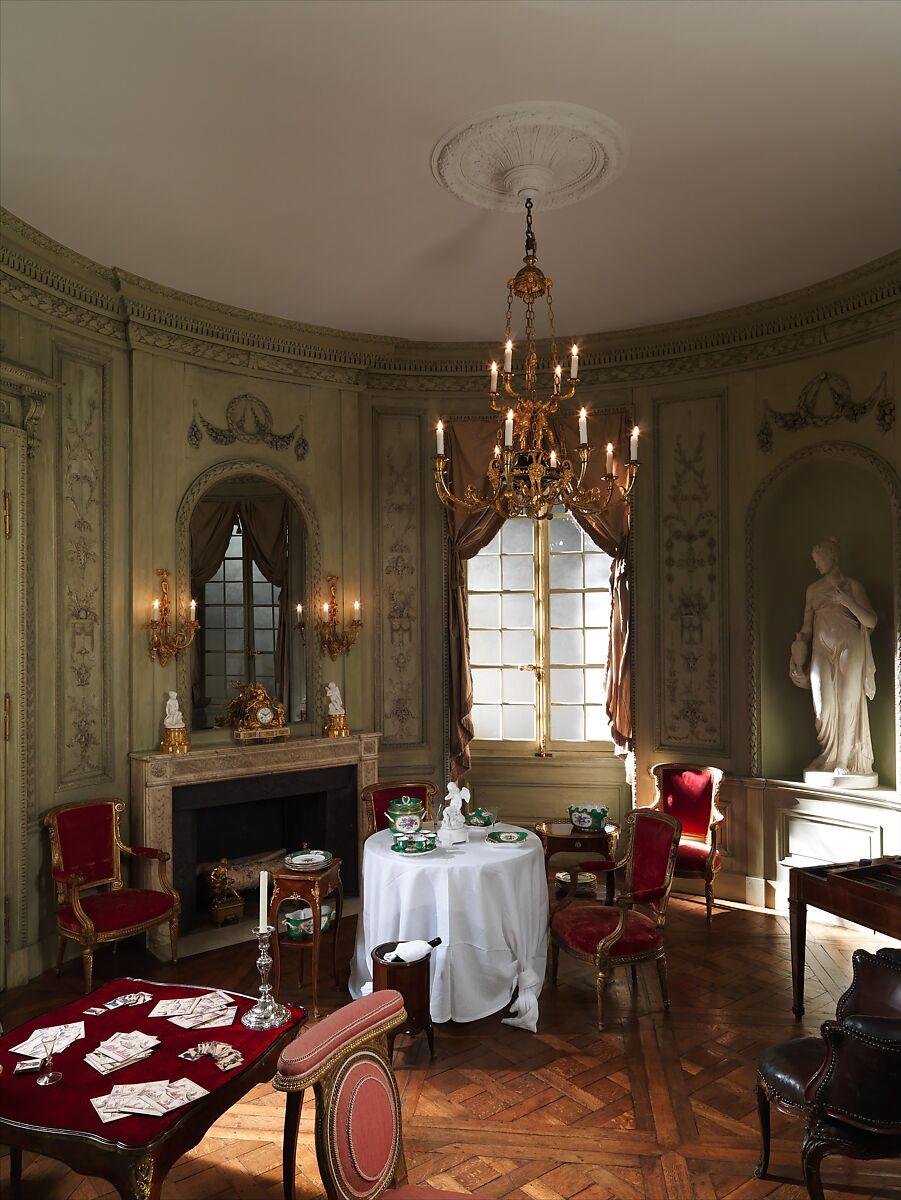
A cornice is the broader trim assembly at the junction of wall and ceiling. Historically, the term comes from classical architecture and can include several molding profiles working together. Today, people often say crown molding where an older or more architectural dictionary might use cornice.
Corbel
A corbel is a projecting support, often carved or shaped, placed under a shelf, mantel, counter, or beam. Historically, corbels could be structural, decorative, or both. Now, they are often used under mantels, kitchen shelves, and islands where a room needs a stronger bracketed detail.
Crown Molding
Crown molding runs along the top of the wall where it meets the ceiling. Historically, it softened that transition and was often built from several profiles in more formal interiors. Now, it’s one of the first trim terms people learn, though its depth and ornament can vary a lot from one house to another.
Jamb
A jamb is the side or top surface of a door or window opening inside the frame. Historically, jambs were part of the basic construction of the opening and then were finished with casing or other trim.
Mantel
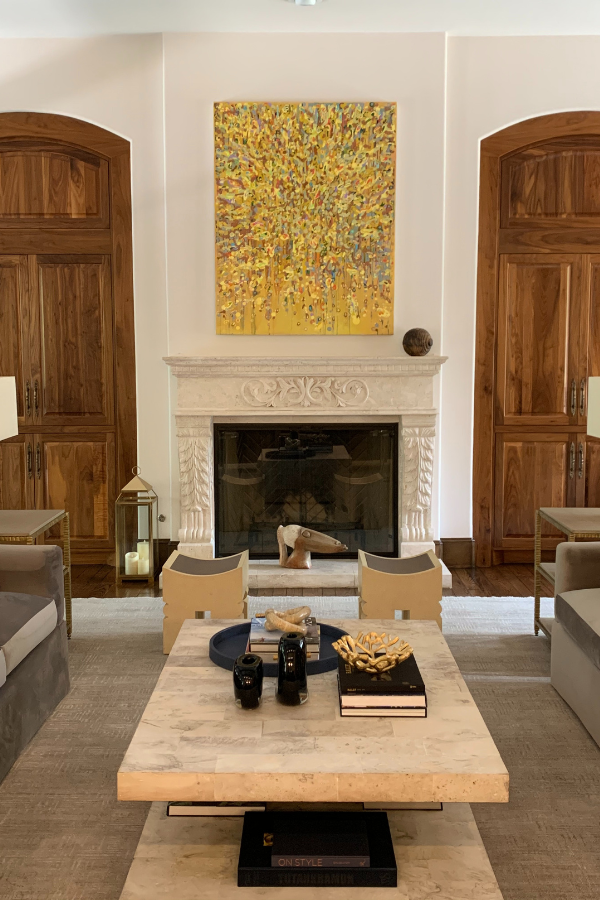
A mantel is the shelf or mantelpiece framing the upper portion of a fireplace. Historically, it was one of the main decorative focal points in a room, often joined to paneling, pilasters, and an overmantel above. Now the word is sometimes used loosely for the whole fireplace assembly, but it still usually refers to the woodwork around and above the firebox.
Overmantel
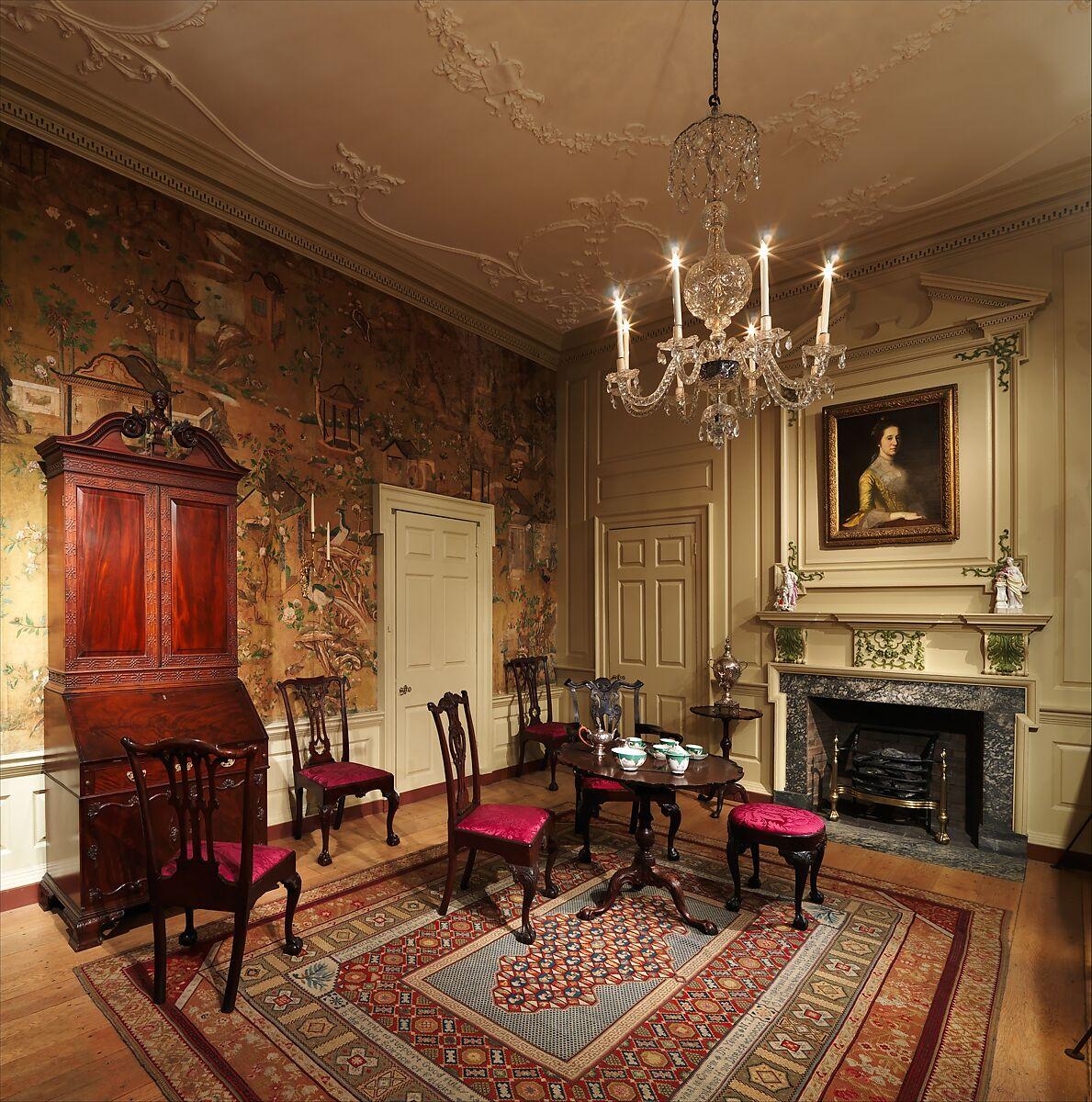
An overmantel is the paneled or framed section of wall above the mantel shelf. Historically, it often held a mirror, painting, or applied ornament and could be built as part of a larger chimney-breast composition. Now, it still appears in more traditional interiors, especially where panel molding, portrait placement, or a bolder fireplace wall is desired.
Panel Molding
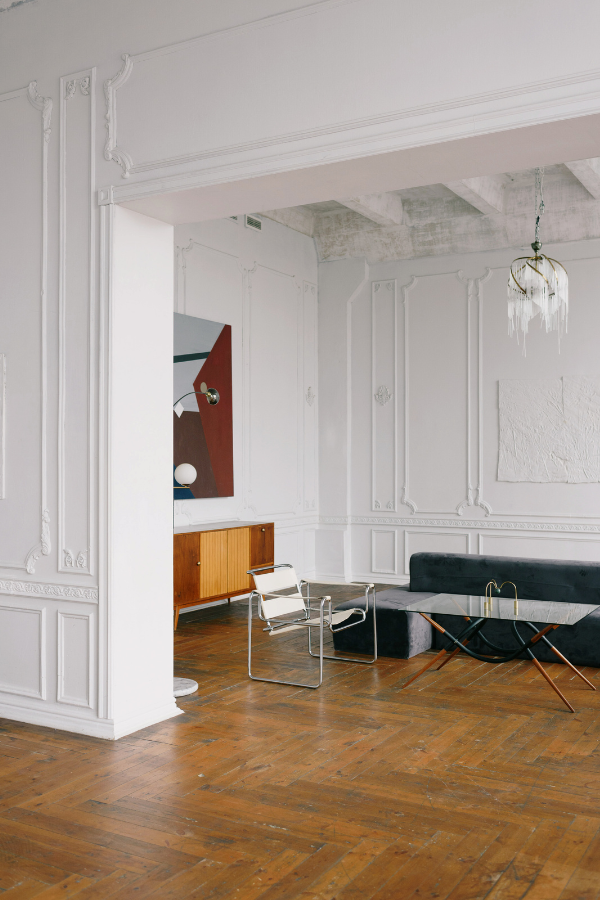
Panel molding is molding applied to a wall to create framed shapes. Historically, full wood paneling covered many formal interiors, and the molding defined those fields and edges. Now panel molding is often a lighter way to get the same language onto drywall walls without building full-depth paneling.
Picture Rail
Picture rail is a narrow molding installed high on the wall to hang art from hooks and wires. Historically, it was especially common in plaster-walled interiors where people wanted to avoid repeated nailing into the wall surface. Now, it often survives in older homes and period restorations, even when people no longer hang pictures the old way.

Plinth Block
A plinth block is the thicker block at the base of a door surround where casing meets baseboard. Historically, it gave that transition a stronger, more deliberate stop, especially in more formal trim assemblies.
Rail

A rail is the horizontal member in a paneled door, cabinet front, or frame-and-panel wall assembly. Historically, rails and stiles formed the structural framework around inset panels.
Shiplap
Shiplap is made from horizontal boards with rabbeted edges that overlap slightly. Historically, it was a practical board system used in utility and exterior conditions because it shed water and closed gaps well. Now, it is often used as a finish surface in interiors, where the broad horizontal lines give a wall or ceiling a simpler, more graphic pattern.
Shoe Molding
Shoe molding is the small trim at the bottom of a baseboard where it meets the floor. Historically, it helped cover uneven floor conditions and protect the baseboard edge. Now it still does, especially in renovation projects where old floors and new trim don’t meet perfectly.
Soffit
A soffit is the finished underside of an architectural element. Historically, the term applied to the underside of eaves, arches, stairs, and built projections. Now, you might see it in dropped ceiling areas, cabinet bulkheads, beams, and range hoods.
Stile
A stile is the vertical member in a door, cabinet front, or frame-and-panel assembly. Historically, stiles and rails formed the main framework around recessed or raised panels.
Surround
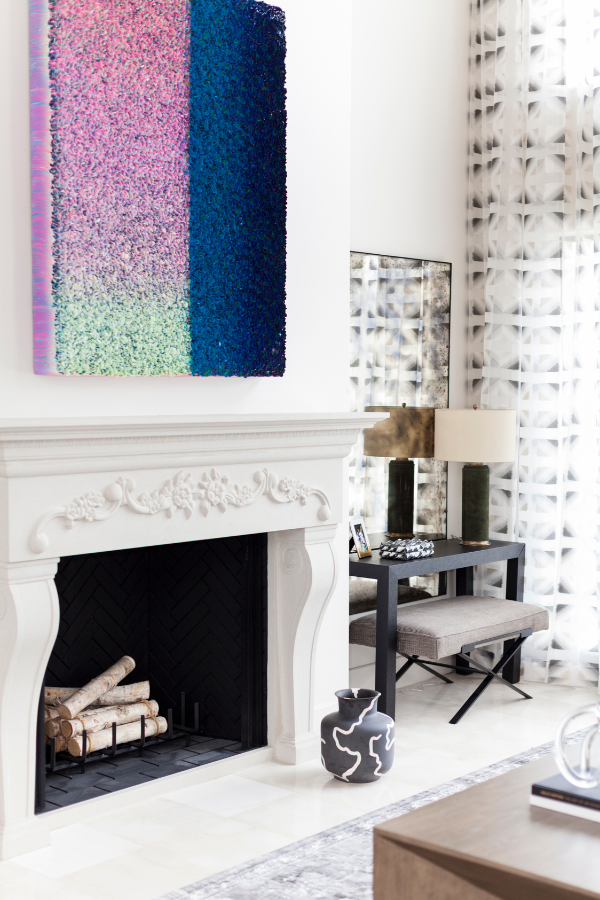
A surround is the framing material around an opening, most often a fireplace opening. Historically, surrounds could be wood, stone, or marble, and in wood-paneled rooms they were often integrated into a much larger wall composition. We use the term most often with fireplaces, though people also use it for window and door treatments in some contexts.
Wainscoting
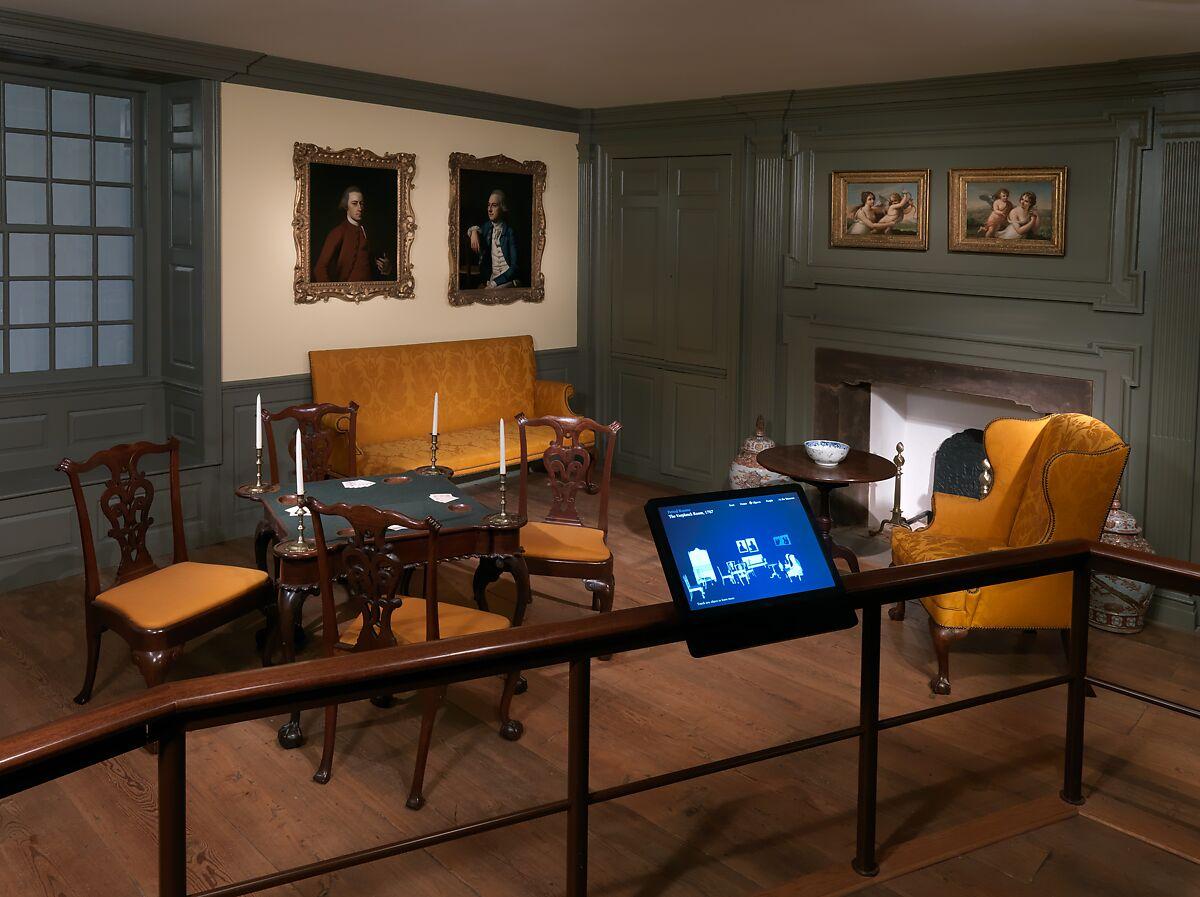
Wainscoting refers to paneling or other finish treatment on the lower part of a wall. Historically, wainscot referred to high-quality oak boards and later to oak paneling used in early English Renaissance interiors, often rising far higher than the waist-level treatment people imagine now. Britannica notes that early English Renaissance mansions used oak paneling to heights of eight to ten feet. Now the term usually refers to the lower portion of the wall, whether it is built from flat panels, beadboard, or applied molding.
Window Stool
A window stool is the flat horizontal shelf-like trim at the bottom of the interior window opening. Historically, it gave the window a finished lower edge and worked with the apron below. Now it still appears in more traditional trim assemblies, though some modern windows skip the deeper projection and keep the detail much flatter.
Wood Paneling
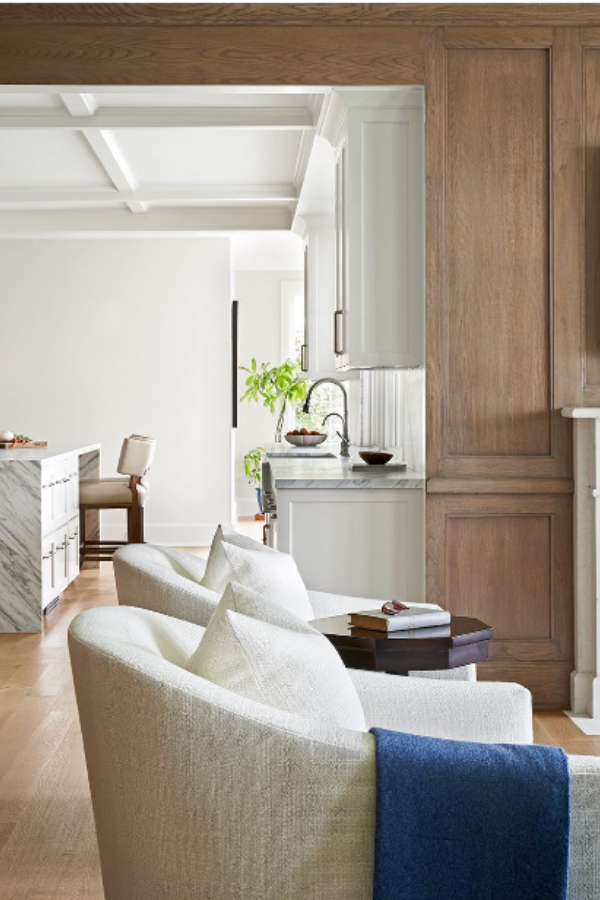
Wood paneling is the broad category for wood surface treatment applied to walls. Historically, Britannica notes that paneling on walls and furnishings were extensive in Europe during the Gothic period, then reached a particularly rich expression in Tudor and Elizabethan interiors in England.
The Met’s American period rooms show later versions in carved mahogany and other highly worked interiors from the 18th and 19th centuries. Now, paneling can be elaborate, formal, and room-defining, or very simple and painted.
Written by the DesignDash Editorial Team
Our contributors include experienced designers, firm owners, design writers, and other industry professionals. If you’re interested in submitting your work or collaborating, please reach out to our Editor-in-Chief at editor@designdash.com.
Related Posts

Ukiyo-e Evolution: Japanese Woodblock Printing Then and Now
From its Buddhist beginnings to its modern-day resurgence, the evoluti
Warm Woods Are In: Why Dark Tones Are Replacing Pale Neutrals
Warm, dark woods are replacing cool neutrals in 2025 interiors. Here's

These Are the Best MS, MA, and MFA Graphic Design Programs in the U.S.
For women passionate about visual communication, pursuing a Master of

DesignDash Guide: How to Create An Aesthetic Bullet Journal
A bullet journal is a customizable organization system that combines e

The Key to Keeping Hydrangeas Fresh and Flowering
By understanding and addressing their unique needs, you can cultivate