Do You Need Formal Training to Be an Interior Designer?

 0
0
 0
0Summary
Formal training can help interior designers build technical skills and confidence, but it is not required for success. Designers grow through real project experience, collaboration, and mentorship. Clients ultimately value competence, communication, and a clear process more than a specific educational path.
Reflection Questions
What skills or experiences do I already have that could support a career in interior design?
What do I hope formal education would give me that I cannot learn through experience alone?
How willing am I to learn through practice, feedback, and collaboration as I develop my design career?
Journal Prompt
Imagine yourself five years into your interior design career. Describe how you learned the skills that made you successful, who influenced your growth, and how your unique path shaped your design perspective. What does feeling truly prepared look like to you?
People interested in our industry often assume there is a single path to becoming a designer. In our heads, this looks like graduate school, a design degree, licensing exams, certifications, then a career designing beautiful homes. That narrative sounds orderly, and sometimes it happens that way, but it’s not the only path to success because the profession attracts people from many backgrounds and the rules or restrictions around practicing as a designer vary from state to state. Thus, the routes to becoming a designer are not identical.
It might not be required, per say, but is it better to have formal training? After all, clients might be curious about credentials, right? There are two sides to this. Formal education provides structure and technical grounding, yet interior design is ultimately learned through practice, collaboration, and exposure to real projects. Understanding how those elements work together helps clarify what prepares someone to lead successful design projects.
To best answer this question, we spoke with Stacey Garcia on an episode of The DesignDash Podcast and read through interviews with other designers across the country.
What Formal Training Offers Designers
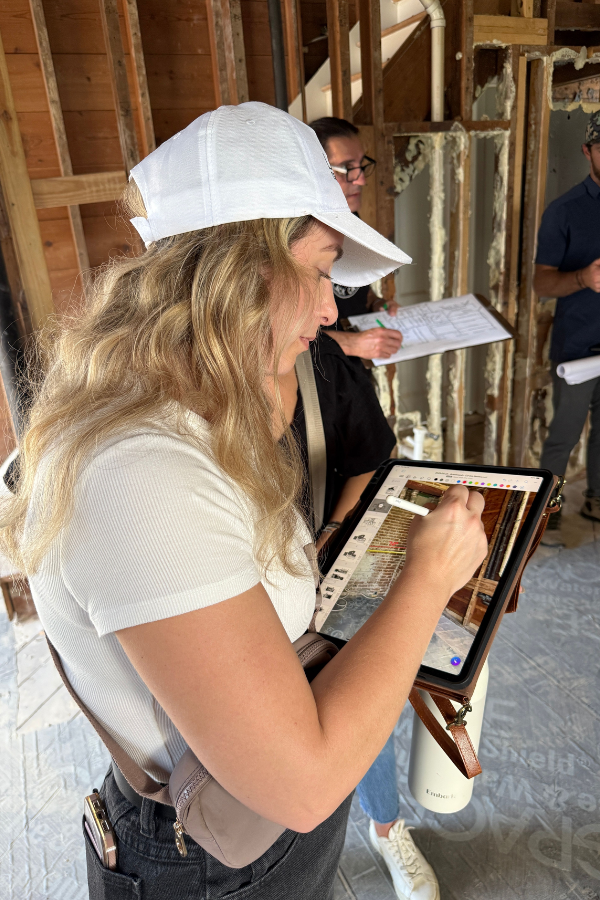
Many interior designers begin their careers through graduate programs connected to architecture, interiors, or fine arts. A degree in one of these fields will often introduce the prospective designer to drafting, space planning, material selection, and construction documentation. Students learn how to produce detailed floor plans, develop schematic design proposals, and communicate ideas visually before stepping into professional practice.
Formal education also introduces us to the complex language of construction. Designers learn how architectural features influence interiors and how design intent translates into construction drawings. Repetition plays a large role here, as with learning any new skill. Students redraw layouts, revise presentations, and test ideas repeatedly, which builds confidence before working with clients directly.
Several designers interviewed by Business of Home echoed this idea. Austin-based designer Lyndsey Gauthier noted that education helps designers learn codes, presentation standards, and materials knowledge, explaining that learning the fundamentals “sets one up for a successful future and smooth transition into the professional world.” That foundation can make early professional work less overwhelming, particularly on larger projects that require coordination across disciplines.
Still, education alone does not fully prepare someone for the realities of running or leading an interior design project.

What School Cannot Fully Replicate
Academic settings rarely mirror the complexity of real client relationships or construction timelines. Projects in practice involve shifting schedules, evolving budgets, and decisions made under pressure during the construction phase. Designers must respond quickly while protecting the client’s vision and maintaining project scope.
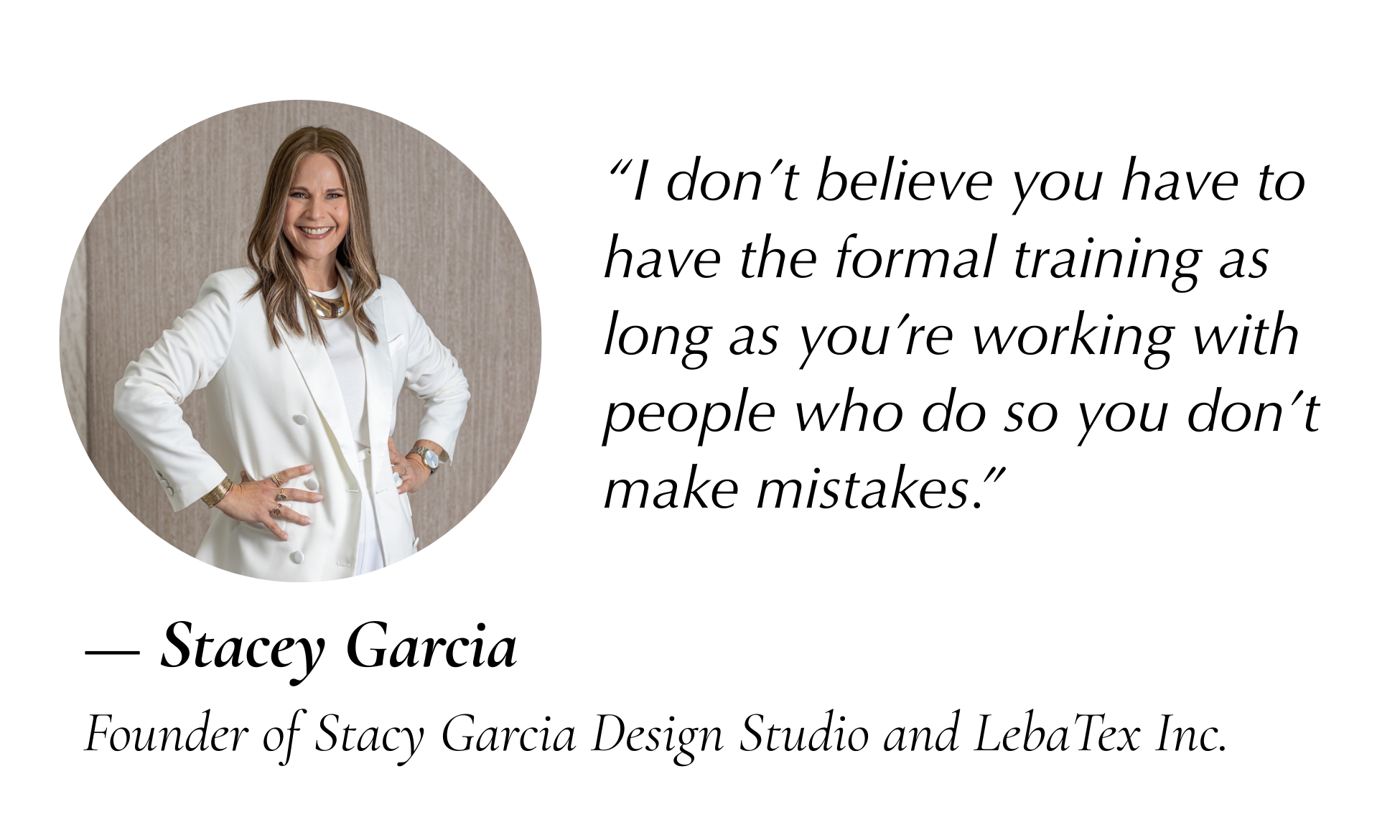
This gap between theory and practice appears frequently in professional conversations. Stacy Garcia, founder of Stacy Garcia Design Studio and LebaTex, spoke candidly about this dynamic on The DesignDash Podcast. She noted that even designers with formal credentials can struggle when stepping into independent practice:
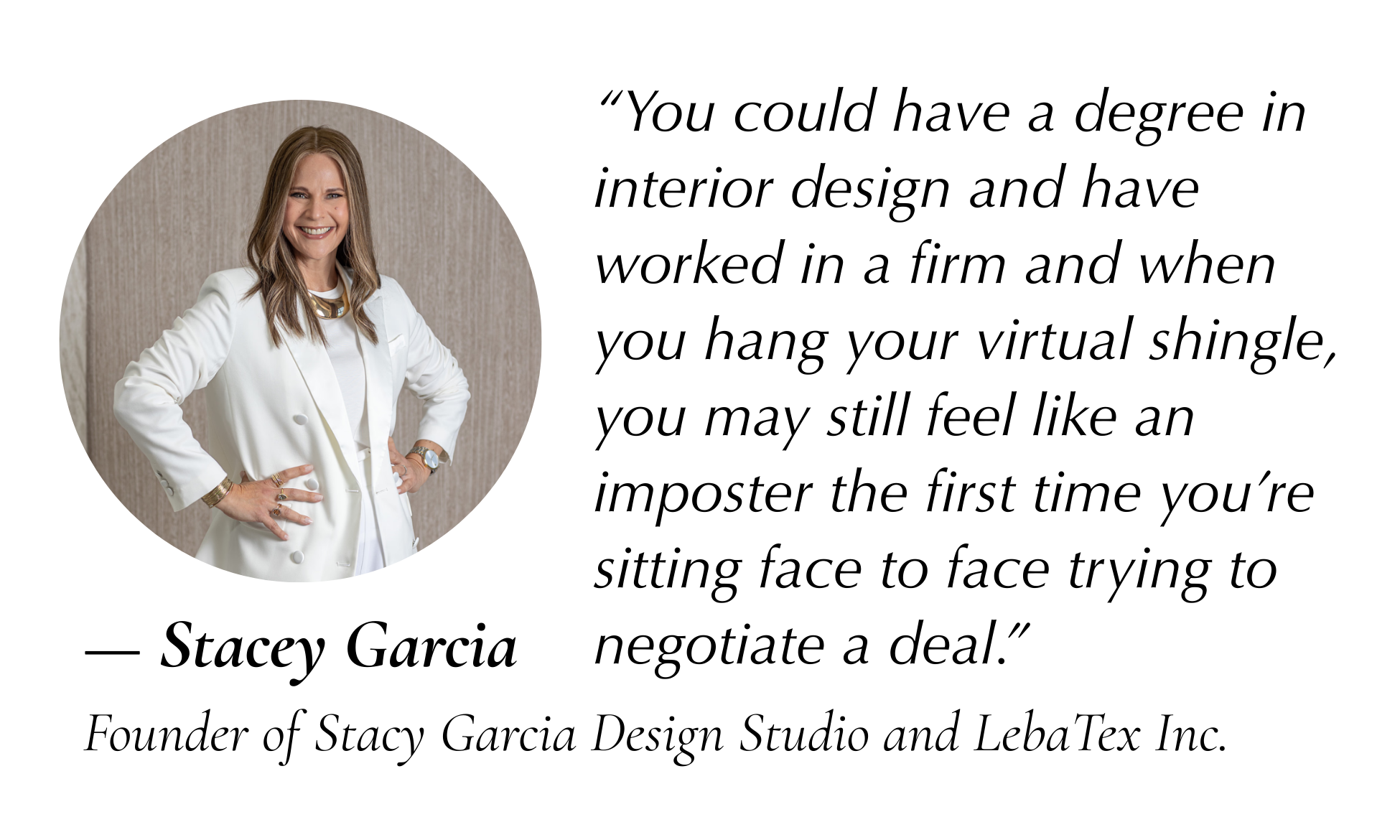
Her observation reflects a common reality. Technical knowledge may prepare designers to create drawings and concepts, but negotiating contracts, guiding clients, and managing expectations introduce an entirely different skill set.
Professional experience teaches designers how to gather client feedback, communicate clearly with contractors, and adjust decisions when real-world conditions differ from plans. Those lessons tend to arrive gradually through participation in the entire design process rather than classroom exercises.
This is also where a professional community can help develop and hone your practice.
Experience as a Second Education
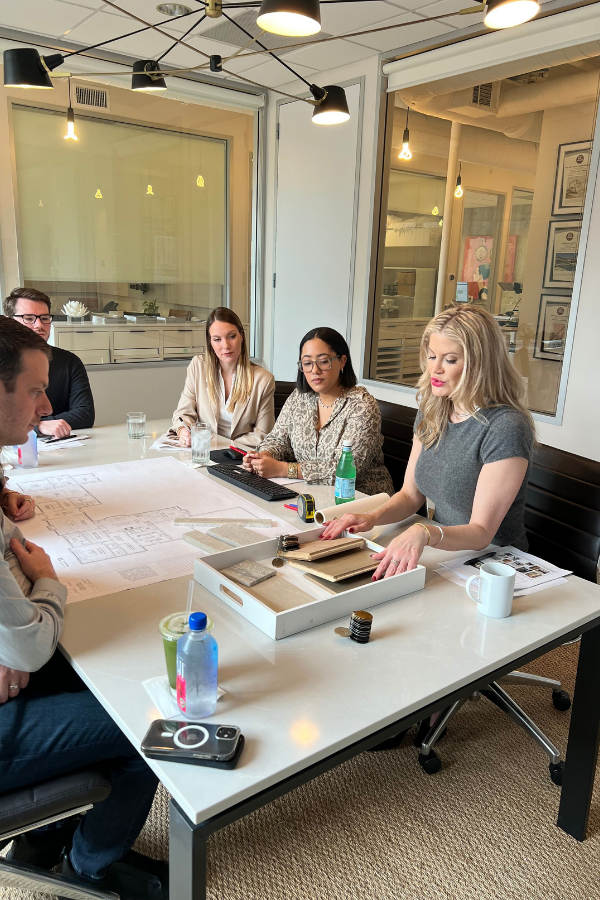
Many accomplished interior designers describe their early professional years as an extension of training. Previous jobs in the industry expose designers to procurement logistics, installation coordination, and construction administration in ways education alone cannot.
Some designers enter the profession later in life, bringing expertise from business, marketing, or other creative fields. Denean Jackson of D.Nicole Design Studio shared with Business of Home that she entered interior design as a second career without formal education, relying on business experience and natural design ability. She explained that formal education can be valuable, though it is “not the only path to success in this industry.”
That perspective appears across the profession. Designers often learn how projects truly function by observing senior designers manage timelines, resolve vendor issues, and guide clients through decision-making. Site visits, installation days, and construction meetings gradually build practical understanding.
Over time, designers will recognize patterns. Floor plans will become easier to evaluate. Material palettes will come together more quickly. Communication with clients and colleagues will improve. And through all of that, confidence will grow.
Fuel your creative fire & be a part of a supportive community that values how you love to live.
subscribe to our newsletter
*please check your Spam folder for the latest DesignDash Magazine issue immediately after subscription

Vision, Collaboration, and Knowing When to Seek Expertise
Garcia also emphasized an important distinction between creativity and technical execution. She explained that many successful designers enter the field without formal backgrounds but surround themselves with experienced professionals:
“I know so many people who have gone the route of interior design as a second career… who don’t have the formal background but who understand that they have to hire professionals who work with them or under them or for them in order to execute their vision.”
Her point reflects how contemporary design firms often operate. Interior design today is collaborative. Designers work alongside architects, draftspeople, procurement specialists, and construction teams throughout the entire project. Strong outcomes depend less on one individual knowing everything and more on assembling the right expertise.
Clients benefit from this structure as well. A designer’s role includes guiding decisions, coordinating specialists, and maintaining clarity across project phases. Training helps, but judgment and collaboration often matter just as much.

Why Education Still Matters to Certain Clients
From a client perspective, formal training can be reassuring. Education signals familiarity with building standards, construction documentation, and spatial planning principles. It suggests the designer understands how interiors function beyond aesthetics.
Los Angeles designer Alana Marie summarized this balance in Business of Home, explaining that formal education is not strictly necessary but remains extremely helpful because it gives designers a foundational understanding of the design process. Style, she noted, cannot be taught as easily. Technical competence, however, often develops faster with training.
Luxury interior design projects especially require coordination across many disciplines. Construction drawings must communicate clearly. Material selection must align with installation schedules. Decisions made during design development influence construction months later. A structured interior design process supports these transitions and helps ensure the final design meets client expectations.
Multiple Paths, One Profession

So, do you need formal training to be successful as an interior designer? Formal training helps. It introduces technical skills, industry standards, and structured thinking about the design process. Yet professional success depends on far more than credentials alone.
An accomplished interior designer understands the “laws” of space, communicates clearly, manages projects responsibly, and collaborates with experts when necessary. Those abilities develop through a combination of education, collaboration, mentorship, and hands-on experience.
And in reality, clients probably won’t ask about your education. They’ll ask “does the designer demonstrate competence, clarity, and a reliable process from initial consultation through final walkthrough?” Those qualities will matter so much more than any single diploma does.
Listen to Stacey’s Full Interview on The DesignDash Podcast
To explore this topic further, we spoke with Stacy Garcia on an episode of The DesignDash Podcast. Garcia is a globally recognized designer, trend forecaster, and entrepreneur with more than two decades of experience across hospitality, commercial, and product design. As the founder of Stacy Garcia Design Studio and LebaTex, she has developed collections spanning textiles, wallcoverings, flooring, and décor, working closely with manufacturers around the world.
In the episode, Garcia shares her perspective on imposter syndrome, the realities of starting a design business, and why formal training can be helpful without being a requirement for success. She also discusses how designers build supportive professional communities, how hospitality design influences residential spaces, and why thoughtful decision-making matters more than chasing trends. You can listen to the full conversation on The DesignDash Podcast here.

Related Posts

Working with Vendors as an Interior Designer
LIKE 0 LEAVE COMMENT 0 9 min read Summary Reflection Questions Journal

22 of the Best Architecture Programs in the United States
From Ivy League institutions to public universities, these architectur

Why BDNY 2023 Is a Must-Attend Event for Hospitality Design Professionals
Each November, more than six thousand designers, architects, purchasin
Should You Open a Storefront As a Design Firm Owner?
This article explores whether opening a storefront makes sense for des

International Interior Design Awards and Application Deadlines
From the IIDA to the Gold Key Awards, these international design award