
Is It Unethical to Charge More for Work You Hate Doing?

 2
2
 0
0Summary
Is it unethical to charge more for certain parts of an interior design project? Inspired by Sean Low’s suggestion that designers charge a premium for revisions, this article explores whether differential pricing is fair, where it might apply beyond revisions, and how transparency influences the ethics of charging different rates for different types of work.
Reflection Questions
Are there parts of your design process that consistently require more coordination, administration, or emotional energy than others?
Do your current fees accurately reflect the demands certain services place on your business?
If a client asked why one service costs more than another, could you clearly explain your reasoning?
Journal Prompt
Think about a service you regularly provide but secretly dread. Is the problem the service itself, the way it’s priced, or the process surrounding it? If you doubled the price of that service tomorrow, would it feel more sustainable—or would you still want to avoid it?
We recently quoted Sean Low’s response to a reader’s submission that was published in his advice column for Business of Home. In his response, Low encourages the reader to charge more for revisions than for the initial design work, writing “Would it be so absurd to tell your clients that your hourly rates for base design work are $250 per hour, but any revisions after the final presentation of ideas will be at $600 per hour, with a minimum of $3,600?” In doing so, Low argues that the reader can “charge a premium for work [they] don’t want to do but are willing to do.”
Is it fair to charge clients more for certain parts of a design project? In this case, that extra cost is optional: the client could choose to stick with the designer’s initial plan and save money instead of making a bunch of revisions. Where else could this approach apply to a design project? And in other situations, is it ethical to charge more or should you stick to the same rate across the board?
Why This Question Makes People Uncomfortable
Many people have an instinctive reaction to Low’s suggestion. If a designer charges $250 per hour for design work, why should revisions suddenly cost $600? The work still requires the designer’s time. The client is still paying for professional expertise. On the surface, this sudden price difference can seem arbitrary and a bit unfair.
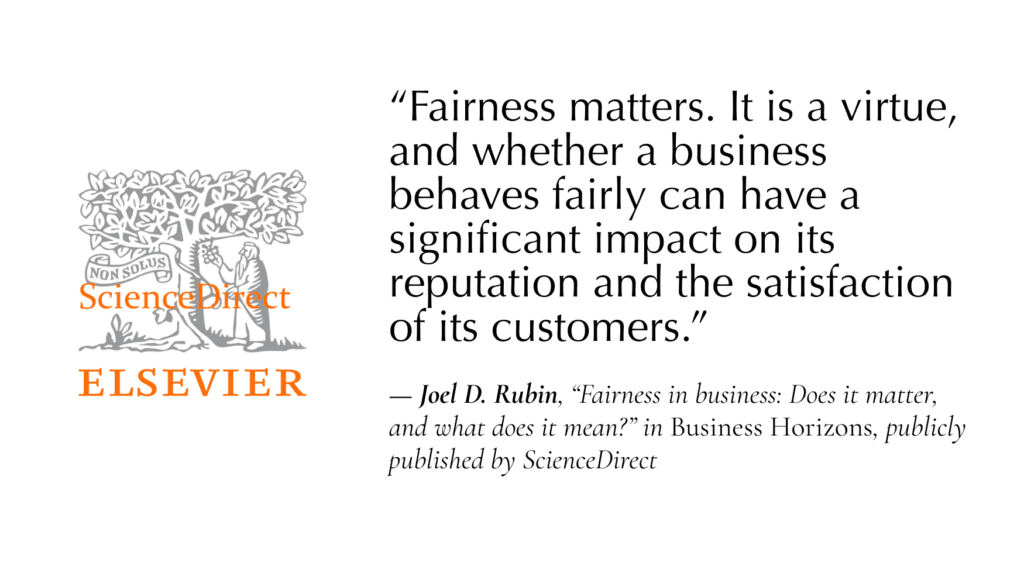
Part of the discomfort does indeed come from how we think about fairness. We often assume that similar work should cost similar amounts. If two tasks each take an hour to complete, many people expect those hours to be billed at the same rate. The idea that one hour could be worth more than another feels strange until you examine how businesses actually price their services.
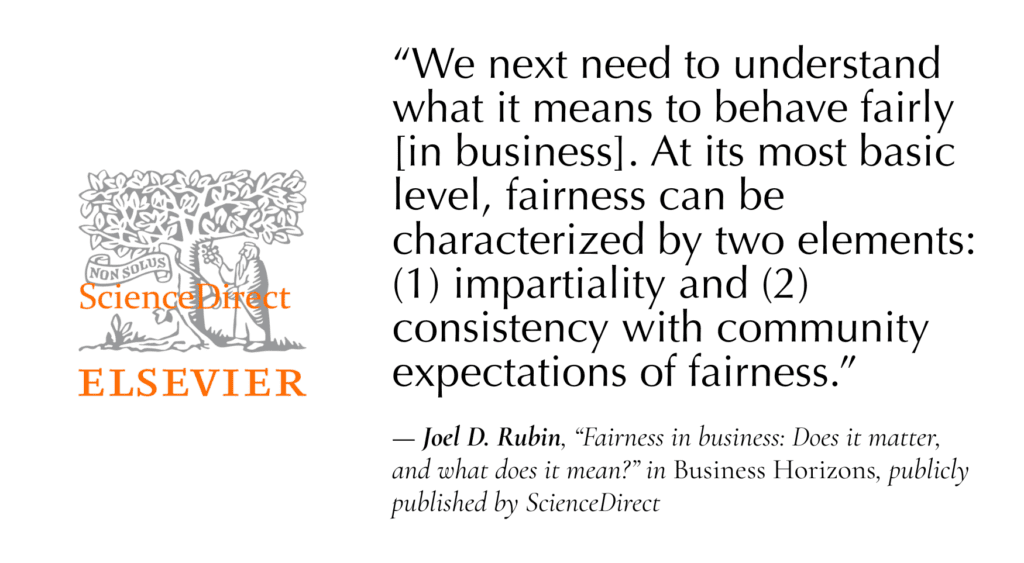
Interior design firms don’t calculate fees based solely on time. Complexity influences pricing. Risk influences pricing. Expertise influences pricing. Administrative burden influences pricing. Some projects consume far more resources than others despite requiring a similar number of billable hours. Once you acknowledge that reality, you can see how one hour might cost more than another.
What Are You Actually Charging More For?
The phrase “work you hate doing” may not fully capture what Low is describing. Many designers dislike revisions, but the frustration they have with them often has less to do with the revision itself and more to do with everything surrounding it. A client requests a different sofa. That request triggers new sourcing, updated pricing, revised presentations, fresh approvals, and potentially changes to other furnishings in the room. One decision can ripple through an entire design scheme. Adjustments take more time than the hour you spent talking through them with the client.
A revision also introduces uncertainty into a process that may have already reached a decision point. Procurement timelines may need adjustment. Vendors may need new information. Team members may need to revisit work they thought had already been completed. The additional fee isn’t necessarily compensation for emotional frustration. It may reflect the additional coordination and disruption created by the request.
This context changes the nature of the ethical question we started this article with. Charging more because you dislike a task feels personal. Charging more because a task creates additional complexity just makes sense.
Revisions Are a Good Example
Low’s example resonates because revisions and change orders occupy a unique place within a project. Clients hire designers because they want guidance, expertise, and thoughtful recommendations. Many clients also expect flexibility. Those expectations aren’tt contradictory. Design is inherently collaborative, and revisions are a normal part of the process.
Problems emerge when revisions continue indefinitely or occur long after key decisions have already been approved. A designer who has spent weeks developing a comprehensive scheme may suddenly find herself revisiting decisions that affect pricing, procurement, scheduling, and documentation. The work expands, yet the original fee often assumes a finite number of revision rounds.
That doesn’t mean clients should be discouraged from changing their minds. People discover new information throughout a project. Priorities shift. Budgets evolve. Spouses weigh in. Construction reveals unexpected conditions. The question is how a firm chooses to account for the labor associated with those changes.
Fuel your creative fire & be a part of a supportive community that values how you love to live.
subscribe to our newsletter
*please check your Spam folder for the latest DesignDash Magazine issue immediately after subscription

Plenty of Businesses Price Work This Way
Differential pricing exists all around us. Emergency plumbers charge more than plumbers working during normal business hours and a late night visit from a locksmith will almost certainly be more expensive than one during lunch. Attorneys often bill premium rates for urgent matters that require immediate attention. Expedited shipping costs more than standard shipping. Hotels adjust pricing based on demand. Airlines charge extra for flexibility.
Most consumers accept these differences because they understand that not all services place the same demands on the business providing them. A midnight plumbing emergency disrupts schedules. Expedited shipping requires additional resources. Last-minute legal work can push other matters aside.
Interior design projects involve similar tradeoffs. Some requests fit neatly within an established process. Others require a firm to rearrange schedules, revisit completed work, or devote resources that were allocated elsewhere. The pricing question starts to look different when viewed through that lens.
Other Parts of Interior Design Projects Could Fit This Logic
Revisions are only one example. Many firms can identify categories of work that require disproportionate amounts of coordination, administration, or disruption. The answer varies from firm to firm because no two businesses operate in exactly the same way. What seems straightforward for one team may consume enormous amounts of time for another.
Rush Projects
A client who needs a project completed on an accelerated timeline often requires a design firm to reorganize priorities. Meetings may need to happen sooner. Deliverables may need to be produced faster. Existing projects may receive less attention while the team accommodates the compressed schedule.
Many industries charge premiums for accelerated work. Interior design firms that do the same are generally not charging more because they dislike urgency. They are charging more because urgency affects how the business operates.

Weekend Meetings
Some designers enjoy meeting clients outside traditional business hours. Others guard those hours carefully. A Saturday meeting may require childcare, schedule adjustments, travel, or changes to personal commitments. A firm could reasonably decide that meetings occurring outside normal business hours should be priced differently than meetings scheduled during the workweek. Not every firm reaches that conclusion. The important point is that different categories of work often impose different costs, even when those costs are not immediately visible to the client.
Construction Administration
Some designers love construction. They enjoy site visits, contractor coordination, punch lists, and field problem-solving. Others prefer furnishings, styling, and design development. Construction administration often requires travel, documentation, ongoing communication, and a willingness to respond to issues as they arise.
A firm that charges separately for construction administration is not necessarily assigning a value judgment to the work. The fee may simply reflect the amount of time and attention required to perform the service well.
When Does Differential Pricing Become Unethical?
Charging different prices for different services is not inherently unethical. Most businesses do it. The ethical concerns emerge when pricing appears arbitrary or inconsistent. Imagine two clients requesting the exact same service. One receives a higher fee because the designer finds them difficult to work with. Many people would question the fairness of that arrangement. The fee increase has little connection to the service itself.
Now imagine a firm that publishes a clear policy regarding rush projects, additional revisions, or weekend meetings. Every client receives the same information before signing a contract. Every client has the opportunity to decide whether those services are worth the additional cost. The situation looks very different.
The distinction often comes down to transparency. Clients do not need to agree with every pricing decision a firm makes. They should understand how those decisions are made and when additional fees apply.
Transparency Changes the Conversation
Many pricing disputes originate from surprise rather than disagreement. A client who knowingly approves a rush fee may not love paying it, but the fee was disclosed before the work began. Expectations were established. The client had the opportunity to evaluate alternatives.
Unexpected fees create a different dynamic. Clients begin wondering whether charges were applied consistently. Questions emerge about fairness. Trust can erode quickly when people feel that pricing decisions are being made after the fact.
Contracts, scopes of work, and fee schedules help prevent these situations. They transform pricing from an emotional discussion into an operational one.

The Work You Hate Might Be Teaching You Something
The most interesting part of Low’s advice might have absolutely nothing to do with revisions. When business owners consistently dread a particular category of work, that reaction often contains information. Sometimes the work is underpriced. Sometimes the process is inefficient. Sometimes the service no longer aligns with the firm’s goals.
A designer who dislikes procurement may discover that vendor coordination consumes more time than anticipated. A designer who dreads revisions may realize that project scopes are too vague. A designer who avoids construction administration may conclude that her strengths lie elsewhere.
Charging more is one possible response, but it’s not your only option.
Some firms redesign their processes. Some narrow their service offerings. Some establish clearer boundaries. Others discover that a higher fee accurately reflects the demands of the work and helps restore profitability. The appropriate solution depends on the underlying problem.
Business owners often assume frustration is something they simply need to tolerate. Sometimes frustration points toward a mismatch between pricing and reality. Other times it reveals a process that deserves closer examination.
Final Thoughts
Sean Low’s suggestion sparks debate because it forces designers to think carefully about what pricing represents. Is pricing based on time? Expertise? Complexity? Risk? Opportunity cost? Convenience? The answer is usually some combination of all of those factors.
Charging more for revisions, rush projects, construction administration, or weekend meetings does not automatically create an ethical problem. Many businesses assign different prices to different services because those services require different resources and create different demands. Clients encounter that logic every day.
The harder question concerns consistency. If a firm decides that certain types of work deserve a premium, can it explain why? Can it apply that policy consistently? Can it communicate those expectations before the project begins? Think on it and tell us your perspective in the comments below!
Written by the DesignDash Editorial Team
Our contributors include experienced designers, firm owners, design writers, and other industry professionals. If you’re interested in submitting your work or collaborating, please reach out to our Editor-in-Chief at editor@designdash.com.
Related Posts

Chien-Shiung Wu: More Than a Nobel Prize in Nuclear Physics
Chinese-American physicist Chien-Shiung Wu played an important role in

Who Was Marianne North? Biologist, Painter, and Kew Gardens Contributor
Once described by biographer Michelle Payne as an “intrepid painter,

5 Podcast Episodes About Keeping a Design Project On Track
Five DesignDash Podcast episodes on keeping projects on track through

How to Find Purpose in Life When Your 9-to-5 Feels Mundane & Meaningless
Feeling uninspired by your 9-to-5? Here's how to find purpose in life

Overcoming Perfectionism: How to Let Go When Everything Feels Like It’s on You
Overcome perfectionism and learn to find joy in "good enough" with the

What Should Your Design Contract Say About Late Payments and Non-Payment?
Protect your interior design firm with clear contract language coverin