Are Antique Furniture and Homeware Prices Increasing? If So, Why?

 0
0
 0
0Summary
Antique furniture and homeware are popular even in contemporary interiors, and many designers believe certain categories are appreciating in value. This article explores why demand has grown, which antique and vintage pieces are attracting the most attention, and how changing design preferences are influencing today’s antiques market. Along the way, we’ll discuss what interior designers should know before sourcing antiques for clients and why craftsmanship, provenance, and condition continue to shape long-term value.
Reflection Questions
- How often does your firm specify antique or vintage pieces in current projects?
- Which antique categories have become more difficult to source than they were a few years ago?
- Do your clients view antiques primarily as design elements, investment pieces, or both?
- How comfortable are you evaluating authenticity, condition, and provenance before making a purchase?
- Has your firm’s design aesthetic changed the way you think about incorporating antiques into a project?
Journal Prompt
Think about the last antique or vintage piece you specified for a client. What drew you to it? Was it the craftsmanship, the history, the materials, or simply the way it completed the room? Looking back, would you make the same recommendation today? Why or why not?
For years, conversations about antiques have centered around declining demand. Younger homeowners supposedly preferred new furniture. Traditional antiques were thought to be falling out of favor. More and more antique categories softened in value while contemporary reproductions filled more homes. Interestingly, the shoe is now on the other foot.
Interior designers are incorporating antique furniture into newly built homes, collectors are paying closer attention to craftsmanship and provenance, and several design publications have identified renewed interest in categories that had been overlooked for decades. Some pieces have appreciated more quickly than others, but there seems to be broad agreement that buyers are placing greater value on originality, quality, and one-of-a-kind character than they did not long ago.
That renewed interest doesn’t necessarily mean every antique is suddenly worth a fortune. Like every other market, values rise and fall depending on demand, scarcity, condition, and changing tastes. Some categories have experienced significant growth, while others continue selling at surprisingly accessible prices. So, what’s actually driving the market?

Why Are Antique Prices Rising?
The antiques market doesn’t move as a single unit. A Victorian commode, a Murano glass lamp, and a pair of French vases all respond to different buyers, different trends, and different levels of scarcity. Even so, several designers, dealers, and market experts point to the same handful of reasons when explaining why certain categories have appreciated over the past few years.
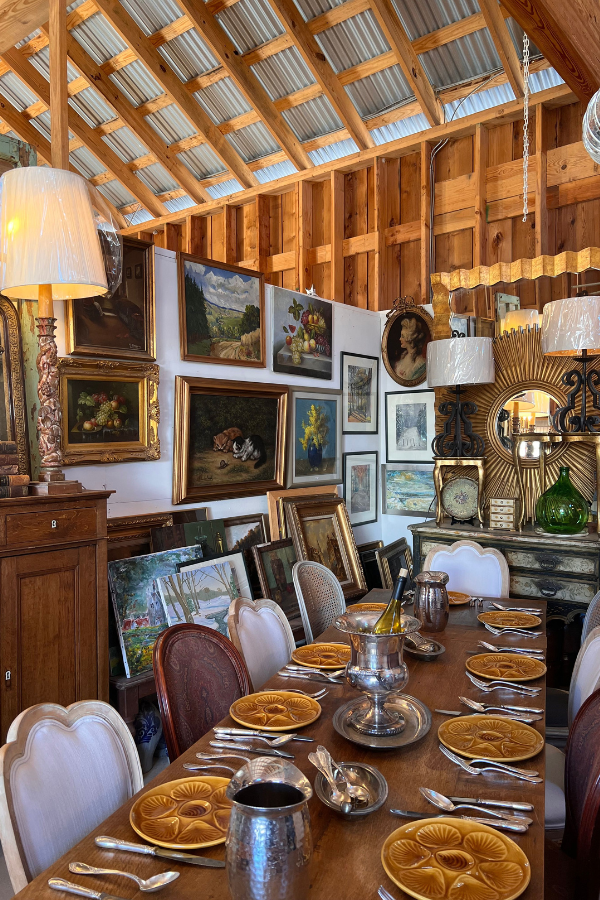
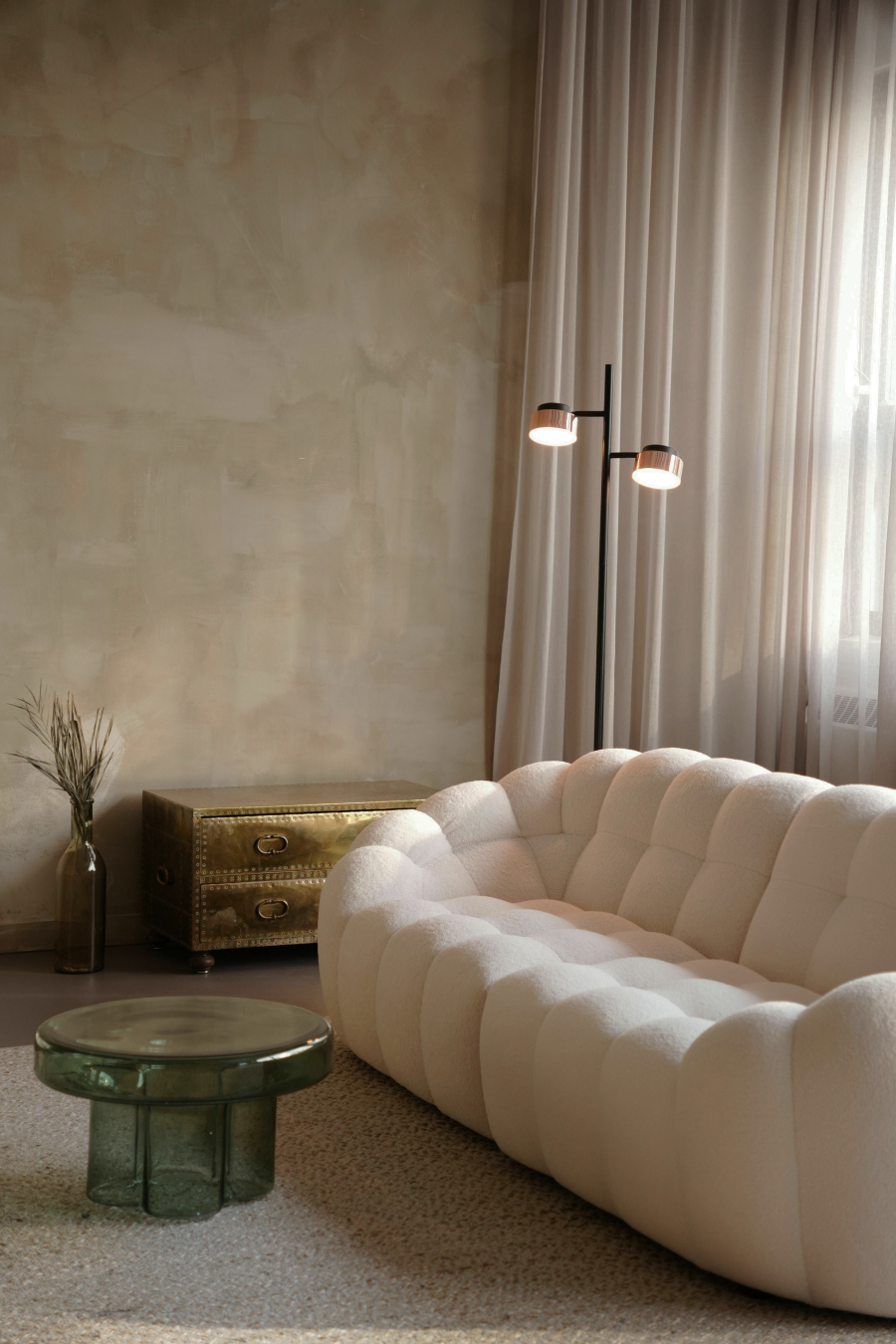
Interior designers certainly play a role. We’ve been mixing antique and contemporary furnishings for decades, but clients have recently become much more receptive to that approach. Homes no longer need to look as though every piece came from the same showroom; that’s just not the style anymore. A marble-topped commode might sit beneath contemporary artwork. A Murano chandelier can illuminate a newly constructed dining room. Older pieces introduce history and individuality that many homeowners simply can’t buy new.
Demand Has Expanded Beyond Traditional Collectors
That change has widened the pool of buyers. Someone furnishing a modern home might only purchase one or two antiques instead of collecting an entire period room, but they’re still competing for the same limited inventory. Unlike newly manufactured furniture, antiques exist in finite numbers. Every time an original piece finds a permanent home, there is one fewer available for the next buyer.
Crystal Sinclair sees that same dynamic from a designer’s perspective. Rather than filling contemporary spaces with antiques, she often introduces a single vintage piece to soften modern interiors and create visual contrast.
Designers have always appreciated that juxtaposition. The broader market is starting to appreciate it, too. As more homeowners become comfortable mixing antique and contemporary furnishings, demand naturally spreads across categories that previously attracted a much smaller audience.
Quality Still Separates Valuable Pieces From Everything Else
Increased demand doesn’t mean every antique will appreciate equally. Every source included in our research coalesces around the same point: quality still drives value. Materials, craftsmanship, condition, provenance, and originality continue to influence what buyers are willing to pay regardless of whether the piece is 20 years old or 200. Nick Boston, an antiques dealer interviewed by Country Living, sums it up in just one word.
Simon Phillips reached a similar conclusion, but he added that exceptional pieces combine several characteristics rather than relying on age alone. Specifying antiques simply because they’re old has never been the objective for us or for our clients. Designers search for pieces that contribute something that’s relatively uncommon today: exceptional craftsmanship, beautiful materials, thoughtful construction, or a sense of history that complements the rest of the home. Those characteristics also happen to be the same ones collectors are still seeking as the market evolves.
Which Antique and Vintage Pieces Are Seeing the Greatest Demand Increase?

This renewed interest in antiques hasn’t affected every category equally. Some pieces have attracted collectors because they’re becoming increasingly difficult to find. Others appeal to designers because they blend beautifully into contemporary interiors. Several experts also pointed to categories that are still surprisingly affordable despite growing demand, which makes them especially attractive for designers sourcing on behalf of clients.
Traditional Furniture Is Finding a New Audience
One of the more surprising shifts involves traditional case goods that collectors have overlooked for ages. Georgian and Regency furniture, marble-topped Louis Philippe commodes, English library tables, and other substantial wood pieces are attracting renewed attention as homeowners move away from interiors that feel overly uniform or mass-produced. Martyn Lawrence Bullard believes Georgian and Regency furniture still represents one of the strongest values on today’s antiques market.
Anthony Baratta sees younger buyers approaching antiques differently than previous generations. Rather than furnishing an entire home with period pieces, many are selecting one or two exceptional antiques that become focal points within otherwise contemporary interiors. That shift has created new demand for versatile furniture that works across multiple design styles instead of belonging exclusively to traditional homes.
Designers also appreciate how adaptable many of these pieces are. Debbie Mathews LeRoy points to Louis Philippe commodes and enfilades as examples of antiques that continue working as homes evolve because their restrained detailing allows them to complement both traditional and transitional interiors.
The Mid-Century Modern Market Might Never Soften
Mid-century modern furniture has been enormously popular for decades, but designers suggest the market is becoming a bit more selective. Rather than competing over the same iconic pieces year after year, buyers are expanding their attention to categories that previously flew under the radar. Italian lighting, Murano glass, postmodern furniture, chrome finishes, and sculptural pieces from the 1970s and 1980s are all attracting renewed interest as homeowners look for ways to make contemporary interiors feel more distinctive.
In fact, the Asheford Institute of Antiques has identified Brutalist furniture from that period as one of the fastest-growing categories in 2026. According to the report, collectors are increasingly drawn to its sculptural forms, textured materials, and architectural presence, particularly in contemporary interiors.
That evolution makes sense when you consider how today’s interiors are being designed. Many homeowners still appreciate the clean lines associated with modern design, but they’re also looking for spaces with greater warmth and personality. Vintage lighting, sculptural seating, and statement furnishings introduce visual interest without overwhelming the rest of the room.
Murano glass is one category appearing repeatedly across multiple expert lists. Designers continue incorporating vintage chandeliers, sconces, and decorative objects because they bring craftsmanship, color, and texture into spaces that might otherwise feel simple and restrained.
Fuel your creative fire & be a part of a supportive community that values how you love to live.
subscribe to our newsletter
*please check your Spam folder for the latest DesignDash Magazine issue immediately after subscription

Whether it’s an Italian floor lamp, a chrome coffee table, or a sculptural postmodern chair, many designers are selecting vintage pieces because they create contrast. A single statement object can accomplish a lot more than filling a room with matching furniture, particularly when the goal is to create a layered home that feels collected over time rather than furnished all at once.
Decorative Objects Continue to Attract Buyer Attention
Furniture might anchor a room, but many designers believe decorative objects are where antique collecting is most approachable. Smaller pieces often require a lower investment than case goods while still introducing history, craftsmanship, and individuality into a space. They also layer easily into homes regardless of architectural style, which makes them attractive to both seasoned collectors and first-time buyers.
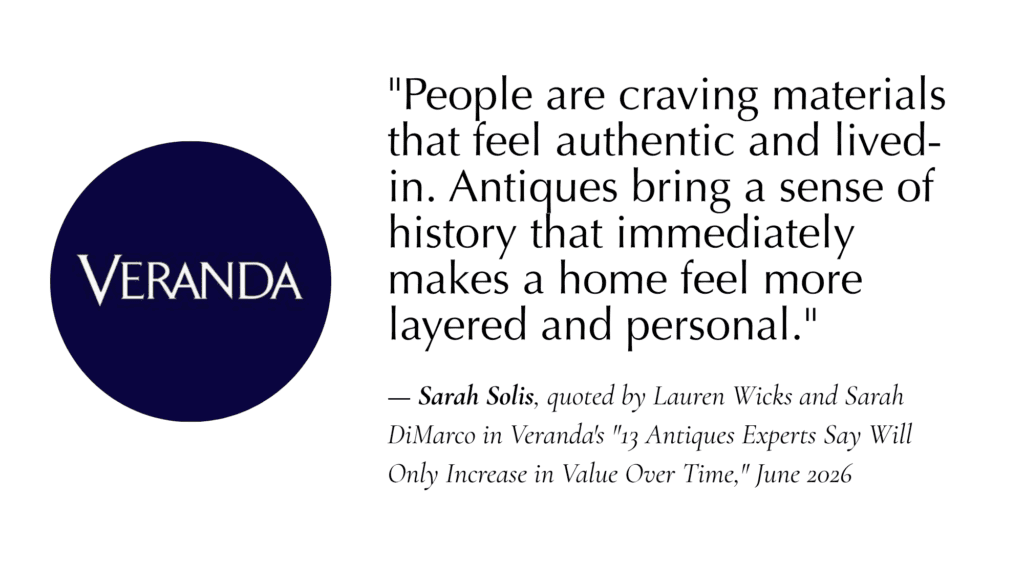
Mirrors, pottery, bronze sculptures, antique trunks, folding screens, ceramics, vintage glassware, and textiles all appeared repeatedly throughout the experts’ recommendations. Unlike larger furniture pieces, these objects can move from room to room as a home evolves, which empowers homeowners to build collections gradually rather than all at once. Sarah Solis believes those collections contribute something that newly manufactured décor just can’t.
Laurin Beard points to antique textiles as another category that’s finding new life in contemporary interiors. Rather than preserving them exactly as they were originally intended, designers frequently repurpose vintage fabrics into pillows, upholstery, or other decorative accents that allow historic craftsmanship to remain part of everyday living.
As interest in collected interiors continues to grow, decorative antiques offer designers tremendous flexibility. They can introduce age, texture, and craftsmanship without requiring an entire room to revolve around a single historical period. That versatility explains in part why these smaller pieces continue attracting attention alongside larger “investment” pieces.

We Certainly Haven’t Seen the End of Antiques!
Antique markets have always reflected changing tastes, and today’s renewed interest appears to be driven by a combination of unique design, exceptional craftsmanship, and a growing appreciation for history. While not every antique category has appreciated at the same pace, designers, collectors, and homeowners alike are still looking for furnishings and decorative objects that introduce authenticity, character, and individuality into contemporary interiors.
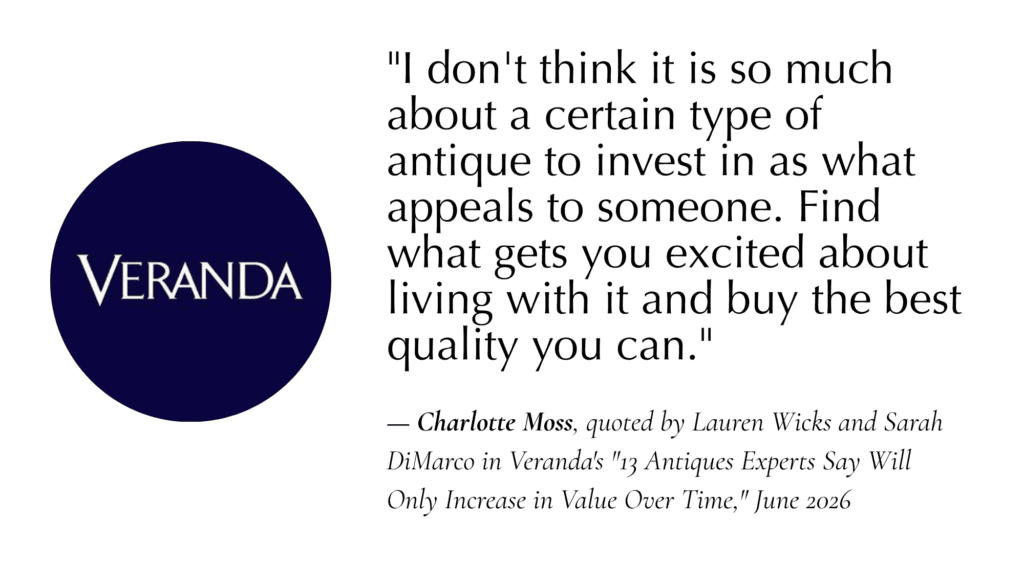
Charlotte Moss believes that’s ultimately the best way to approach collecting. Rather than chasing whatever happens to be trending, she encourages buyers to focus on pieces they’ll genuinely enjoy living with while prioritizing quality above everything else.
Whether it’s a Georgian chest, a Murano chandelier, a vintage trunk, or a handwoven Suzani, age might add value, but it’s not the primary driver of buyer attraction. Buyers want quality, originality, and craftsmanship that you can’t replicate today.
Written by the DesignDash Editorial Team
Our contributors include experienced designers, firm owners, design writers, and other industry professionals. If you’re interested in submitting your work or collaborating, please reach out to our Editor-in-Chief at editor@designdash.com.
Related Posts
Here’s How to Handle Team Burnout During Busy Seasons for Your Design Firm
Worried about morale during busy seasons for your firm? Here’s how t

15 Tips for Retaining Creative Employees in Today’s Market
We're all searching for tips and tricks to retaining employees who emb


February 2026 Interior Design Events You Simply Can’t Miss
From material research and construction insight to architectural histo
Staging Spaces: Should You Diversify into Real Estate Staging or Stick to Interior Design?
LIKE 0 LEAVE COMMENT 0 6 min read Summary Real estate staging offers i