5 Decorative Arts Movements That Made an Impact on Interior Design

 0
0
 0
0Summary
Decorative arts movements shape interiors by defining how architecture, furniture, materials, and surface decoration work together. Arts and Crafts re-centered craft and honest materials, Art Nouveau integrated ornament across the built environment, Art Deco brought geometric modernity into public and domestic spaces, Bauhaus linked architecture to furniture and workshop production, and Memphis pushed postmodern pattern and form into furniture and objects that still influence contemporary decorative arts.
Reflection Questions
Which movement shows up most often in your current portfolio, and is that coming from client demand, your sourcing habits, or your team’s default aesthetic?
When you present options to a client, do you explain the “why” behind materials and forms, or do you rely on taste language that’s harder to defend in a budget meeting?
Where could your firm use museum-level category thinking (furniture, textiles, metalwork, ceramics, glass) to strengthen specifications across hospitality, workplace, or residential projects?
Journal Prompt
Pick one recent project and list every decorative arts decision in it, separate from architecture: furniture, lighting, textiles, wall finishes, metal details, ceramics, glass, and any objects used for decoration. Then write one paragraph on which movement each choice most closely aligns with and why, using only observable qualities such as form, material, technique, and intended use.
The term decorative arts refers to pieces found in the home: furniture, textiles, ceramics, glass, metalwork, and jewelry. They are utilitarian but still have an aesthetic focus. Many of these objects were highly valued in their own centuries, even when museums placed the fine arts above them. Art historians still debate the distinction, but a domestic interior doesn’t follow academic categories. Rooms mix art and use.
Nowhere is that more obvious than in museum collections like those of the National Gallery of Art and the V&A. The Victoria and Albert Museum treats European decorative arts as a core part of design history, and its exhibitions proceed from late Medieval objects to Renaissance sculpture in bronze, then on to Gilded Age silver and porcelain. The J. Paul Getty Museum does that through its Department of Sculpture and Decorative Arts, which spans the late 12th century through the mid 20th and centers furniture, silver, ceramics, glass, and textiles. It frames decorative objects through materials and technique at both the Proper and the Villa.
A university museum in New Haven adds an American focus, with a major collection of American decorative arts that includes furniture, early silver, glass, ceramics, textiles, and wallpaper. The movements in this article trace how those choices shaped interiors then and now.
5 Decorative Arts Movements That Made an Enduring Impact on Interior Design
The Arts and Crafts Movement
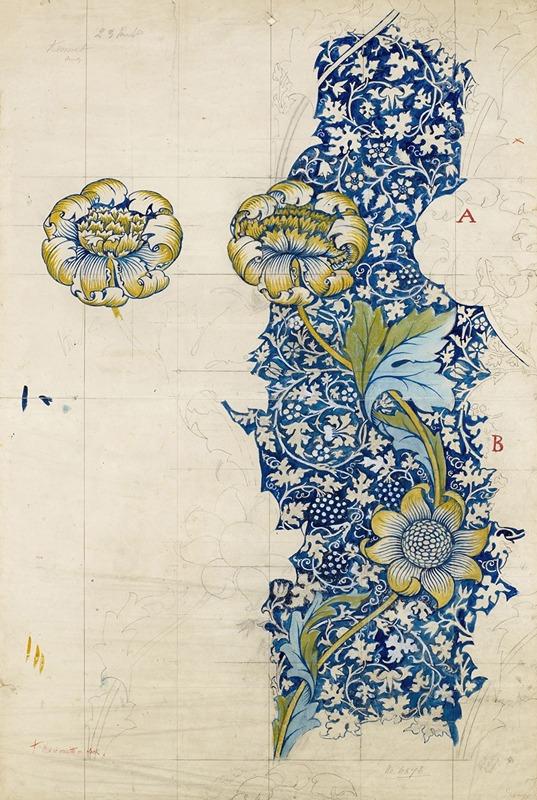
The Arts and Crafts Movement began during the late Victorian period in England, with anxieties about industrial life and a renewed emphasis on craft. In The Met’s Heilbrunn Timeline essay, Monica Obniski writes that Arts and Crafts designers sought to “improve standards of decorative design, believed to have been debased by mechanization.” Obniski links that outlook to European debates around medieval architecture, honest workmanship, and quality materials, with John Ruskin and William Morris at the center of the movement’s philosophical grounding. Morris argued for a union of the arts within the decoration of the home, with emphasis on nature and simplicity of form.

Obniski also writes that the movement didn’t promote a single style. It argued for reform, criticized industrial labor, and advanced the designer as craftsman. In the United States, she describes a multicentered network of societies, workshops, and publications, with work produced across media that included furniture, textiles, pottery, metalwork, and jewelry. Interiors from this period often paired rectilinear furniture forms with wood paneling and leaded glass, and architects treated the room as part of the building’s design program.
Frank Lloyd Wright’s “completely designed environments” give a clear example of that ambition, with architecture and interiors developed together. Later American studio furniture carries a related interest in craft and the domestic interior as a site of serious work. Sam Maloof, born in 1916, built a career around furniture that museums frame through American craft and American art history. This movement changed the conversation around what was considered decorative and what was considered essential.
Art Nouveau

Art Nouveau flourished between about 1890 and 1910 throughout Europe and the United States.Encyclopaedia Britannica describes it through “a long, sinuous, organic line,” and notes that designers used it most often in architecture, interior design, jewelry, and glass. Britannica also frames it as “a deliberate attempt to create a new style,” free of nineteenth-century imitative historicism. The term came from a European art gallery in Paris called L’Art Nouveau.
The V&A’s “whiplash” essay focuses on an ornamental S-curve that became closely associated with Art Nouveau. In interiors and architecture, that curve moved through wrought-iron stairways and railings, door hardware, and wall borders, and it also entered furniture profiles, stained glass, and textiles. The V&A points to Émile Gallé in glass and Louis Majorelle in furniture, and it places those objects alongside the larger Paris exposition context that helped circulate the interior style and art form.
Art Deco

Art Deco developed in France in the mid-to-late 1910s, and Britannica ties its maturation to the 1925 Exposition Internationale des Arts Décoratifs et Industriels Modernes in Paris. Britannica defines it as a design style of the 1920s and 1930s characterized by sleek geometric or stylized forms and manufactured materials. Geometry, symmetry, and surface finish stayed central across architecture, interiors, and furniture.
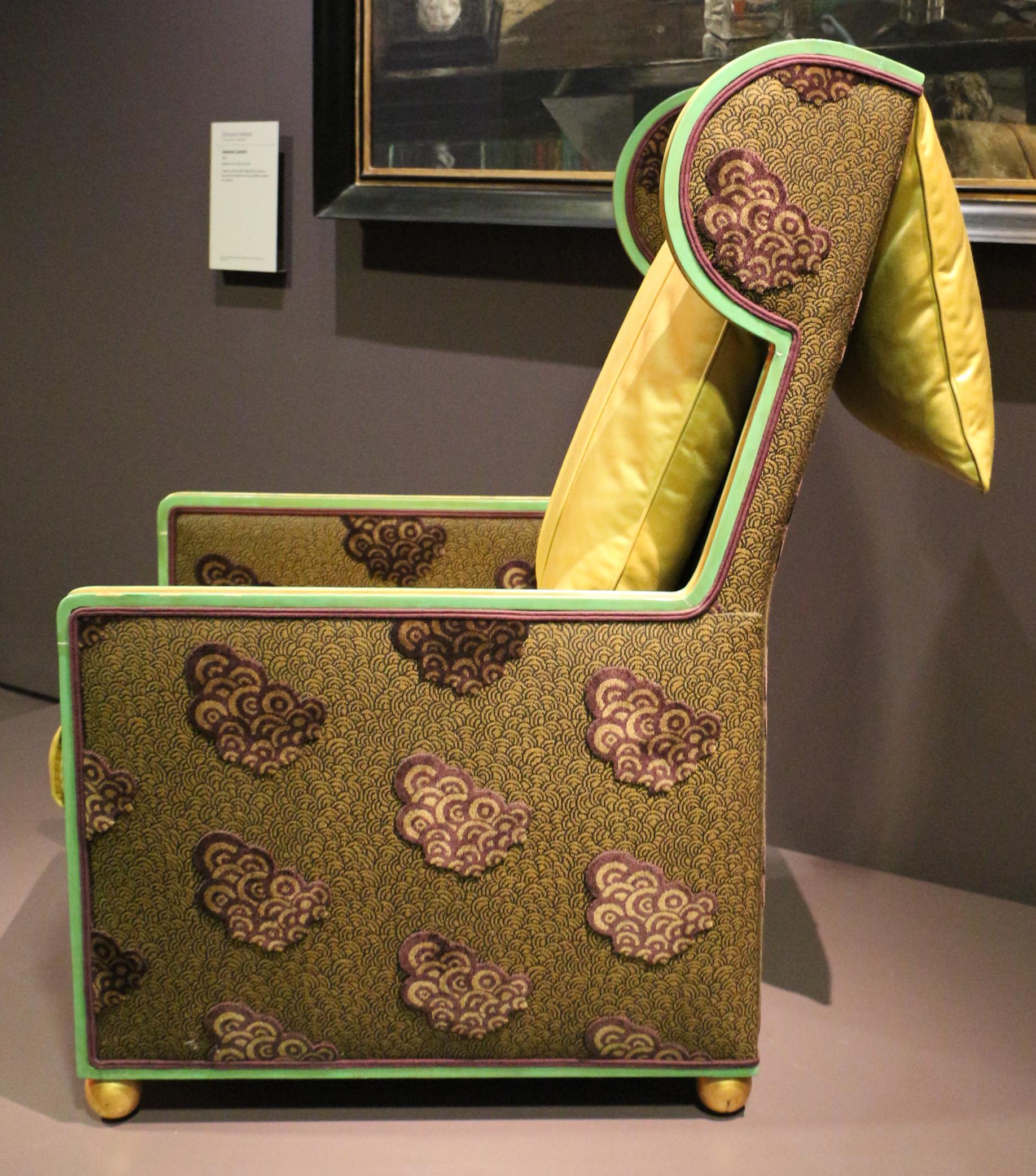
Public interiors played a major role early on because large projects could support complex finishes and integrated decoration. Smarthistory notes that “Art Deco” can describe a corporate office tower and also decorative pattern on furniture, murals, and tilework. The V&A’s “Art Deco in the home” essay covers the domestic side through materials, including chromed steel, aluminium, mirror, coloured glass, and early plastics, and it links those materials to mass production and household items like radios. Those same finishes also suited hotels, cinemas, restaurants, and ocean liners, where furniture, lighting, wall panels, and metalwork defined the interior experience.
Bauhaus
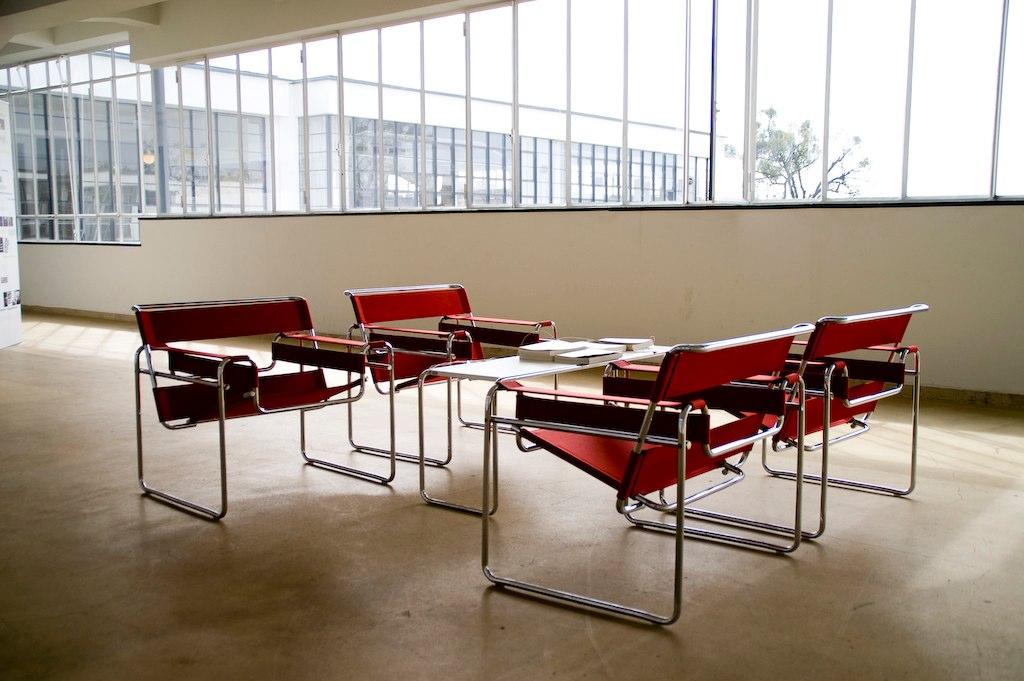
Bauhaus began as a school in Weimar in 1919 under Walter Gropius. The Met describes its core objective as “to reimagine the material world to reflect the unity of all the arts,” and it connects that goal to Gropius’s 1919 proclamation describing a craft guild that combined architecture, sculpture, and painting into a single expression. That structure placed furniture, textiles, metalwork, and typography inside the same program, not on the margins.
Fuel your creative fire & be a part of a supportive community that values how you love to live.
subscribe to our newsletter
*please check your Spam folder for the latest DesignDash Magazine issue immediately after subscription

The Met’s essay points to Marcel Breuer’s armchair as one example of Bauhaus furniture production, and it frames the school through modern materials and simplified forms. MoMA’s “Workshops for Modernity” description lists figures that shaped Bauhaus work across interiors and architecture, including Anni Albers, Herbert Bayer, Marianne Brandt, Marcel Breuer, Walter Gropius, Kandinsky, Klee, Moholy-Nagy, and Gunta Stölzl. That range maps onto built environments: furniture and lighting for rooms, textiles for walls and windows, metalwork for functional objects, and typography for printed matter and signage.
The Memphis Group
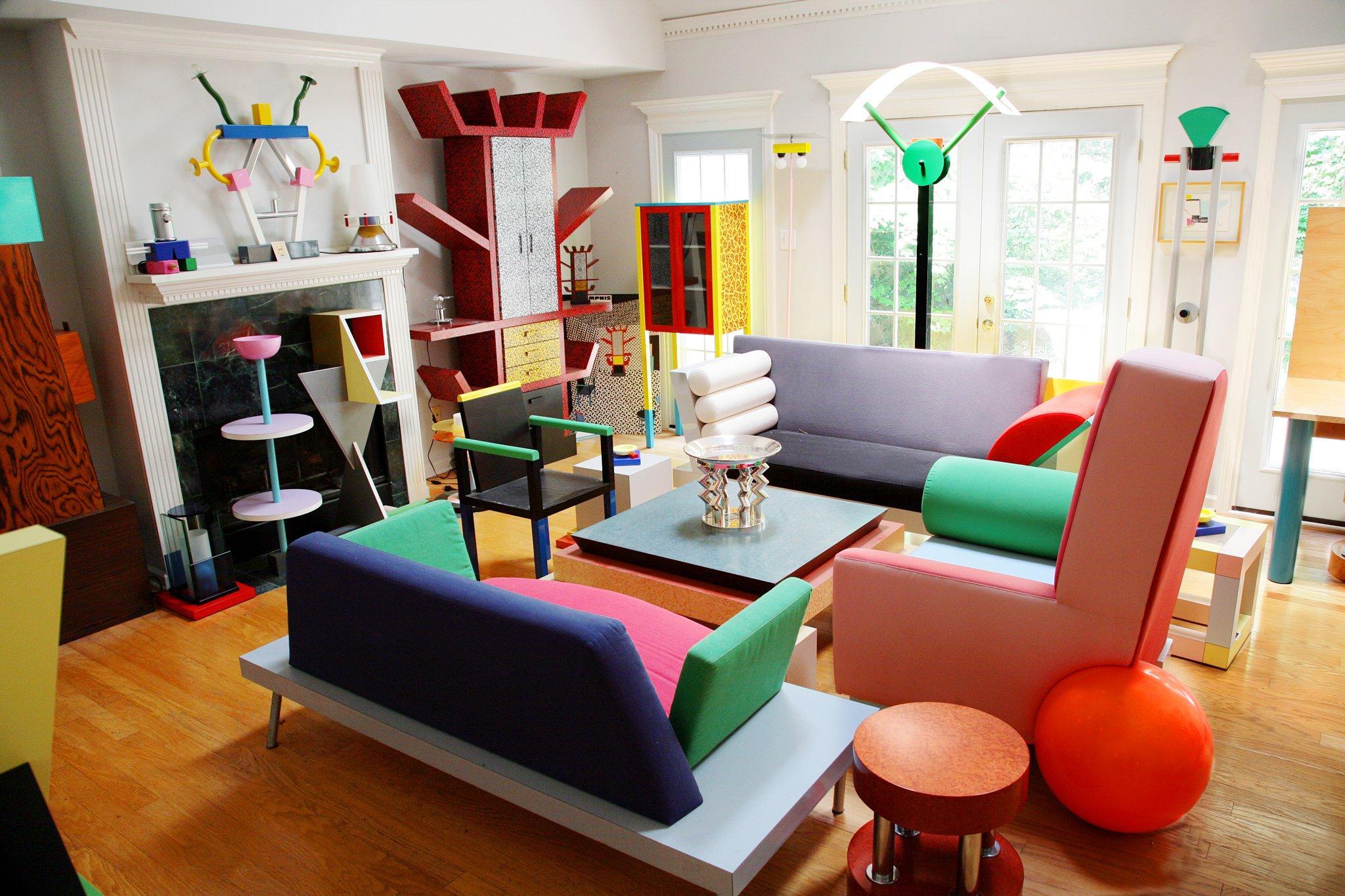
Memphis was a Milan-based collective led by Ettore Sottsass, and the Design Museum describes it through “post-modernist style” and “bright and bold furniture and product” design after its 1981 debut. Memphis produced objects across categories that interior designers specify every day, including lighting, fabrics, carpets, ceramics, glass, and metal objects.

Memphis’s own history page lists early members present at the group’s formation in Milan, including Martine Bedin, Aldo Cibic, Michele De Lucchi, Nathalie Du Pasquier, Matteo Thun, and George J. Sowden, with additional members joining later. Members worked across furniture, pattern design, lighting, and architecture, and the objects circulated through galleries, retail environments, and hospitality interiors as well as domestic rooms. The group’s surfaces leaned heavily on plastic laminate and strong pattern, and the forms often relied on hard geometry and color contrast.

Final Thoughts
The objects designed as part of these five movements share one basic trait. Each one treated decorative arts as part of interior design, not as a secondary category behind architecture or the fine arts. Arts and Crafts pushed workmanship and reform into furniture, textiles, metalwork, and ceramics. Art Nouveau built interiors around continuous ornament across railings, furniture, glass, and textiles. Art Deco relied on geometry and modern materials across public interiors and domestic objects, with Paris in 1925 as a central reference point.
Bauhaus formalized a school model that linked architecture, furniture, textiles, and typography, and the faculty and student list makes that patently obvious. Memphis came later and used furniture and objects to push pattern, color, and surface contrast into a coherent interior approach that still connects easily to contemporary decorative arts and contemporary craft.
Written by the DesignDash Editorial Team
Our contributors include experienced designers, firm owners, design writers, and other industry professionals. If you’re interested in submitting your work or collaborating, please reach out to our Editor-in-Chief at editor@designdash.com.
Related Posts

The Key to Keeping Hydrangeas Fresh and Flowering
By understanding and addressing their unique needs, you can cultivate

These Are the Best Revit Plugins for Designers & Architects
With the right plugins, Autodesk Revit users can make their firms' des

Iconic Demolished Buildings: A Glimpse into History’s Lost Marvels
Who among us has not stood before ancient ruins or modern skyscrapers

What is a Horticulturist, and How Do I Become One?
Let's explore the required education, many specializations, and potent
How Western and Eastern Color Psychology Differ: What You Need to Know as a Designer
Color is a deeply cultural phenomenon; its effects are not one-size-fi