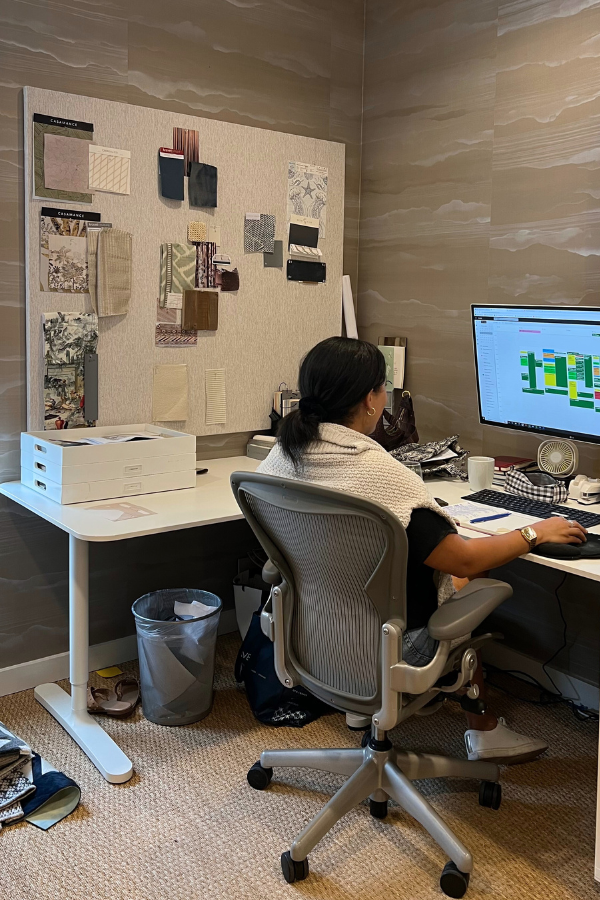
The Best Tools for Firm Owners Selected by Our WITOW Interviewees

 13
13
 0
0Summary
Interior designers rely on a mix of digital tools, traditional materials, and everyday technology to keep their firms running. In our Women, In Their Own Words interview series, designers shared the three tools they would keep if they had to narrow their working toolkit. Their responses range from drafting software and project management platforms to tape measures, paint decks, and smartphones. Together, the answers offer a glimpse into how contemporary design studios balance creative work, documentation, communication, and business operations.
Reflection Questions
When you think about the tools you use every day, which ones directly support your creative work and which ones support the business side of your firm?
If you had to narrow your working toolkit to only three tools or materials, which would you keep and why?
How have digital platforms, communication tools, or software systems changed the way your design projects move from concept to installation?
Journal Prompt
Take a few minutes to reflect on the tools you rely on most in your design practice. Write down the three tools or systems you would keep if you had to simplify your workflow. Consider why those tools matter to you. Do they help you generate ideas, communicate with clients, manage logistics, or document your work?
As you write, think about how those tools shape the way you run your firm. Do they help you stay organized, collaborate with your team, or move projects forward efficiently? Reflect on whether your current toolkit supports the way you want to work as your firm grows.
Designers are known for their creativity, resourcefulness, and “big ideas,” but behind every successful firm is a toolkit that keeps the business running smoothly so ideas can keep flowing. Over the years, our Women, In Their Own Words interview series has asked firm owners…
“If you could only use three tools or materials for the rest of your career, what would they be?”
Their answers reveal an intriguing mix of technology, traditional design tools, and everyday essentials that power the “modern design studio”. Below, several of our interviewees share the tools they rely on most while running their firms and managing projects from concept through installation.

Tools Design Firm Owners Simply Can’t Live Without
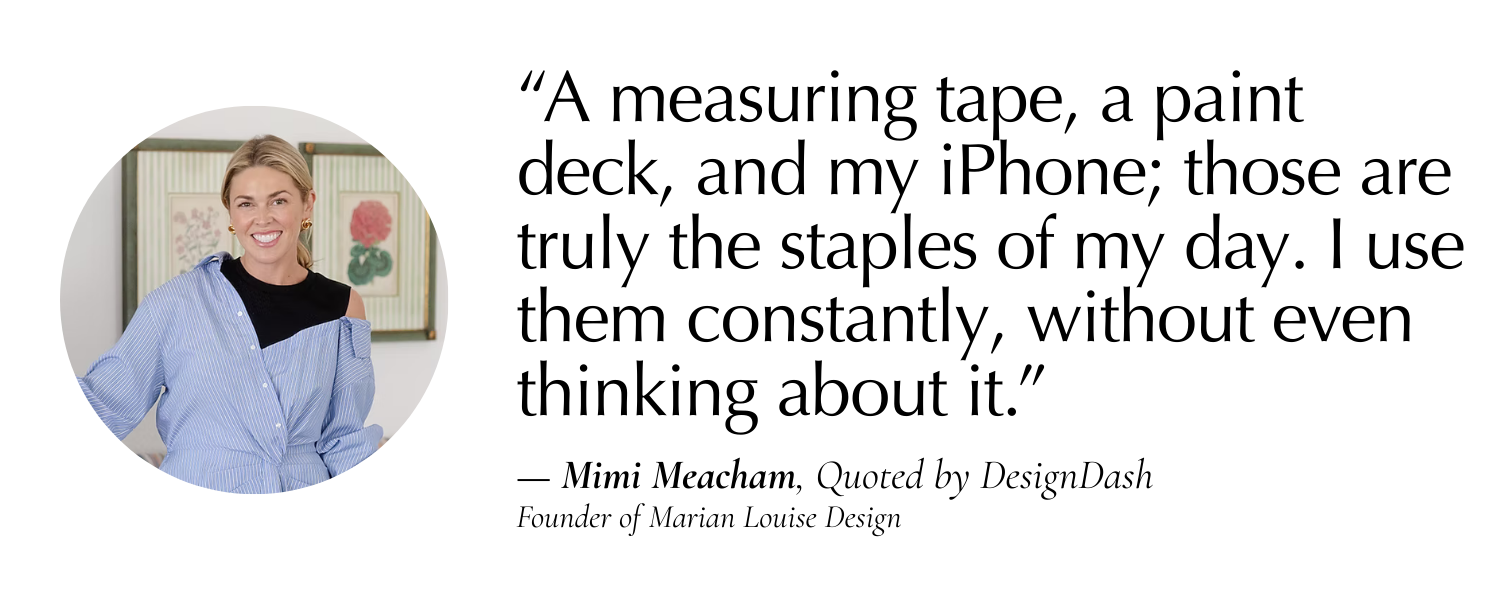
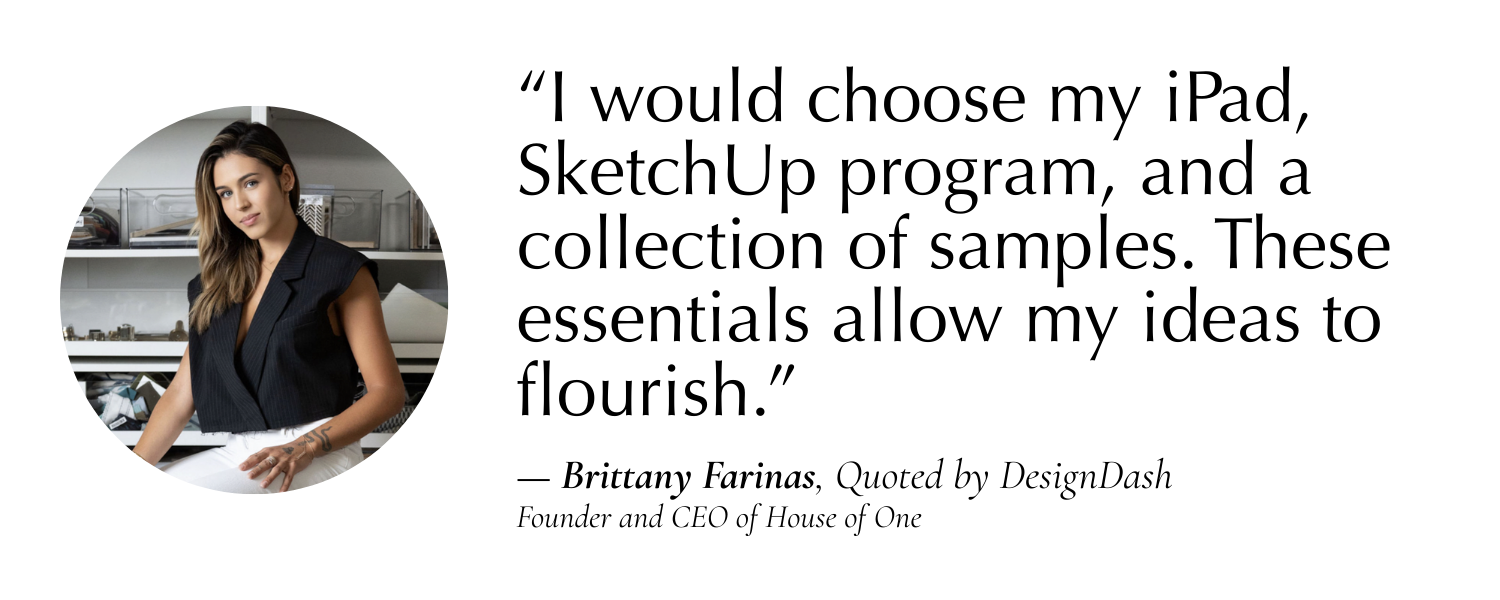
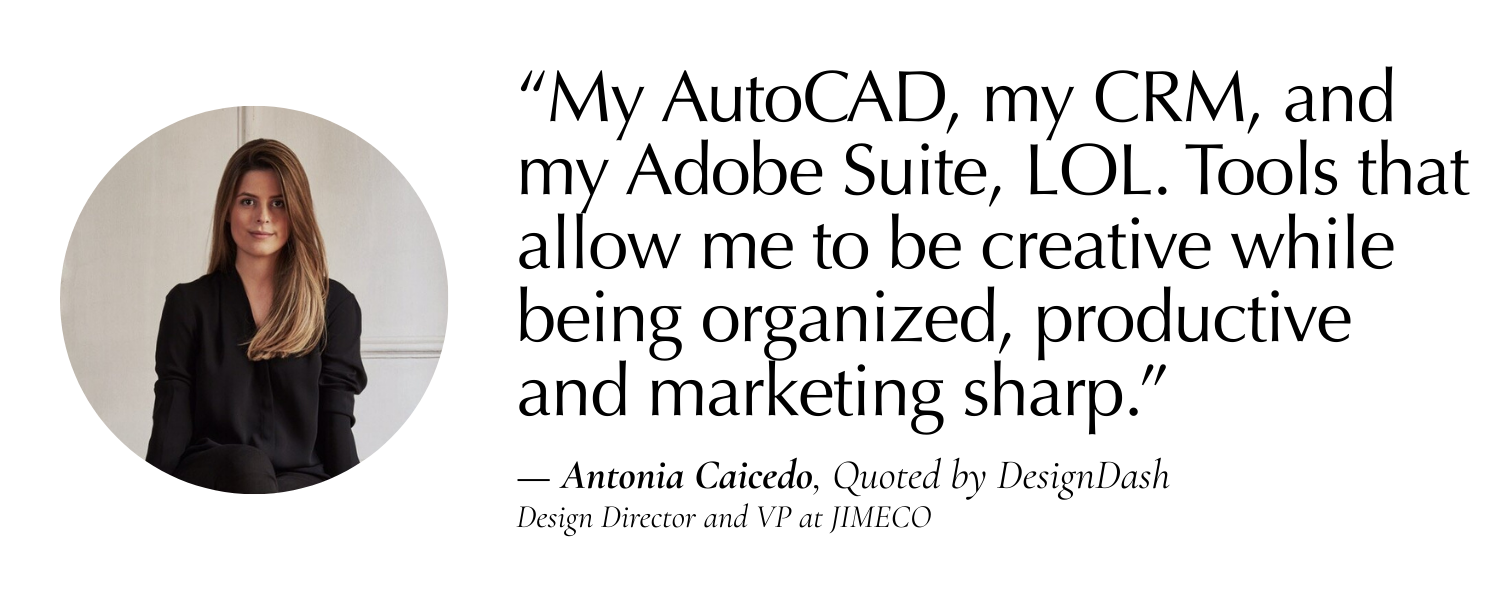



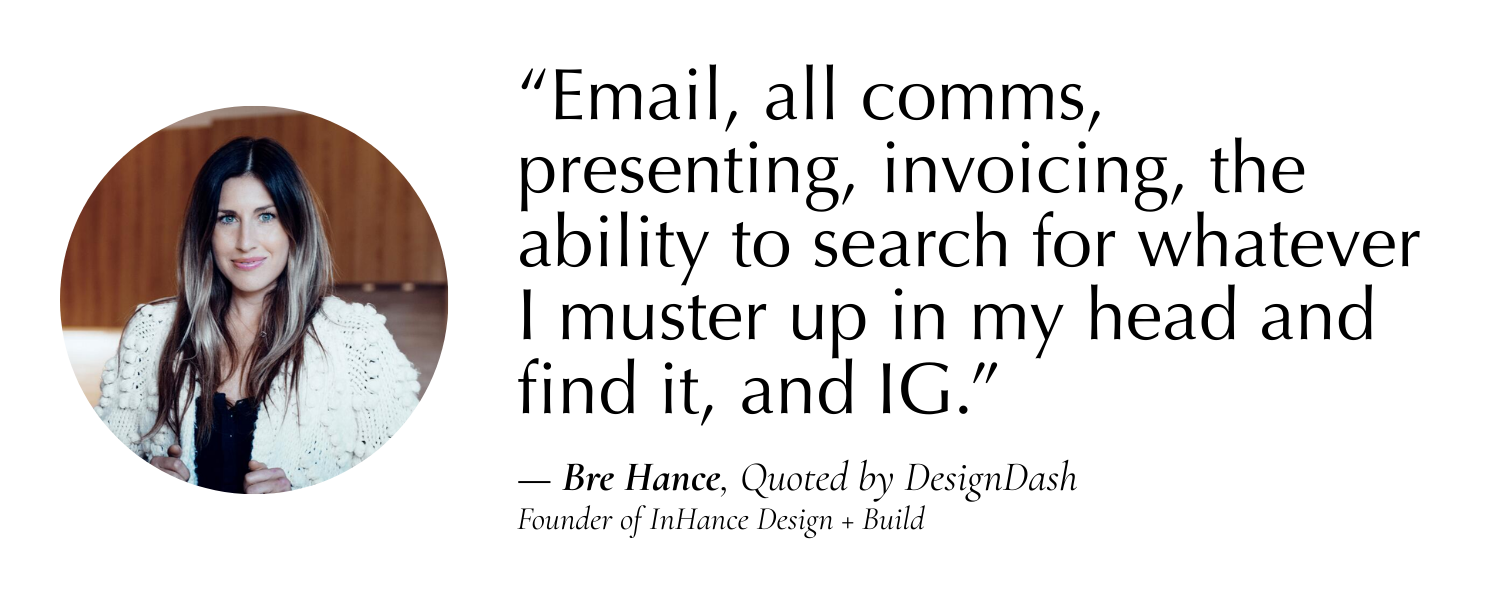
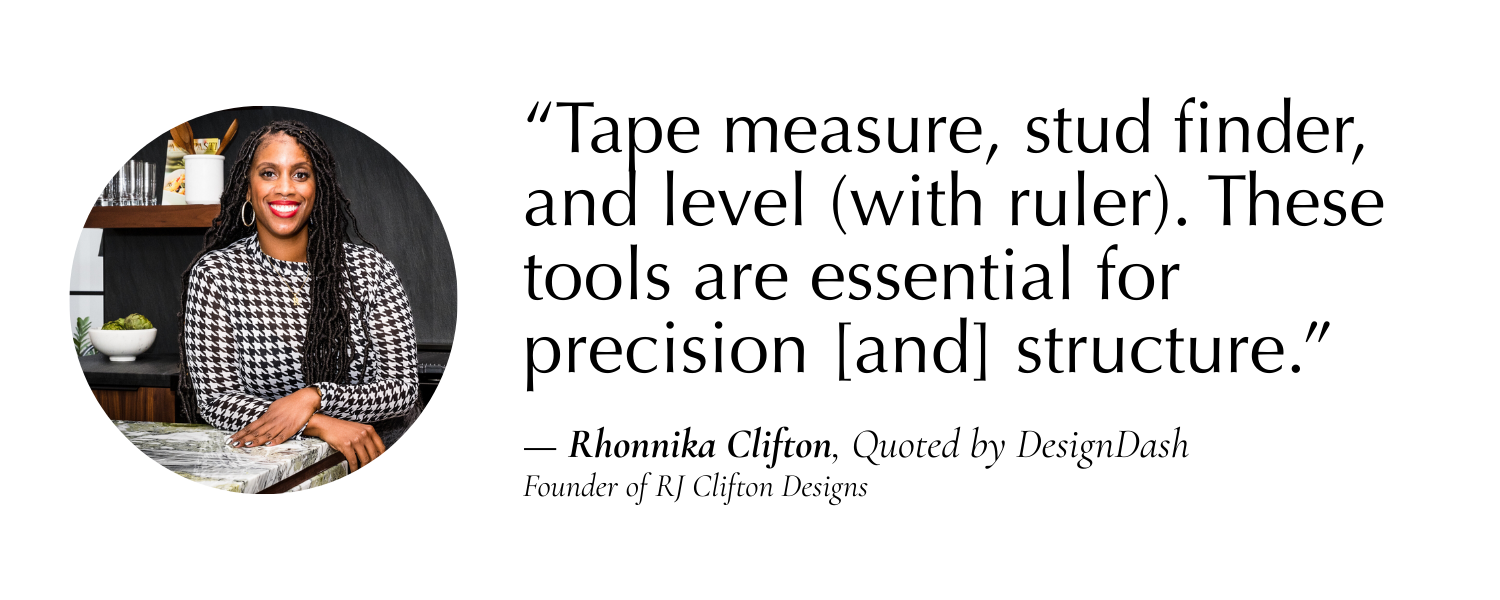
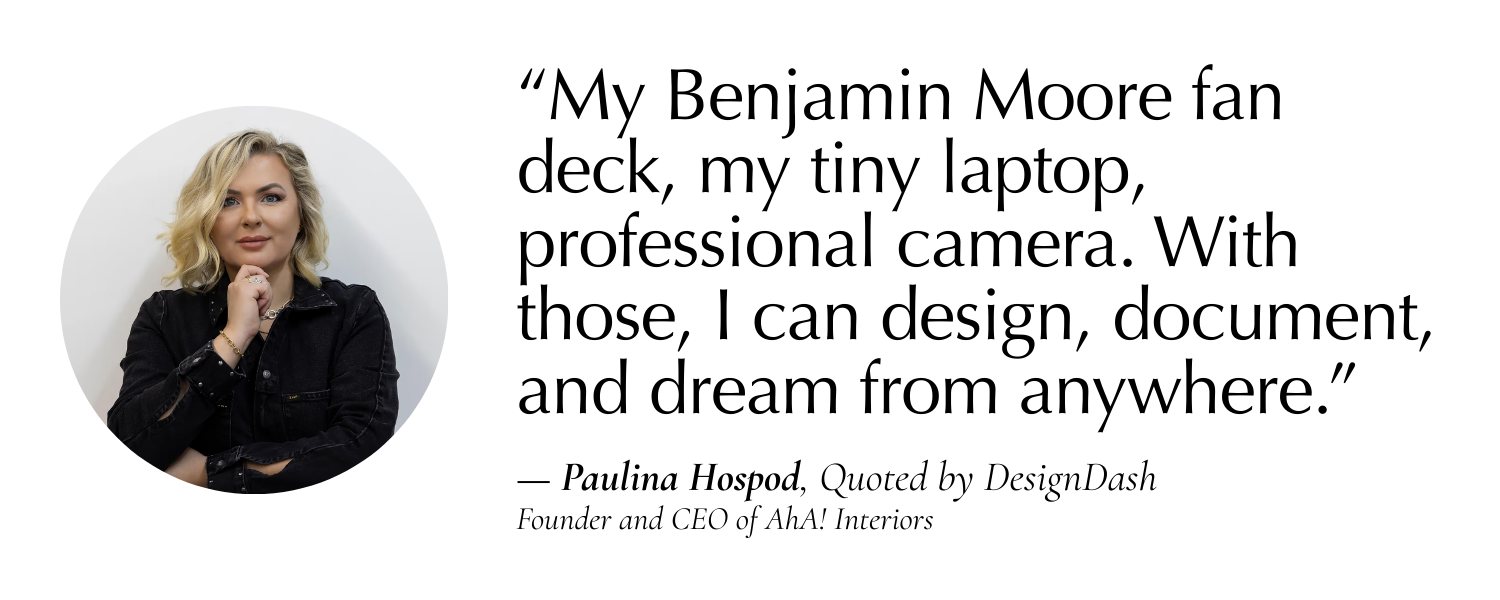
Essential Systems That Keep Firms Running
Beyond the tools designers personally use, firms also rely on operational systems that support purchasing, accounting, and team coordination. Melissa Grove, COO of Laura U Design Collective and co-founder of DesignDash, points to financial and project management software as two areas that strongly influence how a studio operates day to day.
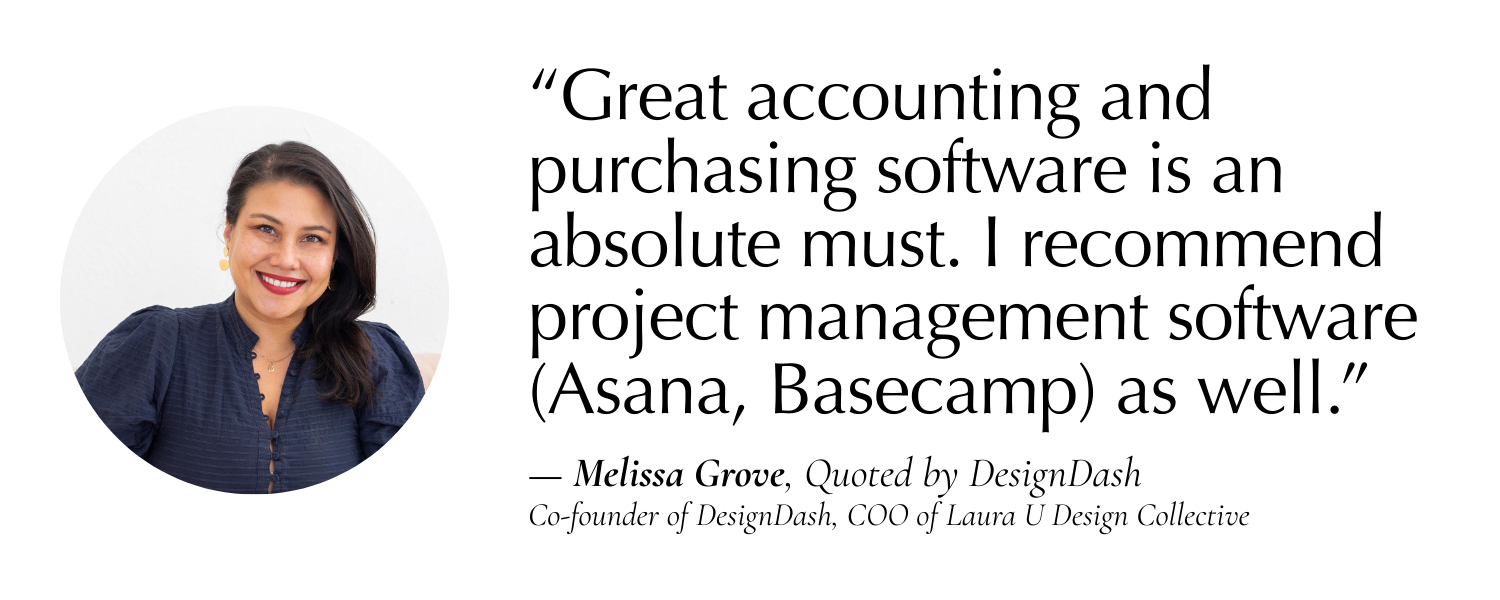
As for software, Melissa admits that “There are plenty of them out there, but the ones that can automate what you do and speak directly to vendors is a major benefit.” And regarding project management, it’s essential “when you have a larger team and you need to be able to communicate with them, wherever you are.”
As a firm grows, coordinating vendor orders, managing budgets, and tracking project details across several jobs at once requires reliable systems. Those tools help teams keep purchasing, communication, and timelines organized as projects move forward.

Many thanks to our Women, In Their Own Words interviewees for participating! Stay tuned for more inspiring voices in our “Women, In Their Own Words” series. If you would like to be invited to participate in this interview series, please email our EIC at editor@designdash.com with “WITOW” in the subject line and your responses in the body.
Written by the DesignDash Editorial Team
Our contributors include experienced designers, firm owners, design writers, and other industry professionals. If you’re interested in submitting your work or collaborating, please reach out to our Editor-in-Chief at editor@designdash.com.
Related Posts

SHIFT Your Focus at the 2025 Chicago Architectural Biennial
From collective housing to material innovation, SHIFT: The 2025 Chicag
Interior Design Client Management: Essential Strategies for Success
LIKE 0 LEAVE COMMENT 0 8 min read Summary Reflection Questions Journal

How Tariffs Could Impact Interior Design & Residential Remodeling
The impact of tariffs on interior design isn’t black and white. We m

Best Furniture Design Schools and Programs in the US
These furniture design schools have consistently offered rigorous acad
How Metal Thread Has Been Used in Fine Embroidery Throughout History
An art form that intertwines threads of myriad hues into fabric to cre

Eight Summer 2026 Design & Architecture Events
We've rounded up eight architecture and design events taking place bet