
Why Firm Owners Should Consider a Built-In Annual Rate Increase

 0
0
 0
0Summary
A built-in annual rate increase clause lets an interior designer’s rates adjust on a set schedule, usually once per year, instead of requiring a separate rate conversation with every long-term client. For firm owners, this clause is especially helpful on multi-year renovations, repeat-client work, and ongoing retainers where old pricing can linger too long.
Reflection Questions
Is your current rate structure still accurate for projects that started a year or two ago?
Which clients are still being billed at older rates because the conversation feels awkward?
Would a fixed percentage, CPI-based increase, or phase-based increase make the most sense for the way your firm works?
Journal Prompt
Write down every active client, their current rate, the date their contract started, and the date you last increased their fee. Where are you still honoring pricing that no longer matches your time, costs, team, or experience?
Welcome back to our series exploring the clauses that interior designers often include in client contracts to protect themselves and their firms. Today, we’re discussing built-in annual rate increases, which Alicia Cheung and Eva Bradley of Studio Heimat in San Francisco identify as a must-have in all contracts. Quoted by Aidan Taylor in an article for Business of Home, the pair notes that adding this clause means they no longer need “to keep track of several different rates for different projects all the time.” As always, we recommend meeting with a licensed attorney before making major changes to any legal documents (like client contracts). This article is in no way a substitution for professional advice.

What Is a Built-In Annual Rate Increase Clause?
A built-in annual rate increase clause (sometimes but less commonly called a fee escalation clause or escalation provision) is a section of your contract that establishes in advance that your hourly rate, flat fee, or other compensation structure will increase on a set schedule, usually once per year. Instead of having a separate conversation with every client each time you want to raise your rates, the clause makes the increase an agreed-upon term from the start. The client signs the contract knowing that rates will adjust annually, and you don’t have to renegotiate or send an awkward email explaining why you’re charging more.
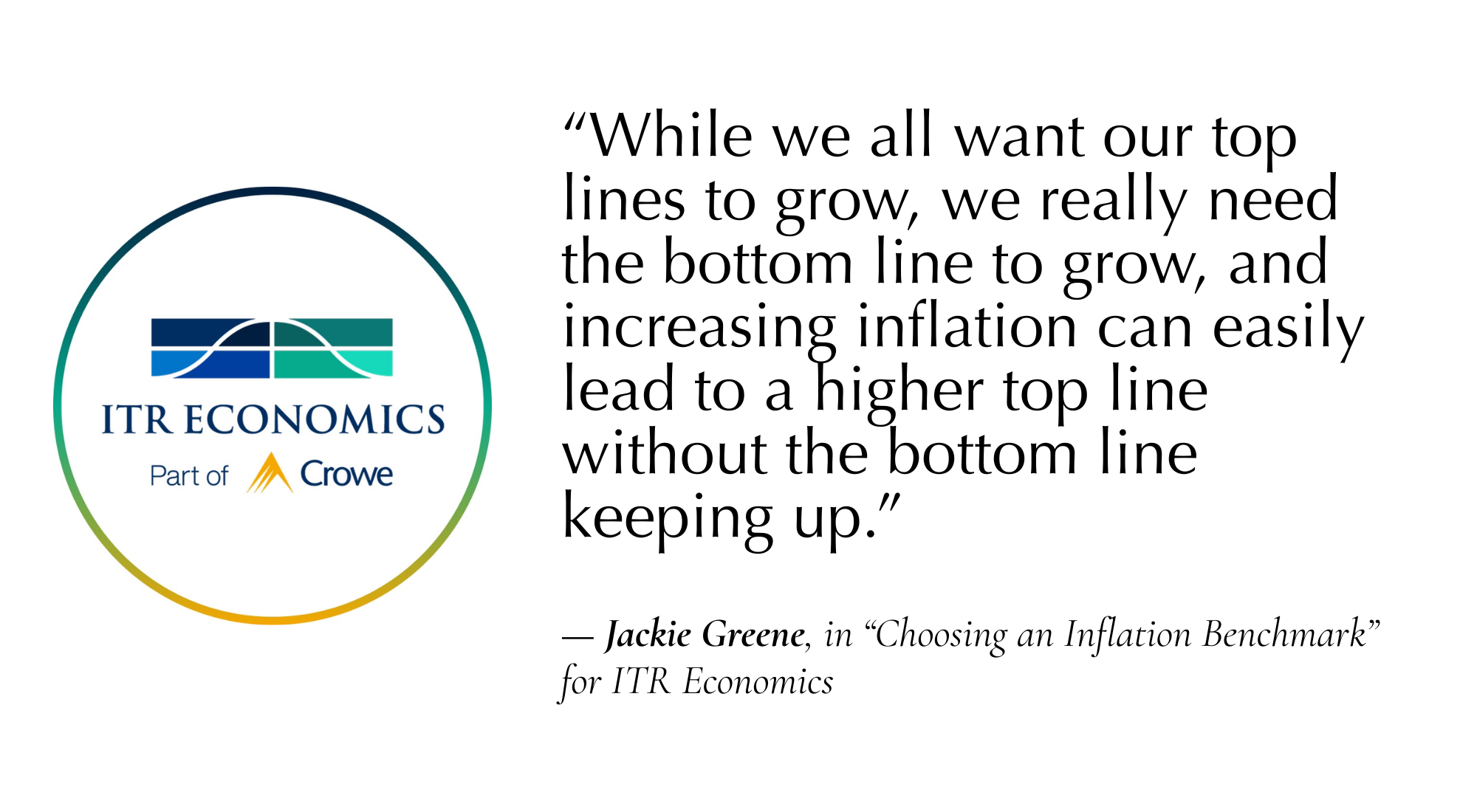
The specific language and structure of these clauses vary a lot depending on the firm and how the increase is calculated. Some designers tie the increase to a fixed percentage, say, three percent per year regardless of external economic conditions. Others tie it to a published index, most commonly the U.S. Bureau of Labor Statistics Consumer Price Index (CPI), which tracks inflation across goods and services. Law Insider, a legal contract database, offers one example of CPI-based language: “An annual fee increase, not to exceed 3% in a given year, will be applied based on the United States Department of Labor Consumer Price Index for professional, scientific, and technical services 12-month compensation percent change.” Whether you peg the increase to the CPI or set a flat percentage, you want a rate that adjusts automatically without requiring a new negotiation each year.
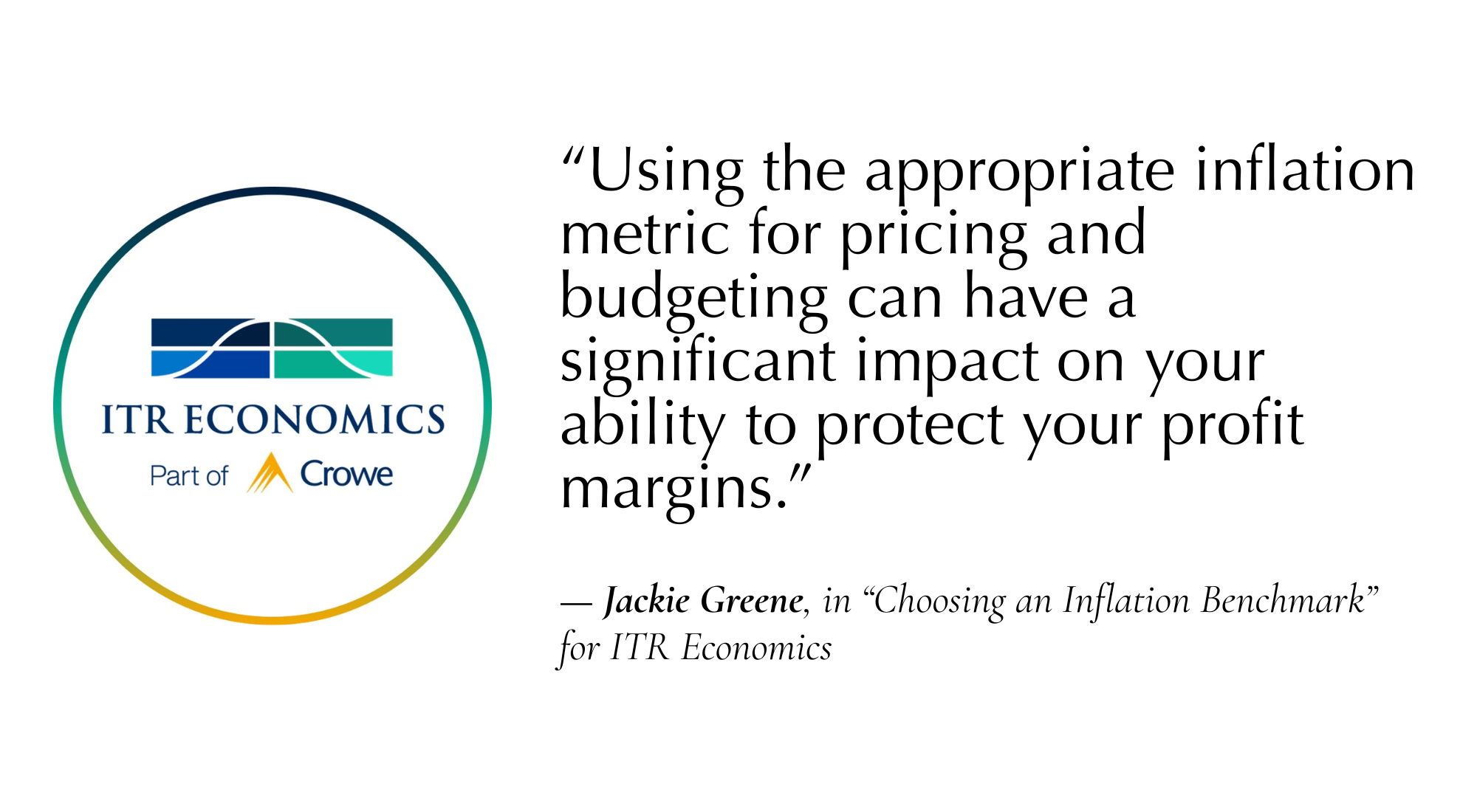
For interior designers specifically, this clause is most relevant to multi-phase projects, long-term retainer relationships, or any engagement that stretches across two or more calendar years. A single room decorating project completed in a few months probably doesn’t need one, but a whole-home renovation that starts in spring and runs through the following year or the next, or a client you’ve been working with on an ongoing basis, is exactly the situation where a built-in escalation clause prevents you from finishing a project at the rate you quoted two years ago.
Why Do Interior Designers Include This Clause?
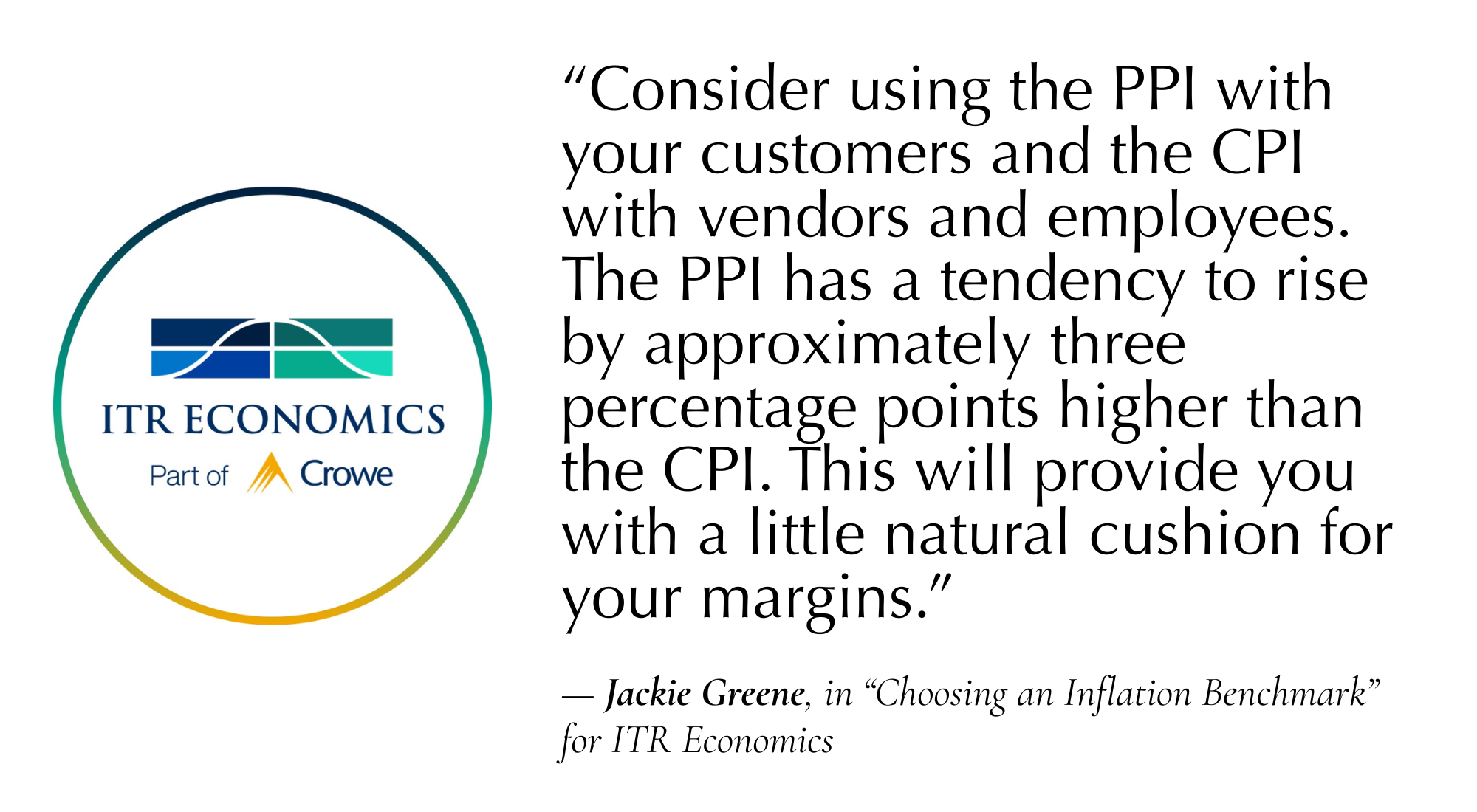
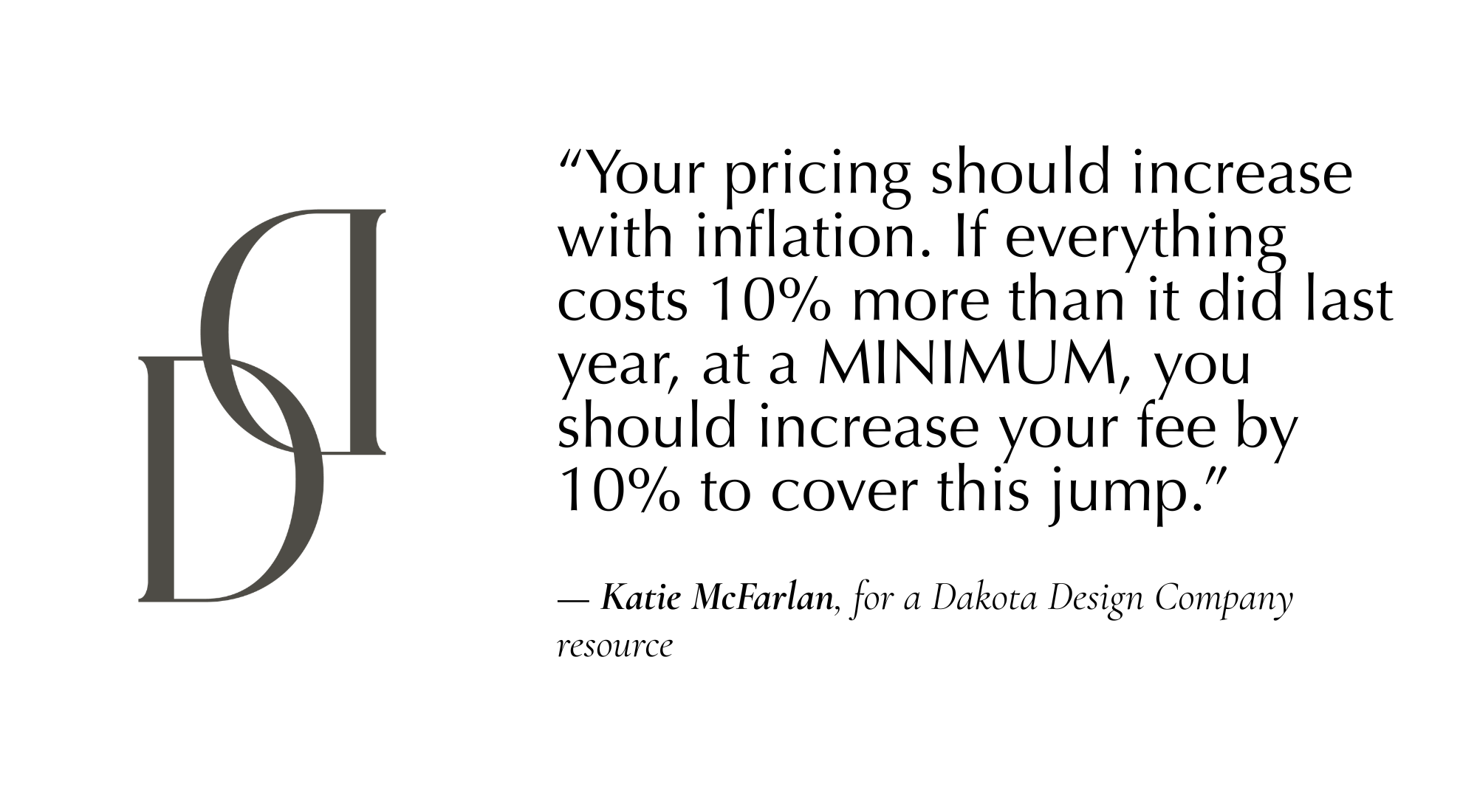
The short answer is that your costs go up every year, and your rate should too. The built-in escalation clause solves that problem contractually, which is so much less stressful than contacting each client and explaining the hikes. Rather than treating a rate increase as a sensitive conversation that needs to happen at some point in the future, you establish the expectation upfront when the client is in a signing mindset rather than a billing one. The client agrees at the outset that rates will adjust on an annual anniversary date, and that agreement removes the social friction that makes many designers reluctant to raise their rates at all.
This also simplifies your bookkeeping. When you raise your rates without a clause in place, you may be billing Client A at your old rate because you don’t want to have the conversation mid-project, billing Client B at a newer rate because they’re just starting, and billing Client C at something in between because the timing was awkward.
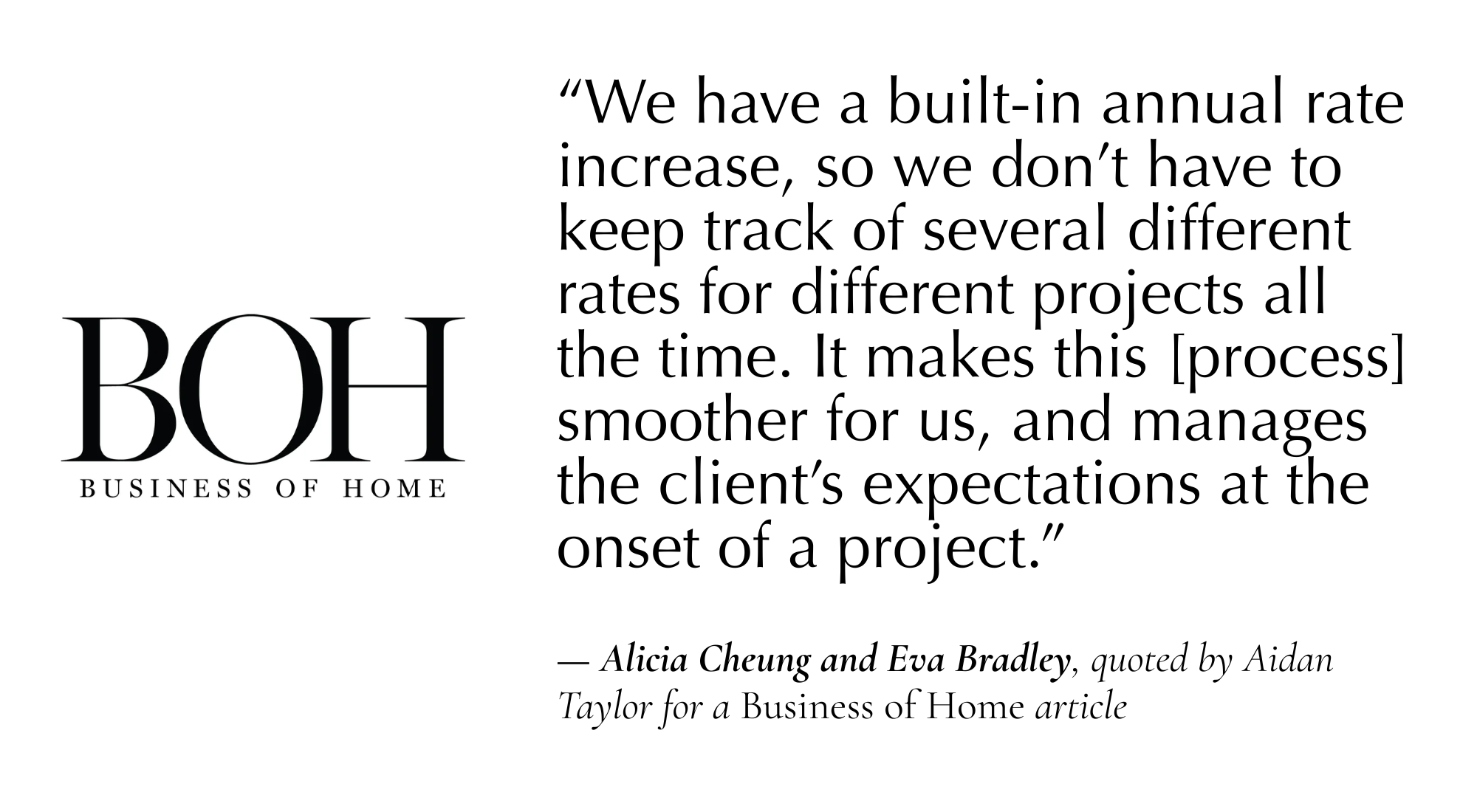
A built-in escalation provision standardizes the timeline and eliminates that inconsistency. Studio Designer, a project management platform for interior designers, notes that adding this clause “keeps your pricing aligned with inflation and your growing expertise.” A consistent rate schedule is one of the more straightforward ways to make that alignment automatic.

What Should the Clause Actually Say?
The language depends on how you want to structure the increase, but a few elements are standard across well-drafted escalation provisions. The clause should identify the trigger, which is usually the annual anniversary date of the contract’s effective date. It should state the method for calculating the increase, whether that’s a fixed percentage or an index like the CPI. It should specify how and when the client will be notified. And it should clarify what happens to work already in progress, whether the new rate applies to all future hours billed under the contract, or only to new phases initiated after the anniversary date.
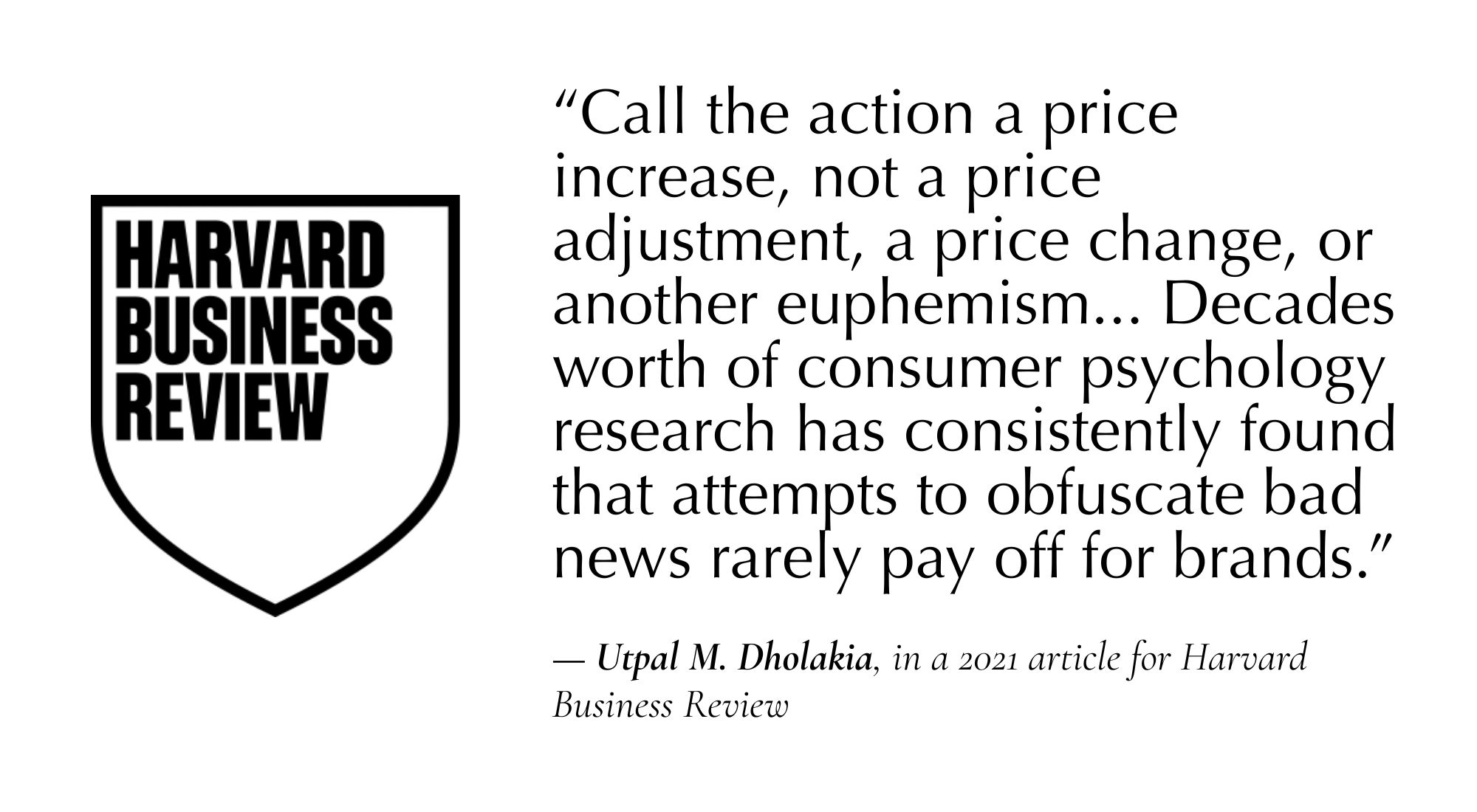
Notice requirements matter a lot. If you’re planning to raise your rate on January 1st and your contract requires thirty days’ written notice, sending that notice on December 28th isn’t going to be well received. Even if your contract only requires thirty days, the professional relationships most designers want to maintain are served better by more advance warning. If your contract already includes the escalation clause, you can frame the notice as a reminder of terms the client already accepted rather than a surprise.
You should also think carefully about whether to cap the annual increase. A fixed-rate cap, something like “increases shall not exceed five percent per year,” can actually make the clause more palatable to clients during initial contract negotiations, because it limits the upside uncertainty. Some designers skip the cap and let the CPI dictate the increase, which is defensible since the CPI isn’t within anyone’s control, but a cap gives both parties clearer expectations.
Fuel your creative fire & be a part of a supportive community that values how you love to live.
subscribe to our newsletter
*please check your Spam folder for the latest DesignDash Magazine issue immediately after subscription

How Do You Introduce It in Client Negotiations?
The most natural time to introduce a rate escalation clause is during your initial contract review with a new client, not mid-project. At the beginning of a relationship, the client is focused on whether they want to work with you and what the project will involve. A provision that says rates will adjust annually by a modest percentage is unlikely to be a dealbreaker at that stage. Mid-project, the same conversation can feel like you’re moving the goalposts.
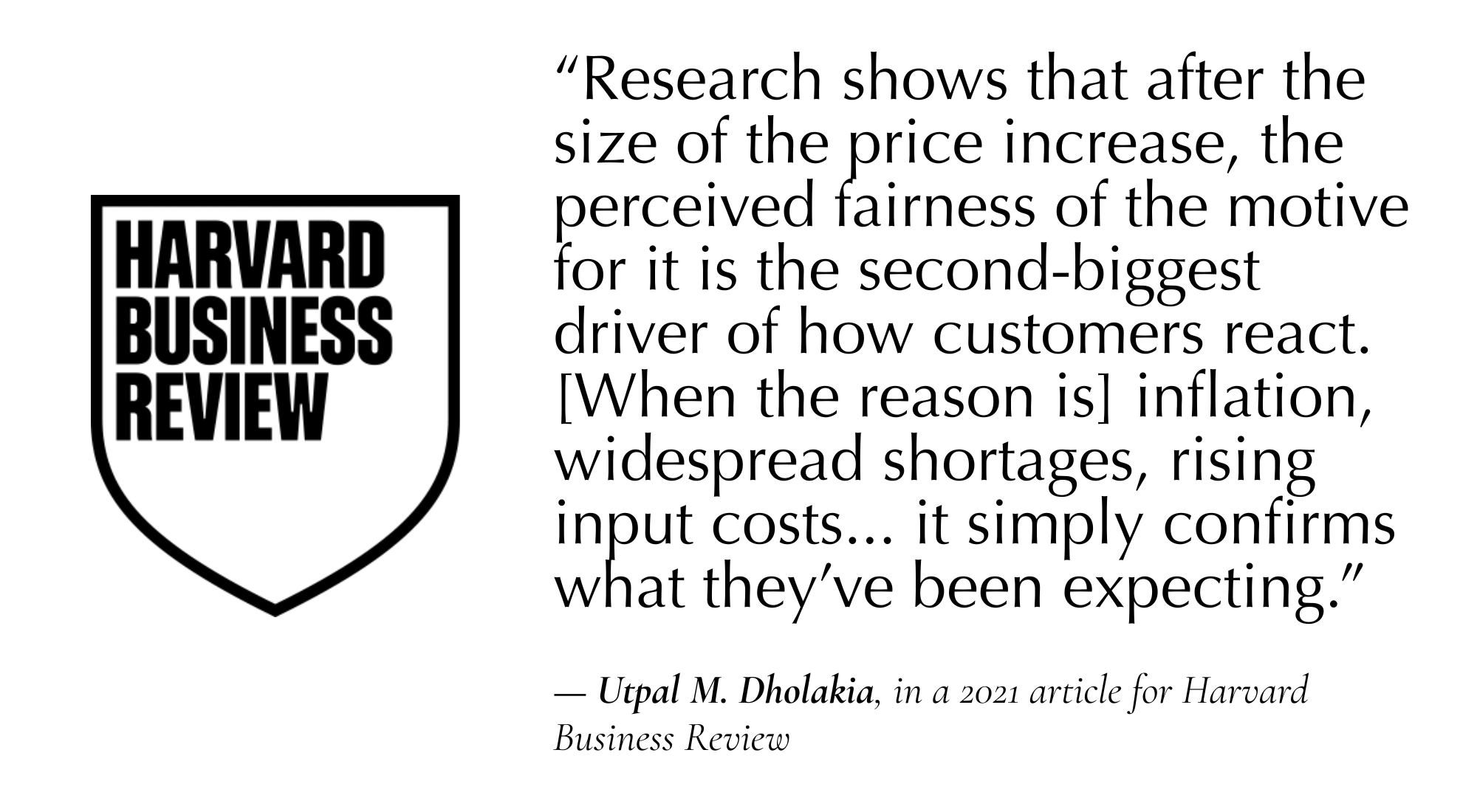
It’s worth explaining the clause briefly when reviewing the contract rather than hoping the client will read it and have no questions. A short explanation (something like, “This provision means that if our work extends past a full year, my hourly rate will adjust by X percent on the anniversary date; I’ll always give you advance notice before that happens”) takes about thirty seconds and prevents confusion later. Clients who understand what they’re agreeing to are much less likely to push back when the adjustment is made a year later.
Please don’t try to hide this language. Include a clause that actually gives you this power before notifying a client of any change in billing. The clause gives you the authority to make the adjustment and establishes that authority, which you’ll need when you actually raise the rate.

A Note on Long-Term Projects and Multi-Phase Work
This clause is most important when projects span multiple years, which is fairly common, but it’s also important when you work with repeat clients. For example, a client who starts with a living room renovation might come back six months later wanting to work on an addition, redo a primary bath, or explore a kitchen remodel. That expanded scope can easily push a relationship into a second or third year, and without an escalation clause, you might feel locked into rates you quoted initially.
Bear in mind that there’s no “one way” to do this. Some designers structure the escalation to apply to each phase renewal rather than on a fixed calendar date, which more accurately reflects the reality of how those projects progress. Others apply it strictly to the calendar anniversary regardless of phase status. Either approach can work as long as the contract language is clear about which one you’ve chosen. An attorney familiar with service contracts can help you determine which structure makes the most sense for how your firm operates.
Written by the DesignDash Editorial Team
Our contributors include experienced designers, firm owners, design writers, and other industry professionals. If you’re interested in submitting your work or collaborating, please reach out to our Editor-in-Chief at editor@designdash.com.
Related Posts


How Do Designers Use Jewelry CAD Software, and What Are the Best Options?
Here's how CAD software can transform your jewelry design process with

With AI & AR, Are Virtual Styling Services Actually Worth the Hype?
From artificial intelligence to augmented reality, virtual styling ser

10 Essential Business Tips for First-Time Creative Entrepreneurs
Here are 10 essential business tips for new creative entrepreneurs who

Mediterranean Interior Design: Warmth & Elegance from Southern Europe
Mediterranean interior design blends natural materials, vibrant colors