DesignDash Guide: Here’s How to Become a Florist

 0
0
 0
0Summary
The DesignDash guide on becoming a florist or floral designer delves into the artistic and practical aspects of the profession. It highlights the importance of creativity, technical skills, and business acumen in crafting beautiful floral arrangements and running a successful floristry business. Our guide also discusses the educational pathways, experience building, and certification processes aspiring florists can pursue to enhance their skills and credibility.
Reflection Questions
- How can the principles of floral design apply to other forms of creative expression or design in your life?
- What steps can you take to start gaining practical experience in an area of interest, similar to how aspiring florists gain experience?
- In what ways do you think achieving a professional certification, similar to becoming a Certified Floral Designer, could impact your career or personal development goals?
Journal Prompt
Reflect on a passion or hobby you have that could potentially turn into a career, much like floral design. Consider the steps you might take to pursue this passion professionally, including education, gaining experience, and possibly starting your own business. How does this align with your personal and professional aspirations?
The floral industry combines art, design, and agriculture, appealing to those with a love for flowers and a flair for creativity. Here, passion and artistry meet, allowing individuals to express themselves through the beauty of floral arrangements. A career as a florist is not just about arranging flowers. When florists create floral arrangements, they must understand the emotional language of blooms, fashion meaningful compositions for various occasions, and bring joy and comfort to people’s lives. Floral designers must possess both a creative spirit and a dedication to the craft, offering a fulfilling path for those passionate about flowers. To become a certified floral designer or start your own floral business, read our guide.
What Does a Florist Actually Do?

Florists don’t just sell flowers. They engage in a range of activities, from selecting and purchasing fresh flowers from wholesalers to designing beautiful arrangements for brands, weddings, funerals, celebrations, and everyday enjoyment. Their work involves not only creativity in arranging flowers but also technical skills in flower care and handling.
Florists must understand the principles of design and color theory, as well as how to maintain the freshness and beauty of their materials. Equally important are customer service skills, business knowledge, and communication skills, as florists frequently consult with clients to understand their needs and preferences. An experienced florist will ensure that the final product is perfectly suited to the occasion and the client’s desires.
What’s the Difference Between a Florist and a Certified Designer?
A florist is a professional who works with flowers and plants, often involved in selecting, arranging, and selling them to the public for various occasions and as decor. Florists may also provide advice on the care of flowers and plants. While formal post-secondary education beyond a high school diploma is not strictly necessary to become a florist, many florists acquire their skills through on-the-job training, workshops, short courses, or by working under the guidance of more experienced professionals. The scope of a florist’s work can range widely from retail operations, customer service, flower and plant care, to basic arrangement and design. Florists may run or work in flower shops, garden centers, or freelance, providing services directly to clients or events.
Fuel your creative fire & be a part of a supportive community that values how you love to live.
subscribe to our newsletter
*please check your Spam folder for the latest DesignDash Magazine issue immediately after subscription

A Certified Floral Designer is a florist who has taken additional steps to be formally recognized by a professional body, such as the American Institute of Floral Designers (AIFD) or other recognized floral associations worldwide. This certification demonstrates a high level of proficiency and knowledge in floral design. To become a CFD, a florist must complete specific educational programs and pass a comprehensive examination that assesses their floral design skills, knowledge of design theory, ability to work with various materials, and understanding of professional industry standards. This often involves completing courses at accredited institutions, attending workshops, and accumulating hours of hands-on experience.
While certified floral designers perform many of the same tasks as other florists, they are often sought after for more complex and high-profile design work due to their verified skills and knowledge. Their certification may afford them opportunities to work on larger, more prestigious events, teach floral design classes, or even compete in floral design competitions.
Becoming a Florist
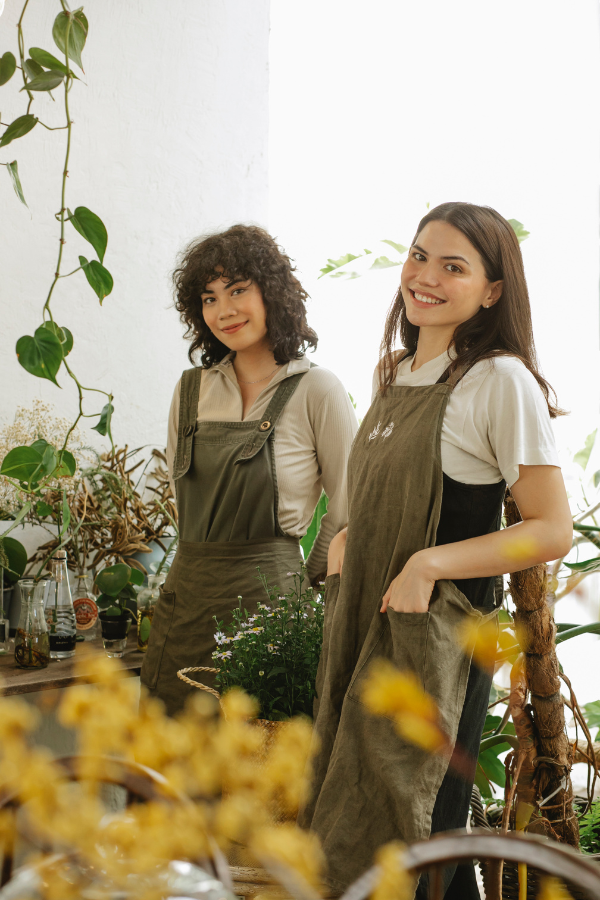
The journey to becoming a florist can begin with formal education through floristry courses, certifications, and, in some cases, degrees in horticulture or related fields. Many florists also take a photography course or a course in social media marketing to help with the business side of owning a floral business.
These programs provide foundational knowledge in floral design, plant science, and business aspects of running a floristry operation. Workshops and apprenticeships offer valuable hands-on experience, allowing aspiring florists to learn from established professionals in a real-world setting. While formal education can offer a structured learning path, self-taught routes enable flexibility and personal exploration. Each approach has its benefits and challenges, with the best choice depending on individual learning styles and career goals.
Gaining Experience
Gaining practical experience is crucial for aspiring florists, and this can be achieved through various means, such as volunteering for events, securing internships, or working part-time in flower shops. Experience in different settings, including retail floristry, event planning, and freelancing, provides a broad understanding of the industry and helps in building a versatile skill set. Additionally, creating a personal portfolio of floral designs is essential for showcasing one’s creativity and style to potential employers or clients, acting as a visual resume that highlights an individual’s best work.
Developing Essential Skills
To succeed as a florist, one must develop a range of technical, business, and soft skills. Technical skills include understanding floral design principles, flower care, and handling techniques to ensure longevity and aesthetic appeal of arrangements. Business skills are necessary for managing inventory, marketing services, and providing exceptional customer service. Soft skills like creativity, time management, and effective communication are also vital, as they enhance the ability to create unique designs, meet deadlines, and interact with clients and suppliers positively.
Certification and Licensing Requirements
While certification is not always mandatory to become a florist, obtaining professional certification can enhance credibility and career prospects. Some countries or regions may have licensing requirements for florists, particularly if they operate their own business. These requirements vary and can include business licenses, health and safety certifications, and other regulatory compliances. Understanding and fulfilling these requirements is crucial for legal operation and professional recognition in the floristry industry.
Starting Your Own Small Business in Floristry

Launching a floristry business requires careful planning and consideration of several key factors, including developing a professional portfolio, creating a solid business plan, securing funding, and choosing a suitable location. Understanding the target market and identifying a niche can help in differentiating the business from competitors. An effective marketing strategy and a strong online presence are also essential for attracting customers and building a brand. Aspiring florist entrepreneurs should be prepared to navigate the challenges of business ownership while leveraging their creativity and passion for flowers.
Challenges and Rewards
Working as a florist comes with its set of challenges, such as managing the seasonal nature of the work, coping with long hours, especially during peak seasons, and ensuring the freshness and availability of flowers. However, the rewards of a career in floristry are significant, offering creative satisfaction, the joy of working with beautiful materials, and the opportunity to make special occasions even more memorable for clients. The positive impact of bringing beauty and happiness into people’s lives is a unique aspect of the profession.
Continuing Education and Growth
The floristry industry is dynamic, with trends and techniques continually evolving. Staying informed about industry developments and participating in continuing education are important for professional growth and innovation. Attending workshops, conferences, and networking events can also provide opportunities for learning, inspiration, and connecting with peers. This commitment to ongoing education ensures florists remain at the forefront of the field, able to offer clients the latest in floral design.
Final Thoughts on Becoming a Florist
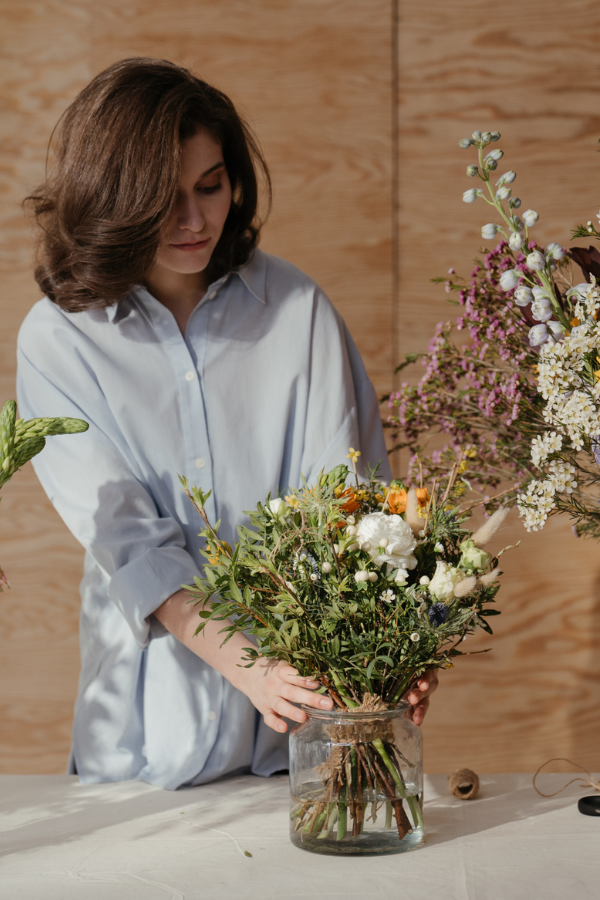
Becoming a florist requires a commitment to learning and personal development, whether through formal education, hands-on experience, or a combination of both. The challenges faced along the way are matched by the profound rewards of crafting beauty and bringing joy into people’s lives through the art of floristry.
Aspiring florists should approach their career with an open heart and a willing mind, ready to embrace the multifaceted nature of the work, from the technical aspects of floral design to the business acumen needed for success. The journey to becoming a florist is enriched by the continuous pursuit of knowledge, the development of a personal style, and the cultivation of relationships with clients and the community.
In doing so, florists not only enhance their own lives but also the lives of those they touch with their floral artistry. This career path offers a unique opportunity to transform passion for flowers into a fulfilling profession, reminding us of the transformative power of nature and the enduring human connection to beauty.
Design Dash
Join us in designing a life you love.
Are You About to Give Away Next Year’s Profit With This Year’s Pricing?
By October, you have nearly a year’s worth of information sitting right in front of you. Use it.
Is Your Design Firm Too Small to Serve New Clients?
If being busy is costing your firm clients, your firm might be too small. Here's how to know whether that's the case.
The Hire That Changes Everything Might Be Smaller Than You Think
Here’s how to determine what kind of help your interior design firm actually needs, whether that means a full-time hire, part-time support, or a contractor.
Are You Hiring People Who Think Too Much Like You?
Learn how to hire people who bring different strengths, challenge your thinking, and fill the gaps your current interior design team is missing.
Are You Hiring People You Can Actually Trust to Make Decisions?
Learn how to hire people who can make good decisions, speak up when something’s wrong, and help your interior design firm run without you answering every question.
How to Be a Better Leader So Your Team Can Do Their Best Work
Learn how to become a better leader after you hire, from giving your team more responsibility to making time for the planning and support they need to do their best work.
Related Posts

Prosperity, Honor, Romance: The Symbolism of Peonies
Whether you're a garden enthusiast, an art lover, or just someone who

The Best Digital Drawing Tablets for Professional Artists
Explore thirteen of the absolute best digital drawing tablets on the m
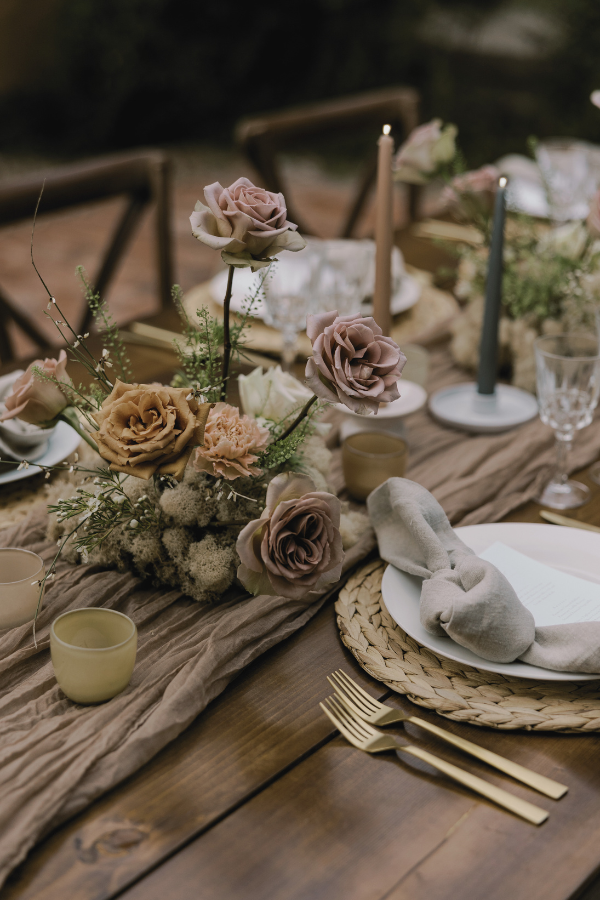
The Art of Entertaining: Tablescape Inspiration for Fall 2024
Celebrate the harvest and impress your guests with these fall tablesca

The Mid-Career Switch Series: How to Become a Brand Strategist
Whether you're contemplating a career shift or aiming to refine your e